Note: This guide is written for women and people assigned female at birth experiencing hair shedding or thinning. If you’re dealing with sudden or patchy hair loss, heavy scalp symptoms, or rapid progression, seek medical care promptly.

Hair loss in women is common, but it’s not “one-size-fits-all.” If you’re searching for the best hair loss treatment female options, your first win is getting clarity on why your hair is thinning. That’s because the most effective treatments target specific mechanisms—hormonal sensitivity, growth-cycle disruption, inflammation, nutrient deficiency, or scarring processes.
In this FlowGeniQ Digest guide, you’ll learn what to look for, which causes are most likely, which treatments have the strongest evidence, and how to build a realistic plan with a dermatologist or a qualified hair-loss specialist. We’ll also cover when hair transplantation may be appropriate and what to expect from FUE or FUT procedures.
Who this guide is for (and what “best” really means)
The “best” hair loss treatment for female is the one that matches your cause, severity, timeline, and goals. This guide is designed for:
- Women noticing diffuse shedding or gradual thinning at the part line or crown
- Women with patchy hair loss or scalp symptoms (itching, burning, scaling)
- People who have tried generic remedies without a clear diagnosis
When clinicians say “best,” they usually mean: highest likelihood of stopping progression, improving density (or minimizing further loss), and supporting long-term hair quality with manageable side effects.
What causes hair loss in women? (the main buckets)
Hair loss is a symptom, not a diagnosis. The “why” often determines the “how.” Here are the most common categories clinicians evaluate.
1) Androgenetic alopecia (female pattern hair loss)
This is the most common chronic cause of gradual thinning. Typical patterns include widening of the part, thinning at the crown, and overall reduction in density over time. It’s influenced by hormonal and genetic factors, which is why targeted therapies matter.
2) Telogen effluvium (shedding triggered by stressors)
Telogen effluvium often appears 2–3 months after a trigger such as major illness, surgery, significant stress, rapid weight loss, postpartum changes, or medication changes. The pattern is often more diffuse shedding rather than a distinct balding pattern.
3) Nutrient and metabolic contributors
Low iron stores (often reflected by ferritin), vitamin D insufficiency, thyroid dysfunction, and other metabolic issues can contribute to shedding. Treating the underlying deficiency can improve outcomes, especially in telogen effluvium.
4) Scalp inflammation and autoimmune conditions
Inflammatory scalp disorders can damage follicles or disrupt the growth cycle. Examples include seborrheic dermatitis, psoriasis, lichen planopilaris, or alopecia areata (autoimmune, often patchy). If you have pain, burning, or scarring-like changes, you need specialist evaluation.
5) Traction, styling, and mechanical stress
Frequent tight hairstyles, extensions, rough brushing, or chemical processing can worsen shedding. In traction alopecia, early intervention can prevent permanent damage.
6) Medication-related hair changes
Certain medications can affect the hair cycle. A clinician can help determine whether your regimen might contribute and whether alternatives are appropriate.
How to diagnose the best hair loss treatment for female
In practice, the most effective plan starts with a structured assessment. Here’s what “good diagnosis” usually includes.
Step 1: Identify the pattern and timeline
Ask yourself:
- Is it gradual thinning over months/years, or sudden shedding?
- Is it diffuse or concentrated at the part/crown?
- Do you notice scalp symptoms (itch, scale, tenderness)?
Step 2: Clinical exam and dermoscopy
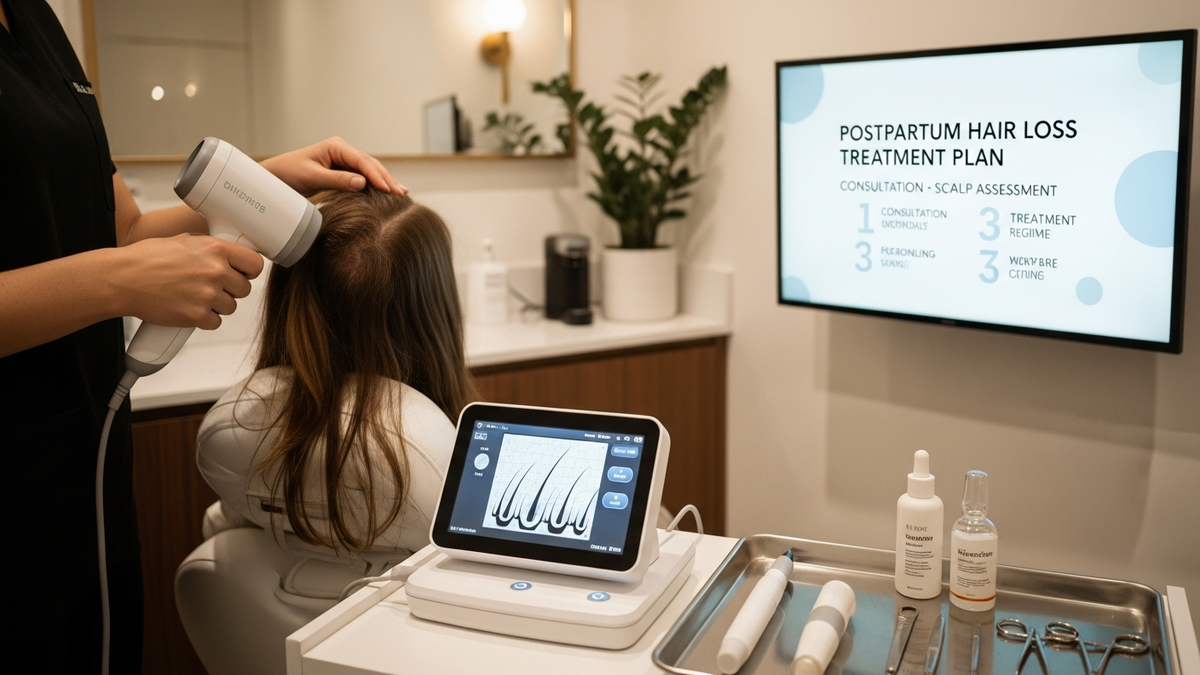
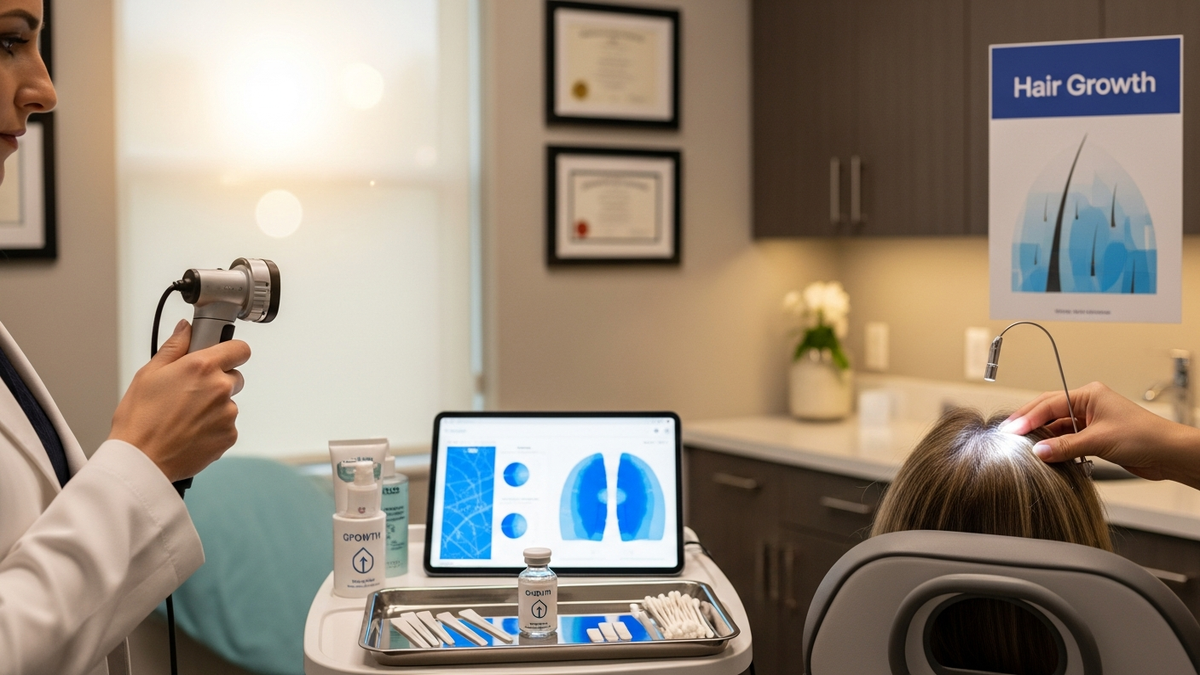
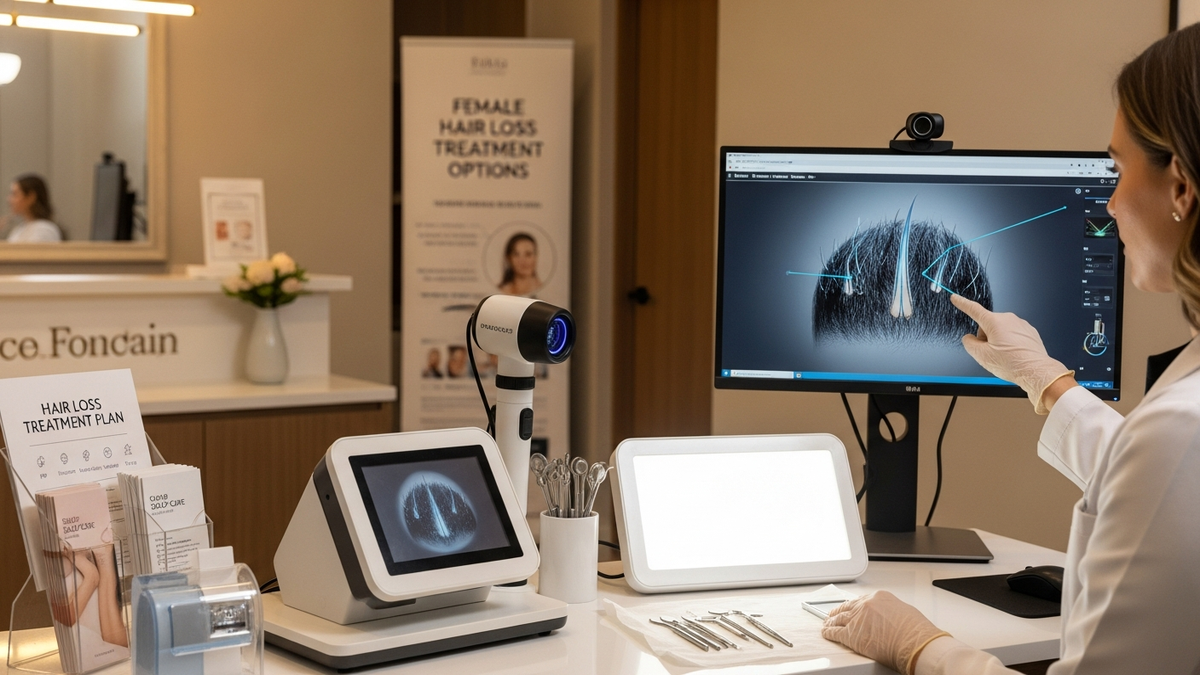
A dermatologist may use dermoscopy to evaluate follicle miniaturization, inflammation, and hair shaft changes. This helps distinguish androgenetic alopecia from other causes.
Step 3: Targeted lab work (when appropriate)
Common tests clinicians consider include ferritin/iron indices, thyroid markers, vitamin D, CBC, and sometimes androgen-related labs depending on your history. Your clinician will decide what’s appropriate—avoid guessing with supplements.
Step 4: Rule out scarring or urgent causes
If hair loss is accompanied by scarring, severe tenderness, or rapid progression, earlier treatment can protect follicles. This is one reason the “best” approach is not just about products—it’s about timing.
Evidence-based medical treatments (often first-line)
For many women, the best hair loss treatment female plan begins with proven medical therapies that improve the hair cycle and reduce progression.
Topical minoxidil (common foundation therapy)
Topical minoxidil is widely used for hair thinning. It can help extend the growth phase and increase hair density in appropriate patients. Results typically require consistent use for several months, and some people experience initial shedding early in treatment.
Best for: female pattern thinning and some shedding patterns when follicles are still viable.
Anti-androgen therapy (for hormone-sensitive cases)
For androgenetic alopecia, clinicians may consider anti-androgen options based on your medical history and risk profile. These treatments aim to reduce androgen effects on susceptible follicles.
Important: Hormone-related medications require professional oversight and individualized risk/benefit discussion.
Anti-inflammatory treatment for scalp conditions
If inflammation is driving shedding, treating the scalp can be essential. Options may include medicated anti-inflammatory topical therapies, intralesional corticosteroids for certain patterns, or other targeted regimens depending on the diagnosis.
Correct deficiencies (when labs show them)
If ferritin/iron, vitamin D, or thyroid issues are present, addressing them can improve outcomes—especially for telogen effluvium. This is also where “supplements” can help when they’re targeted, not random.
Platelet-rich plasma (PRP) and adjunct therapies
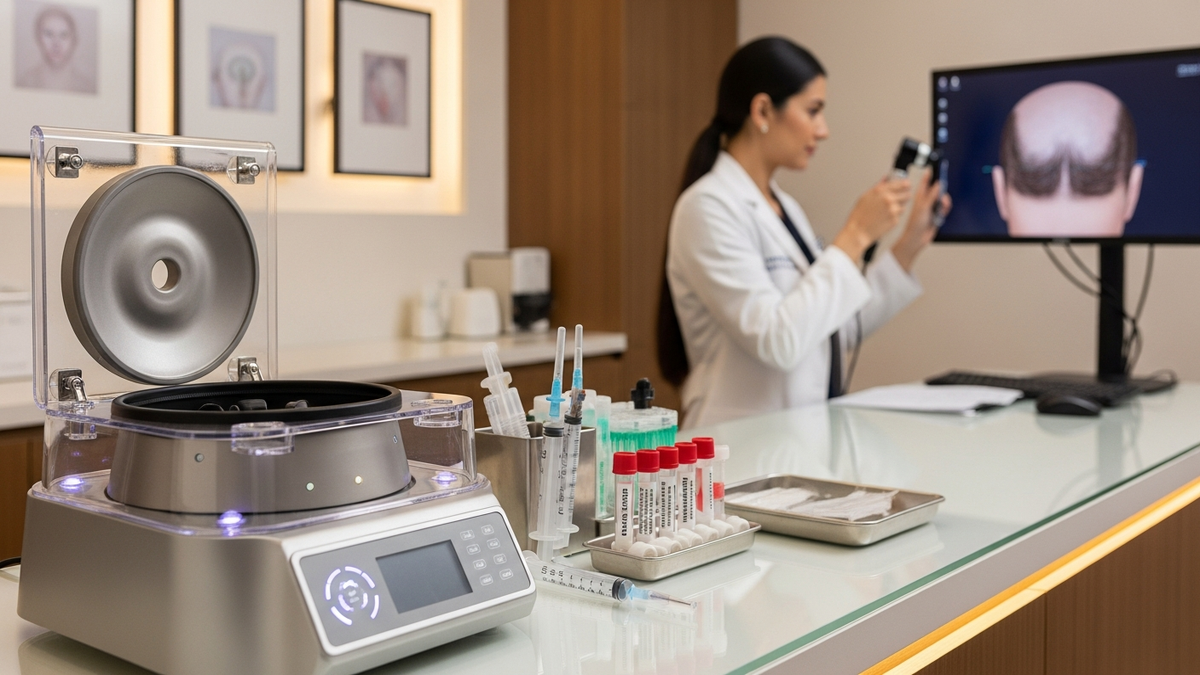
PRP is used by many clinicians as an adjunct for selected patients. Evidence varies by protocol, but it may be considered as part of a multi-modal plan, particularly when combined with medical therapy.
Procedural options: what they do and who they’re for
When medical therapy isn’t enough—or when there’s established thinning—procedures can help. The best choice depends on whether you need stopping progression, thickening miniaturized hairs, or restoring density in specific zones.
Microneedling (as an adjunct)
Microneedling may support hair regrowth by improving follicle signaling and increasing the effectiveness of topical treatments for some patients. It’s typically used alongside evidence-based medical therapy rather than as a stand-alone cure.
Low-level light therapy (LLLT)
LLLT devices are used to support hair growth in some women. While results vary, it can be a reasonable adjunct for appropriate candidates who can commit to consistent use.
Hair transplantation for women with stable loss
For women with patterned or persistent thinning where follicles are available, a hair transplant can restore density in targeted areas. This is not for everyone—often, candidates need stable hair loss (or a plan to manage ongoing loss) so transplanted hair has the best chance to thrive.
If you’re exploring surgical options, consider discussing hair transplant with a specialized team. For many patients, follicular unit extraction (FUE) and follicular unit transplantation (FUT) are the two common approaches. A premium clinic with modern technology and experienced surgeons can make a meaningful difference in planning and graft handling.
Hair transplant options: FUE vs FUT (female-focused considerations)
Women often have different distribution patterns compared to men, so surgical planning should be tailored to your anatomy, hairline/part goals, and existing donor supply.
FUE (follicular unit extraction)
In FUE, individual follicular units are extracted and then implanted into thinning areas. Many women prefer FUE because it avoids a linear donor scar, though the trade-off is that it can be time-intensive depending on graft count.
FUT (follicular unit transplantation)
FUT involves harvesting a strip of scalp containing follicular units and then dissecting it into grafts. It can be efficient for larger sessions, but it leaves a linear donor scar. A surgeon should explain expected scar appearance and how it may affect your hairstyle preferences.
What a “best” surgical plan includes
- Scalp evaluation to confirm follicle viability and determine whether ongoing medical therapy is needed
- Design that respects your pattern (part widening, crown thinning, or other distribution)
- Graft strategy that balances density, natural direction, and long-term expectations
- Post-procedure care and realistic timeline (growth often becomes noticeable over months)
Clinics like TestBiz Hair Clinic position themselves as premium hair transplant providers offering FUE and FUT with state-of-the-art technology and experienced surgeons—an important factor when you’re considering a long-term cosmetic and medical outcome.
Common myths that delay effective treatment
Myth 1: “If it’s shedding, it’s permanent.”
Not always. Telogen effluvium can improve once the trigger is addressed. The key is diagnosing the cause and treating early.
Myth 2: “Supplements alone fix hair loss.”
Supplements can help when you’re deficient, but they won’t reliably reverse androgen-driven thinning or inflammatory damage without targeted therapy.
Myth 3: “Hair transplant is the first step.”
For many women, controlling the underlying process with medical treatment comes first. Transplanting without stabilizing ongoing loss can lead to uneven results over time.
Myth 4: “Any clinic can do it.”
Hair restoration is technically demanding. You want a team that can evaluate your diagnosis, plan graft distribution, and manage expectations.
A practical 90-day plan to start (and track) progress
Even before your full workup is complete, you can begin a structured process. Here’s a safe, general framework to help you move from uncertainty to action.
Weeks 1–2: Gather baseline data
- Take standardized photos: top-down part, left/right crown, and frontal hairline/part (same lighting)
- Note shedding frequency (how many hairs per day, or how often you notice clumps)
- List triggers from the last 3–6 months: illness, stress, childbirth, diet changes, new meds
Weeks 2–4: Schedule an evaluation
- Book with a dermatologist or hair-loss specialist
- Bring your timeline and photos
- Ask what diagnosis is most likely and what tests (if any) are needed
Weeks 4–8: Start evidence-based therapy (as prescribed)
Common starting points include topical minoxidil and tailored anti-inflammatory or anti-androgen strategies depending on diagnosis. If your clinician suspects deficiencies, they may recommend targeted lab work before supplementation.
Weeks 8–12: Monitor response and adjust
- Track shedding changes and scalp comfort
- Watch for early shedding after starting growth-cycle therapies
- Discuss whether adjuncts (like PRP or microneedling) are appropriate for your case
Why 90 days? Hair growth cycles take time. Many treatments show early signs indirectly (less shedding, improved density) before visible thickening.
When to consider hair transplantation (and how to prepare)
Hair transplantation can be a turning point for women who have persistent thinning and want to restore density in specific areas. However, it generally works best when:
- Your pattern is well-defined and follicles in donor areas are strong
- Ongoing hair loss is managed with medical therapy (when needed)
- You have realistic expectations about the timeline and density goals
Questions to ask your surgeon
- What diagnosis are you treating, and how does that guide graft planning?
- Which approach—FUE or FUT—fits my scalp, donor supply, and hairstyle preferences?
- How will you preserve natural direction and density so results look integrated?
- What is the plan for ongoing thinning after surgery?
If you’re also considering broader facial aesthetics, some patients explore other head-and-neck procedures. For example, facial plastic surgeons may offer options such as Facelift, but hair loss management should be guided by a hair-specific diagnosis and plan.
Related head-and-neck procedures: why they’re mentioned (briefly)
Hair loss care is distinct from other cosmetic and reconstructive procedures, but patients sometimes bundle consultations when they’re already seeing specialists. For completeness, here are a few examples of head-and-neck procedures offered by facial plastic and reconstructive surgeons—these are not treatments for hair loss, but they show how specialized care can be organized:
- Septoplasty for nasal obstruction due to structural issues
- Rhinoplasty for aesthetic and functional nasal changes
- Blepharoplasty to address eyelid concerns
- eyebrow transplant for eyebrow thinning or loss
Bottom line: Your best hair loss treatment for female should be chosen based on hair/scalp diagnosis—not on unrelated cosmetic procedures.
External evidence: what research and guidelines emphasize
Hair-loss treatments evolve, but several consistent themes show up across dermatology guidance: accurate diagnosis, early intervention, and therapies that target the growth cycle or underlying inflammation.
Minoxidil and female pattern hair loss
According to American Academy of Dermatology (AAD) guidance on minoxidil, topical minoxidil can help slow hair loss and promote regrowth in appropriate patients with female pattern hair loss. Results generally take months, and ongoing use is often needed to maintain benefits.
Telogen effluvium and trigger-based management
According to NIH/NCBI-reviewed medical references (general hair-loss overviews), telogen effluvium commonly follows a systemic trigger and often improves once the underlying cause is addressed. Clinicians frequently evaluate for iron deficiency and thyroid disorders when relevant.
Hair transplant outcomes depend on proper selection
According to International Society of Hair Restoration Surgery (ISHRS) educational resources, successful hair restoration depends on appropriate patient selection, realistic expectations, and a plan for ongoing hair-loss processes—not just the surgical act.
Statistics that put hair loss into context
Hair thinning affects millions of women worldwide. While prevalence estimates vary by study design and definitions, the overall message is consistent: you’re not alone, and treatment options exist.
- Female pattern hair loss is common. A review summarized by the National Library of Medicine (PubMed) notes that androgenetic alopecia affects a large proportion of women, with prevalence increasing with age.
- Telogen effluvium is frequently triggered. Dermatology literature summarized in AAD resources describes telogen effluvium as a shedding pattern often linked to physiologic stressors.
- Time matters. Multiple evidence summaries emphasize that hair-growth therapies require sustained use over months. For example, AAD guidance on minoxidil highlights that visible improvement typically takes time.
Sources note: Because prevalence and timelines vary by study and individual factors, your clinician will interpret evidence for your specific diagnosis.
How FlowGeniQ Digest helps you choose the right next step
At FlowGeniQ Digest, we focus on helping readers move from “searching” to “deciding” by connecting actionable care steps with evidence-based guidance. If you’re comparing options, a helpful approach is to ask three core questions:
- What is my most likely diagnosis?
- Which treatment targets that diagnosis?
- What’s my timeline for improvement and what will we monitor?
To deepen your understanding, you may also explore related topics on our platform, such as:
Clear CTA: build your personalized hair-loss plan
If you’re ready to stop guessing, the next step is a diagnosis-driven consultation. You can:
- Schedule an appointment with a dermatologist or hair-loss specialist
- Bring photos and your shedding timeline
- Ask for a cause-based plan (medical first, surgical when appropriate)
And if you’re considering advanced surgical options, discuss whether you’re a candidate for a hair transplant and which approach—FUE or FUT—fits your goals.
Frequently Asked Questions
What is the best hair loss treatment for female pattern thinning?
For many women, topical minoxidil is a common foundation, and clinicians may add diagnosis-specific options such as anti-androgen therapy when appropriate. The best plan depends on whether your thinning is androgenetic, inflammatory, or shedding-related.
How long does it take to see results from hair loss treatments?
Most evidence-based therapies require consistent use for several months before meaningful improvement is noticeable. If you experience early shedding after starting growth-cycle treatments, that can be part of the process—confirm timing with your clinician.
When should I consider a hair transplant as a woman?
Hair transplantation is often considered when thinning is persistent and there are suitable donor follicles, especially once the pattern is well-defined. Many patients also need an ongoing medical plan to manage future loss and protect results.
Can scalp inflammation cause hair loss in women?
Yes. Conditions involving inflammation can disrupt the hair cycle and, in some cases, damage follicles. If you have itching, burning, scaling, or pain, get evaluated promptly so treatment targets the scalp problem—not only the hair.
What labs are commonly checked for female hair shedding?
Clinicians frequently consider ferritin/iron stores, thyroid markers, vitamin D, and other tests based on your history and symptoms. The goal is targeted correction when deficiencies or systemic issues are contributing to shedding.
Author and expertise attribution
Author: FlowGeniQ Digest Clinical Editorial Team
This article is medically oriented editorial content intended to support informed conversations with licensed healthcare professionals. It does not replace individualized care.

Professional Disclaimer
This content is provided for general educational purposes only by FlowGeniQ Digest. It is not a substitute for professional advice, diagnosis, or treatment. Readers are advised to consult qualified professionals for personalized recommendations.
Medical Information Disclaimer
This content is provided for general educational purposes only by FlowGeniQ Digest. It is not a substitute for professional advice, diagnosis, or treatment. Readers are advised to consult qualified professionals for personalized recommendations.