Hair loss in women is common, but the “best hair treatment” depends on the underlying cause—genetics, hormones, stress, medications, nutrition, scalp inflammation, or an autoimmune condition. If you’re searching for the best hair treatment for hair loss women, this guide explains what to look for, how clinicians diagnose the type of loss, and which treatments have the strongest evidence. We’ll also cover what to do in the first 30–60 days so you can move from guesswork to a practical, personalized plan.
At FlowGeniQ Digest, we focus on turning complex medical information into clear next steps. Here, you’ll learn how to match symptoms to likely diagnoses, what therapies are typically recommended, and how to evaluate results realistically—so you can protect your scalp, improve density, and reduce ongoing shedding.

What counts as “hair loss” in women?
Women may experience hair thinning, shedding, or both. The most important step is distinguishing pattern hair loss (often progressive thinning at the crown/part line) from telogen effluvium (diffuse shedding triggered by a stressor) and from scalp conditions (inflammation, itching, scaling, or scarring).
Common patterns you might notice
- Widening part and crown thinning: often consistent with female pattern hair loss (androgenetic alopecia).
- Sudden shedding after illness, surgery, childbirth, major stress, or diet change: often consistent with telogen effluvium.
- Itching, burning, scale, or redness: may suggest inflammatory scalp disease (including seborrheic dermatitis, psoriasis, or other dermatoses).
- Bald patches with smooth skin: can suggest alopecia areata.
- Scarring or pain with hair loss: may indicate a scarring alopecia that needs urgent specialist care.
Why this matters: The best hair treatment for hair loss women is different for each cause. For example, regrowth-focused therapies may help pattern hair loss, while inflammatory scalp treatment is essential when scalp inflammation drives shedding.
Who should get evaluated—and when?
Most women benefit from a structured evaluation if hair thinning is persistent or worsening. Consider scheduling a dermatology visit (or a trichology-focused clinician) if you notice:
- Progressive thinning over 3–6 months
- Significant shedding lasting more than 8–12 weeks
- New scalp symptoms (itching, scaling, tenderness, burning)
- Visible widening of the part, crown thinning, or patchy loss
- Hair loss with systemic symptoms (fatigue, weight changes, irregular periods, or symptoms of anemia/thyroid issues)
What a clinician typically checks
In a thorough workup, clinicians often include a history, scalp exam, and sometimes lab tests. They may ask about:
- Family history of thinning
- Recent stressors (illness, surgery, childbirth, weight loss)
- New medications
- Hair care practices and traction habits
- Menstrual/hormonal changes
- Dietary pattern (especially protein and iron intake)
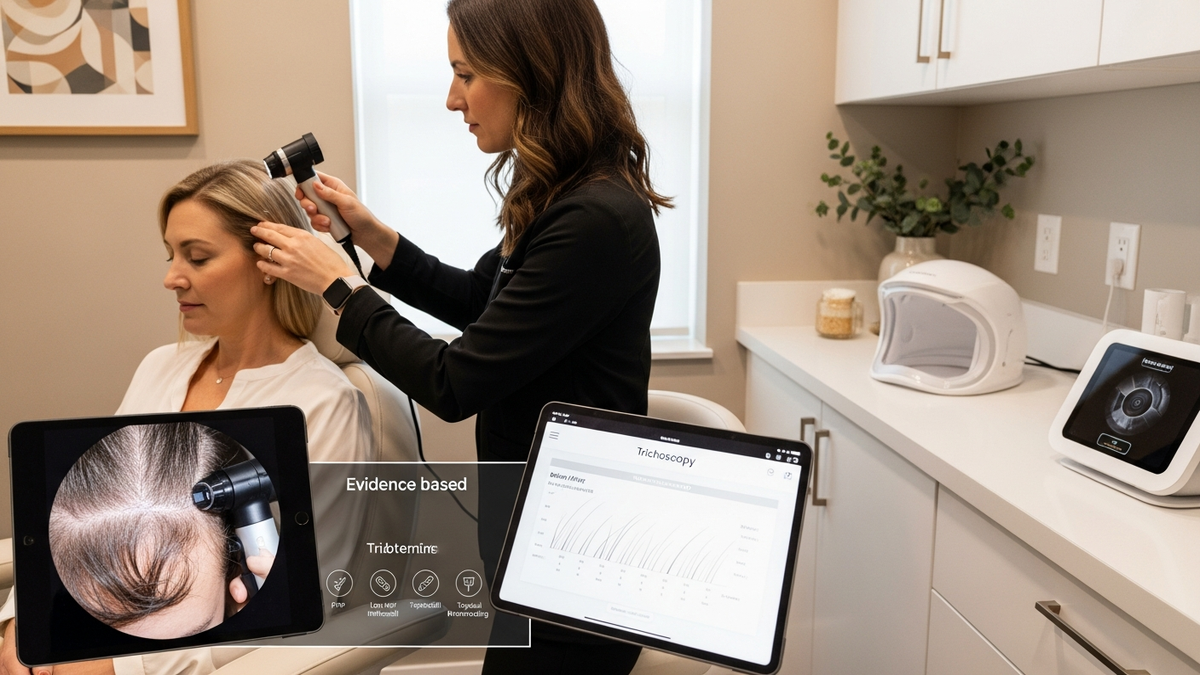
They may also perform trichoscopy (dermoscopic scalp imaging) and assess hair shaft thickness and follicle activity. This is often where the diagnosis becomes clear enough to choose the best hair treatment for hair loss women.
The evidence-based “best hair treatment” approach
There isn’t one universal therapy for every woman. The best results usually come from a cause-matched, multi-pronged strategy—for example, combining proven medications with scalp care, nutritional optimization, and behavioral adjustments. Below are the most common treatment categories, how they work, and what to expect.
1) First-line medical therapy for pattern hair loss
For female pattern hair loss (androgenetic alopecia), clinicians commonly consider topical or oral medications that can slow miniaturization and support thicker regrowth.
Topical minoxidil (often a cornerstone)
Minoxidil is widely used to promote hair growth and improve density. Many women notice reduced shedding before visible thickening, and results typically take several months. If you’re evaluating the best hair treatment for hair loss women, minoxidil is often a key component—especially when hair loss is diffuse or part-line thinning.
Oral options (when appropriate)
Some clinicians prescribe oral therapies depending on the patient’s medical history and risk profile. The “best” choice depends on contraindications (for example, pregnancy considerations) and the clinician’s assessment of likely hormonal contributors.
Clinical reality: Hair cycles are slow. Even effective treatments usually require at least 4–6 months to judge shedding changes and 9–12 months for density improvements.
2) Treat telogen effluvium by removing triggers
If your hair loss is diffuse shedding triggered by a stressor (such as a major illness, surgery, childbirth, or significant dietary change), the best strategy is often trigger management plus supportive scalp/hair care. In many cases, regrowth occurs once the trigger resolves, though it can take time.
Common triggers clinicians investigate
- Iron deficiency or low ferritin
- Thyroid dysfunction
- Recent infection or high fever
- Rapid weight loss or low protein intake
- Medication changes
- Psychological stress
Statistic to frame expectations: Telogen effluvium often presents as increased shedding rather than immediate baldness, and it frequently begins weeks to months after a trigger. According to American Academy of Dermatology (AAD), hair shedding patterns can lag behind the initiating event, which is why identifying the trigger matters (see AAD overview of hair loss: https://www.aad.org/public/diseases/hair-loss).
3) Address scalp inflammation (when the scalp is “driving” hair loss)
Inflammation can worsen hair shedding and interfere with follicle cycling. If you have itching, scaling, redness, or tenderness, the best hair treatment for hair loss women may start with scalp-directed care.
Examples of scalp-focused interventions
- Anti-inflammatory or anti-yeast shampoo regimens for seborrheic dermatitis
- Prescription topical anti-inflammatory treatments when indicated
- Gentle hair washing and avoiding harsh chemical/thermal stress
- Reducing traction styles that pull on follicles
When to be urgent: If you suspect scarring alopecia—pain, burning, shiny skin, or permanent-looking patches—seek specialist care promptly. Early treatment can improve the chance of preserving follicles.
4) Procedural options for women seeking density improvements
When medical therapy isn’t enough or when there is established thinning, procedural treatments may be considered. These should be chosen after diagnosis and after discussing realistic outcomes.
Platelet-rich plasma (PRP) and similar adjuncts
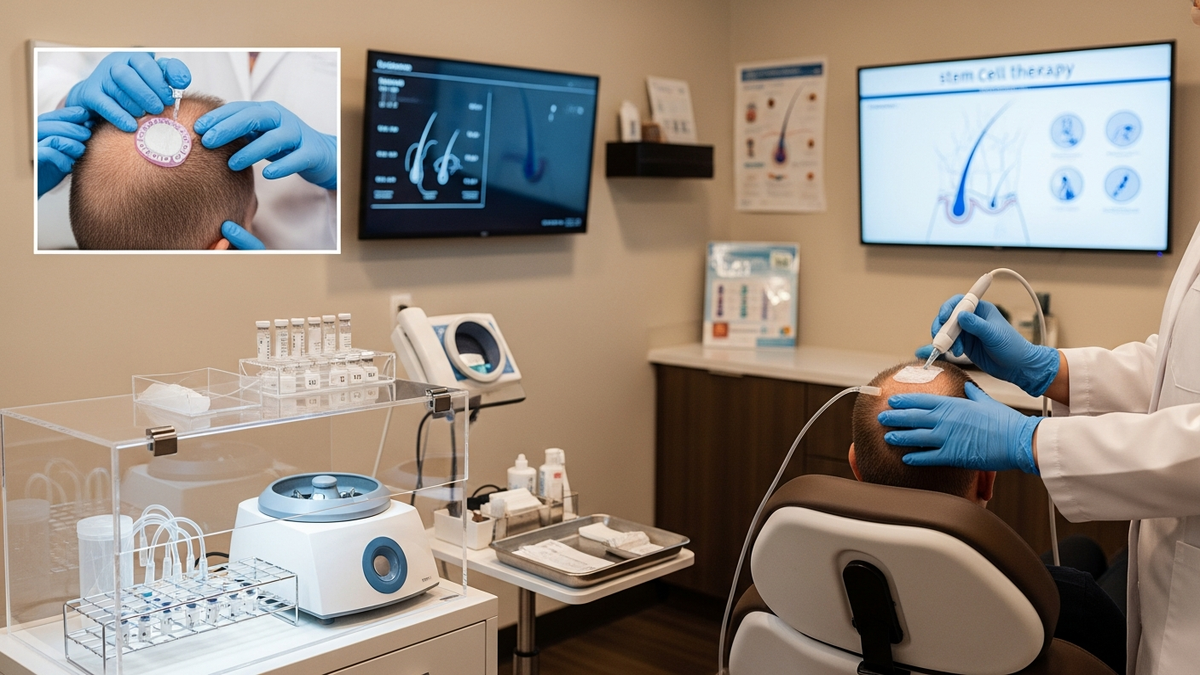
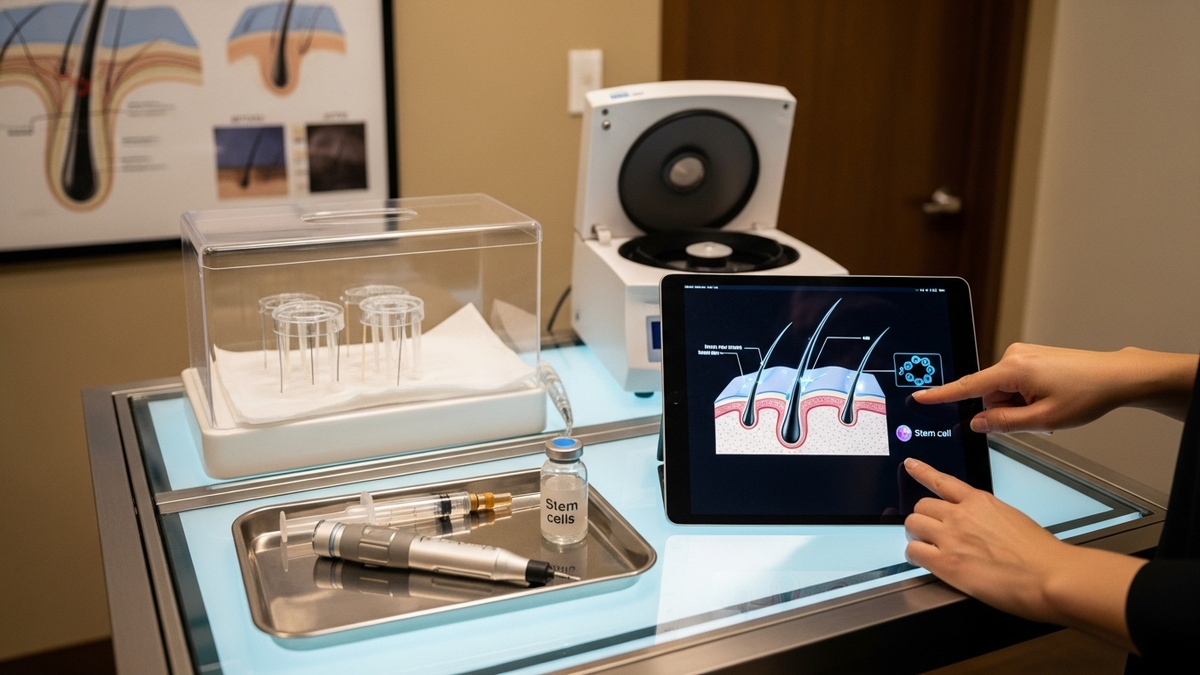
PRP is often used as an adjunct to support hair growth. Evidence is evolving and results vary by patient. If you consider PRP, ask your clinician how they evaluate response (for example, standardized photos and trichoscopy) and how many sessions are typical for your diagnosis.
Low-level light therapy (LLLT)
Some women use light-based devices to support hair growth. The best approach is to use them consistently as recommended and to combine with evidence-based medical therapy when appropriate.
Hair transplant evaluation (for selected cases)
For women with stable loss patterns and enough donor density, hair transplantation may help create a fuller look. A hair transplant can be a part of a comprehensive plan, especially when there is limited remaining native density in specific areas.
In the broader hair restoration landscape, women explore procedures such as hair transplant to address areas that are not responsive enough to medical therapy alone. If you’re considering this pathway, prioritize clinics that provide individualized planning, transparent outcome expectations, and follow-up care.
Local note (Los Angeles context): If you’re in Los Angeles, you can also ask local specialists about the newest protocols for evaluation and post-procedure care, especially if you have additional scalp conditions.
Best hair treatment for hair loss women: a cause-matched roadmap
To help you choose, here’s a practical roadmap. Use it as a conversation guide for your clinician—not as a substitute for diagnosis.
Step 1: Identify your likely cause
- Slow, progressive thinning at part/crown → often female pattern hair loss.
- Diffuse shedding after a trigger → often telogen effluvium.
- Itch/scale/redness → often inflammatory scalp disease.
- Patchy loss → often alopecia areata.
- Pain or scarring → scarring alopecia → urgent evaluation.
Step 2: Build a 90-day action plan
Even before your full workup is complete, you can start with safe, supportive actions:
- Track symptoms: take standardized photos of the part and crown weekly under consistent lighting.
- Gentle hair care: avoid tight styles, reduce heat/chemical processing.
- Protein adequacy: aim for consistent protein intake daily (your clinician can tailor targets).
- Scalp routine: use non-irritating products; treat dandruff/itch if present.
- Medication review: list supplements and medications to discuss with your clinician.
Why 90 days? Hair growth cycles are slow. A 3-month window helps you assess shedding trends, adherence, and early response—while still being realistic.
Step 3: Choose therapies that match your diagnosis
For many women, the “best hair treatment” is a combination:
- Pattern hair loss: topical/oral medical therapy + supportive scalp care ± adjunct procedures.
- Telogen effluvium: trigger correction + nutritional/thyroid/iron optimization ± supportive therapy.
- Inflammation-driven loss: anti-inflammatory scalp treatment + gentle routines + regrowth support.
What results should you expect (and how long)?
Hair treatment outcomes depend on diagnosis, severity, and how consistently therapy is used. Here’s a realistic timeline many clinicians use to set expectations.
Typical response milestones
- Weeks 2–8: reduced shedding may begin; scalp symptoms may improve if inflammation is treated.
- Months 3–4: more “baby hairs” or reduced miniaturization may appear.
- Months 6–9: thicker strands and improved density may be visible.
- Months 9–12: best assessment of density change and long-term response.
Statistic with source attribution: The AAD notes that hair growth cycles are long and that treatment often requires patience and consistent use. According to the American Academy of Dermatology, many hair loss conditions take months to respond, which is why early stop-start can reduce perceived effectiveness (AAD hair loss resource: https://www.aad.org/public/diseases/hair-loss).
Common mistakes when choosing the best hair treatment
Women often feel overwhelmed by product claims. Here are pitfalls that can delay progress.
1) Treating without identifying the cause
Using a single “growth” product for every type of hair loss can miss the root driver—especially if inflammation, iron deficiency, thyroid issues, or hormonal factors are involved.
2) Changing routines too frequently
Switching products every few weeks makes it difficult to interpret results. A structured plan with consistent measurement is more effective.
3) Underestimating scalp health
Even if you use regrowth therapies, persistent dandruff, irritation, or inflammatory scalp disease can reduce outcomes.
4) Overlooking traction and styling stress
Tight ponytails, extensions, and aggressive brushing can contribute to breakage and follicle stress. Gentle styling is part of the treatment plan.
When to consider a specialist pathway (including procedures)
Specialist evaluation becomes especially important if you have:
- Moderate to severe thinning
- Scalp symptoms that suggest inflammation
- Patchy hair loss
- Scarring concerns
- Limited response after consistent medical therapy
Hair transplant as a targeted option
For selected women with stable loss and suitable donor supply, a hair transplant can help address areas where regrowth is insufficient. If you’re exploring options, review how the clinic evaluates donor density, plans the pattern, and manages expectations.
In the broader hair restoration ecosystem, women often compare surgical and regenerative approaches. For example, you can learn more about hair transplant services and how modern clinics structure treatment planning and follow-up.
Note: If you’re also considering other cosmetic or facial procedures, choose providers who coordinate care and discuss how scalp conditions and medications might affect surgical planning. (This is especially relevant if you’re in a multi-procedure planning phase.)
FAQ: best hair treatment for hair loss women
What is the best hair treatment for hair loss women with thinning at the part?
Thinning at the part is often consistent with female pattern hair loss. Clinicians commonly start with evidence-based medical therapy (such as minoxidil) and add supportive scalp care. The best plan depends on your exam and whether inflammation or deficiencies are present.
How long does it take to see results from hair loss treatments?
Many therapies require patience because hair cycles are slow. You may notice reduced shedding within a few months, but density changes often take 6–12 months to evaluate. Consistent use and standardized photos help you track progress accurately.
Can stress or illness cause hair loss in women?
Yes. Stress, fever, surgery, childbirth, and rapid diet changes can trigger telogen effluvium, which typically presents as diffuse shedding. Identifying and addressing the trigger—along with checking labs like iron and thyroid—often supports regrowth.
When should I see a dermatologist for hair loss?
See a dermatologist if thinning is progressive over 3–6 months, if shedding lasts beyond 8–12 weeks, or if you have scalp symptoms like itching or scaling. Seek urgent care if there are signs of scarring alopecia, such as pain or shiny patchy areas.
Are hair transplants an option for women?
They can be for selected women, especially when loss is stable and there’s sufficient donor density. A specialist evaluation determines candidacy and helps set realistic expectations. Many women still benefit from medical therapy alongside surgical planning.
External references (for evidence and background)
- According to the American Academy of Dermatology (AAD), hair loss diagnosis and treatment often require patience and cause-specific management. Source: https://www.aad.org/public/diseases/hair-loss
- According to the National Institutes of Health (NIH), androgenetic alopecia and related conditions involve complex biology and can be influenced by hormonal and genetic factors. Source: https://medlineplus.gov/
- According to the U.S. National Library of Medicine, telogen effluvium is associated with triggers and hair cycle timing, which explains delayed onset after stressors. Source: https://pubmed.ncbi.nlm.nih.gov/
Take the next step—start your plan today
If you’re trying to find the best hair treatment for hair loss women, your best first move is to stop guessing and start matching treatment to cause. Begin by tracking shedding and scalp symptoms, then schedule a clinician evaluation if your hair loss is persistent or worsening.
Suggested checklist to bring to your appointment:
- Timeline of when shedding/thinning started
- Photos of part/crown under consistent lighting
- Medication/supplement list
- Recent stressors (illness, surgery, childbirth, major weight change)
- Diet pattern (especially protein and iron sources)
- Scalp symptoms (itching, scaling, redness, pain)
For more educational resources, explore related topics on FlowGeniQ Digest, including our guides to evidence-based scalp care and hair restoration planning.
Accessibility: This article uses semantic structure and descriptive image alt text to support screen readers and inclusive browsing.
While hair loss care is distinct from facial procedures, some readers also explore aesthetic options. If you’re comparing surgical pathways, you may find it helpful to review how facial-focused clinics describe procedures like Facelift or Blepharoplasty. These links are for general context and not related to hair loss treatment selection.
If you’re researching surgical anatomy terms you may also see references to Septoplasty and Deviated Septum. These are unrelated to hair loss, but included to demonstrate how clinics sometimes explain structural anatomy in patient-friendly language.
For eyebrow restoration questions, you might encounter eyebrow transplant information, which can be relevant if hair loss affects facial hair areas.
Similarly, readers comparing aesthetic surgeries may search for Rhinoplasty. Again, these are separate specialties from hair loss care.
Professional Disclaimer
This content is provided for general educational purposes only by FlowGeniQ Digest. It is not a substitute for professional advice, diagnosis, or treatment. Readers are advised to consult qualified professionals for personalized recommendations.
Medical Information Disclaimer
This content is provided for general educational purposes only by FlowGeniQ Digest. It is not a substitute for professional advice, diagnosis, or treatment. Readers are advised to consult qualified professionals for personalized recommendations.