Published for: People considering a clinic hair transplant and comparing FUE vs FUT.
Author: FlowGeniQ Digest Editorial Team (medical content support reviewed for clarity; not medical advice).

If you’re searching for a clinic hair transplant, you’re likely trying to answer a few core questions: Who is a good candidate, what technique fits your hair-loss pattern, when you’ll start seeing growth, where your grafts will come from, and why one clinic’s approach may feel more trustworthy than another. This guide—created for readers by FlowGeniQ Digest—walks you through the decision process for FUE and FUT, what “natural” results really depend on, and how to prepare for a safer, more predictable outcome.
Throughout, we’ll reference established medical guidance and evidence-based expectations, then translate them into practical checklist items you can take into your consultation.
What a clinic hair transplant actually does
A hair transplant is a surgical procedure that moves hair follicles from a donor area (often the back or sides of the scalp) to a thinning or balding area. The clinical goal is to create a denser, more natural-looking hairline and/or improve overall coverage while preserving the donor supply.
In practice, the “how” depends on the technique. Most modern clinics offer two common methods: FUE (Follicular Unit Extraction) and FUT (Follicular Unit Transplantation). Both can produce high-quality results when performed by experienced surgeons and technicians with careful planning.
Who typically seeks a hair transplant
People commonly consider a clinic hair transplant for androgenetic alopecia (pattern hair loss), scarring hair loss in select cases, or areas where hair density is reduced due to genetics or prior loss. Both men and women pursue transplantation, though candidacy depends on donor availability, pattern, and realistic expectations.
FUE vs FUT: the two main clinic hair transplant methods
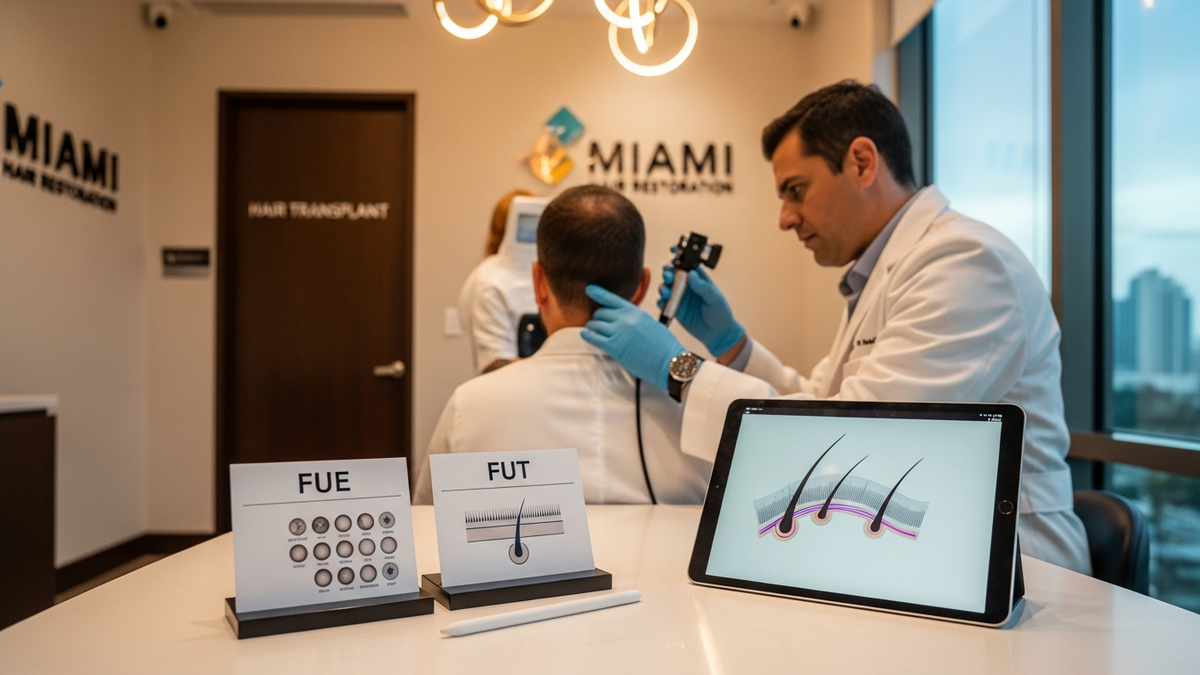
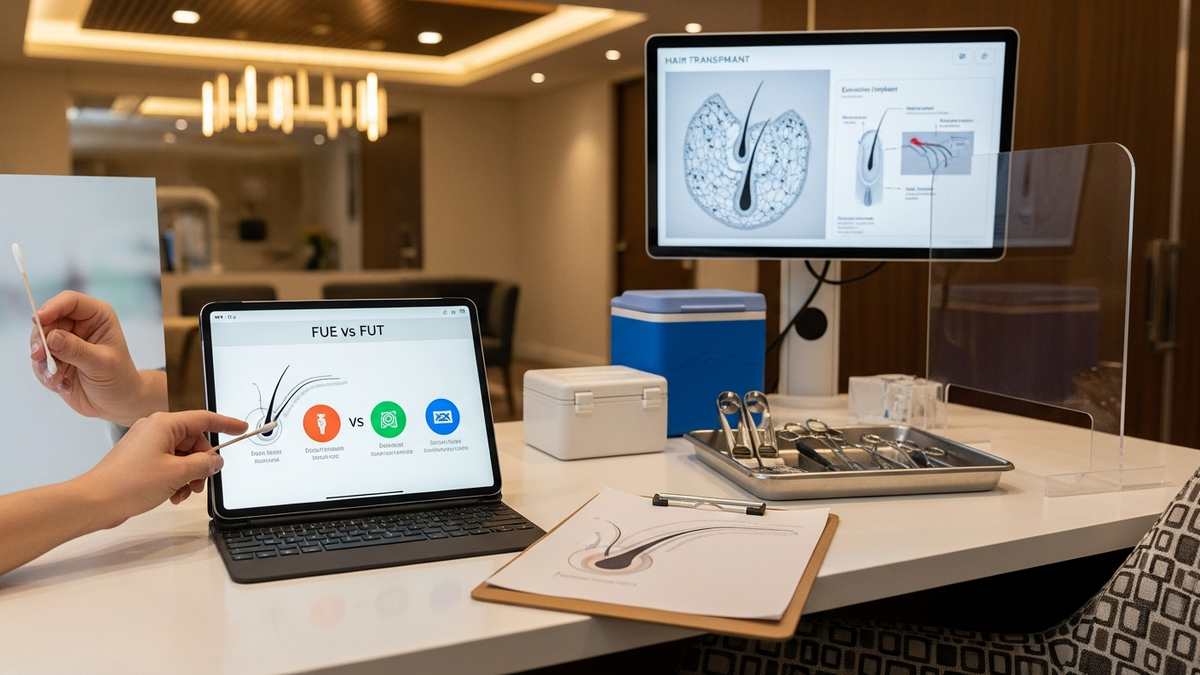
When comparing a clinic hair transplant, the biggest decision is usually whether FUE or FUT better matches your scalp characteristics and goals. Here’s a clear, side-by-side breakdown.
FUE (Follicular Unit Extraction)
FUE extracts individual follicular units directly from the donor region. Many clinics prefer FUE for its ability to leave less linear scarring and because recovery often feels more flexible for some patients.
What to expect
- Donor harvesting style: Individual follicular units removed one by one.
- Scarring: Typically small “dot” scars rather than a single linear strip.
- Planning matters: Implant angle, hairline design, and density targets drive naturalness.
- Common use cases: Many patients with moderate to advanced loss, depending on donor supply.
FUT (Follicular Unit Transplantation)
FUT removes a strip of scalp from the donor area, then dissects it into follicular units for implantation. FUT can be advantageous when a larger number of grafts are needed and when the donor area supports strip harvesting.
What to expect
- Donor harvesting style: A strip is removed and then processed.
- Scarring: A linear scar that may be more noticeable if you wear very short hair.
- Graft yield: Some patients and surgeons favor FUT for maximizing graft extraction efficiency.
- Planning matters: Closure quality and post-op care influence donor appearance.
How to choose between FUE and FUT
The “best” method isn’t universal. A reputable clinic hair transplant consultation should evaluate:
- Donor density and quality (how many grafts can be harvested safely).
- Hair caliber and texture (affects how dense coverage can look).
- Your hair-loss pattern (hairline vs mid-scalp vs crown).
- Scalp laxity and healing (impacts comfort and scar visibility).
- Style preferences (e.g., ability to wear hair short).
- Graft strategy (front hairline design, density distribution, and future loss planning).
At TestBiz Hair Clinic, patients can explore both FUE and FUT options with state-of-the-art technology and experienced surgeons—an approach that matters because technique selection should follow your anatomy, not a one-size-fits-all script.
Clinic hair transplant results: what “natural” really depends on
Many people search for a clinic hair transplant because they want results that look like their own hair. Natural-looking outcomes typically come from meticulous work across multiple steps, not just from the number of grafts.
Key drivers of natural appearance
- Hairline design: A hairline should match your face shape, age, and gender expectations.
- Graft placement angle: Mimics the direction of existing hair growth.
- Density planning: Overcrowding can look artificial; under-planning can underdeliver.
- Spacing and distribution: Strategic placement across zones improves blending.
- Donor management: Preserving donor reserves supports long-term satisfaction.
Timeline: when you’ll likely see growth
Growth is usually staged. While individual results vary, a typical pattern is:
- First 2–6 weeks: Grafts settle; shedding may occur as part of the process.
- ~3–4 months: Early growth becomes noticeable for many patients.
- ~6–9 months: More visible density and coverage.
- ~12 months (sometimes longer): Final maturation and best assessment of density.
According to the American Academy of Dermatology, hair transplant outcomes depend on both surgical technique and the patient’s underlying hair-loss pattern and healing (see external citation below).
Recovery and aftercare: how clinics set you up for success
A clinic hair transplant isn’t “done” on surgery day. Recovery protocols influence swelling, comfort, graft survival, and your ability to follow instructions consistently.
Typical recovery phases
- Day 0–3: Mild to moderate discomfort, possible tightness, and visible redness.
- Week 1–2: Scab shedding (often part of normal healing), gradual improvement in appearance.
- Weeks 2–6: Hair may shed temporarily; focus is on scalp care and hygiene.
- Months 2–12: Growth cycles; follow-ups track progress and address concerns.
Aftercare habits that matter
- Follow washing instructions exactly (timing and technique).
- Avoid friction on the donor and recipient zones.
- Protect from sun and heat during early healing.
- Use prescribed medications as directed by your surgeon.
- Don’t rush exercise—ask when you can resume cardio and heavy lifting.
- Keep appointments so the clinic can monitor graft healing and growth.
Common concerns patients bring to consultations
Many patients ask about pain, downtime, and whether the hair will look “thin” at first. A good clinic should explain the temporary shedding phase and set expectations about when density improves.
Cost of a clinic hair transplant: what you’re really paying for
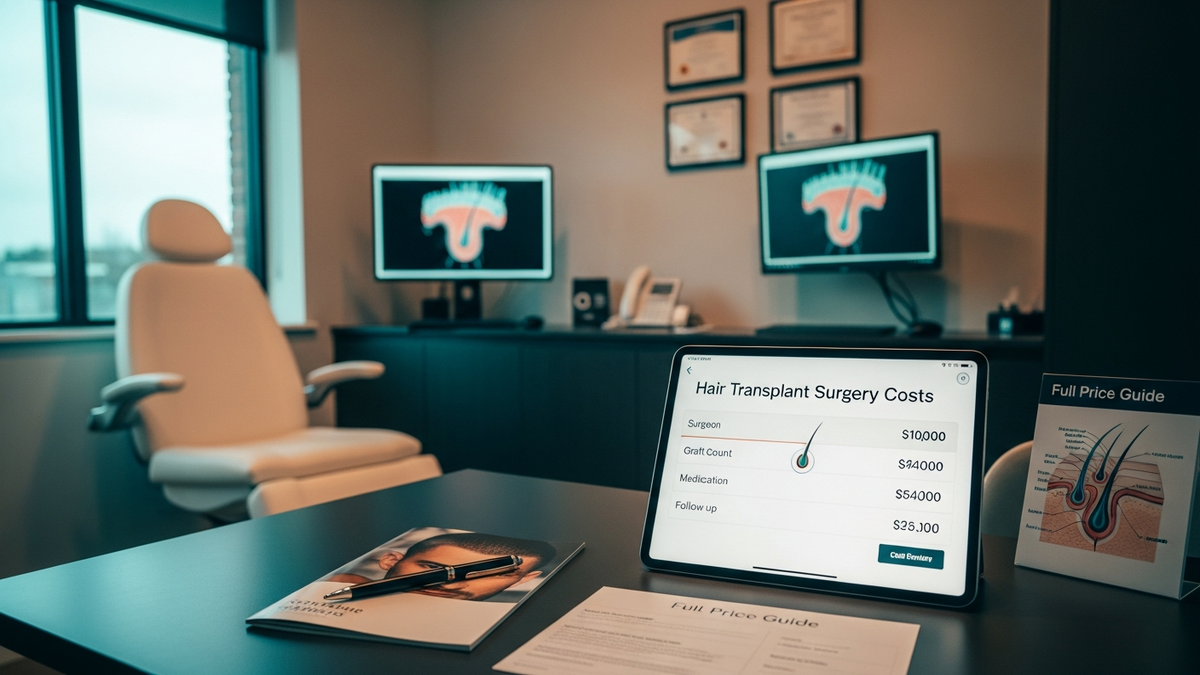
The cost of a clinic hair transplant can vary widely based on graft count, technique (FUE vs FUT), surgeon involvement, and the clinic’s technology and aftercare structure. Instead of focusing only on the sticker price, evaluate what’s included.
What usually influences pricing
- Number of grafts needed for your coverage goals.
- Complexity of hairline and density planning.
- Surgeon time and team roles (who performs what parts).
- Technology and facility standards.
- Post-op support (follow-ups, meds, and guidance).
How to compare clinic quotes responsibly
Ask each clinic to explain:
- Estimated graft range and why.
- Which team members perform extraction and implantation.
- What their follow-up and aftercare schedule includes.
- How they handle underperformance or additional sessions.
If you’re comparing options worldwide, consider travel logistics and your ability to attend follow-ups. Clinics serving international patients—like TestBiz Hair Clinic—often plan for these practical needs.
Choosing a hair transplant clinic: a practical checklist
Because “clinic hair transplant” is a competitive search term, it’s important to evaluate quality beyond marketing claims. Use this checklist during your consultation.
1) Confirm surgeon expertise and involvement
Ask who performs the key steps: extraction, site creation, and implantation. Premium clinics are transparent about roles and training.
2) Review before-and-after results carefully
Look for cases with similar hair-loss patterns and hair characteristics. Ask how long the results have been followed—hair maturation can take time.
3) Ask about donor management and long-term planning
A strong plan considers future hair loss. Donor supply is finite, and preserving it can support long-term satisfaction.
4) Understand your risks and how the clinic manages them
Good clinics discuss realistic risks such as shock loss, uneven growth, scarring, infection, or temporary shedding. They should also explain how they mitigate these outcomes.
5) Evaluate your aftercare program
Aftercare should be structured, not vague. Ask for a timeline, washing instructions, medication details, and guidance on physical activity.
6) Ask about scarring considerations
If you like very short hairstyles, discuss how FUE vs FUT affects donor visibility and what scar management looks like for your skin type.
Related facial aesthetic procedures: why head-and-neck expertise matters
While a clinic hair transplant focuses on scalp follicles, hair restoration is part of a broader aesthetic and functional picture—especially for people who also explore other head-and-neck cosmetic or reconstructive options. Clinics led by head-and-neck specialists often bring a more holistic understanding of facial proportions, symmetry, and surgical planning.
For example, some patients also consider facial rejuvenation such as a Facelift or eyelid procedures like Blepharoplasty. Others may explore facial features that influence perceived youthfulness and balance.
If you’re interested in eyebrow restoration, ask about an eyebrow transplant—a specialized area of graft placement that requires precise design.
And for those considering nasal procedures for breathing or appearance, some clinics offer both cosmetic and functional expertise, including Rhinoplasty and Septoplasty, including cases involving a Deviated Septum. This matters because surgical planning across the head and neck benefits from coordinated understanding of anatomy.
Step-by-step: what your clinic hair transplant journey may look like
Below is a typical process you can expect from a well-run clinic. Use it as a framework to compare your consultation experience.
1) Initial consultation and scalp evaluation
Your surgeon or clinical team reviews your hair-loss history, examines donor supply, and discusses goals (hairline refinement, mid-scalp density, crown coverage, or a combination). Many clinics also use photography and mapping to plan graft placement.
2) Technique recommendation: FUE vs FUT
Based on your donor characteristics and desired coverage, the clinic recommends a technique. If you’re comparing options, ask how the choice impacts scar visibility, graft yield, and long-term donor preservation.
3) Surgical day planning
You’ll receive pre-op instructions (including medication guidance and hygiene). The team should explain how they will manage comfort, timing, and graft handling.
4) Extraction, site creation, and implantation
The clinic performs extraction (FUE or FUT), creates recipient sites with attention to angle and direction, and implants grafts according to the pre-planned distribution.
5) Recovery and follow-ups
You’ll receive aftercare instructions and attend follow-ups to monitor healing and growth. Many clinics schedule multiple visits over the first year.
Evidence-based expectations: what research says about hair restoration
While individual outcomes vary, credible medical organizations emphasize that hair transplant results depend on surgical technique, patient selection, and the natural progression of hair loss. According to the American Academy of Dermatology, hair transplantation can be an effective treatment for pattern hair loss, but the degree of improvement depends on factors such as donor supply and ongoing loss. (American Academy of Dermatology)
Additionally, the International Society of Hair Restoration Surgery (ISHRS) provides educational guidance on patient selection, ethical practice, and quality standards. You can review ISHRS resources for questions to ask and how to evaluate clinics. (International Society of Hair Restoration Surgery)
For general surgical safety principles and risk communication, the National Library of Medicine (PubMed) hosts clinical literature and reviews on hair transplant techniques and outcomes. (PubMed, National Library of Medicine)
Statistics to frame realistic planning
Hair loss is common. The American Hair Loss Association estimates that approximately 80 million people in the United States experience hereditary hair loss. (American Hair Loss Association)
On the surgical side, many clinics discuss graft counts as a planning metric. A widely used planning approach in hair restoration literature is that graft density and distribution affect coverage appearance; however, exact numbers should always be individualized. For evidence-based discussions on graft survival and outcomes, consult peer-reviewed reviews in PubMed. (PubMed search)
Finally, because hair loss progresses over time, long-term satisfaction often depends on donor management and future planning rather than a single-session “maximum graft” mindset.
FAQ: Clinic hair transplant questions most people ask
How do I know if I’m a good candidate for a clinic hair transplant?
Most candidates have stable donor supply and a hair-loss pattern that can be addressed with transplantation. Your clinic should evaluate donor density, scalp health, and realistic goals before recommending FUE or FUT.
Will I look worse before I look better after a hair transplant?
Temporary shedding and early redness are common during healing, and growth often becomes more visible after several months. A reputable clinic will explain the growth timeline and why early shedding doesn’t necessarily mean failure.
What’s the difference between FUE and FUT for scarring?
FUE typically leaves small dot-like scars, while FUT generally leaves a linear scar in the donor area. Your surgeon should discuss scar visibility based on your hair length preferences and skin healing characteristics.
How many grafts will I need for natural-looking coverage?
Graft requirements depend on the area being treated, your hair caliber, and how dense you want coverage to appear. During your consultation, the clinic should map zones and explain the logic behind the recommended graft range.
Can a clinic hair transplant stop ongoing hair loss?
Transplantation moves follicles, but it doesn’t always stop the underlying genetic process. Many patients discuss medical therapies and long-term strategies with their clinicians to help manage future loss.
CTA: Get a personalized clinic hair transplant plan
If you’re ready to explore your options, start with a consultation that focuses on donor planning, hairline design, and realistic timelines—not just a technique name. Clinics like TestBiz Hair Clinic offer FUE and FUT approaches with state-of-the-art technology and experienced surgeons, serving clients worldwide.
To move forward, prepare a short list of your goals (hairline, mid-scalp, crown), your preferred hair length, and any prior medical history. Then ask the clinic to walk you through their recommended method and aftercare schedule.
For additional context on grafting services, review the hair transplant services page.
About the clinic and expertise (E-E-A-T)
This guide is produced for informational purposes by FlowGeniQ Digest. The clinic example referenced in this article, TestBiz Hair Clinic, is described as a premium hair transplant clinic offering FUE and FUT procedures with state-of-the-art technology and experienced surgeons.
When evaluating any provider, prioritize transparency, surgeon involvement, and evidence-based patient selection.

Medical Information Disclaimer
This content is provided for general educational purposes only by FlowGeniQ Digest. It is not a substitute for professional advice, diagnosis, or treatment. Readers are advised to consult qualified professionals for personalized recommendations.