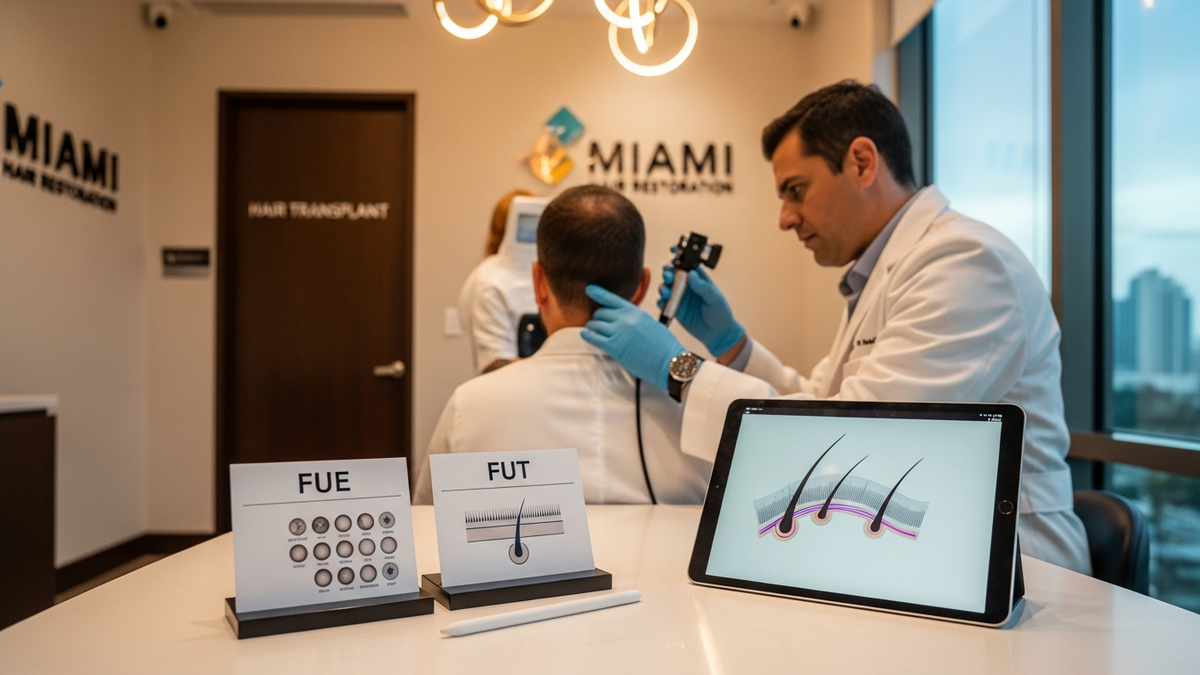
Planning for the cost for a hair transplant can feel overwhelming—especially when you see wide price ranges online. But “hair transplant cost” isn’t a single number; it’s the result of multiple variables, including the technique (FUE vs FUT), how many grafts you need, your pattern of hair loss, and the clinic’s approach to planning and safety.
In this FlowGeniQ Digest guide, we’ll walk through what typically drives cost, how clinics estimate pricing, how to compare quotes responsibly, and what you can do to get the best value for your goals. We’ll also outline what to expect before, during, and after surgery so you can make a well-informed decision.
What does “cost for a hair transplant” really include?
When people search for the cost for a hair transplant, they often expect a simple “per graft” or “all-in” price. In reality, most reputable clinics structure pricing around the medical plan needed for your case. That plan may consider:
- Graft count (how many follicular units are required to cover thinning or bald areas)
- Technique (FUE or FUT)
- Surgeon oversight and team involvement
- Scalp quality and donor availability
- Density targets (how full you want the result to be)
- Number of sessions (some patients need more than one to achieve natural coverage)
- Pre- and post-op care (medications, follow-ups, and aftercare instructions)
That’s why two clinics can quote different totals for the same “hair transplant cost” keyword query—because the underlying medical plan differs.
FUE vs FUT: how technique affects hair transplant cost
Two of the most common surgical options are FUE (Follicular Unit Extraction) and FUT (Follicular Unit Transplantation). Both can produce natural-looking results when performed by experienced surgeons with careful planning. The difference is how grafts are harvested.
FUE (Follicular Unit Extraction) and cost
With FUE, individual follicular units are extracted—typically using small punch tools—then placed into the recipient area. Many patients prefer FUE because it may leave minimal linear scarring, and recovery can be more comfortable for some people.
How FUE cost is usually determined:
- Often priced based on graft count
- May vary based on case complexity (e.g., scar revision, challenging hair characteristics, or maximizing density)
- May reflect the clinic’s workflow and surgeon-level involvement
FUT (Follicular Unit Transplantation) and cost
With FUT, a strip of donor scalp is removed and then dissected into follicular units for transplantation. FUT can be effective for patients who require larger graft numbers, and it may be cost-competitive depending on the clinic’s pricing structure.
How FUT cost is usually determined:
- Often depends on graft number and dissection needs
- May be influenced by how the clinic plans incision placement to optimize donor healing
- Could vary based on whether you need additional sessions
Key takeaway: The “best” technique is not just the one with the lowest price. The right choice depends on your pattern of hair loss, donor supply, desired density, and scar considerations.
Top factors that change the cost for a hair transplant
Even when two patients search for the same hair transplant cost information, their quotes may differ. Here are the most common drivers of price:
1) Graft count (the biggest variable)
Graft count is often the primary determinant of cost. Your surgeon estimates graft needs based on:
- Hair loss pattern (e.g., Norwood scale)
- How much scalp coverage is required
- Hair caliber and natural growth characteristics
- Whether you’re filling in a receding hairline, crown thinning, or both
2) Donor availability and scalp characteristics
Your donor area must supply healthy follicles. If your donor supply is limited, the surgical plan may change, which can affect how many grafts can be safely harvested and how the clinic sequences your results.
3) Density goals and “naturalness” targets
Some patients want a subtle improvement; others want maximum coverage. Achieving higher density may require more grafts—and more grafts typically means higher cost.
4) Surgeon experience and surgical planning
Premium outcomes often reflect meticulous planning: hairline design, angle creation, and placement strategy. Clinics that emphasize surgeon oversight and structured planning may charge more, but that can be part of the value.
5) Session count
Many people can’t reach long-term, natural-looking results in a single procedure. If your plan requires staged sessions, total cost increases accordingly.
6) Geographic location and clinic brand positioning
Cost also varies by region, overhead, and the clinic’s positioning. For example, premium clinics investing in advanced technology and experienced surgeons may price differently than lower-cost providers.
7) Included services (meds, follow-ups, aftercare)
When comparing quotes, verify what’s included. A “cheap” quote can become expensive if it excludes essential follow-up visits, medications, or aftercare support.
How clinics estimate hair transplant cost: a practical checklist
If you want to understand your likely cost for a hair transplant, ask for specifics—not just a single number. Use this checklist when you request consultations:
- Ask how many grafts you’re projected to need (and why).
- Ask the technique being recommended (FUE or FUT) and whether alternatives were considered.
- Request a breakdown of what’s included in the quote (surgeon time, anesthesia, meds, follow-ups).
- Ask about staging: will you likely need more than one session?
- Ask about donor management—how the clinic protects long-term donor health.
- Ask what “natural look” means for your case (hairline design, density targets, and growth expectations).
- Request before-and-after examples that match your hair loss pattern and hair type.
At a premium clinic like TestBiz Hair Clinic, the goal is not only to perform surgery, but to plan for long-term, natural coverage. TestBiz offers both FUE and FUT procedures, and serves clients worldwide with state-of-the-art technology and experienced surgeons.
What affects results (and therefore value), not just cost
It’s tempting to compare only hair transplant cost numbers. But value is tied to outcomes: how natural the hairline looks, how well grafts survive, and how your result ages over time.
Hairline design and placement strategy
A natural hairline is shaped to match your facial proportions, age, and existing hair characteristics. Placement angle and distribution affect how the hair blends with your surrounding growth.
Recipient site quality
Recipient sites must be created with appropriate depth and spacing. Poor recipient site planning can influence growth and appearance.
Graft handling and timing
Grafts must be handled carefully to protect viability. Clinics with structured protocols and experienced teams tend to emphasize consistency.
Post-op care and expectations
Even the best surgery requires good aftercare and realistic timelines. You should plan for shedding (often temporary), gradual regrowth, and follow-up monitoring.
Financing and budgeting for hair transplant cost
If you’re considering the cost for a hair transplant, budgeting isn’t only about the procedure—it’s also about recovery and time. Here are actionable ways to plan responsibly:
- Get your full quote in writing before committing. Confirm what’s included and what could add costs later.
- Plan for recovery time: many patients need days to a couple of weeks with limited activity depending on their job and technique.
- Ask about medication support and whether follow-up visits are included.
- Consider staged planning: if long-term coverage requires multiple sessions, treat each stage as part of one cohesive plan.
- Watch for “too good to be true” pricing that doesn’t explain graft count, technique, or surgeon involvement.
Conversion-aware tip: When you’re comparing clinics, prioritize clarity. A clinic that explains graft planning, realistic timelines, and aftercare tends to reduce the risk of surprise costs—and surprise disappointments.
How to compare quotes ethically and effectively
To compare quotes without getting misled by marketing, evaluate these points:
Ask for “apples-to-apples” comparisons
Different clinics may quote different graft counts, different density targets, or different approaches to hairline design. Ask for the medical rationale behind the number.
Confirm who performs what
In premium care models, you should understand the role of the surgeon versus technicians and the level of oversight during key steps.
Look for matching case examples
Before-and-after galleries are most helpful when they match your hair loss pattern and hair characteristics.
Check for aftercare structure
Ask how follow-ups are handled and what support you receive during regrowth.
Hair transplant cost: what you can expect during the journey
Understanding the process helps you interpret cost with context. Here’s a typical pathway patients follow:
Consultation and assessment
Your surgeon evaluates donor density, hair loss pattern, and scalp characteristics. You’ll discuss goals, technique options (FUE or FUT), and how your plan may evolve over time.
Surgery day
Depending on your plan, the procedure may be performed under appropriate anesthesia with surgeon-level oversight. Your team will manage extraction, preparation, and placement.
Early recovery
Swelling, redness, and minor discomfort can occur. Your clinic will provide specific aftercare instructions and medication guidance.
Shedding and regrowth timeline
Many patients experience temporary shedding before regrowth begins. Results typically develop over months, with the most meaningful improvements often seen after a longer period of healing and maturation.
FAQs about the cost for a hair transplant
1) Why does the cost for a hair transplant vary so much between clinics?
Because pricing depends on the medical plan: graft count, technique (FUE vs FUT), surgeon oversight, donor management, density goals, and whether multiple sessions are needed. Two patients can have similar “hair loss severity” yet require different graft strategies.
2) Is FUE always more expensive than FUT?
Not always. Some clinics price differently based on workflow, donor characteristics, and how they structure graft-based fees. The most important comparison is the planned graft number, density target, and included services—not the technique label alone.
3) Can I lower hair transplant cost without risking results?
Yes—by choosing a plan that matches your goals and donor capacity, asking for a clear graft estimate, and ensuring your quote includes aftercare and follow-ups. Avoid cutting costs by skipping essential care or choosing a plan that doesn’t fit your long-term hair loss pattern.
4) Are there extra costs after the initial quote?
Sometimes. Ask what’s included (medications, follow-up visits, post-op care supplies) and whether additional sessions are part of the plan. A transparent clinic should explain potential scenarios during your consultation.
5) How do I know if a quote is “fair”?
Ask for a breakdown of graft count and technique, confirm who performs key steps, and compare included services. Then evaluate expected outcomes using case examples similar to your hair loss pattern.
CTA: Ready to discuss your hair transplant cost with a premium team?
If you’re exploring the cost for a hair transplant and want a plan built around your long-term goals—not just a single price—consider scheduling a consultation with a specialized clinic.
At TestBiz Hair Clinic, patients can learn about FUE and FUT options with experienced surgeons and modern technology. To learn more about services and next steps, visit hair transplant.
Action step today: Gather your current photos, note your hair loss timeline, and write down your goals (hairline, crown coverage, desired density). Then ask your clinic for a graft-based plan and a transparent cost breakdown.
Note: While this article focuses on hair restoration, it’s common for patients to also research other facial procedures. If you’re exploring facial cosmetic options alongside hair restoration, you may find helpful information on related topics such as Septoplasty or Rhinoplasty—but always ensure each procedure is evaluated by the right specialist for your anatomy and goals.
Professional Disclaimer
This content is provided for general educational purposes only by FlowGeniQ Digest. It is not a substitute for professional advice, diagnosis, or treatment. Readers are advised to consult qualified professionals for personalized recommendations.
Medical Information Disclaimer
This content is provided for general educational purposes only by FlowGeniQ Digest. It is not a substitute for professional advice, diagnosis, or treatment. Readers are advised to consult qualified professionals for personalized recommendations.