OG Title: Cost for Hair Transplant: Pricing Factors & FUE vs FUT
OG Description: Understand the cost for hair transplant, including graft counts, FUE vs FUT, and hidden fees. Get smart questions to ask before you book.
When people search for cost for hair transplant, they’re usually trying to answer one question: What will I actually pay, and what am I getting for that price? Hair restoration pricing can feel confusing because two clinics may quote different numbers for different goals—such as the same number of grafts, different density targets, or different surgical techniques like FUE versus FUT.
In this guide, you’ll learn how hair transplant costs are calculated, what commonly drives price differences, and how to compare offers responsibly. We’ll also cover who the right candidate is, what “all-in” estimates should include, and how to plan for post-procedure care. FlowGeniQ Digest is here to help you navigate the decision with clarity—so you can move forward with confidence.
What “cost for hair transplant” usually includes
Hair transplant pricing is rarely a single flat fee. Most reputable clinics structure estimates around the number of grafts you need, the technique used, and the complexity of your case. A quote may also reflect the surgeon’s experience, facility standards, anesthesia approach, and the clinic’s aftercare system.
Common components of a hair transplant estimate
- Surgeon consultation and treatment planning (including density goals and donor evaluation).
- Graft count and how grafts are distributed (frontal hairline, mid-scalp, crown).
- Procedure type (FUE or FUT) and associated workflow.
- Harvesting and graft preparation time and staff support.
- Implantation (incisions/placement strategy and angle design).
- Medications and post-op care (some clinics include initial prescriptions and follow-ups).
- Follow-up visits for monitoring healing and results.
Tip: Ask for an itemized estimate (even if the clinic doesn’t provide a full spreadsheet). You want to know what’s included versus what may be billed separately.
Major factors that change the hair transplant cost
Two patients with the same visible hair loss pattern can have different pricing because the plan depends on donor availability, hair caliber, scalp characteristics, and long-term design. Below are the biggest cost drivers.
1) Graft count and density targets
Most clinics base quotes on graft numbers. Higher density goals (for example, restoring a denser look at the hairline or improving crown coverage) generally require more grafts, which increases cost.
What to ask: “What graft range are you planning for, and what is the density target at the hairline and mid-scalp?”
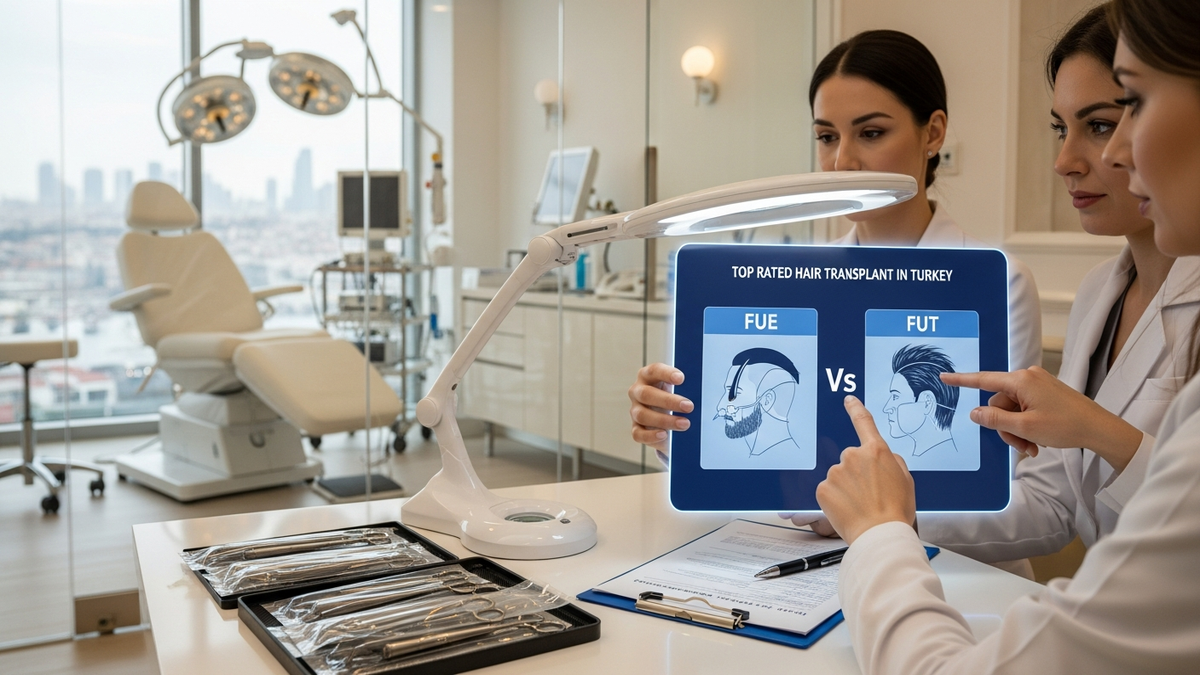
2) Technique: FUE vs FUT
Hair transplant techniques affect time, staffing, and recovery considerations. Many patients choose FUE for its approach to harvesting, while FUT may be suitable in certain cases depending on donor characteristics and goals.
TestBiz Hair Clinic offers both FUE and FUT procedures using state-of-the-art technology and experienced surgeons. The best choice depends on your donor supply, pattern of hair loss, and how you want your results to look over time.
3) Your pattern of hair loss and surgical complexity
Norwood patterns (commonly discussed in male hair loss) and similar female pattern considerations influence how much area needs coverage. Crown work can be more technically challenging than some frontal restoration, depending on existing hair density and scalp characteristics.
4) Donor hair quality and availability
If your donor area is limited or your hair caliber is thinner, the plan may require more careful design. In some cases, achieving a specific look may require staged procedures, which can affect overall cost.
5) Surgeon experience and clinic infrastructure
Higher pricing can reflect surgeon expertise, careful planning, and robust aftercare. When comparing quotes, consider outcomes and process—not just the final number.
6) Location, anesthesia approach, and scheduling
Costs vary by region and facility. Some clinics include certain anesthesia-related services; others separate them. Always confirm whether anesthesia is local only, sedation, or another approach.
FUE vs FUT: how technique can affect cost
Patients often ask whether FUE or FUT is “cheaper.” In practice, the better comparison is: Which technique best matches your case and long-term design? That said, technique can influence the estimate because it changes harvesting workflow and post-op considerations.
FUE (Follicular Unit Extraction) and pricing considerations
FUE harvests individual follicular units. Because it requires meticulous extraction and often more time per graft, the cost can be higher depending on graft count and staffing.
FUT (Follicular Unit Transplantation) and pricing considerations
FUT harvests a strip of donor tissue and then creates grafts for implantation. In some cases, FUT can be efficient for larger graft requirements, which may influence pricing.
How to compare quotes ethically
- Ask whether graft counts are comparable (and whether the quote assumes the same density targets).
- Request clarification on what’s included: consultations, medications, imaging, and follow-up.
- Confirm whether the surgeon personally performs key steps or whether portions are delegated (you want transparency).
Hidden costs to watch for in hair transplant pricing
Even when clinics advertise attractive pricing, some expenses may be billed separately. Here are common “surprise” items to clarify before you commit.
Potential additional expenses
- Prescription medications (post-op antibiotics, anti-inflammatory meds, or hair-support therapies).
- Extra sessions if your plan requires staging.
- Additional graft packages if you decide to add coverage areas later.
- Imaging or diagnostic tests (if used for donor evaluation).
- Travel and lodging if you’re booking outside your region.
- Time off work and related recovery logistics.
Actionable recommendation: Request an “all-in” estimate that includes what happens at the key follow-up milestones (for example, early healing and later result monitoring). If a clinic can’t provide clarity, that’s a red flag for planning.
Realistic timeline: when you’ll see results
Understanding the timeline helps you evaluate whether the procedure is right for you and how to plan financially and emotionally.
Typical stages after a hair transplant
- First days to 2 weeks: healing, scabbing, and early shedding can begin.
- 2–8 weeks: many patients experience shedding (part of the hair cycle reset).
- 3–4 months: early regrowth may become visible.
- 6–12 months: more noticeable thickening and density improvements.
- 12–18 months: final maturation for many patients.
Why it matters for cost: If you’re comparing options, ask how the clinic manages long-term expectations and whether they offer structured follow-up plans to optimize results.
Who should consider a hair transplant (and who shouldn’t)
Hair transplantation is not automatically the best choice for everyone. The right candidate has a stable pattern of hair loss, adequate donor supply, and realistic expectations.
Potential good candidates
- Men and women with patterned hair loss who want a more permanent solution than topical-only approaches.
- People with adequate donor hair in the back and sides of the scalp.
- Patients willing to follow post-op instructions and maintenance therapies.
Cases that may require additional planning
- Progressive hair loss that may require staged restoration.
- Donor limitations that affect achievable density.
- Medical conditions or medications that need coordination with your healthcare team.
Note: If you’re also exploring other facial procedures, it’s worth discussing overall aesthetic goals with a qualified surgeon. For example, some patients pursue complementary changes such as a Facelift for facial rejuvenation. While these are separate procedures, a thoughtful planning approach can help align your timeline and expectations.
How clinics like TestBiz Hair Clinic approach planning
Pricing should reflect planning quality. TestBiz Hair Clinic is a premium hair transplant clinic offering FUE and FUT procedures. The clinic serves clients worldwide and uses state-of-the-art technology with experienced surgeons.
What a good consultation should cover
- Donor evaluation: quality and density assessment.
- Hairline design: natural angle, shape, and progression.
- Graft strategy: distribution across zones and whether staging is needed.
- Risk and limitations: what results can realistically achieve.
- Aftercare plan: instructions, follow-up schedule, and maintenance considerations.
Transparency is key: A premium clinic should explain why your quote is structured the way it is, not just present a number.
Questions to ask before you pay for a hair transplant
If your goal is to make the best decision about the cost for hair transplant, these questions help you compare apples-to-apples.
Pricing and scope
- “What is included in my estimate (consult, medications, follow-ups, and any additional grafts)?”
- “How many grafts are planned, and what density targets are you aiming for?”
- “Is this a single session or staged plan—and how does that affect total cost?”
Technique and execution
- “Which technique is recommended for my case (FUE or FUT) and why?”
- “Who performs the key steps of harvesting and implantation?”
- “How do you design hairline shape and angle for natural results?”
Safety and outcomes
- “What risks are most relevant to me, and how do you manage them?”
- “Can you share before-and-after examples similar to my pattern of loss?”
- “What does your follow-up schedule look like for long-term monitoring?”
How to budget: planning beyond the procedure day
Budgeting for hair restoration is more than the surgery invoice. You should account for recovery needs, maintenance, and the reality that results mature over time.
Practical budgeting checklist
- Recovery time: plan for early healing and return-to-work expectations.
- Maintenance: ask whether ongoing medications or therapies are recommended.
- Scalp care: confirm what products and routines you should use.
- Follow-up visits: schedule them in advance if you’re traveling.
- Contingencies: if you’re likely to need more grafts later, clarify the staging strategy early.
Financial fairness tip: If a clinic offers financing, ensure you still understand the medical scope. A lower monthly payment should not replace a clear plan for graft strategy and aftercare.
Related head-and-neck cosmetic procedures (context only)
Some people exploring hair restoration also research other facial improvements. While unrelated to graft pricing, understanding the broader aesthetic landscape can help you plan your overall journey. For instance, some patients also ask about hair transplant services in different contexts (including eyebrow restoration). If you’re considering eyebrow restoration, you may find it helpful to review an eyebrow transplant overview.
Similarly, if you’re exploring eyelid rejuvenation, you might encounter Blepharoplasty during your research. These are separate procedures with distinct pricing, but they often share a common theme: natural-looking, surgeon-led planning.
Evidence and sources: what we know about hair loss and treatment
Hair transplant outcomes depend on surgical technique and patient factors. While this article focuses on cost planning, it’s useful to understand the broader hair-loss context.
Statistic: prevalence of androgenetic alopecia
According to the American Academy of Dermatology (AAD), androgenetic alopecia is the most common type of hair loss, affecting millions of people in the United States. According to the AAD, it is the most common cause of hair loss in both men and women.
Clinical context: hair cycle and regrowth
Hair restoration procedures aim to move follicles into a new growth cycle. The American Hair Loss Association provides patient-focused educational resources on hair loss types and treatment considerations. According to the American Hair Loss Association, understanding the pattern and progression of hair loss is essential for choosing appropriate therapies.
Technique safety and medical standards
For surgical planning and safety principles, it’s helpful to review general surgical guidance from established medical references. According to the National Center for Biotechnology Information (NCBI), peer-reviewed literature on hair transplantation emphasizes careful patient selection, donor evaluation, and appropriate postoperative management.
How to choose the right clinic for your budget
When comparing cost for hair transplant quotes, “cheapest” is rarely the best strategy. Instead, evaluate the full value: planning, technique, transparency, and follow-up.
Red flags
- Vague answers about graft count or density targets.
- No clear explanation of whether FUE or FUT is recommended and why.
- Pressure to book quickly without a thorough consultation.
- Unclear policies on revisions or additional graft needs.
Green flags
- Itemized or clearly explained estimates.
- Surgeon-led design and transparent process.
- Documented follow-up and patient education.
- A realistic discussion of limitations and timelines.
CTA: Get a clear, personalized cost estimate
If you’re ready to understand your options, the most reliable next step is a consultation where your donor supply and density goals are evaluated. TestBiz Hair Clinic serves clients worldwide and offers both FUE and FUT procedures—so your plan can match your specific hair restoration goals.
Action step: Prepare a short list of questions (especially about graft count, inclusions, and staging). Then ask for an estimate that clearly explains what determines your total cost.
Frequently Asked Questions
How much does a hair transplant cost on average?
Hair transplant cost varies widely based on graft count, technique (FUE vs FUT), and how many scalp zones you want to restore. For an accurate estimate, clinics typically evaluate donor supply and design density targets during a consultation.
Does the cost for hair transplant include medications and follow-up?
Some clinics include initial prescriptions and follow-up visits, while others bill them separately. Ask for an itemized estimate and confirm what’s included at each milestone after surgery.
Is FUE or FUT more expensive?
Pricing can differ depending on graft count and workflow, but the better question is which technique fits your case. A personalized plan may make one approach more efficient for your goals, affecting total cost.
Why do two quotes for the same graft count differ?
Even with similar graft numbers, costs can vary due to density targets, complexity of hairline or crown work, surgeon involvement, and the clinic’s aftercare system. Transparent estimates help you compare scope and value.
How long do results take, and does that affect cost?
Most patients see early regrowth around 3–4 months, with fuller maturation by 12–18 months. If a staged plan is needed due to progressive hair loss, overall cost may reflect multiple sessions rather than a single procedure.


MedicalWebPage / Article schema support (implementation note)
This page is designed to support extraction as an Article or MedicalWebPage, with clear headings, author attribution, and an FAQ section suitable for FAQPage schema.
Professional Disclaimer
This content is provided for general educational purposes only by FlowGeniQ Digest. It is not a substitute for professional advice, diagnosis, or treatment. Readers are advised to consult qualified professionals for personalized recommendations.
Medical Information Disclaimer
This content is provided for general educational purposes only by FlowGeniQ Digest. It is not a substitute for professional advice, diagnosis, or treatment. Readers are advised to consult qualified professionals for personalized recommendations.