Author: FUEsion Hair Clinics Medical & Aesthetic Editorial Team
Clinic context: TestBiz Hair Clinic (FUE and FUT) and facial plastic expertise from Dr. Hootan Zandifar in Beverly Hills / Los Angeles.

Considering the cost of hair transplant? You’re not alone. Whether you’re in Los Angeles, Beverly Hills, or anywhere worldwide, many people want a natural-looking, long-term solution for thinning hair or baldness—and they want to understand pricing before they commit. The “sticker price” is only part of the story. What you’re really paying for is the medical plan: evaluation, donor assessment, graft strategy, surgical execution, and postoperative care.
In this guide from FUEsion Hair Clinics, you’ll learn what drives hair transplant pricing, how FUE and FUT typically compare, what questions to ask during your consultation, and how to budget responsibly without compromising safety or results.
What “Cost of Hair Transplant” Usually Includes
When clinics quote hair transplant prices, they may include different combinations of services. A transparent quote should clarify what’s included in the total cost and what may be billed separately.
Common components of a hair transplant quote
- Initial consultation and hair/scalp assessment: pattern analysis, donor evaluation, and expectations setting.
- Graft planning: how many grafts are needed, where they’ll be placed, and the density goal.
- Surgical procedure: FUE or FUT performed by qualified specialists.
- Extraction and implantation: donor harvesting and recipient site creation/placement.
- Medications and supplies: perioperative antibiotics/anti-inflammatory guidance (varies by protocol).
- Post-op follow-up: wound care guidance, suture management (if applicable), and monitoring.
Costs that may be separate
Depending on the clinic, these items can increase the overall budget:
- Additional grafts: if the final count differs from the initial estimate.
- Growth-support therapies: some patients use prescription medications or adjunct treatments.
- Touch-ups: not always included; ask how revisions are handled.
- Travel and lodging: especially for international or out-of-state patients.
Key Factors That Drive the Cost of Hair Transplant
The cost of hair transplant isn’t one number—it’s a result of multiple variables. Understanding these factors helps you compare quotes apples-to-apples.
1) Graft count and treatment area
Most pricing models correlate with graft count and/or the complexity of coverage. Treating the hairline only typically costs less than covering mid-scalp thinning, crown balding, or both. Your surgeon will estimate the number of grafts needed to achieve a natural density and transition.
2) Technique: FUE vs FUT
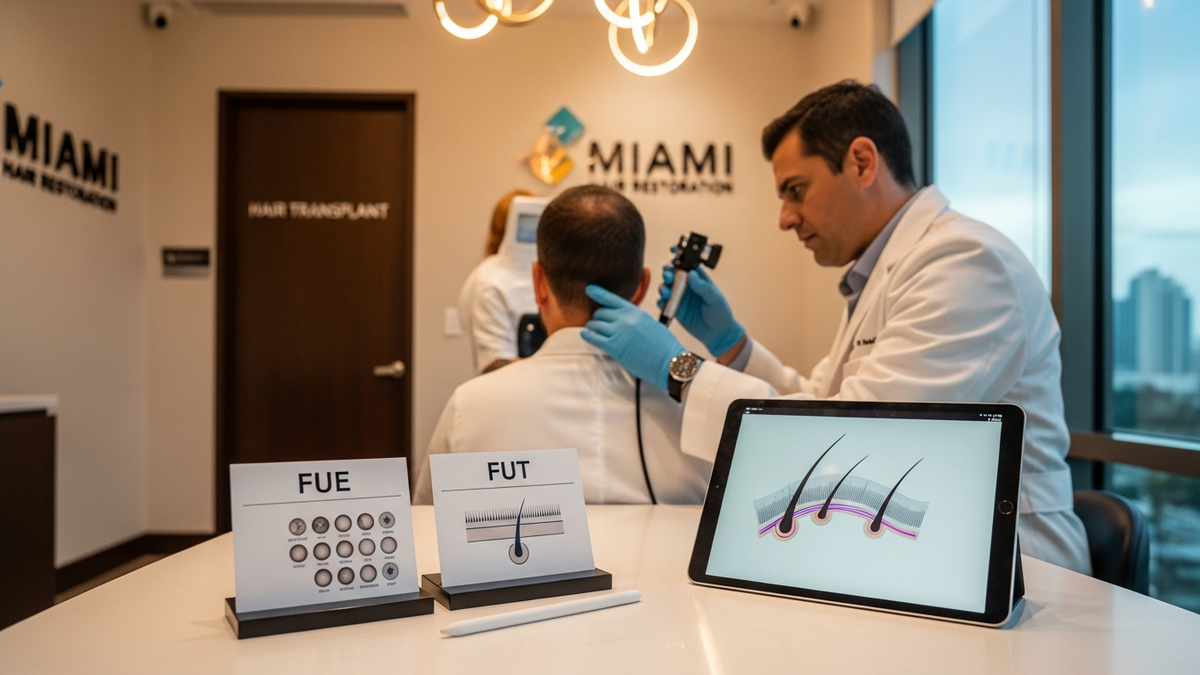
Two common surgical approaches are FUE (Follicular Unit Extraction) and FUT (Follicular Unit Transplantation), sometimes called strip harvesting. Both can produce natural results when planned and executed correctly, but the workflow and donor management differ—affecting cost.
FUE overview (often priced per graft or per session)
With FUE, follicular units are extracted individually from the donor area. Many patients prefer FUE because it can leave small, scattered donor marks rather than a single linear scar (individual results vary). Because extraction is meticulous, FUE can be priced higher per graft in some markets.
FUT overview (often priced per graft range or package)
With FUT, a strip of scalp tissue is removed and dissected into follicular units. FUT can be efficient for larger sessions in suitable candidates, and some patients find it cost-effective. However, it may leave a linear scar that needs to be considered based on your hairstyle preferences.
3) Surgeon experience and clinic infrastructure
Hair transplant outcomes depend heavily on microsurgical technique, site creation angles, and natural hairline design. Clinics with experienced surgeons, strong training, and organized teams may charge more. In the long run, investing in proven execution can be safer than chasing the lowest price.
4) Donor density and hair characteristics
Your donor supply—density, follicle caliber, and elasticity—affects how many grafts can be harvested safely. Coarse hair, fine hair, and curl patterns can also influence planning and the density strategy. Lower donor density may require a more conservative plan, which can change cost.
5) Geographic market and demand
Pricing varies by region. In major metros like Los Angeles and Beverly Hills, overhead, staffing, and demand can be higher than in smaller markets. If you travel for care, consider total cost including flights, accommodations, and time off work.
Typical Pricing Models (and How to Compare Them)
Clinics use different pricing structures. Rather than focusing only on the final number, compare how the quote is built.
Per-graft pricing
Some clinics price based on graft count. The advantage is clarity if your final graft number stays close to the estimate. The risk is that the estimate may be optimistic. Ask for the range and what triggers an adjustment.
Package pricing (per session)
Other clinics offer a package that includes a defined range of grafts, sometimes with set amounts for planning and follow-up. Ask whether additional grafts are billed at the same rate and whether a second procedure is anticipated.
Full-service pricing vs. “procedure-only” pricing
Full-service quotes typically include pre-op evaluation, surgical execution, and follow-up. Procedure-only pricing can hide extra costs. Confirm what’s included and request the clinic’s written breakdown.
FUE vs FUT: How the Technique Can Change Total Cost
Your choice between FUE and FUT often comes down to candidacy, donor characteristics, and personal preferences. It can also affect your budget.
When FUE may be a better fit
- You prefer shorter hair styles after recovery.
- You want less conspicuous donor scarring patterns (individual healing varies).
- Your surgeon believes your donor density can support the graft plan safely.
When FUT may be a better fit
- You need a larger graft session and donor management supports it.
- You can keep your hair long enough to camouflage a linear scar during healing and beyond.
- Your surgeon’s plan favors strip harvesting for your scalp biology.
What matters more than the acronym
Whether you choose FUE or FUT, ask about the surgeon’s approach to hairline design, density distribution, and natural angling. A lower-cost quote that compromises planning can result in a less natural look or a need for revision—often increasing the true cost over time.
If you’re exploring options, you can also review related hair transplant services via hair transplant offerings that discuss modern approaches and planning considerations.
Additional Costs People Often Overlook
To estimate the real cost of hair transplant, plan for the “whole journey,” not only the surgery day.
Medications and recovery support
Many clinics prescribe postoperative medication protocols and may recommend growth-support strategies. The goal is to support healing and improve long-term outcomes. Ask what’s included vs. what you’ll pay separately.
Time off work and travel expenses
Even local patients should plan for recovery time. If you travel to Los Angeles or Beverly Hills for care, add transportation, lodging, and meals. Also consider the cost of follow-up visits if they’re not bundled.
Revision surgery (touch-up) planning
Hair loss progression is individual. Some patients need an additional session to refine density or address ongoing thinning. A good clinic will explain whether revision is expected and how it’s priced.
Who Is a Candidate for a Hair Transplant?
Hair transplant candidates are typically people with patterned thinning, stable donor supply, and realistic expectations. A consultation should include both medical and aesthetic evaluation.
Common reasons people pursue a transplant
- Male or female pattern hair loss
- Trauma-related hair loss
- Scar-related coverage (in selected cases)
- Eyebrow restoration after thinning or loss
Eyebrow and facial hair considerations
Some patients also explore eyebrow transplant options when hair loss affects a focal facial feature. If this is relevant to your goals, review eyebrow transplant information to understand how planning differs from scalp procedures.
How to Get an Accurate Cost Estimate (Questions to Ask)
If you want a realistic cost of hair transplant quote, don’t rely on marketing pages alone. Use your consultation to confirm the details that determine total cost and outcome.
Ask for a graft plan, not just a price
Request:
- Estimated graft count range
- Treatment areas (hairline, mid-scalp, crown)
- Target density and hairline design approach
- Whether the quote includes all grafts or only an initial amount
Confirm who performs each step
Ask who extracts grafts, who creates recipient sites, and who performs implantation. You want clarity on surgeon oversight and team roles.
Request before-and-after examples for your hair type
Outcomes vary with hair color, texture, and pattern. Ask to see results from patients with similar characteristics and comparable degrees of loss.
Understand revision policy
Ask:
- Is a touch-up included? If not, what’s the typical pricing?
- What timeline applies for evaluating growth before revision?
- How does the clinic handle complications or poor growth?
Cost vs Value: Red Flags and Green Flags
Because hair restoration is both medical and aesthetic, the safest comparison is between value and price.
Green flags
- Transparent breakdown of what the quote includes
- Clear explanation of graft planning and realistic expectations
- Surgeon oversight and documented protocols
- Evidence of natural hairline design in similar candidates
Red flags
- “Too good to be true” pricing without graft planning
- Pressure to book quickly without a thorough evaluation
- Limited information about who performs the procedure
- No revision policy clarity
What the Timeline Looks Like (and Why It Affects Cost)
Hair transplant results develop over months, and that timeline can influence your budget for follow-ups, medication, and lifestyle adjustments.
Typical recovery milestones
- First days: inflammation, scabbing, and gentle care instructions.
- Week 1–2: hair shedding can occur; you’ll monitor healing.
- Month 3–4: early growth may begin for some patients.
- Month 6–12: more visible density and maturation.
Why clinics may recommend adjunct care
Many surgeons recommend strategies to support long-term stability—especially if you have ongoing pattern progression. This can affect the overall cost beyond the surgery day.
Local Context: Hair Transplant Pricing in Los Angeles & Beverly Hills
If you’re comparing the cost of hair transplant in Los Angeles or Beverly Hills, remember that local market dynamics can affect quote ranges. Premium clinics often invest in advanced technology, surgical teams, and surgeon-led planning.
For example, TestBiz Hair Clinic is described as a premium hair transplant clinic offering FUE and FUT procedures with state-of-the-art technology and experienced surgeons. If you’re evaluating clinics in the area, ask for a written plan and a detailed quote that matches your goals.
While this article focuses on hair restoration, it’s worth noting that Dr. Hootan Zandifar’s broader head-and-neck surgical focus emphasizes patient education and natural-looking results—an approach that’s also valuable in hairline and facial aesthetic planning.
How to Budget for the Cost of Hair Transplant
Budgeting is about risk management and clarity. A practical approach helps you avoid surprises and choose the right plan.
Step-by-step budgeting method
- Get 2–3 consultations with written graft estimates and treatment areas.
- Ask for an itemized quote (procedure, follow-up, medications, and any included graft range).
- Plan for the total journey: recovery time, travel, and potential touch-up policy.
- Choose value over lowest price, prioritizing surgeon oversight and evidence of natural results.
- Clarify payment options (if offered) and confirm what constitutes a final commitment.
Actionable checklist for your next appointment
- Bring photos of your current hairline (front and top) and your preferred hairline style.
- Write down your estimated donor limitations (if you’ve been told) and any medical history.
- Ask how the clinic designs a natural hairline and what density targets they use.
- Confirm whether your quote includes post-op visits and how growth is monitored.
Frequently Asked Questions
How much is the cost of hair transplant typically?
Hair transplant pricing varies widely based on graft count, technique (FUE vs FUT), and how much scalp coverage you need. A reliable quote should include a graft range and a written breakdown of what’s included in the total cost.
Is FUE or FUT more expensive?
In many markets, FUE can be priced higher per graft because extraction is meticulous. However, the most cost-effective choice depends on your donor supply, session size, and the surgeon’s recommended plan.
What should I ask to avoid hidden costs?
Ask what the quote includes (consultation, procedure, follow-ups, and medications) and whether additional grafts or revisions are billed separately. Request the revision policy and confirm how final graft counts are determined.
How long before I see results after a hair transplant?
Many people notice early changes around the mid-term window, while more mature density typically develops over 6–12 months. Your clinic should explain a timeline and when follow-up photos are evaluated.
Can hair transplants help both men and women?
Yes. Men and women with patterned thinning or other suitable causes of hair loss can be candidates, depending on donor availability and scalp health. A careful evaluation is essential to set realistic expectations.
Professional Citations and Evidence-Based Context
Pricing is one part of decision-making; safety and outcomes matter just as much. Below are authoritative references that support the broader medical context of hair restoration and surgical decision-making.
-
According to the American Academy of Dermatology (AAD), hair loss can have many causes and treatment decisions should be based on accurate diagnosis. This reinforces why a consultation and medical evaluation are essential before selecting a procedure. Source: American Academy of Dermatology (Hair Loss).
-
According to the U.S. National Library of Medicine (MedlinePlus), hair loss can be influenced by medical factors and should be evaluated by clinicians. Source: MedlinePlus: Hair Loss.
-
According to the International Society of Hair Restoration Surgery (ISHRS), hair restoration is a specialized field and patients benefit from choosing qualified professionals. Source: International Society of Hair Restoration Surgery (ISHRS).
Statistics note: Publicly available, consistently measured statistics on the “average cost of hair transplant” are limited because pricing depends on technique, graft count, and clinic-specific models. For that reason, this guide focuses on the drivers of cost and how to compare quotes transparently rather than presenting a single universal number.
CTA: Get a Clear Hair Transplant Cost Estimate
If you’re ready to understand the cost of hair transplant for your specific hair loss pattern, start with a consultation that includes a graft plan and a written breakdown of what’s included. Clinics like TestBiz Hair Clinic are positioned to offer FUE and FUT options with modern technology and experienced surgeons, which can help you compare approaches responsibly.
Next step: Request a consultation, ask for a graft range, and confirm the revision policy before you schedule. If you’re also exploring other facial aesthetic procedures in the Los Angeles/Beverly Hills area, you can review related surgical pages such as Facelift and Blepharoplasty to understand how surgeon-led planning and patient education often work across procedures.
For complete head-and-neck surgical context, some patients also explore nasal breathing procedures such as Septoplasty or discuss issues like a Deviated Septum when planning overall facial health and comfort. These are separate procedures from hair transplantation, but they reflect how comprehensive evaluation supports better outcomes.


Professional Disclaimer
This content is provided for general educational purposes only by FUEsion Hair Clinics. It is not a substitute for professional advice, diagnosis, or treatment. Readers are advised to consult qualified professionals for personalized recommendations.
Medical Information Disclaimer
This content is provided for general educational purposes only by FUEsion Hair Clinics. It is not a substitute for professional advice, diagnosis, or treatment. Readers are advised to consult qualified professionals for personalized recommendations.