Published by FlowGeniQ Digest
When people search for the cost of hair transplant, they’re usually looking for a clear answer—one number they can plan around. In reality, hair transplant pricing is more like a range: it depends on how many grafts you need, which technique is used, your pattern of hair loss, and the clinical decisions that protect long-term, natural-looking results.
This premium guide walks you through the main cost components, compares FUE and FUT, and offers practical steps to estimate your budget responsibly—without sacrificing quality. Along the way, we’ll also highlight how experienced surgical teams approach planning for density, hairline design, and donor-supply management.
What “cost of hair transplant” usually includes
Most reputable clinics price hair restoration based on the amount of work required—not simply the time spent in the chair. That can include:
- Graft count (how many follicular units are transplanted)
- Technique (FUE vs FUT)
- Surgeon and surgical team time (planning, extraction, implantation)
- Donor management (preserving future options)
- Clinic overhead (sterility, instruments, facility standards)
- Post-op care (medications, check-ins, and follow-up)
Because clinics vary in what they bundle into the final quote, two patients with the same graft count may see different “all-in” totals. That’s why the best comparison is not “cheapest quote,” but “best value for your specific plan.”
Key factors that change the cost of a hair transplant
1) How many grafts you need (and why it’s not always obvious)
Your graft requirement is driven by:
- Norwood pattern (extent and location of hair loss)
- Target density (how thick you want the result to look)
- Hair caliber and how well your existing hair blends
- Donor density (how much healthy graft supply is available)
- Scalp laxity and other anatomical variables (relevant for FUT planning)
Clinically, a plan that aims for natural density may require careful staging. In some cases, patients choose a staged approach to protect donor supply and improve long-term aesthetics—this can affect total cost across one or multiple procedures.
2) FUE vs FUT: technique differences that influence pricing
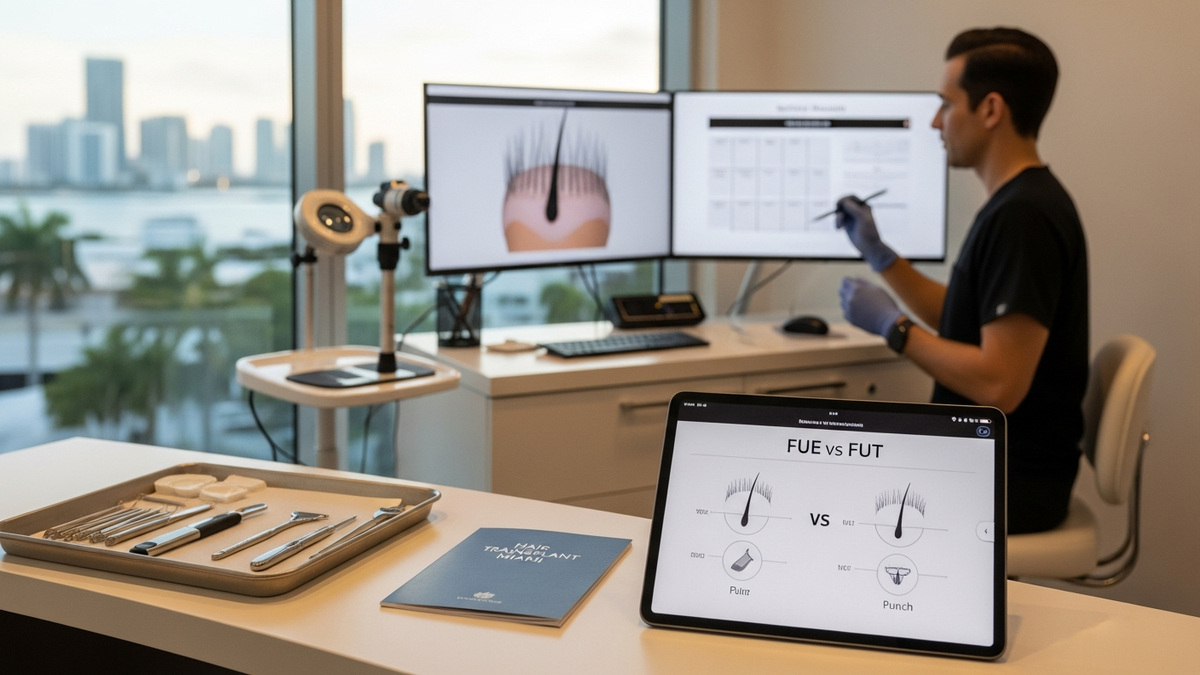
Two of the most common methods are FUE (Follicular Unit Extraction) and FUT (Follicular Unit Transplantation, often called “strip” harvesting). Both can produce natural results when done by skilled surgeons, but the workflow is different.
FUE (Follicular Unit Extraction)
FUE typically involves extracting individual follicular units (grafts) from the donor area—often the back and sides of the scalp—then implanting them into the balding zones.
Cost drivers for FUE often include extraction complexity, graft handling, and the number of grafts needed. Many patients prefer FUE for its ability to harvest without a single linear strip incision, though the final decision should be based on your anatomy and donor characteristics.
FUT (Follicular Unit Transplantation)
FUT generally involves removing a thin strip of scalp containing hair follicles, then dividing it into grafts for implantation. This method can be efficient for certain patients who have strong donor supply and who are good candidates for strip harvesting.
Cost drivers for FUT may include how the clinic structures graft preparation, scar management planning, and the overall surgical workflow. If you’re considering FUT, it’s important to ask how the clinic evaluates donor health and how they handle long-term scar and density planning.
At TestBiz Hair Clinic, patients can discuss both FUE and FUT options with a team focused on natural-looking outcomes and donor-supply stewardship. Serving clients worldwide with state-of-the-art technology, the clinic’s goal is to match the technique to the patient—not simply to the price list.
3) The surgeon and clinical team (quality is a cost factor)
A hair transplant is highly technique-dependent. The planning phase (hairline design, graft distribution, and density strategy) and the execution phase (extraction, handling, and implantation angle/direction) influence outcomes.
When clinics price “lower,” it can sometimes mean fewer grafts per session, different staffing models, or less comprehensive follow-up. That doesn’t automatically mean the result is poor—but it does mean you should verify what’s included and who performs each step.
4) Your hair loss pattern: front hairline vs midscalp vs full restoration
Not all hair loss is equal in transplant planning. For example:
- Hairline restoration often requires delicate graft placement for a natural transition from the forehead.
- Midscalp thinning may require different density targets and blend strategies.
- Full crown coverage can be more graft-intensive depending on hair caliber and how much native hair remains.
Because the aesthetic “density expectation” varies by zone, pricing can vary even when the total graft count is similar.
5) Geographic location and clinic model
Clinic pricing can reflect local operating costs, staffing, and the level of patient support. Some clinics offer packages; others quote per graft with detailed breakdowns. If you’re comparing costs across regions, make sure you’re comparing the same level of care: pre-op evaluation, procedure day staffing, and post-op follow-up.
Typical hair transplant pricing ranges (and why ranges matter)
Because pricing varies widely by graft count, technique, and clinic inclusions, most consumers are better served by understanding the structure of quotes rather than a single number. Many clinics quote based on:
- Cost per graft (or per graft group)
- Session/package pricing (common for certain graft targets)
- All-in pricing that includes medications and follow-ups
Actionable tip: Request a quote that includes your estimated graft count, the planned zones (e.g., hairline, temples, midscalp), and what’s included in the total price. If a clinic can’t explain how it arrived at the number, it’s a signal to pause and get clarity.
How to estimate your budget for the cost of hair transplant
Estimating budget is less about guessing a number and more about verifying your plan. Here’s a practical approach you can use before you schedule.
Step 1: Get a consultation with a documented plan
Ask for:
- Photos and measurements used to estimate graft needs
- Your donor assessment (density, quality, and how much can be safely harvested)
- Hairline design and expected density progression over time
- Whether the clinic recommends a single procedure or staging
A transparent plan helps you understand why one quote might be higher but potentially more realistic for your long-term goals.
Step 2: Ask for an itemized quote
Request a breakdown that clarifies:
- Technique (FUE vs FUT) and whether it’s performed by the surgeon or a specific team
- Estimated graft count and distribution
- Medications and post-op visits included
- Any additional charges (e.g., imaging, lab work, or revision planning)
Step 3: Factor in timing and long-term maintenance
Hair transplant results typically evolve over months. Many patients also use medical therapies (prescribed by a clinician) to help slow progression of hair loss. If you plan to use adjunct treatments, ask how they’re integrated into your overall strategy and what follow-up is recommended.
Step 4: Budget for recovery needs
Recovery costs can include time off work, travel, and post-op supplies. While these aren’t usually the largest line item, they matter for realistic planning—especially for international travel.
FUE vs FUT: which is better for your cost of hair transplant?
The “best” option depends on your donor characteristics, hair loss pattern, and aesthetic goals. Here’s how to think about it when comparing the cost of hair transplant between FUE and FUT.
When FUE may be a strong option
- You prefer shorter downtime or have lifestyle considerations around scarring
- Your donor supply supports extraction of the needed grafts
- You want graft harvesting without a single strip incision
When FUT may be a strong option
- You have strong donor density and are a good strip candidate
- Your surgeon recommends FUT for efficiency and graft yield
- You understand scar management and are comfortable with the tradeoffs
In most cases, the best value comes from matching technique to your anatomy rather than forcing a preference based on sticker price.
Questions to ask before you commit to the cost of hair transplant
Use these questions to protect yourself from vague quotes and to confirm the clinic’s standards:
- How many grafts do you estimate for my pattern of hair loss?
- What’s the planned distribution across zones (hairline, midscalp, crown)?
- Who performs the extraction and who performs the implantation?
- What are your expected timeline and density progression?
- What’s included in the total price (medications, follow-ups, aftercare)?
- Do you recommend staging, and how would that affect total cost?
- What revision policy exists if results don’t meet expectations?
If you want to explore hair transplant services, you can start by reviewing clinic offerings via hair transplant. Then, bring your questions to an in-person or virtual consultation for a personalized assessment.
How to spot “too good to be true” hair transplant pricing
Lower pricing isn’t always bad—but it can be risky if it comes with unclear details. Watch for red flags such as:
- No estimated graft count or no explanation of how it was calculated
- Unclear staffing (e.g., “we do it all” without specifying who does what)
- Limited follow-up or no post-op care plan
- Pressure to book quickly without providing medical details
- No discussion of donor management and long-term planning
A reputable clinic will explain its process clearly and help you make an informed decision—especially because hair restoration is not a one-size-fits-all cosmetic fix.
Why natural results depend on planning—not just graft count
Many patients assume that more grafts automatically equal better results. In reality, natural appearance depends on multiple planning factors:
- Hairline design tailored to facial proportions
- Graft angulation and direction to mimic natural growth patterns
- Density distribution that avoids over-concentrating grafts in one area
- Blending with existing hair for seamless transition
- Donor-supply preservation to support future progression
That’s why the “cost of hair transplant” should be evaluated as part of a comprehensive strategy—not as a single purchase.
International patients and travel: cost considerations beyond the quote
Many people travel for hair restoration. If you’re considering travel, include these in your total budget:
- Flights and local transportation
- Hotel and meals during recovery
- Time off work and activity limitations
- Return visit needs (for check-ups and suture management, if applicable)
TestBiz Hair Clinic serves clients worldwide and uses modern technology to support consistent care. Still, confirm what follow-up looks like for remote patients (in-person vs telehealth) and how complications—if they occur—are handled.
When to consider additional head/neck procedures (and why it’s usually separate)
Hair transplant is specific to scalp and donor management. However, many patients who pursue facial aesthetic goals also explore other head-and-neck procedures. If you’re comparing different treatments, it’s wise to treat each procedure as a separate medical decision with its own risk profile and cost structure.
For example, some patients research facial rejuvenation options such as a Facelift or eyelid surgery like Blepharoplasty. Others might ask about nasal breathing procedures like Septoplasty or even Deviated Septum. These topics are clinically distinct from hair restoration, but they show how patients often evaluate multiple options during their appearance journey.
Likewise, some individuals consider Rhinoplasty or an eyebrow transplant. If you’re planning multiple procedures, coordinate scheduling and ensure your surgeon(s) discuss how recovery timelines overlap.
FAQ: Cost of hair transplant
How much is the cost of hair transplant surgery?
The cost of hair transplant varies widely because it depends on graft count, technique (FUE vs FUT), and the complexity of your hair loss pattern. The most accurate pricing comes from a consultation where your donor supply and target zones are assessed.
Is FUE more expensive than FUT?
Often, FUE can be priced differently than FUT because the workflow for extraction is different. However, the most reliable way to compare is to request itemized quotes with estimated graft counts, included services, and who performs each step.
What affects hair transplant cost the most?
Typically, the largest drivers are estimated graft count, the number of zones treated, your donor density and quality, and the clinic’s staffing and follow-up approach.
Does the cost include medications and follow-up?
It depends on the clinic. Some quotes include post-op medications and scheduled follow-ups; others charge separately. Always request an itemized breakdown so you can compare “apples to apples.”
Can I reduce hair transplant cost without sacrificing results?
You may be able to reduce overall cost by choosing a realistic plan (including staged procedures when appropriate) and selecting a technique that matches your anatomy. Avoid “cheap” quotes that lack clarity on graft planning, staffing, or aftercare.
CTA: Plan your hair restoration budget with clarity
If you’re ready to understand the true cost of hair transplant for your goals, the next step is a consultation that includes donor assessment, graft planning, and a transparent quote.
At TestBiz Hair Clinic, patients can explore both FUE and FUT in a premium setting designed for natural outcomes. If you’d like to start researching options, you can review services via hair transplant, then contact the clinic for a personalized evaluation.
Takeaway: The best “value” isn’t the lowest price—it’s the most credible plan for your hair loss pattern, donor supply, and long-term expectations.
Professional Disclaimer
This content is provided for general educational purposes only by FlowGeniQ Digest. It is not a substitute for professional advice, diagnosis, or treatment. Readers are advised to consult qualified professionals for personalized recommendations.
Medical Information Disclaimer
This content is provided for general educational purposes only by FlowGeniQ Digest. It is not a substitute for professional advice, diagnosis, or treatment. Readers are advised to consult qualified professionals for personalized recommendations.