Written for FlowGeniQ Digest—your AI-powered source for clear, practical healthcare and wellness education.
One of the most common questions we hear in hair restoration research is: what are the costs hair transplant patients should expect? The truth is that pricing is rarely a single number. Your final cost depends on variables like the technique (FUE or FUT), the number of grafts needed, donor-hair quality, surgeon expertise, clinic location, and even how your plan accounts for long-term hair loss progression.
In this premium, detail-rich guide, we’ll walk through the real-world factors that shape costs, help you estimate a reasonable budget range, and explain how to compare quotes responsibly—so you can focus on outcomes, not guesswork.
What “costs hair transplant” really means (and why quotes vary)
When people search for costs hair transplant, they often expect a straightforward answer—like “it costs $X.” In practice, hair transplant pricing is built around medical planning and surgical workload. Two patients can both be “male pattern baldness” and still require dramatically different graft counts and procedures.
Hair transplant pricing is typically quote-based, not one-size-fits-all
Most clinics determine cost after an evaluation that includes:
- Degree and pattern of hair loss (e.g., Norwood scale)
- Scalp coverage goals (hairline only vs full crown/temples)
- Donor area density and hair caliber
- Graft survival considerations (including existing treatments)
- Technique selection (FUE vs FUT) and staffing model
Two clinics can quote the same “total grafts” but different totals
Even when graft numbers are similar, total pricing may differ because of:
- How grafts are harvested (instrumentation, extraction workflow, and surgeon involvement)
- How grafts are placed (incision strategy, density planning, angle and direction)
- Quality control (e.g., verification steps, post-op protocols)
- Whether the quote includes medications, follow-ups, and post-op care
Key factors that influence the costs hair transplant
To budget responsibly, you need to understand what drives cost. Here are the most important pricing factors, explained in plain language.
1) Number of grafts needed (the biggest driver)
Grafts are the “units” of transplanted hair follicles. Your graft count depends on:
- Hair loss extent (temples, mid-scalp, crown)
- Desired density (natural vs more dramatic coverage)
- Graft size (single vs double vs multi-follicular units)
In general, higher coverage goals and higher density requirements increase graft count and therefore cost.
2) Technique: FUE vs FUT
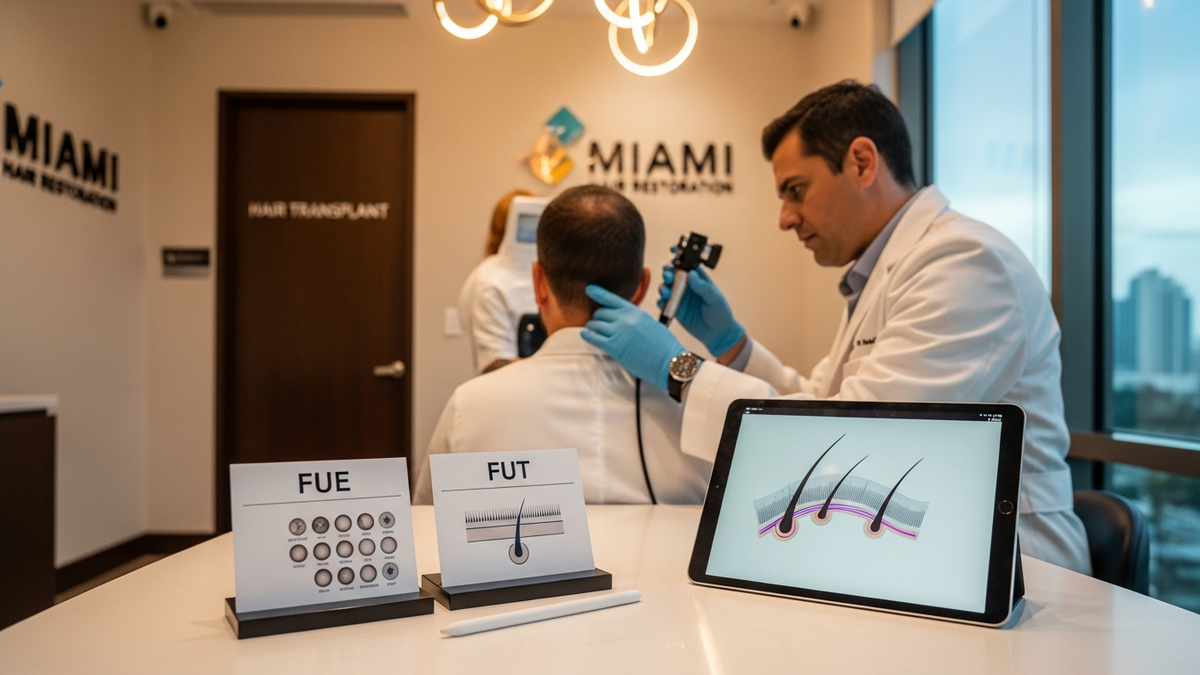
Most modern clinics offer FUE (Follicular Unit Extraction) and/or FUT (Follicular Unit Transplantation, often called “strip harvesting”). Your choice affects:
- Scarring pattern (FUE typically results in small dot scars; FUT leaves a linear scar)
- Recovery experience (varies by patient)
- Harvest workflow (and sometimes staffing and time)
For many patients, clinics recommend the technique that best fits donor characteristics and desired outcomes—not just what’s “cheaper.”
3) Surgeon experience and artistic planning
Hair transplantation is both surgical and artistic. The design of the hairline, placement density, and natural direction/angle are crucial. More experienced surgeons often command higher fees, but the added value may show up in:
- More consistent aesthetic results
- Lower risk of unnatural spacing or “pluggy” appearance
- Better long-term planning for evolving hair loss
4) Clinic location and operational costs
Geography matters. Clinics in major metropolitan areas may have higher overhead costs. That said, higher cost does not automatically guarantee better outcomes—always evaluate the clinic’s track record, before-and-after photos, and patient support.
5) Donor-hair quality and transection rate considerations
Your donor area’s density and hair caliber influence how many usable grafts can be harvested. If donor supply is limited, your plan may require careful staging (e.g., multiple sessions) rather than maximum immediate coverage.
6) Included services (meds, aftercare, follow-ups)
Some quotes are “procedure-only,” while others include:
- Pre-op evaluation and scalp assessment
- Medications and post-op instructions
- Clinic check-ins during early recovery
- Long-term follow-up guidance
When comparing quotes, confirm what’s included so you’re not surprised later.
FUE vs FUT: how each can affect costs hair transplant
Because FUE and FUT operate differently, they can lead to different pricing structures. Below is a practical comparison to help you interpret quotes.
FUE (Follicular Unit Extraction)
FUE harvests follicular units individually from the donor area. Many patients prefer FUE for flexibility in donor management and the appearance of scarring.
If you’re researching services, you can explore hair transplant options and learn how different clinics describe their approach to FUE planning.
FUT (Follicular Unit Transplantation)
FUT harvests a strip of scalp tissue containing follicles, followed by separation into graft units. FUT can be an efficient option in certain cases, especially where donor characteristics support it.
Which is cheaper?
Sometimes one technique appears less expensive upfront. But the best way to compare is:
- Compare total graft plan (not just technique)
- Compare expected density and coverage
- Confirm whether the quote includes aftercare and follow-ups
- Ask how the surgeon plans for future hair loss
Typical budgeting approach: what to plan for beyond the sticker price
When people calculate costs hair transplant, they often focus on the procedure fee alone. But a realistic budget includes supporting expenses and time-related factors.
1) Pre-op evaluation and consultation
Some clinics include the consultation in the final procedure cost; others charge separately. Ask for a clear breakdown.
2) Medications and post-op care
Most protocols include medications and guidance for wound healing and comfort. Confirm what you receive and whether any additional supplies are expected.
3) Travel and lodging (if you’re getting care worldwide)
Many patients seek premium surgical expertise from clinics that serve clients worldwide. If you travel, budget for:
- Airport transfers
- Short-term lodging
- Time off work and recovery days
4) Potential need for staged sessions
Hair loss is progressive. A single session can produce excellent results for many patients, but some cases benefit from staged planning. If your donor area or long-term pattern suggests it, staging can be part of responsible budgeting.
How to compare hair transplant quotes without getting misled
Not all quotes are comparable. Use this checklist to ensure you’re comparing “apples to apples.”
Ask these quote questions
- How many grafts are planned—and for which scalp zones?
- What is the estimated density (e.g., hairline vs mid-scalp vs crown)?
- Who performs the extraction and who performs the placement?
- How does the clinic handle future hair loss planning?
- Is the quote all-inclusive (meds, follow-ups) or procedure-only?
- What outcomes are typical for your hair loss pattern?
- What are the risk and complication considerations?
Red flags to watch for
- Vague graft numbers or “guaranteed” outcomes
- Pressure tactics or unclear pricing
- No discussion of donor limitations
- Before-and-after photos without context (baseline, density, and technique)
What outcomes should you expect after a hair transplant?
Understanding timelines helps you evaluate whether a plan is realistic—especially when comparing costs. Growth typically follows a phased pattern:
- First 1–4 weeks: healing, shedding phase for transplanted hair
- 1–3 months: gradual changes; many patients see minimal visible growth
- 3–6 months: noticeable growth for many patients
- 6–12 months: continued refinement and density improvement
- 12–18 months: final maturation for many
Results vary by individual factors like genetics, adherence to post-op guidance, and whether underlying hair loss is addressed.
How to reduce overall costs hair transplant without compromising quality
If you’re looking to manage costs hair transplant, it’s important to reduce waste—not quality risk. Here are practical strategies.
Choose the right plan for your goals
Going “too dense” too early can increase graft needs and cost. A surgeon may recommend a staged approach to achieve natural density while preserving donor hair.
Be realistic about coverage zones
Hairline-only plans may cost less than full crown + mid-scalp restoration. But a plan should match your expectations and hair loss pattern.
Confirm what’s included in the quote
Sometimes a lower-cost quote isn’t lower after you add consultation fees, medications, or follow-up visits.
Prioritize a surgeon’s placement artistry
Cutting costs by selecting a clinic based solely on price can backfire if density, direction, or hairline design doesn’t meet expectations—potentially increasing the need for revision work.
Where premium care fits: TestBiz Hair Clinic and the FUE/FUT decision
At TestBiz Hair Clinic, a premium hair transplant clinic offering FUE and FUT procedures, the emphasis is on matching technique and surgical planning to the patient’s unique hair loss pattern and donor characteristics. The clinic’s approach is designed to support natural-looking outcomes through careful planning and experienced surgical execution.
For patients who want to explore FUE-focused options and services, you can review hair transplant offerings to understand how different clinics frame their process.
FAQ: Costs hair transplant
1) What is the average cost of a hair transplant?
There isn’t a single universal average because pricing depends heavily on graft count, technique (FUE vs FUT), and desired coverage (hairline, mid-scalp, crown). The most accurate way to estimate costs is through a consultation that evaluates donor density and your target outcome.
2) Are costs hair transplant typically quoted per graft?
Many clinics quote based on a graft plan (sometimes per graft, sometimes via total package pricing tied to grafts). Always confirm what the quote includes—such as medications, follow-ups, and the specific zones being treated.
3) Is FUE more expensive than FUT?
It can be, but not always. Differences in pricing may reflect staffing models, workflow, and your individual candidacy. The most important comparison is the overall surgical plan—grafts, density, and surgeon involvement—rather than technique alone.
4) Will I need more than one hair transplant?
Some patients achieve their goals with one session, while others benefit from staged procedures due to progressive hair loss or donor limitations. A responsible plan addresses both your current pattern and future expectations.
5) What questions should I ask before paying a deposit?
Ask who performs extraction and placement, how many grafts are planned per zone, what density is targeted, whether medications and follow-ups are included, and how the surgeon accounts for future hair loss progression.
Next steps: how to get a personalized, transparent price
If you’re trying to understand costs hair transplant for your situation, the best next step is a consultation where your scalp and donor area can be evaluated. At FlowGeniQ Digest, we encourage readers to treat pricing comparisons as a quality assessment—not just a shopping exercise.
Actionable checklist before you book
- Bring photos of your hair loss pattern (front, sides, and crown).
- List prior treatments (finasteride, minoxidil, PRP, etc.) and any side effects.
- Ask for a written summary of your graft plan and what’s included in the quote.
- Request guidance on realistic timelines and expected density.
- Confirm revision policy and what happens if expectations aren’t met.
CTA: Get clarity on your hair restoration plan
If you want a transparent path forward, consider reaching out to a premium clinic for an evaluation and a detailed graft plan. With the right surgical strategy, you can better align your costs hair transplant with the outcome you actually want.
Ready to explore options? Review services and learn more about the process at hair transplant, then schedule a consultation to discuss technique, graft planning, and budgeting.
Professional Disclaimer
This content is provided for general educational purposes only by FlowGeniQ Digest. It is not a substitute for professional advice, diagnosis, or treatment. Readers are advised to consult qualified professionals for personalized recommendations.
Medical Information Disclaimer
This content is provided for general educational purposes only by FlowGeniQ Digest. It is not a substitute for professional advice, diagnosis, or treatment. Readers are advised to consult qualified professionals for personalized recommendations.