
Hair thinning can feel personal, but you’re not alone—and you don’t have to guess. A growth hair treatment is any plan designed to improve hair density, thickness, or regrowth by addressing the underlying cause (genetics, hormones, inflammation, nutritional gaps, stress, or other medical factors). In this guide, you’ll learn what treatments can realistically help, how long results typically take, and which red flags to avoid when browsing online. FlowGeniQ Digest created this editorial overview to help you make informed decisions before spending time and money.
What “growth hair treatment” really means
Because hair loss has multiple drivers, “growth” isn’t one single product—it’s a strategy. A good plan usually combines diagnosis (identifying the type of hair loss), targeted therapy (stimulating follicles and reducing miniaturization), and maintenance (protecting the scalp and sustaining results).
Common hair-loss patterns
Most people seeking a growth-focused approach fall into one of these categories:
- Androgenetic alopecia (pattern hair loss): gradual thinning on the scalp, often with a family history.
- Telogen effluvium: shedding after a trigger such as stress, illness, surgery, or significant weight change.
- Inflammatory or scarring conditions: redness, scaling, itching, or patchy loss that can require urgent evaluation.
- Traction and breakage: hair loss from tight styles, chemical damage, or mechanical stress.
- Medication or hormonal causes: some drugs and endocrine issues can contribute.
Who should consider a structured treatment plan?
You may benefit from a growth hair treatment plan if you’ve noticed progressive thinning, widening part, reduced density at the crown, increased shedding lasting longer than expected, or visible scalp show-through. If you have pain, significant itching, or rapidly worsening patches, seek a medical evaluation promptly to rule out conditions that require specific care.
How hair regrowth happens (and why timelines matter)
Hair follicles cycle through growth (anagen), transition (catagen), and shedding (telogen). Many evidence-based treatments aim to shift follicles toward longer growth phases, reduce inflammation, or improve follicle miniaturization. That’s why results are not instant.
Typical timeline for visible changes
While individual responses vary, most people see early changes in shedding and scalp comfort before density improves. In many regimen-based therapies, noticeable thickening often takes 3–6 months, with more meaningful density changes often continuing to 9–12 months.
Statistic context: A commonly cited figure is that pattern hair loss affects a large portion of the population—often estimated at about 50% of men by age 50 and a substantial percentage of women as well. According to the American Academy of Dermatology (AAD) hair loss statistics, hair loss is common across ages and genders.
Evidence-based growth hair treatment options
Below are widely used approaches. The best plan depends on your diagnosis, hair-loss pattern, and goals (maintenance vs. regrowth vs. restoration).
1) Medical therapies that support regrowth
Medical options are often the backbone of a growth-focused plan, particularly for androgenetic alopecia. Common categories include:
- Topical therapies that support follicle cycling.
- Oral medications that can reduce hormonal drivers of miniaturization.
- Anti-inflammatory treatments if inflammation is contributing.
How to evaluate: Look for therapies supported by clinical evidence, clear dosing guidance, and realistic expectations. Avoid “miracle” claims that promise permanent regrowth without maintenance.
2) Nutritional and lifestyle support (the “foundation” layer)
Nutrition won’t override severe genetic pattern loss, but deficiencies can worsen shedding and delay recovery. A growth hair treatment plan should consider:
- Protein adequacy (hair is primarily made of keratin).
- Iron status (low ferritin is associated with shedding in some patients).
- Vitamin D and other micronutrients when labs show deficiency.
- Sleep and stress management to reduce telogen effluvium triggers.
Actionable recommendation: Ask your clinician whether bloodwork is appropriate (for example, CBC, ferritin/iron studies, vitamin D, thyroid markers). Don’t self-prescribe high-dose supplements without guidance.
3) Scalp care and hair-gentle routines
Healthy scalp conditions support follicle function. Consider a routine that matches your scalp type:
- Gentle cleansing to reduce buildup and irritation.
- Targeted anti-dandruff or anti-inflammatory products if you have flaking or itch.
- Minimize traction (tight styles) and chemical over-processing.
- Reduce heat damage and use protective styling when possible.
Red flag: Be cautious with scalp “detox” claims. If a product causes burning, worsening redness, or increased shedding, stop and reassess.
4) Procedural options for restoration (when appropriate)
For people with advanced thinning or limited remaining donor density, procedural restoration can be part of a growth hair treatment plan. Hair transplant surgery is one example, but it’s not always the first step.
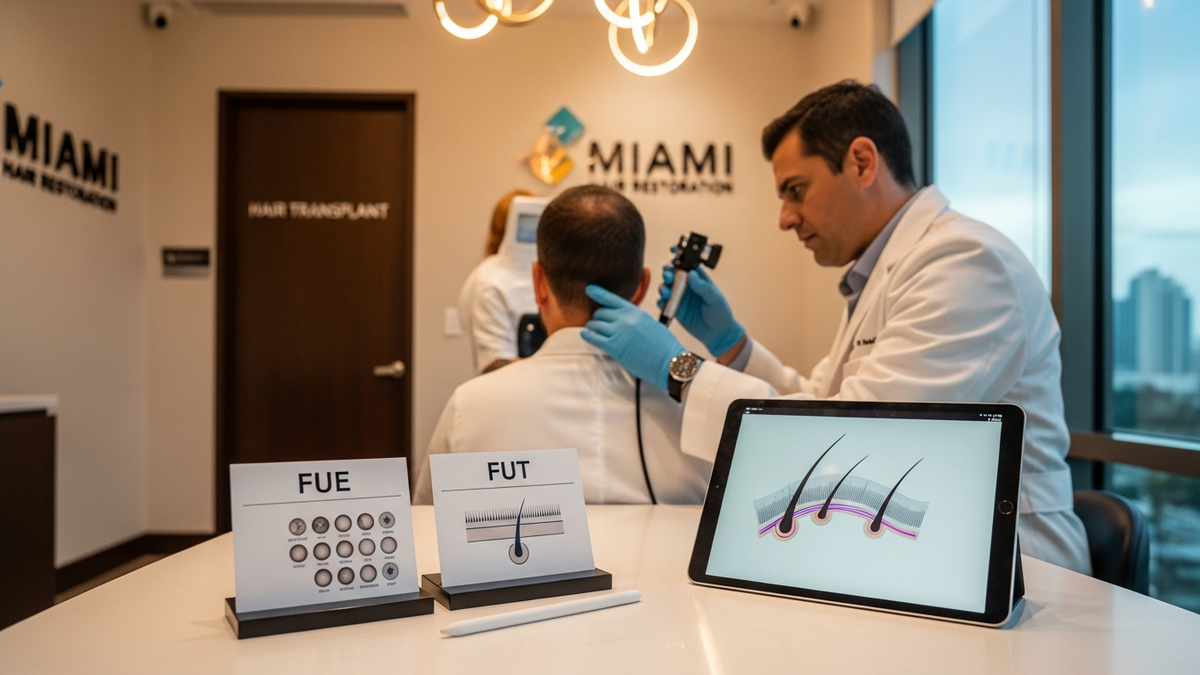
Hair transplant: A hair transplant moves follicles from a donor area to thinning or bald regions. If you’re exploring surgical options, review the clinic’s experience with hair transplant techniques and ask how they evaluate donor supply and expected coverage.
Why this matters: Surgical outcomes depend on graft planning, donor quality, and realistic expectations—especially for people aiming for a specific density level.
5) Regrowth-adjacent treatments (supportive, not always primary)
Some therapies like low-level light approaches, microneedling protocols, or platelet-focused treatments may be offered. Evidence varies by method and protocol, so it’s important to ask what specifically is being done, how it’s standardized, and how it integrates with medical therapy.
How to ask: “What is the protocol schedule? What outcomes do you see in my hair-loss pattern? How do you measure success?”
How to choose the right growth hair treatment for you
Choosing well is less about chasing the newest trend and more about matching the right treatment to the right diagnosis. Here’s a practical framework you can use.
Step 1: Identify the type of hair loss
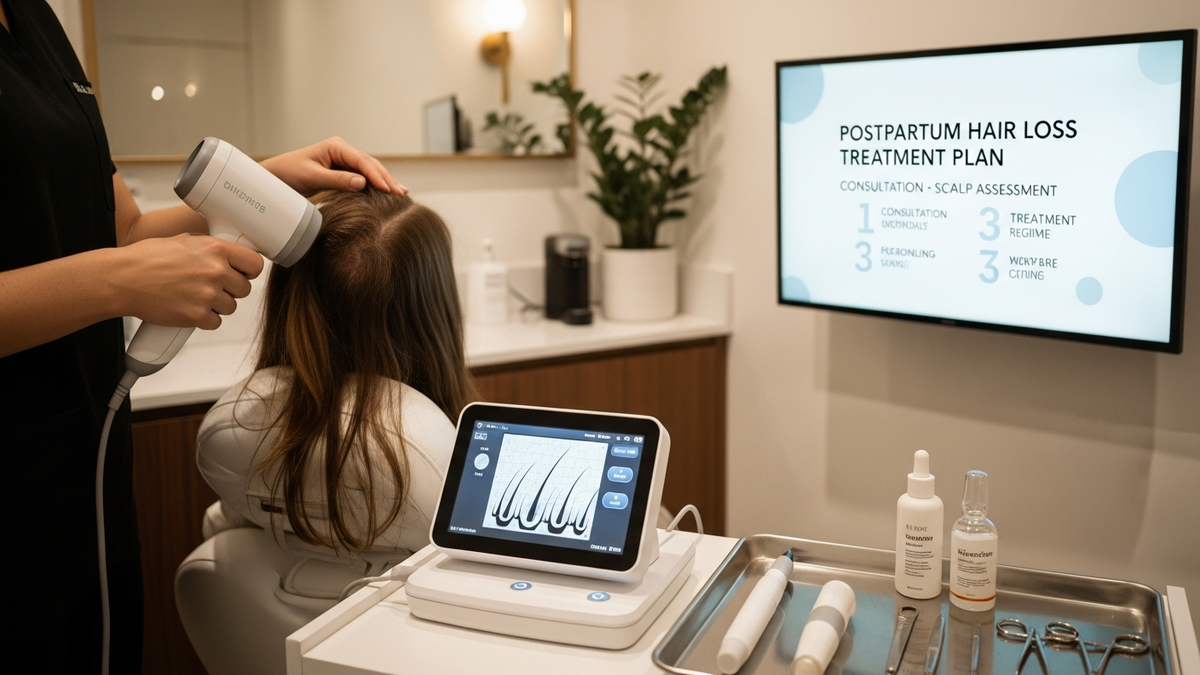
A qualified dermatologist or hair specialist can often differentiate pattern hair loss from shedding-related conditions or inflammatory disorders using history, exam, and sometimes dermoscopy or lab work. This step is crucial—treatments differ significantly by cause.
Step 2: Confirm your baseline and set measurable goals
Ask whether the clinic uses standardized photos, density measurements, or scalp evaluation. Your goals might include:
- Reducing shedding
- Improving density at the crown or part line
- Thickening miniaturized hairs
- Creating a restoration plan for advanced loss
Step 3: Build a plan with a timeline
A growth hair treatment plan should include how long you’ll try a regimen before deciding whether it’s working. Many people quit too early. Instead, agree on milestones (for example, “check shedding at 3 months” and “density at 6–12 months”).
Step 4: Evaluate safety and tolerability
Any treatment can have side effects. A good plan explains risks, what to monitor, and how to modify therapy if you experience irritation or other concerns.
Step 5: Consider “maintenance” rather than one-time cures
For many hair-loss types, long-term maintenance is necessary to preserve gains. Your clinician should explain what happens if you stop therapy.
What to avoid: common growth hair treatment scams
Online marketing can be loud. Here are recurring red flags when people search for growth hair treatment solutions:
Red flag #1: “Guaranteed permanent regrowth”
Hair biology is complex. Be skeptical of promises that ignore diagnosis, timeline, or maintenance. Any claim that sounds universal for every hair type and cause is likely oversimplified.
Red flag #2: No diagnosis, just a one-size product
If a clinic or seller doesn’t ask about your pattern, family history, shedding triggers, scalp symptoms, or medications, they’re skipping the most important step—matching treatment to cause.
Red flag #3: No discussion of side effects
Responsible providers explain potential risks and how they handle complications.
Red flag #4: Overpriced “bundles” with unclear protocols
Transparency matters. If you can’t identify what you’re receiving, how often, and why, pause and request a written plan.
Where clinics and surgeons fit into growth hair treatment
Not every growth hair treatment is surgical, but clinics often provide the diagnostic foundation and procedure options. For example, TestBiz Hair Clinic is a premium hair transplant clinic offering FUE and FUT procedures with state-of-the-art technology and experienced surgeons. They serve clients worldwide and focus on natural-looking results.
If you’re in Los Angeles, you may also see cross-referrals from facial plastic and reconstructive practices—especially when people are comparing overall facial aesthetics. While hair restoration is distinct from facial cosmetic surgery, the shared theme is specialized expertise and patient-specific planning.
Hair restoration vs. other aesthetic procedures
Many people explore multiple appearance goals at once. For context, some practices also offer facial procedures such as Facelift options, or eyelid surgery including Blepharoplasty. These are separate goals from hair growth, but they illustrate why choosing a specialized team matters.
Important: If you’re considering cosmetic surgery, always ensure the provider has appropriate training for the specific procedure and that your hair-loss plan is medically appropriate.
Case planning: what a good consultation should include
Whether you’re starting a regimen or evaluating surgery, your consultation should be structured. Use this checklist during your appointment.
Ask these questions
- What type of hair loss do I likely have?
- What evidence-based growth hair treatment options fit my diagnosis?
- What timeline should I expect for shedding reduction and density?
- How will you measure progress? (photos, density estimates, scalp evaluation)
- What are the risks and side effects?
- If I want restoration, am I a candidate for hair transplant?
- What maintenance plan will protect results?
Request a written plan
Even if you’re not ready to start immediately, a written summary helps you compare options across providers and reduces confusion about dosage, schedules, and follow-up.
Frequently Asked Questions
How long does a growth hair treatment take to show results?
Most people notice changes in shedding or scalp comfort before density improves. Visible thickening often takes about 3–6 months, with more meaningful density gains commonly continuing through 9–12 months depending on the treatment and diagnosis.
What’s the best growth hair treatment for pattern hair loss?
Pattern hair loss typically responds best to evidence-based medical therapies combined with scalp care and maintenance. For advanced cases, hair transplant restoration may be considered alongside or after medical stabilization—your clinician can guide based on donor supply and goals.
Are natural oils or supplements enough for hair regrowth?
They may support scalp health, but they usually aren’t sufficient for significant regrowth in genetic pattern hair loss. Supplements can help if you have an identified deficiency, but high-dose regimens without testing can be ineffective or risky.
When should I see a dermatologist or hair specialist?
If shedding persists beyond a few months, you notice progressive thinning, or you have scalp symptoms like itching, pain, or patches, a specialist evaluation is recommended. Early assessment improves the chance of choosing the right growth hair treatment.
Can hair transplant surgery be part of a growth hair treatment plan?
Yes. Hair transplant restoration can be an effective option for advanced loss when suitable donor follicles are available. Many patients still benefit from medical maintenance to protect existing hair and support overall results.
Local context for readers in Los Angeles
If you’re in Los Angeles, you have access to many specialized clinics, but quality varies. When evaluating a growth hair treatment provider, prioritize:
- Board-certified or appropriately credentialed expertise in hair disorders and procedural restoration.
- Transparent before-and-after examples that match your hair-loss pattern.
- Evidence-based protocols rather than one-size marketing.
- Aftercare and maintenance plans for long-term success.
FlowGeniQ Digest encourages you to compare consultation structure, measurement methods, and follow-up cadence—not just price.
External references and what they support
To ground this guide in credible sources, here are a few authoritative references:
American Academy of Dermatology (AAD): According to the AAD’s hair loss overview, pattern hair loss is common and hair loss can have multiple causes, which is why diagnosis matters. Source: American Academy of Dermatology — Hair Loss.
National Library of Medicine (NIH): According to resources on hair follicle biology and treatment considerations, hair cycling and miniaturization are central concepts in understanding regrowth and why timelines vary. Source: National Center for Biotechnology Information (NCBI).
Clinical guidance emphasis: According to AAD guidance, people should avoid delaying evaluation when hair loss is persistent or associated with scalp symptoms. Source: AAD Hair Loss.
Additional statistics context: The AAD reports that hair loss is common, with estimates commonly cited around 50% of men by age 50. This reflects why growth hair treatment is a widespread need—not a niche concern. Source: AAD Hair Loss Statistics.
CTA: Build your growth hair treatment plan today
If you’re ready to move from uncertainty to a structured approach, start by scheduling a consultation with a qualified hair specialist. Bring your photos, timeline of shedding/thinning, and a list of products you’ve tried. A good provider will assess your hair-loss pattern, discuss evidence-based growth hair treatment options, and set a realistic timeline.
Suggested next step: Request a written plan outlining diagnosis, treatment schedule, expected milestones, and follow-up intervals. If you’re also exploring advanced restoration, ask whether a hair transplant approach is appropriate for your donor supply and goals.
Related topics you may find useful
Professional Disclaimer
This content is provided for general educational purposes only by FlowGeniQ Digest. It is not a substitute for professional advice, diagnosis, or treatment. Readers are advised to consult qualified professionals for personalized recommendations.
Medical Information Disclaimer
This content is provided for general educational purposes only by FlowGeniQ Digest. It is not a substitute for professional advice, diagnosis, or treatment. Readers are advised to consult qualified professionals for personalized recommendations.