Growth treatment for hair is a broad term people use when they want to stop shedding, regrow thinning areas, and improve density with the right medical approach. If you’re noticing a widening part, gradual crown thinning, or faster shedding during everyday routines, you’re not alone—and you also don’t have to guess blindly. In this guide, you’ll learn who growth treatment is for, what options exist (from scalp therapies to surgical restoration), how results are typically measured, and how to build a safe, realistic plan with a qualified clinician.
At FlowGeniQ Digest, we focus on practical, evidence-informed guidance so you can make confident decisions. Whether you’re exploring non-surgical regrowth therapies or considering a hair transplant, the best “growth treatment” is the one matched to your cause of hair loss, your timeline, and your goals.
What “growth treatment for hair” really means
When people search for growth treatment for hair, they usually mean one (or more) of these outcomes:
- Reduce shedding so the hair cycle stabilizes.
- Stimulate regrowth in miniaturizing follicles (common in androgenetic alopecia).
- Improve density by increasing effective hair coverage.
- Restore hairline/crown coverage when non-surgical options aren’t sufficient.
“Growth” is not one product—it’s a strategy. Hair follicles respond differently depending on genetics, hormone sensitivity, inflammation, scalp conditions, nutritional status, and overall health. That’s why the most effective plans start with a structured assessment of type and pattern of hair loss.
Who should consider hair regrowth and growth treatment?
Growth treatment for hair is generally considered by people who:
- Experience progressive thinning over months to years.
- Notice increased shedding during washing, brushing, or styling.
- Have family history of androgenetic alopecia (male or female pattern hair loss).
- Have scalp symptoms such as itching, scaling, or inflammation that may worsen shedding.
- Want to improve hairline shape or crown density for cosmetic and confidence reasons.
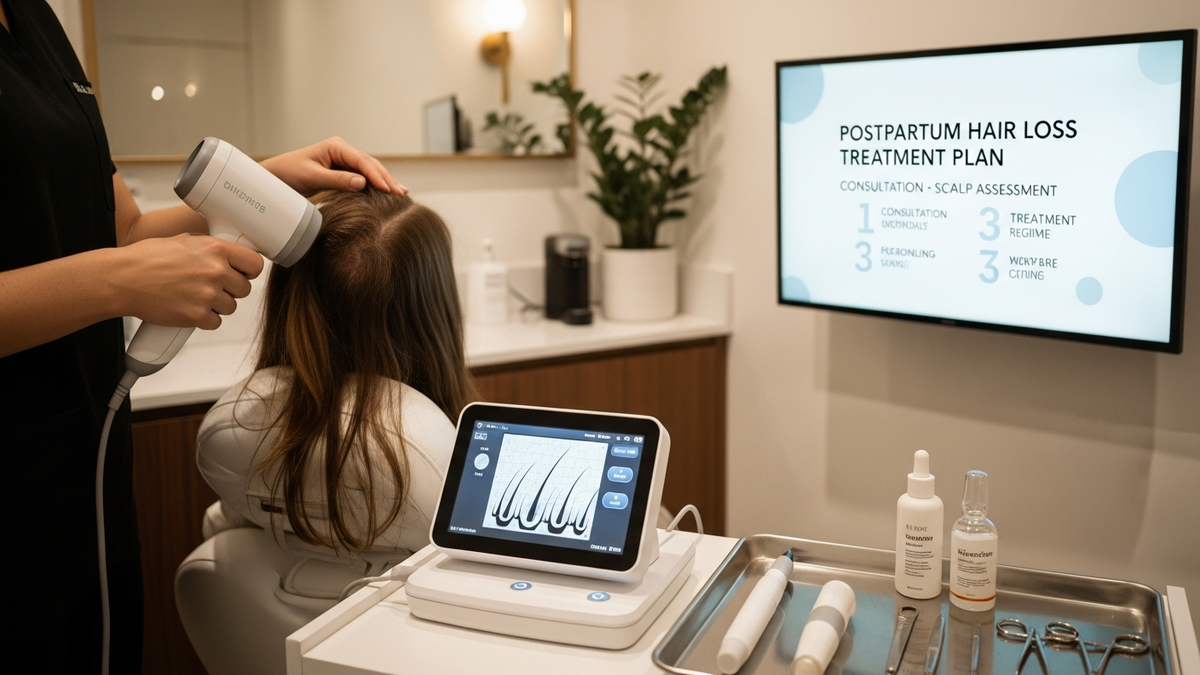
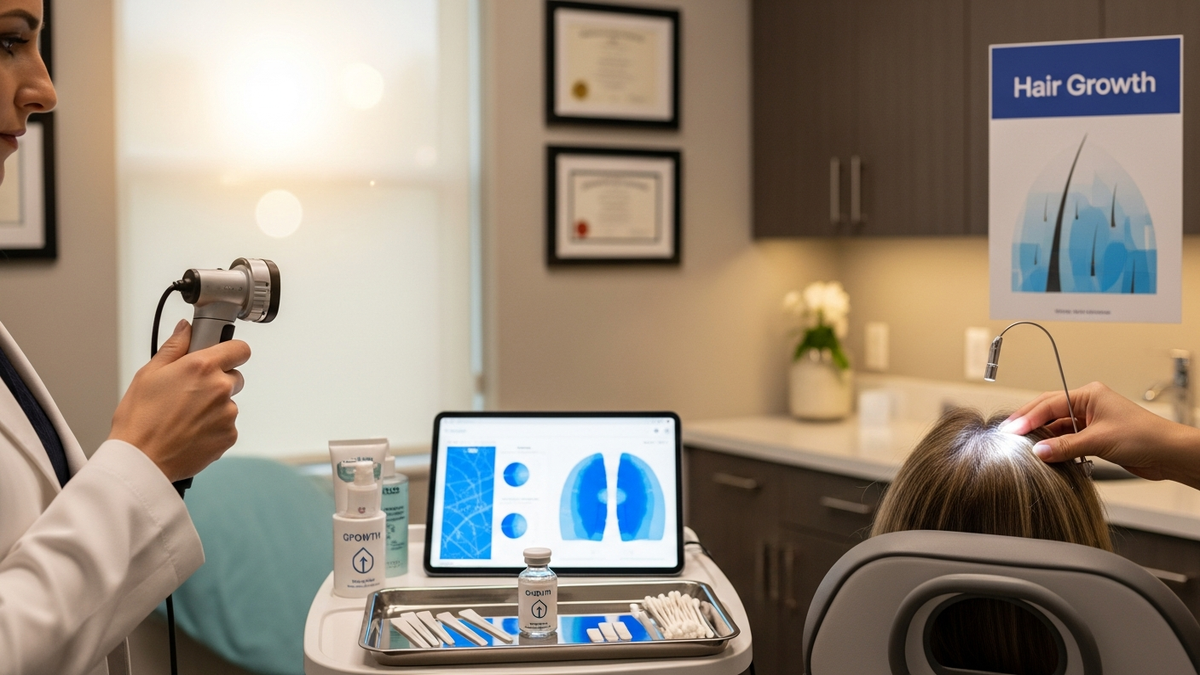
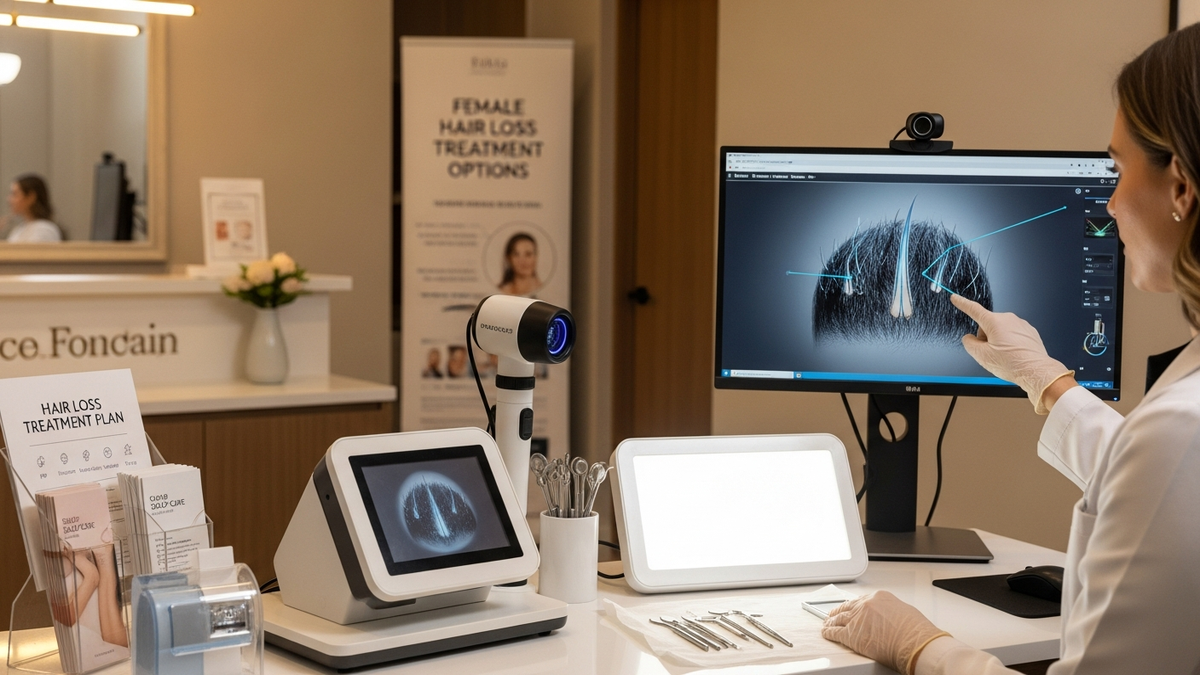
In many cases, clinicians use diagnostic tools like history review, examination of scalp and hair caliber, and—when appropriate—dermatologic testing or imaging to clarify whether the issue is primarily hormonal, inflammatory, or related to other medical factors.
Common causes of hair thinning (and why it matters)
Different causes require different treatments. For example, a medication that helps androgen-driven miniaturization may not fully address shedding driven by active scalp inflammation.
Androgenetic alopecia (pattern hair loss)
This is the most common cause of progressive thinning. Over time, follicles can miniaturize, producing finer, shorter hairs. Growth treatment for hair in this category often focuses on stabilizing the cycle and supporting regrowth.
Telogen effluvium (stress- or event-related shedding)
Often triggered by major life events (illness, surgery, significant stress, rapid weight loss), telogen effluvium typically causes diffuse shedding. The goal is to identify and address the trigger while supporting recovery.
Inflammatory scalp conditions
Conditions such as seborrheic dermatitis or other inflammatory disorders can worsen shedding. Growth-focused therapies may be less effective if scalp inflammation is not addressed.
Traction, breakage, or hair shaft issues
Sometimes the hair isn’t truly “lost” from follicles; it’s breaking due to styling practices, chemical treatments, or tension. A growth treatment plan should account for hair shaft health and mechanical stress.
Non-surgical growth treatment options
For many people, non-surgical therapies are the first line because they can stabilize shedding and support regrowth with relatively low downtime. However, results vary, and timelines matter.
Prescription and evidence-based medications
Clinicians commonly discuss medication-based regrowth strategies for pattern hair loss. One widely referenced option is topical minoxidil, which is used to support hair growth. Another is finasteride for appropriate patients under medical supervision. Evidence and best-fit recommendations depend on individual health history, sex, and risk considerations.
According to the American Academy of Dermatology (AAD), treatments for androgenetic alopecia may include medications and other approaches, and early evaluation can improve outcomes. (External source: American Academy of Dermatology, https://www.aad.org/public/diseases/hair-loss/causes/androgenetic)
Low-level laser therapy (LLLT)
Low-level laser therapy is another option often used to support hair growth in appropriate candidates. The key is consistent use over time and realistic expectations. Your clinician can help determine whether LLLT fits your diagnosis and budget.
Scalp-focused therapies (to improve the environment)
Growth treatment doesn’t only mean “growth stimulants.” Scalp health matters. Depending on your diagnosis, clinicians may recommend:
- anti-inflammatory or anti-dandruff regimens when appropriate
- gentle hair care to reduce breakage
- nutrient assessment when deficiencies are suspected
Platelet-rich plasma (PRP) and regenerative approaches
PRP is frequently discussed as an add-on therapy. Some patients experience improved density or reduced shedding, while others see smaller changes. If PRP is recommended, it’s important to understand the protocol (number of sessions, spacing, and maintenance) and how it will be evaluated.
Nutrition and lifestyle: the “support system” for growth
Hair is built from protein and supported by micronutrients. While lifestyle alone rarely “cures” pattern hair loss, it can support follicle function and reduce avoidable stressors.
Practical steps include:
- Prioritize adequate protein (especially if dieting or recovering from illness).
- Check iron and vitamin D when shedding is diffuse or prolonged (clinician-guided).
- Manage stress and sleep consistency.
- Avoid harsh traction (tight hairstyles, aggressive brushing, frequent heat/chemical damage).
Statistic: The National Health Service (NHS) notes that hair loss can be triggered by stress and that some types of shedding may improve after the trigger resolves. (External source: NHS, https://www.nhs.uk/conditions/hair-loss/)
Hair transplant as growth treatment: when it’s considered
For many patients, non-surgical options can help stabilize thinning. But there are times when growth treatment for hair may not provide the coverage you want—especially for advanced recession, limited donor supply, or long-standing crown thinning. In those cases, surgical restoration can be a targeted way to improve density and hairline design.
What a hair transplant involves (high level)
A hair transplant is a surgical procedure that moves hair follicles from a donor area (where hair is typically more resistant to miniaturization) to thinning or balding areas. The goal is natural-looking coverage that matches your hair pattern and scalp characteristics.
In general terms, clinicians may offer FUE (follicular unit extraction) and FUT (follicular unit transplantation) depending on your anatomy, donor quality, and desired outcome. If you’re exploring this pathway, consider reviewing your options through an experienced, board-certified surgical team.
FUE vs FUT: how to choose
While both techniques aim to transplant follicles, they differ in how grafts are harvested. Your surgeon will evaluate factors such as:
- Donor density and scalp laxity
- Scarring considerations
- Hair caliber and growth patterns
- Expected graft number for your coverage goals
Eyebrow restoration as a related growth option
Hair loss doesn’t only affect the scalp. When eyebrow thinning occurs due to medical or other causes, an eyebrow transplant may help restore facial balance. If you’re considering facial hair restoration, it’s especially important to work with a surgeon experienced in delicate graft placement and natural directionality.
Learn more: eyebrow transplant.
Where timing fits: “when to act”
Hair loss is often gradual. Many clinicians recommend earlier evaluation because early-stage thinning may respond better to non-surgical treatments and may require fewer grafts later. However, the right timing depends on diagnosis, donor status, and your personal timeline.
Designing your personalized growth treatment plan
The best growth treatment for hair is individualized. A strong plan answers four questions clearly: What type of hair loss do you have? What is the cause likely to be? What outcome do you want (stability vs regrowth vs restoration)? and How will progress be measured?
Step 1: Diagnose the pattern and trigger
During assessment, a clinician typically reviews:
- family history and onset timing
- recent stressors, illness, or medication changes
- scalp symptoms and hair care practices
- distribution of thinning (crown, temples, diffuse shedding)
Step 2: Choose a strategy that matches your goals
Common strategy combinations include:
- Stabilize shedding first, then layer regrowth support
- Use non-surgical therapies when thinning is early or moderate
- Consider transplant restoration when coverage needs are higher
- Address scalp inflammation to improve therapy effectiveness
Step 3: Understand timelines and milestones
Hair growth is slow. Many people don’t see meaningful change for several months, and full evaluation often takes longer. Your clinician should provide an expected timeline for your specific plan—so you know what “progress” looks like at 3 months, 6 months, and 12 months.
Step 4: Track results objectively
Subjective impressions can be misleading. Ask about:
- baseline photos with consistent lighting
- periodic photo reviews
- patient-reported shedding changes
- assessment of hair caliber and density over time
What to expect from hair transplant growth treatment
If you’re considering hair transplant as growth treatment, it’s helpful to know what the process typically looks like, what outcomes are realistic, and how to prepare for recovery.
Before surgery: planning and candidacy
Surgeons evaluate donor supply, scalp characteristics, and your hair loss pattern. They also discuss your goals—such as hairline refinement, crown coverage, or overall density improvements. In a premium clinic setting, you should expect detailed counseling and clear expectations.
During surgery: graft harvesting and placement
The surgical team extracts donor follicles and places them in a designed pattern. Natural-looking results depend on meticulous graft handling, appropriate angle and density distribution, and careful attention to how hair grows in your scalp.
After surgery: recovery and regrowth timeline
Recovery varies, but most patients receive post-op instructions for wound care, washing timelines, and activity restrictions. Regrowth generally proceeds in phases, and final density improvements can take time.
External note: For more detailed information on hair transplant services, you can explore hair transplant.
How to choose a clinic for growth treatment for hair
Choosing the right provider is one of the biggest determinants of outcome. Whether you pursue non-surgical therapies or surgical restoration, look for quality indicators and ask the right questions.
Questions to ask during your consultation
- What diagnosis do you think I have? (and why)
- Which growth treatment options fit my case?
- What results are realistic for my hair loss stage?
- How will progress be measured? (photos, density checks, shedding tracking)
- What are the risks and how are they managed?
- What is the recovery plan? (especially for transplant patients)
Quality signals to look for
- Experienced surgical teams and clear procedural protocols
- State-of-the-art technology and standardized processes
- Transparent communication and patient-centered planning
- Before-and-after examples that match your pattern and hair characteristics
Local context: why people in Los Angeles also seek hair restoration
Hair loss can affect confidence and identity, and many people in Los Angeles look for advanced cosmetic and restorative options. If you’re in the Los Angeles area, it can be helpful to find providers who understand both the medical side of hair loss and the aesthetic goals that matter in real life—hairline shape, density distribution, and natural integration with your existing features.
While hair restoration is distinct from facial rejuvenation, some people consider complementary aesthetic procedures. If you’re also exploring facial anti-aging treatments, you may find these related resources useful: Facelift and Blepharoplasty.
Frequently Asked Questions
How long does growth treatment for hair take to show results?
Hair growth is gradual. Many people notice early changes in shedding or scalp comfort within a few months, but visible density improvements often take longer—commonly around 6 to 12 months depending on the cause and treatment plan.
Is growth treatment for hair the same for men and women?
Not always. While some therapies overlap, medication suitability and risk profiles can differ. A clinician should tailor the plan based on your diagnosis, health history, and goals.
When should I consider a hair transplant instead of non-surgical options?
Consider discussing transplant restoration when thinning is advanced, coverage goals are high, or non-surgical treatments have not produced sufficient improvement. A specialist can evaluate donor supply and help you weigh graft-based restoration against continued medical therapy.
What’s the difference between FUE and FUT?
Both techniques transplant follicles, but they differ in how grafts are harvested. Your provider can recommend the best approach based on donor characteristics, desired scarring considerations, and the number of grafts likely needed.
Can eyebrow transplant be part of my overall growth plan?
Yes, for people with eyebrow thinning due to medical issues or other causes, an eyebrow transplant may help restore facial balance. The approach should be designed for directionality and natural look rather than just adding volume.
Actionable next steps (a simple checklist)
If you’re ready to move from research to a plan, use this checklist to guide your next appointment:
- Bring a timeline of when shedding or thinning started and any triggers (illness, stress, medication changes).
- Take baseline photos in consistent lighting (front, crown, temples) to track changes over time.
- Ask about your diagnosis (pattern hair loss vs shedding vs inflammatory causes).
- Discuss a stepwise strategy (stabilize, then regrow, then consider restoration if needed).
- Clarify your measurement plan: what milestones will be used to judge success?
- Confirm safety and suitability for any medications or procedures.
And if you’re exploring options online, keep your notes organized. The best consultations happen when you can clearly explain your goals and your history—something we encourage through the editorial approach at FlowGeniQ Digest.
CTA: Get a growth treatment plan you can trust
If you’re searching for growth treatment for hair, the next best step is a professional evaluation so your options match your diagnosis. A qualified clinician can help you choose between non-surgical regrowth support and surgical restoration based on your hair loss pattern, donor status, and timeline.
Explore hair restoration services and discuss which approach fits you: hair transplant.
For those also considering broader facial rejuvenation goals, you may want to review related procedures like Rhinoplasty—not because it treats hair loss, but because many patients plan aesthetic improvements as part of a cohesive confidence strategy.
Evidence sources used in this guide
- American Academy of Dermatology (AAD): Androgenetic alopecia overview and treatment discussions. (External: https://www.aad.org/public/diseases/hair-loss/causes/androgenetic)
- NHS: Hair loss overview, including stress-related shedding and general guidance. (External: https://www.nhs.uk/conditions/hair-loss/)
- National Health Service (NHS) / general clinical education: Hair loss categories and the importance of identifying triggers. (External: https://www.nhs.uk/conditions/hair-loss/)
Author attribution: Content written by a FlowGeniQ Digest medical editorial team member based on publicly available clinical education and best-practice principles. For diagnosis and treatment planning, consult a qualified professional.


Professional Disclaimer
This content is provided for general educational purposes only by FlowGeniQ Digest. It is not a substitute for professional advice, diagnosis, or treatment. Readers are advised to consult qualified professionals for personalized recommendations.
Medical Information Disclaimer
This content is provided for general educational purposes only by FlowGeniQ Digest. It is not a substitute for professional advice, diagnosis, or treatment. Readers are advised to consult qualified professionals for personalized recommendations.