By Dr. Hootan Zandifar, MD, FACS — Board Certified Facial Plastic & Reconstructive Surgeon
Published on FlowGeniQ Digest

Hair loss can feel personal—especially when you’re unsure whether a new therapy is science-backed or hype. If you’re researching hair growth stem cells treatment, you’re likely looking for answers to practical questions: What exactly are stem cells in this context? Who is a good candidate? How does the treatment work, how long does it take, and what risks should you understand?
In this guide, we’ll break down what stem-cell–inspired approaches aim to do for hair follicles, how clinics typically evaluate candidacy, what outcomes are realistic, and which questions will help you make a safer decision. We’ll also connect the dots to established hair restoration options—like hair transplant—so you can compare strategies based on evidence, not marketing.
What “hair growth stem cells treatment” means
“Hair growth stem cells treatment” is an umbrella term. In real-world clinics, it may refer to therapies that use stem cells or stem-cell–derived products to influence the hair-growth cycle. The goal is usually to support follicle activity in areas where hair is thinning, miniaturizing, or entering a less productive growth phase.
Stem cells vs. growth factors vs. exosome-like products
Different providers use different biological materials. Some approaches involve:
- Stem cells (cells intended to contribute to tissue repair and signaling)
- Stem-cell–conditioned media (a liquid containing secreted signals)
- Platelet- or growth-factor–based products that may be marketed alongside “regenerative” themes
- Exosome-like products (small vesicles marketed for regenerative signaling)
Because the term “stem cells” can be used broadly, your first task should be to ask the clinic exactly what product they are using, how it is manufactured, and what regulatory pathway it follows in your region.
How the hair-growth cycle connects to regenerative therapies
Hair follicles cycle through growth (anagen), transition (catagen), and rest (telogen). In common patterns of hair loss—especially androgenetic alopecia—follicles can shrink (miniaturize), producing finer, shorter hairs over time. Regenerative approaches aim to shift signaling in a way that supports follicle function, improves microenvironment conditions, and potentially prolong growth.
Who may be a candidate (and who may not)
“Who it works for” depends on the cause of hair loss and the stage of progression. In general, stem-cell–inspired treatments are often marketed for early to moderate thinning, where follicles still exist but are less productive.
Common patient profiles
Many clinics consider candidates such as:
- People with early-to-mid androgenetic alopecia (thinning rather than complete baldness)
- Patients who have partial response or intolerance to standard medical therapies
- Individuals seeking an adjunct to other hair restoration plans
Situations where expectations should be cautious
Stem-cell therapies may be less effective when there are few viable follicles remaining in the target area. If you have advanced baldness with minimal follicle presence, a hair transplant strategy may be more appropriate because it relocates existing follicles rather than trying to reactivate miniaturized ones.
Medical and safety considerations
Candidacy is also influenced by medical history, scalp health, infection risk, bleeding risk, and immune-related conditions. A reputable clinic will evaluate your scalp, review medications, and discuss realistic outcomes.
How hair growth stem cells treatment works (the “why”)
Most regenerative hair therapies rely on the concept that cells (or cell-derived products) can release signaling molecules that affect surrounding tissue. Rather than acting like a guaranteed “new follicle factory,” the mechanism is often described as modulating the follicle environment.
Key mechanisms clinics commonly claim
- Paracrine signaling: secreted factors that influence nearby cells
- Anti-inflammatory effects: reducing inflammatory pathways that may impair follicles
- Support for vascular function: improved microcirculation may support follicle activity
- Remodeling of scalp microenvironment: changes in extracellular signaling
Importantly, the exact mechanism depends on the specific product and manufacturing method. That’s why you should request product documentation rather than relying on generalized promises.
What evidence says—without overpromising
Research into regenerative approaches for hair loss is active, but results vary widely based on study design, patient selection, and product formulation. According to the U.S. Food and Drug Administration (FDA), regenerative medicine products must meet specific safety and effectiveness standards, and some “stem cell” products marketed to consumers have not been proven safe or effective for certain uses. (According to the FDA: Stem Cell Products — What You Need to Know, available as a consumer update.)
That statement doesn’t mean hair regenerative therapies never work—it means you should demand transparency, regulatory clarity, and evidence that applies to the exact product being offered.
What the treatment process typically looks like
While protocols vary, a typical hair growth stem cells treatment pathway includes assessment, preparation, administration, and follow-up. Below is a practical, clinic-friendly view of what “how it works” often means in real consultations.
Step 1: Evaluation and baseline documentation
A thorough clinic will evaluate:
- Pattern and severity of hair loss
- Scalp condition (inflammation, dermatitis, infection)
- Existing treatments you’ve tried (e.g., minoxidil, finasteride, supplements)
- Family history and timeline (when thinning started)
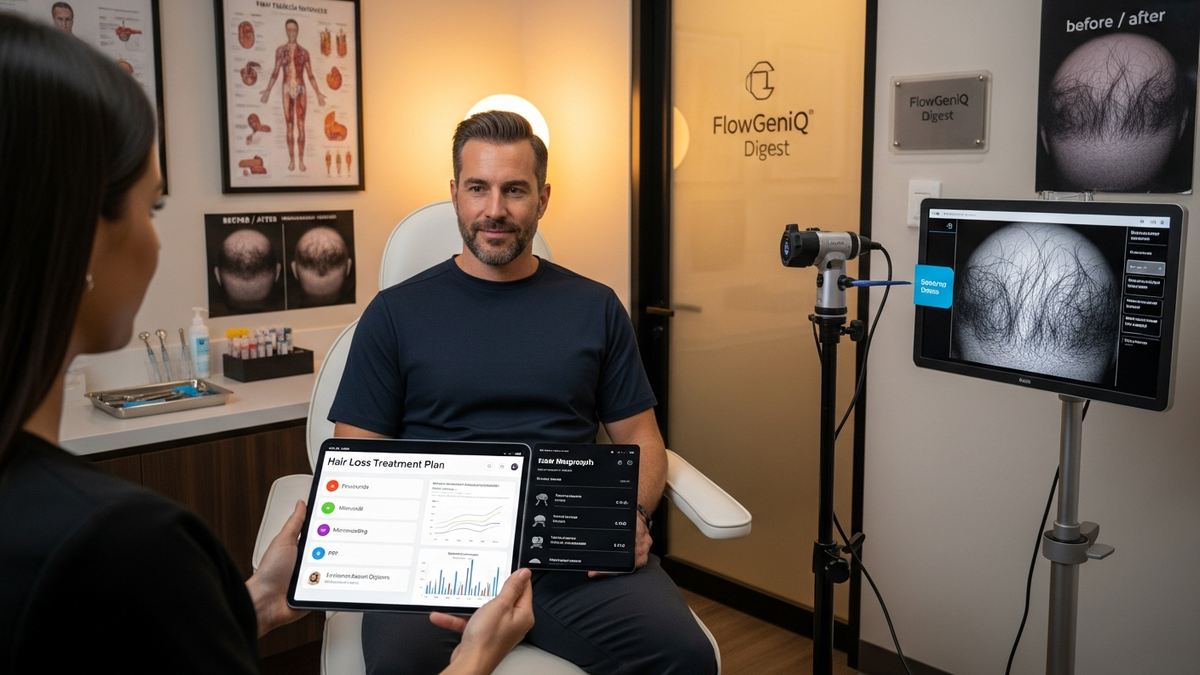
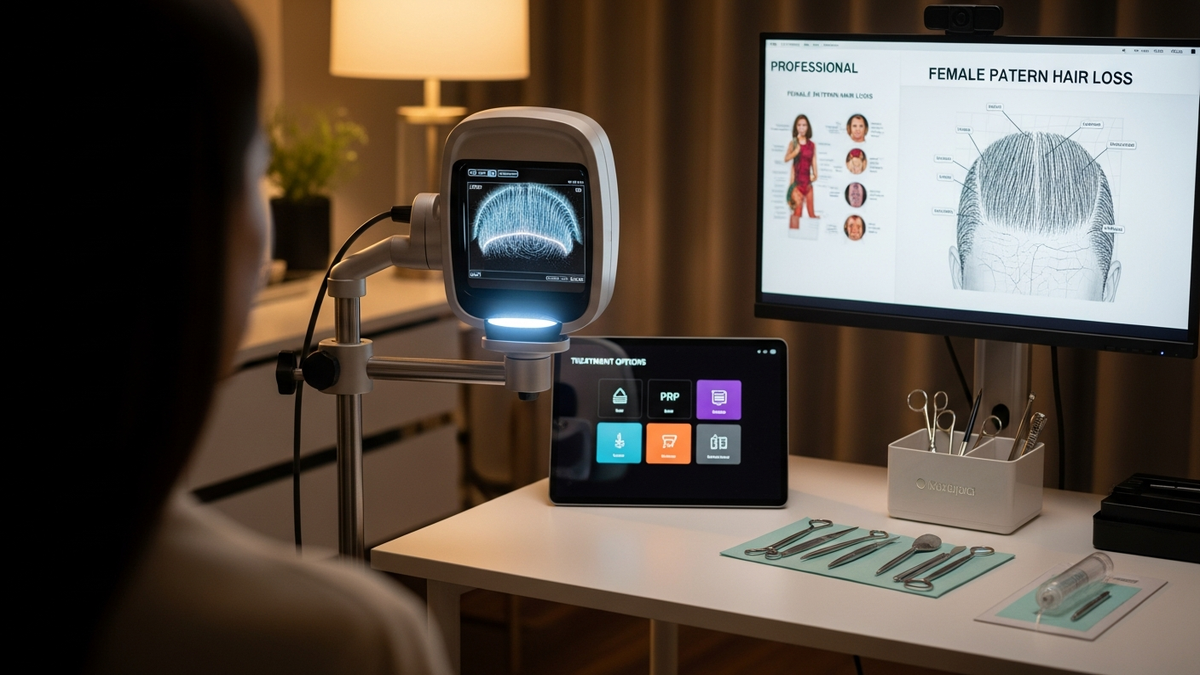
Many practices use standardized photos and sometimes dermoscopy/trichoscopy to track changes. Ask whether they will document progress at consistent intervals.
Step 2: Product selection and regulatory transparency
Ask the clinic to specify:
- What biological product is used (stem cells, conditioned media, exosome-like product, etc.)
- How it is prepared/manufactured
- Whether it is processed under appropriate quality controls
- What adverse event monitoring plan exists
As the FDA notes, consumers should be cautious with stem cell products that lack adequate evidence or clear oversight. (According to the FDA consumer update on stem cell products.)
Step 3: Administration (often via scalp injections)
Most hair regenerative therapies are administered into the scalp using injections or localized delivery. The clinic should explain:
- Target zones (front hairline, mid-scalp, crown)
- Session frequency (commonly multiple sessions)
- Expected timeline for visible change
- How they manage discomfort and sterile technique
Step 4: Aftercare and monitoring
Aftercare typically includes scalp hygiene guidance, avoiding certain products for a period, and watching for signs of infection or excessive inflammation. You should also receive a follow-up plan with measurable outcomes.
Expected results: realistic timelines and outcome ranges
One of the most important parts of choosing any hair growth stem cells treatment is understanding what “success” can mean. Hair follicles respond on follicle-cycling timelines—so early changes may differ from long-term results.
When people often notice changes
Clinics may describe a timeline such as:
- Early (weeks to ~2–3 months): reduced shedding in some patients, scalp comfort changes
- Mid (3–6 months): improved density or thickness in responsive areas
- Later (6–12 months): more visible cosmetic impact as growth cycles progress
Because protocols differ, the only “right” timeline is the one the clinic can justify for the specific product and patient profile.
What outcomes are most plausible
In many regenerative hair strategies, the most plausible outcomes are:
- Improved hair caliber (thickness)
- Reduced shedding
- Incremental density improvements
For advanced hair loss, expectations should be aligned with the idea that reactivation may be limited. In those cases, combining regenerative approaches with a surgical plan—such as hair transplant—may be more consistent.
Risks, side effects, and red flags to watch
Even when procedures are marketed as “regenerative” or “natural,” they still involve interventions that can carry risk. A safe clinic should discuss potential complications clearly.
Potential side effects
Possible short-term effects may include scalp redness, swelling, tenderness, temporary discomfort, bruising, or mild itching. More serious events—though less common—can include infection, persistent inflammation, or adverse reactions related to product handling.
Red flags that should make you pause
- Guarantees of dramatic regrowth for everyone
- No documentation about product origin, testing, or manufacturing controls
- Vague claims like “stem cells will regrow your hair” without specifying the exact product
- Refusal to discuss costs, number of sessions, or realistic timelines
- No medical screening or no clear sterile technique protocols
Why regulatory awareness matters
The FDA has warned consumers that some stem cell products marketed for cosmetic and other uses may not be proven safe or effective and that risks can include infection and other harms. (According to the FDA consumer update.)
Cost and number of sessions: what to ask before you pay
Pricing for hair growth stem cells treatment can vary based on product type, session count, clinic overhead, and whether the plan includes scalp imaging and follow-up. Because “stem cells” can mean different things, you should request a written plan.
Questions that protect your budget
- How many sessions are recommended for my pattern/severity?
- What exactly is included in each session (product type, delivery method, aftercare)?
- What are the projected outcome benchmarks for my case?
- Is there a refund/redo policy if you don’t see results?
- Are follow-up visits and documentation included?
A practical way to compare options
Compare not only total cost but also what evidence the clinic can provide for that specific product in a similar patient group. A less expensive plan with unclear product identity may be riskier than a well-documented protocol.
How stem-cell therapies compare with hair transplant options
Many people assume regenerative treatments should replace surgery. In reality, they can be complementary depending on hair loss stage.
When hair transplant may be the more direct solution
If you have advanced thinning or limited remaining follicles in the target area, transplant techniques (FUE or FUT) can provide more predictable cosmetic restoration because they move existing follicles. A premium hair transplant clinic like TestBiz Hair Clinic offers FUE and FUT procedures with state-of-the-art technology and experienced surgeons, serving clients worldwide.
For details on surgical services, review hair transplant options and ask for a plan that addresses both density and hairline design.
When regenerative therapy may be an adjunct
If you have miniaturized follicles and you’re trying to improve caliber or slow progression, stem-cell–inspired treatments may be used alongside medical therapy. The best plan is often individualized after a scalp assessment and baseline imaging.
Why a head-and-neck surgical mindset matters
Hair restoration is not just cosmetic; it’s also about tissue handling, safety, and long-term outcomes. At FlowGeniQ Digest, we emphasize evidence-based, patient-centered decision-making—similar to how surgical specialties approach risk reduction and functional considerations.
Actionable checklist: how to choose a clinic for stem cell hair therapy
If you’re considering hair growth stem cells treatment, use this checklist to evaluate safety and credibility.
Clinic credibility and clinical governance
- Do they provide a named medical provider for your care?
- Do they document baseline photos and follow-up measurements?
- Do they discuss contraindications (scalp diseases, bleeding disorders, infections)?
- Do they explain sterile technique and infection prevention?
Product transparency
- What exact product is used?
- How is it prepared, tested, and stored?
- What regulatory oversight applies?
- What adverse event procedures are in place?
Outcome realism
- What outcomes have they seen in similar patients?
- What is the expected timeline for your case?
- What happens if results are partial—do they adjust the plan?
Evidence and external guidance
Look for patient education that aligns with regulator guidance. For example, the FDA highlights that some stem cell products marketed to consumers may not be proven safe or effective for certain uses. (According to the FDA consumer update on stem cell products.)
Relevant statistics (with sources)
Hair loss is common, which is one reason regenerative therapies are being explored. Here are a few context-setting statistics:
- Androgenetic alopecia affects a large portion of men and women, and it is the most common cause of hair loss. (According to the American Academy of Dermatology, Androgenetic Alopecia (Hair Loss) overview.)
- The FDA warns that risks exist with unproven or inadequately regulated stem cell products and encourages consumers to verify safety and effectiveness claims. (According to the FDA consumer update.)
- Hair transplant procedures have become increasingly common as patients seek more predictable restoration for certain stages of hair loss. (For background on transplant techniques and patient education, see the American Society of Plastic Surgeons educational materials at American Society of Plastic Surgeons (education).)
Note: statistics above are included for context. Your best “numbers” are the documented outcomes for the exact product and patient profile you match.
Where this fits in a broader anti-aging and cosmetic plan
Many patients who explore hair growth stem cells treatment are also interested in other head-and-neck aesthetic improvements. It’s important to keep the medical picture coherent: scalp health, hormonal factors, and medication interactions can influence results.
Why surgical planning principles matter
In facial plastic surgery, we plan with tissue safety and long-term structure in mind. The same mindset can apply to hair restoration. For instance, understanding how different procedures target different tissues helps you avoid unrealistic expectations.
If you’re comparing options, you may also be interested in how surgical specialists approach facial rejuvenation, such as Facelift planning, or eyelid aging concerns like Blepharoplasty. While these are different treatments, they share a common theme: individualized evaluation and clear outcome expectations.
Eyebrows and hairline design: a unified aesthetic goal
Some patients have thinning eyebrows alongside scalp hair loss. In those cases, providers may discuss an eyebrow transplant as part of an overall facial harmony plan.
FAQ: Hair growth stem cells treatment
Is hair growth stem cells treatment proven to regrow hair?
Some studies and early clinical experiences suggest potential benefits for certain patients, but results vary by product type, preparation method, and hair-loss stage. The FDA cautions that not all stem cell products marketed for hair or cosmetic uses have proven safety and effectiveness. (According to the FDA consumer update.)
How long does it take to see results?
Hair growth is slow because follicles cycle over months. Many clinics report early changes within a few months, with more noticeable density or thickness taking roughly 6–12 months depending on baseline condition and protocol.
What are the main risks or side effects?
Common short-term effects can include redness, swelling, tenderness, and temporary discomfort at injection sites. More serious risks like infection or persistent inflammation can occur if sterile technique or product handling is inadequate, which is why you should verify clinic governance and product documentation.
Who is the best candidate for stem-cell–based hair therapies?
Often, candidates are people with early-to-moderate thinning where follicles still exist but are producing finer hairs. Advanced baldness may require different strategies—such as a hair transplant—for more predictable restoration.
What questions should I ask the clinic before treatment?
Ask what exact product they use, how it is manufactured and tested, how many sessions are planned, and what timeline they expect for your hair-loss pattern. You should also request baseline and follow-up documentation so you can evaluate results objectively.
CTA: Ready for a personalized hair restoration plan?
If you’re considering hair growth stem cells treatment, the safest next step is a consultation that starts with diagnosis, scalp documentation, and product transparency. FlowGeniQ Digest recommends choosing clinics that can clearly explain what they’re using, why it’s appropriate for your hair-loss stage, and how they will measure outcomes over time.
To explore evidence-based hair restoration pathways—especially if you’re at an advanced stage—review hair transplant options and ask your provider to compare a combined plan (medical + regenerative + surgical when needed).
External references (for further reading)
- According to the U.S. FDA, consumers should be cautious about stem cell products marketed without proven safety and effectiveness: FDA — Stem Cell Products: What You Need to Know.
- According to the American Academy of Dermatology, androgenetic alopecia is the most common type of hair loss and provides patient education on causes and treatment: AAD — Androgenetic Alopecia.
- According to the American Society of Plastic Surgeons, educational resources help patients understand procedures and selection: ASPS — Medical Education.

Professional Disclaimer
This content is provided for general educational purposes only by FlowGeniQ Digest. It is not a substitute for professional advice, diagnosis, or treatment. Readers are advised to consult qualified professionals for personalized recommendations.
Medical Information Disclaimer
This content is provided for general educational purposes only by FlowGeniQ Digest. It is not a substitute for professional advice, diagnosis, or treatment. Readers are advised to consult qualified professionals for personalized recommendations.