Author: FUEsion Hair Clinics Editorial Team
Expert attribution: Medical and surgical context informed by hair restoration practices at TestBiz Hair Clinic and facial plastic surgeon Dr. Hootan Zandifar (board-certified head & neck/cosmetic surgeon background).
Hair loss can feel personal—especially for women, where hair often carries cultural, emotional, and identity meaning. If you’re searching for a hair implant for ladies, you’re likely looking for more than a procedure: you want a plan that matches your pattern of thinning, your scalp health, and your lifestyle. In this guide, FUEsion Hair Clinics breaks down what a hair implant typically means, how modern grafting works, who may be a good candidate, what results look like over time, and which questions to ask before you commit.
We’ll also cover two major techniques used in hair restoration—FUE and FUT—plus the practical realities of recovery, scarring, density goals, and cost drivers. By the end, you’ll know how to evaluate clinics, understand realistic outcomes, and move from uncertainty to a confident next step.
What “Hair Implant for Ladies” Usually Means
In everyday conversation, “hair implant” often refers to hair restoration surgery that moves healthy hair follicles from a donor area to a thinning or balding area. For women, this may be used for:
- Female pattern hair loss (gradual thinning on the crown or part line)
- Traction-related loss (from tight hairstyles)
- Scarring hair loss (when appropriate—often requires specialized evaluation)
- Uneven density (cosmetic correction after shedding or prior treatments)
Most modern procedures are based on transplanting follicles rather than inserting synthetic implants. The goal is to achieve natural-looking coverage that blends with your existing hairline, texture, and growth direction.
Hair transplant vs. “implant” language
Because terminology varies by clinic and region, it’s helpful to ask your provider to clarify the exact method: whether you’re considering a true surgical hair transplant (follicle grafting), which is often the case. If you want a deeper look at surgical options, see hair transplant.
Who Is a Good Candidate for Hair Restoration as a Woman?
Not every form of thinning responds the same way. A high-quality evaluation typically includes scalp assessment, hair diameter analysis, and—when needed—lab work to identify treatable contributors (for example, iron deficiency or thyroid imbalance). In many cases, surgery works best when hair loss is stable or medically managed.
Common candidate profile
You may be a strong candidate if:
- You have androgenetic pattern thinning with a clear donor area
- Your scalp shows healthy donor density and good follicle quality
- You have realistic expectations for density and timeline
- You’re willing to follow post-procedure care and any ongoing medical therapy
Situations that require extra caution
Some women need additional workup or alternative strategies:
- Active shedding conditions that are not yet stabilized
- Extensive scarring where graft placement may be limited
- Low donor supply where the plan may involve staged procedures
- Uncontrolled scalp inflammation (for example, untreated dermatitis)
Why candidacy matters: A “good-looking” result depends on matching graft strategy to scalp biology. A premium clinic should explain not only what they can do, but also what may not be appropriate for your specific pattern.
FUE vs FUT for Ladies: Which Technique Fits Better?
Two widely used surgical approaches—FUE (Follicular Unit Extraction) and FUT (Follicular Unit Transplantation)—carry different tradeoffs. Understanding these differences helps you ask smarter questions and align expectations with your anatomy.
FUE (Follicular Unit Extraction)
FUE typically involves removing individual follicular units from the donor area and implanting them where needed. Many women choose FUE because it often:
- Leaves minimal linear scarring (scars are usually small punctate marks)
- Can be convenient for those who prefer shorter hairstyles
- Enables flexible graft harvesting depending on donor characteristics
However, FUE may require more time for large sessions, and the final density depends on donor quality and the clinic’s placement strategy.
FUT (Follicular Unit Transplantation)
FUT involves removing a strip of scalp containing hair follicles, then processing it into grafts for placement. FUT can be advantageous when:
- High graft counts are needed in a single or staged plan
- The donor area supports efficient follicular unit yield
- You and your surgeon agree on scar management and hairstyle flexibility
FUT commonly results in a linear scar that is typically hidden by surrounding hair, but your comfort with that scar profile matters—especially for women who wear their hair short.
What “natural” results depend on
Regardless of technique, natural appearance depends on:
- Design: hairline/part-line planning, angle, and density distribution
- Graft handling: minimizing damage and preserving growth potential
- Placement precision: directing grafts to mimic your existing hair growth pattern
- Scalp health: addressing inflammation and stabilizing shedding when needed
Expected Results Timeline: When Will Hair Grow?
Hair restoration is not an overnight transformation. A realistic timeline helps you avoid disappointment and plan your life around recovery.
Typical growth phases
- First 1–2 weeks: healing, scabbing (varies by technique), gentle care instructions
- Weeks 2–8: shedding of transplanted hairs is possible (often temporary)
- Months 3–4: early signs of new growth may appear
- Months 6–9: noticeable density improvements for many patients
- Months 10–14: fuller, more mature results often become clearer
- Up to 12–18 months: final refinement in density and texture can continue
Important: Women’s hair growth patterns and baseline thinning severity vary. Your clinic should tailor expectations to your donor quality and graft plan.
How to measure success
Success is usually evaluated by:
- Coverage improvement at your part line/crown area
- Natural blending with your existing hairline and texture
- Reduced visibility of scalp under normal lighting
- Long-term graft survival with stable hair maintenance
Cost of Hair Implant for Ladies: What Drives Pricing?
Pricing for a hair implant for ladies can vary widely by country, clinic reputation, graft count, and technique. Rather than fixating on a single number, focus on what’s included and how the plan is designed.
Common cost drivers
- Graft count (the number of transplanted follicular units)
- Technique (FUE vs FUT, and session complexity)
- Surgeon involvement (design + placement expertise)
- Scalp evaluation and testing (medical optimization can affect outcomes)
- Post-op regimen (care protocols, follow-ups)
- Staging (some women need multiple sessions for density goals)
Budget reality check: If a clinic quotes a price without explaining graft strategy, donor limitations, and density design, that’s a red flag. A premium clinic should provide a transparent plan and a clear rationale for technique selection.
Statistics to keep expectations grounded
While individual results vary, hair transplant outcomes are generally supported by modern follicular unit methods. For broader context on how hair loss affects quality of life, a commonly cited survey in dermatology research highlights that hair loss can significantly impact self-esteem and social confidence. For example, according to a 2015 review in the Journal of Dermatology, hair loss is associated with reduced quality of life and psychological distress (see: Journal of Dermatology (J-STAGE)).
Additionally, surgical hair restoration relies on follicular survival and growth biology. According to the International Society of Hair Restoration Surgery (ISHRS), clinic evaluation and technique selection are essential for optimizing graft survival and patient satisfaction (see: ISHRS resources).
Recovery and Aftercare: What Women Should Plan For
Recovery varies by technique, session size, and your personal healing. Still, most women can expect a structured post-op routine. Your clinic should provide written instructions and clear follow-up visits.
First days after surgery
- Follow scalp cleansing and medication instructions precisely
- Expect mild swelling or tightness (often temporary)
- Wear any recommended headwear if provided
- Avoid friction, scratching, and direct pressure on graft sites
Weeks 2–6: returning to life
Many people return to light activities within a short window, but you should confirm timing with your surgeon. You’ll likely:
- Continue gentle washing as directed
- Be mindful with exercise (especially activities that increase sweating or friction)
- Avoid heat exposure and sun without protection
- Plan hairstyles that don’t tug at healing skin
Months 2–4: shedding phase
Shedding can be emotionally difficult, even when it’s a normal part of the growth cycle. A good clinic prepares you for this and explains that shedding doesn’t necessarily mean failure.
Long-term maintenance
Some women benefit from medical hair-loss stabilization alongside surgery. Ask your provider whether ongoing therapy is recommended for your pattern of thinning.
How to Choose a Clinic for Hair Implant for Ladies
Choosing a clinic is about more than marketing. You’re entrusting someone with your scalp, your donor area, and your long-term appearance goals. Here’s a practical checklist.
Questions to ask at your consultation
- What technique is recommended for my pattern? Why?
- How will you design density? Will you prioritize the part line, crown, or both?
- Who performs the placement? How much surgeon involvement is expected?
- What is the graft survival approach? How are grafts handled and protected?
- How many grafts can my donor area realistically support?
- What results are typical for women with my degree of thinning?
- What is your post-op follow-up schedule?
- How do you handle complications? What’s the protocol?
Look for evidence of process quality
A premium clinic should demonstrate:
- Structured evaluation and documented planning
- Clear before/after examples that match your hair characteristics
- Transparent discussion of limits and staged options
- Experienced team members and consistent protocols
For example, TestBiz Hair Clinic positions itself as a premium hair transplant clinic offering FUE and FUT procedures with state-of-the-art technology and experienced surgeons, serving clients worldwide. If you’re comparing options, verify what “worldwide” means for logistics, follow-up care, and continuity of treatment.
Where Hair Implants Fit Into a Broader Cosmetic Plan
Many women consider facial rejuvenation or other aesthetic procedures alongside hair restoration. It’s not about “doing everything”—it’s about harmonizing your overall look. If you’re exploring multiple head-and-neck aesthetic goals, coordination matters.
When you may consider complementary procedures
Some patients also pursue facial procedures such as Facelift or eyelid surgery like Blepharoplasty for a refreshed appearance. Others may explore eyebrow restoration through an eyebrow transplant if thinning affects facial framing.
While these are distinct treatments, discussing your full aesthetic goals with a qualified specialist helps ensure timing and recovery don’t conflict.
Coordination with functional head and neck care
For patients addressing nasal breathing concerns, some clinics also offer functional procedures. For instance, Septoplasty may be considered when structural factors contribute to airflow issues. If you’re also considering rhinoplasty, you can review Rhinoplasty for aesthetic goals, while understanding that functional evaluation (including issues like a Deviated Septum) can be separate from cosmetic refinement.
Key takeaway: A coordinated plan can reduce stress and avoid scheduling conflicts—particularly if you want to look your best for work, events, or travel.
FAQ: Hair Implant for Ladies
Is a hair implant for ladies the same as a hair transplant?
In many clinics, “hair implant” is used informally to describe a surgical hair transplant that moves your own follicles to thinning areas. The exact method (FUE, FUT, or other approaches) should be clearly explained during your consultation.
How long does it take to see results after a hair implant?
Most women notice early growth around months 3–4, with more visible density at months 6–9. Full maturation can take 12–18 months, and shedding in the first months can be temporary.
Will a hair implant work for female pattern hair loss?
Often, yes—when the donor area is healthy and the thinning pattern is suitable for grafting. Many patients also benefit from stabilizing medical therapy to support long-term results.
What determines the cost of hair restoration for women?
Pricing is commonly driven by graft count, technique choice (FUE vs FUT), surgeon involvement, session complexity, and post-op follow-up. A transparent plan should explain your density goals and staging needs.
What should I ask before choosing a clinic?
Ask about candidacy criteria, graft design, who performs placement, graft survival protocols, expected timelines, and how complications are managed. Request examples that closely match your hair characteristics.
Action Plan: Your Next Steps (Before You Book)
If you’re considering a hair implant for ladies, use this quick plan to move forward with confidence.
1) Prepare for a thorough evaluation
- Track when thinning began and whether shedding is active
- List current medications and supplements
- Take consistent photos in similar lighting (front, part, crown)
- Bring questions about FUE vs FUT, density, and timeline
2) Align on goals, not just graft counts
- Decide where you want the biggest improvement (part vs crown)
- Discuss realistic density and staging options
- Ask how your plan accounts for future hair loss progression
3) Confirm post-op support
- Ask for written aftercare instructions
- Confirm follow-up visits and who to contact for concerns
- Plan your schedule around the shedding phase and recovery constraints
4) Choose a clinic that prioritizes education
At FUEsion Hair Clinics, we believe informed patients make better decisions. Look for providers who explain the “why” behind technique selection and who prepare you for normal recovery patterns.
CTA: Schedule a Consultation to Discuss Your Hair Implant Plan
If you want a tailored, woman-specific hair restoration strategy, start with an expert consultation. A premium clinic should assess your scalp and donor supply, explain whether FUE or FUT fits best, and outline a staged plan if density goals require it.
Ready to talk? Book a consultation with a qualified hair restoration provider and bring your questions. If you’d like to explore surgical options further, review hair transplant to understand the service landscape before your appointment.
Image References
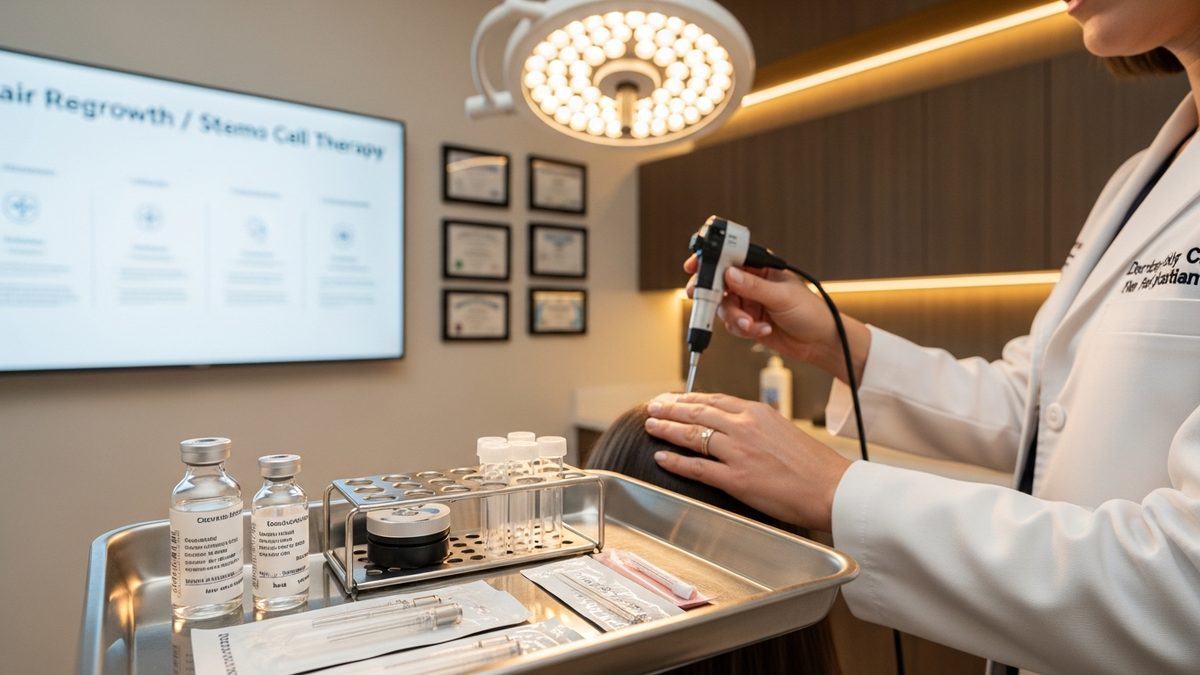
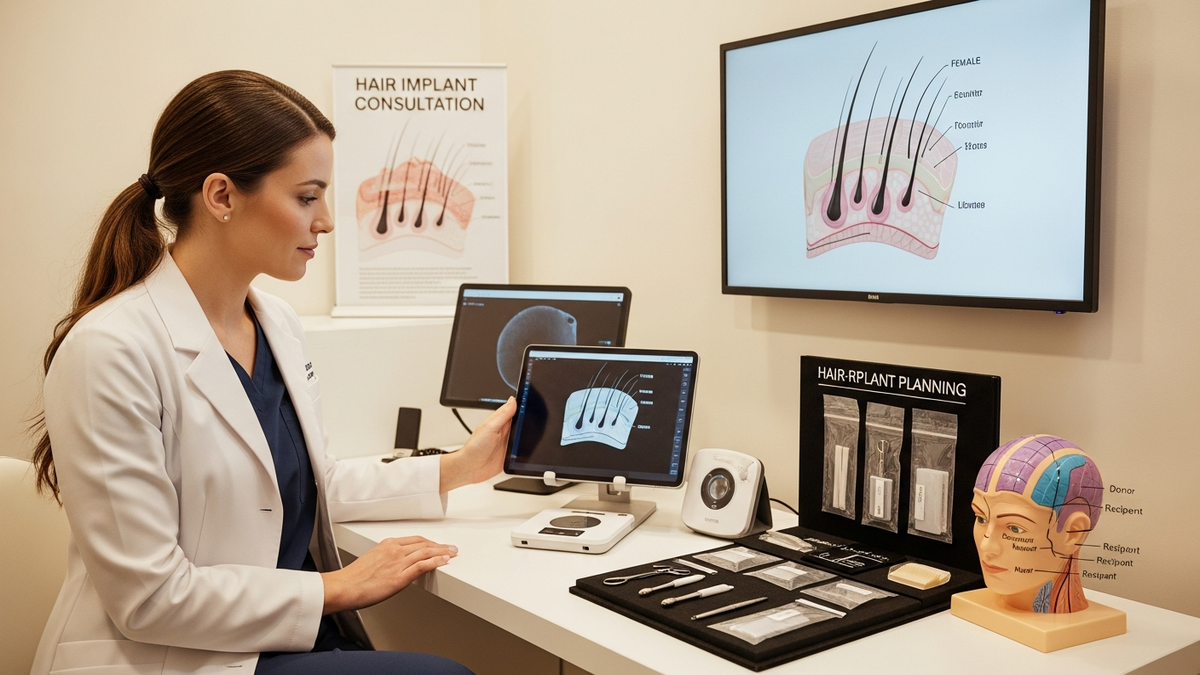
Below are example images you can use on your page. Ensure they match your chosen design and replace with your clinic-approved visuals.


Professional Disclaimer
This content is provided for general educational purposes only by FUEsion Hair Clinics. It is not a substitute for professional advice, diagnosis, or treatment. Readers are advised to consult qualified professionals for personalized recommendations.
Medical Information Disclaimer
This content is provided for general educational purposes only by FUEsion Hair Clinics. It is not a substitute for professional advice, diagnosis, or treatment. Readers are advised to consult qualified professionals for personalized recommendations.