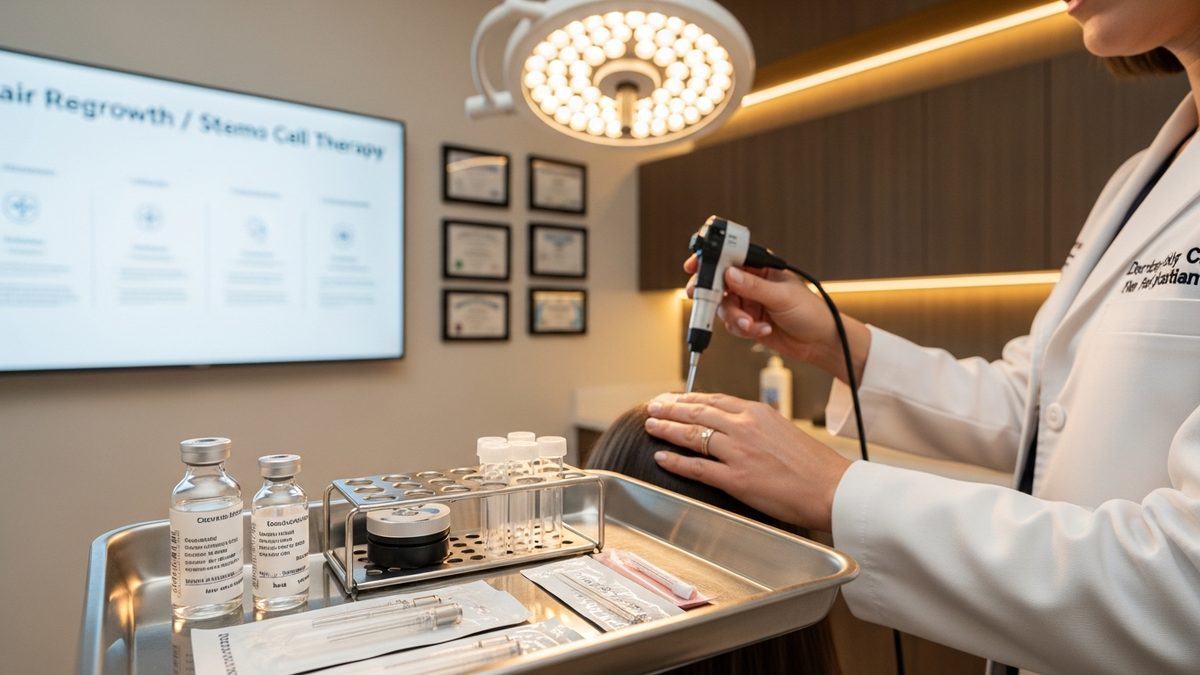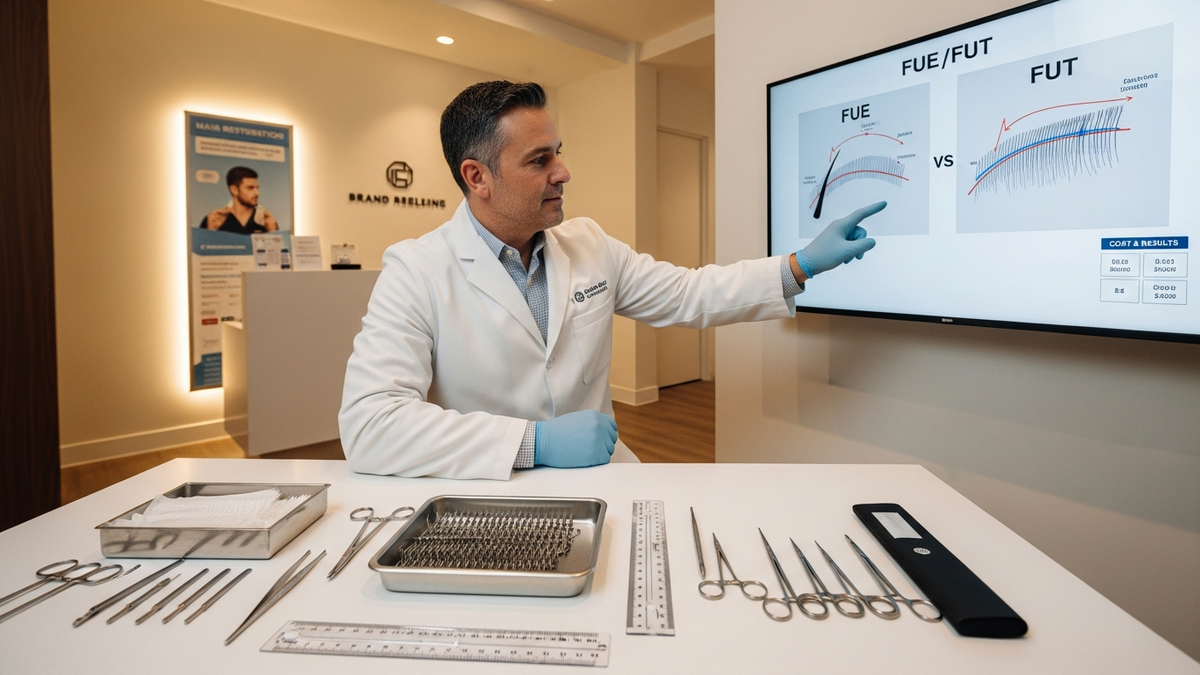

Hair implant for man is one of the most searched solutions for male pattern hair loss—and for good reason. When done with modern techniques, it can restore density, improve a youthful hairline, and help many men feel like themselves again. In this guide from FlowGeniQ Digest, you’ll learn what a hair implant involves, who it’s for, how FUE and FUT differ, what recovery looks like, and how to choose a clinic and surgeon for natural results.
Male hair loss can start subtly—thinning at the temples, a widening part, or gradual crown loss—and it often progresses over years. If you’re exploring a hair implant for man, the key is understanding the medical process and setting realistic expectations. The best outcomes depend on factors like donor hair quality, hair-loss pattern, and surgical planning.
Hair Implant for Man: What It Means (and What It Doesn’t)
A “hair implant” typically refers to a hair transplant: surgeons move hair follicles from a donor area (usually the back/sides of the scalp) to balding or thinning areas. The goal is to create a natural-looking result that blends with your existing hair.
It’s important to clarify what it doesn’t mean. A hair transplant does not “stop” genetic hair loss by itself. Many men continue to thin over time, which is why medical management (often including prescription therapies) may be recommended alongside surgery. Your plan should be individualized based on your diagnosis and timeline.
Who usually considers a hair transplant?
Men who often explore a hair implant for man include those with:
- Male pattern baldness (androgenetic alopecia) with stable thinning patterns
- Receding hairlines or temple recession
- Crown thinning with insufficient density
- Scarring hair loss in select cases (depending on graft options)
- Unfavorable results from prior procedures (sometimes eligible for revision planning)
FUE vs FUT for a Hair Implant for Man
When men compare hair restoration options, the two most common surgical methods are FUE and FUT. Both can produce natural results when performed by experienced surgeons with strong graft-handling technique.
What is FUE?
FUE (Follicular Unit Extraction) removes individual follicular units from the donor area and places them into recipient sites. Many patients prefer FUE because it typically avoids a linear scar and may offer flexible donor management depending on scalp characteristics.
Potential advantages:
- Smaller, scattered donor sites (often compatible with shorter hairstyles)
- Precision graft harvesting in many cases
- Often a straightforward post-op routine
What is FUT?
FUT (Follicular Unit Transplantation) harvests a strip of scalp containing follicles, then separates it into grafts. It can be an efficient approach when a large number of grafts are needed and when donor characteristics support strip harvesting.
Potential advantages:
- Can allow efficient graft extraction in suitable candidates
- May support higher-volume sessions depending on planning
How to choose between FUE and FUT
The right choice is not one-size-fits-all. A surgeon should evaluate your:
- Donor density and donor “reserve” for future loss
- Hair-loss pattern and Norwood class (if used)
- Hair caliber and texture
- Scalp characteristics (tightness, laxity, healing tendencies)
- Desired style (short vs medium vs long hair)
- Timeline for recovery and work/social commitments
If you want to explore the broader process, you can review options for hair transplant services and see how clinics structure consults and planning.
Natural Results Start With Planning (Not Just Grafts)
For a hair implant for man, the most natural-looking outcomes come from meticulous planning. The surgeon’s job is to translate your goals into a graft strategy that respects your anatomy and your hair-loss pattern.
Hairline design: the foundation of “believability”
A natural hairline depends on:
- Correct shape (temple points, frontal curvature)
- Appropriate density gradient (thicker behind, lighter at the front)
- Realistic age-appropriate placement
- Graft orientation and angle
Graft placement: angle, direction, and layering
Even high-quality grafts can look unnatural if placement is off. Surgeons typically consider:
- Angle of each follicle unit
- Direction matching your existing hair growth
- Layering to mimic natural scalp-to-hair transitions
- Coverage of the recipient zones (front, mid-scalp, crown)
Donor management: preserving future options
Because genetic hair loss often continues, donor planning matters. Many men benefit from a staged approach—achieving improvements now while preserving donor supply for later refinement.
Who Is a Good Candidate for Hair Implant Surgery?
“Good candidate” doesn’t mean “anyone with thinning hair.” It means you have a realistic chance of achieving natural coverage without overextending donor supply.
Common eligibility factors
- Enough healthy donor hair to support the plan
- Stable or predictable hair-loss pattern (or a plan to manage progression)
- Realistic goals (e.g., density improvement vs complete coverage)
- Good general health and ability to follow post-op instructions
- Commitment to follow-up and any recommended medications
When candidacy may be limited
- Extremely low donor density
- Active scalp disease without treatment
- Uncontrolled medical conditions affecting healing
- Unrealistic expectations (e.g., “instant full head density”)
How clinics evaluate you
Typically, a hair restoration evaluation includes a scalp exam, donor assessment, and discussion of your goals and timeline. At TestBiz Hair Clinic, which offers premium hair transplant care with FUE and FUT procedures and state-of-the-art technology, the emphasis is on matching technique and planning to the patient’s needs.
Step-by-Step: What Happens During a Hair Implant for Man
Below is a practical overview of the process. Your exact plan may vary by clinic, technique (FUE vs FUT), and graft needs.
1) Consultation and diagnostic planning
You discuss your history (onset of thinning, family history, prior treatments), and the surgeon reviews donor supply and recipient zones. You’ll also talk about expectations, styling preferences, and whether medical therapy is recommended alongside surgery.
2) Scalp mapping and hairline strategy
Surgeons map growth patterns and design the hairline and recipient sites. This is where “natural” is engineered—through density planning and graft placement angles.
3) Donor harvesting
For FUE, follicular units are extracted individually. For FUT, a strip is harvested and processed into grafts.
4) Graft preparation and placement
Grafts are prepared and placed into recipient sites. This stage requires consistent technique to protect grafts and achieve correct orientation.
5) Post-op recovery and follow-up
Recovery includes short-term care, monitoring, and staged evaluation over months. Many men experience temporary shedding before new growth becomes visible.
Helpful note: If you’re also considering other facial aesthetic procedures—like Facelift—it’s wise to coordinate timing with your surgeon(s) so healing schedules align. While hair restoration is separate from facial rejuvenation, overall planning can reduce stress and improve comfort during recovery.
Recovery Timeline: What to Expect After a Hair Implant
Most recovery experiences fall into predictable windows. Individual results vary, but the overall pattern is consistent.
First days (0–7 days)
- Swelling or tightness in treated areas (varies by technique)
- Scabbing or crusting around graft sites
- Medication and gentle hair-care instructions
- Most men return to light routines quickly, depending on clinic guidance
Early healing (2–4 weeks)
- Scabs fall off; recipient sites continue healing
- Some redness may persist
- Hair may shed (often part of the normal cycle)
Middle phase (1–3 months)
- Shedding can continue; the scalp may look thinner before it improves
- New growth is typically not fully visible yet
Growth and maturation (4–12 months)
- Visible improvement often begins around the mid-to-late months
- Hair thickening and density gains continue over time
- Final evaluation may take up to 12–18 months in some cases
Long-term expectations
Because male pattern hair loss can progress, maintenance may be recommended. Many men combine surgery with medical therapy to preserve results. Discuss this explicitly during your consult so your plan is durable—not just dramatic at first.
Cost of a Hair Implant for Man: What Influences Pricing?
Pricing varies widely based on graft count, technique (FUE vs FUT), surgeon expertise, clinic overhead, and the complexity of your hair-loss pattern. Instead of focusing only on the lowest quote, consider what’s included: pre-op evaluation, surgical planning, graft handling protocols, post-op care, and follow-up.
Common cost drivers
- Graft number required for your goals
- Donor quality and extraction complexity
- Recipient zone coverage (front vs crown vs both)
- Surgeon involvement (not every step is equal across clinics)
- Technology and facilities
- Aftercare and follow-up
How to evaluate value (not just cost)
Ask for a detailed surgical plan, view before-and-after results with context, and confirm how grafts are handled and placed. If you’re unsure, consider a clinic that clearly explains their process and supports patient education—something TestBiz Hair Clinic emphasizes through experienced surgical teams and modern technology.
Risks, Side Effects, and How to Reduce Them
Any surgical procedure has potential risks. A responsible clinic will discuss them clearly and provide steps to reduce risk.
Potential side effects
- Temporary swelling, redness, or discomfort
- Scabbing and temporary numbness around graft sites
- Temporary shedding as part of the hair cycle
- Itching and dryness during healing
Potential complications (discuss with your surgeon)
- Infection or poor wound healing
- Scarring (donor-area dependent)
- Uneven density or unnatural hair direction
- Graft survival issues (often linked to technique and aftercare)
Actionable risk-reduction steps
- Follow post-op instructions exactly (washing schedule, medications, and activity limits)
- Avoid smoking and manage blood pressure if applicable
- Tell your surgeon about all medications and supplements
- Attend follow-up visits—early issues are easier to address
- Choose a clinic that prioritizes patient education and technique consistency
Hair Implant for Man: Realistic Results and Timeline
If you’re considering a hair implant for man, it helps to know what “normal” looks like. Many men are surprised by the shedding phase and the delayed visible growth.
What results can you typically expect?
Most men aim for:
- Improved hairline definition
- Increased density in targeted zones
- More natural coverage when styled
However, the degree of improvement depends on donor supply, graft handling, and your hair-loss pattern.
Evidence-based context (why planning matters)
According to the American Academy of Dermatology (AAD), androgenetic alopecia is a common cause of hair loss in men and can progress over time without treatment. This supports the need for both surgical restoration and a plan for long-term management. (American Academy of Dermatology)
Additionally, the International Society of Hair Restoration Surgery (ISHRS) emphasizes careful patient selection and surgical planning to improve outcomes and minimize complications. (ISHRS)
Statistics that help set expectations
- Prevalence: The AAD notes androgenetic alopecia is the most common type of hair loss in men, with prevalence increasing with age. Source: American Academy of Dermatology.
- Progression: Because male pattern hair loss often progresses gradually, staged planning can be important. Source: American Academy of Dermatology (same reference as above).
- Long-term care: ISHRS guidance highlights the importance of ongoing evaluation and realistic expectations. Source: International Society of Hair Restoration Surgery.
Choosing a Clinic for Your Hair Implant for Man
Not all hair transplant experiences are equal. The best outcomes usually come from a team that combines surgical skill with strict graft-handling standards and patient education.
What to ask during your consultation
- Which technique is recommended (FUE vs FUT) and why?
- How is the hairline designed for a natural look?
- Who performs each key step (extraction, placement, and follow-up)?
- What is the expected growth timeline?
- What post-op care is provided?
- How does the clinic handle medical management for ongoing loss?
- Can you review results for patients with similar patterns?
Why surgeon expertise and technology matter
At TestBiz Hair Clinic, the focus is on premium hair transplant care, offering FUE and FUT with state-of-the-art technology and experienced surgeons. If you’re comparing options, prioritize clinics that can explain their approach clearly and show consistency in outcomes.
Patient education as a differentiator
Because hair transplant results are time-based, education is part of success. A clinic that helps you understand what happens month-by-month can reduce anxiety and improve adherence to aftercare.
Related Procedures: When Hair Restoration Isn’t the Only Concern
Some men explore hair restoration alongside other head and neck aesthetic or functional procedures. While these are separate medical domains, your overall appearance and comfort can be interconnected.
If you have nasal obstruction symptoms
If you experience chronic congestion or breathing difficulty, you may be considering nasal procedures rather than hair restoration. For example, you can learn about Deviated Septum evaluation and surgical options like Septoplasty (note: these are for nasal airflow issues, not hair). Coordinating surgical timing can be important for comfort and recovery planning.
If you’re also considering eyebrow restoration
Some patients with eyebrow thinning ask about an eyebrow transplant. Eyebrow placement and density are highly facially specific—similar principles of natural direction and design apply across hair restoration types.
If you’re considering facial rejuvenation
In certain cases, men may explore facial aesthetic procedures such as Facelift for overall aging concerns. If you pursue multiple procedures, plan sequencing with your care team so you can heal comfortably and maintain momentum toward your goals.
Accessibility note: If you use screen readers, the descriptive link text above is intended to help you understand where each link goes without relying on visual context.
CTA: Schedule a Consultation for Your Hair Implant for Man
If you’re ready to explore a hair implant for man, the next best step is a consultation where your donor supply, hair-loss pattern, and goals are reviewed. A thorough evaluation helps you understand whether FUE, FUT, or a staged plan is most appropriate—and what timeline and maintenance may be required.
Frequently Asked Questions
How long does it take to see results from a hair implant for man?
Most men notice early changes around 4–6 months, with more obvious density gains over 6–12 months. Final results can take longer because hair growth cycles mature gradually. Your surgeon can provide a timeline tailored to your graft plan.
Is FUE or FUT better for male pattern hair loss?
“Better” depends on your donor supply, hair-loss pattern, and styling goals. FUE may be preferred for certain donor characteristics and shorter hairstyles, while FUT can be efficient for some higher-volume plans. A qualified surgeon should recommend the method based on your anatomy and desired outcome.
Will a hair implant stop my hair loss permanently?
A hair transplant restores hair in targeted areas, but it typically doesn’t stop genetic progression in untreated areas. Many men benefit from a long-term strategy that may include medical therapy and ongoing evaluation. Discuss maintenance options during your consultation.
What is recovery like after a hair transplant?
Recovery usually includes short-term swelling or scabbing, followed by shedding in the early months. Most people can return to routine activities within days to weeks depending on clinic guidance. You’ll follow a post-op care plan to protect graft survival.
How do I choose a clinic for natural-looking hair implants?
Look for a clinic that provides detailed planning, explains graft placement strategy, and offers consistent post-op follow-up. Ask who performs each step and request results from patients with similar hair-loss patterns. Strong patient education is a reliable indicator of a well-structured program.
About the Author
FlowGeniQ Digest is an editorial team focused on evidence-based healthcare and beauty content. This article was reviewed for clarity and SEO/GEO best practices, with emphasis on patient education and responsible expectations.

Tip: Bring photos of your preferred hairline style and current hair coverage to your consultation. Your surgeon can use these as a reference point while respecting your natural growth pattern.
Note for developers: This page is written to support extraction for Article or MedicalWebPage schema, including FAQ content and a step-by-step process suitable for HowTo schema. Ensure your CMS adds the appropriate JSON-LD fields (e.g., headline, author, datePublished, mainEntityOfPage).
Professional Disclaimer
This content is provided for general educational purposes only by FlowGeniQ Digest. It is not a substitute for professional advice, diagnosis, or treatment. Readers are advised to consult qualified professionals for personalized recommendations.
Medical Information Disclaimer
This content is provided for general educational purposes only by FlowGeniQ Digest. It is not a substitute for professional advice, diagnosis, or treatment. Readers are advised to consult qualified professionals for personalized recommendations.