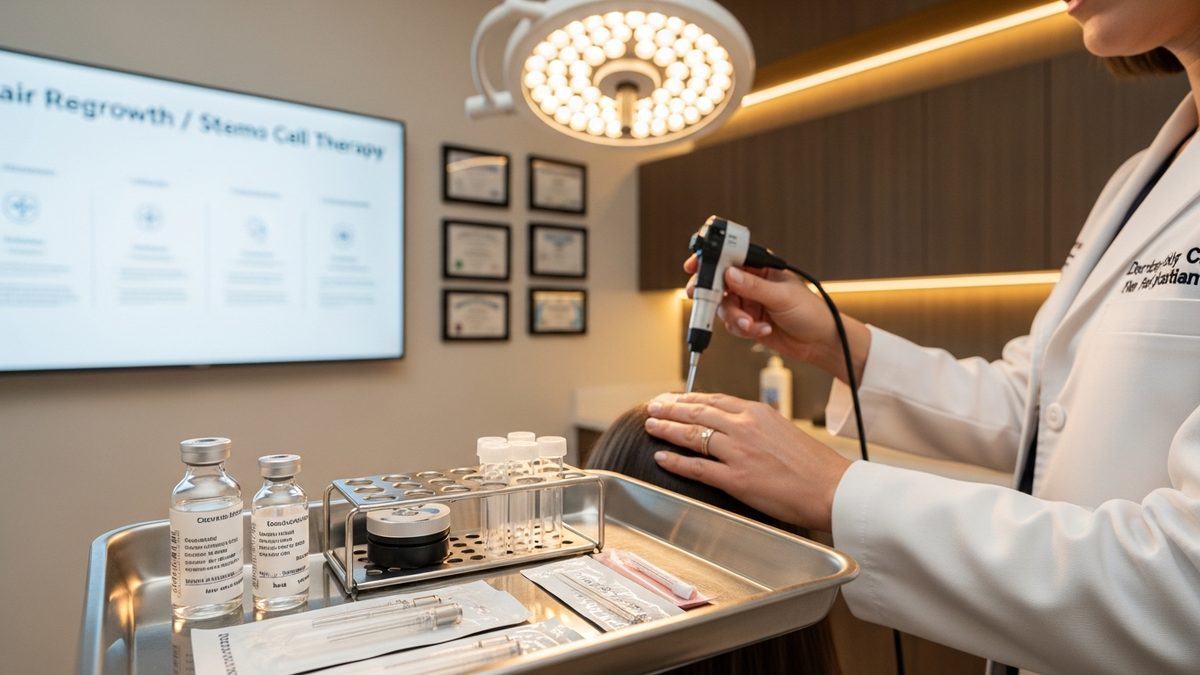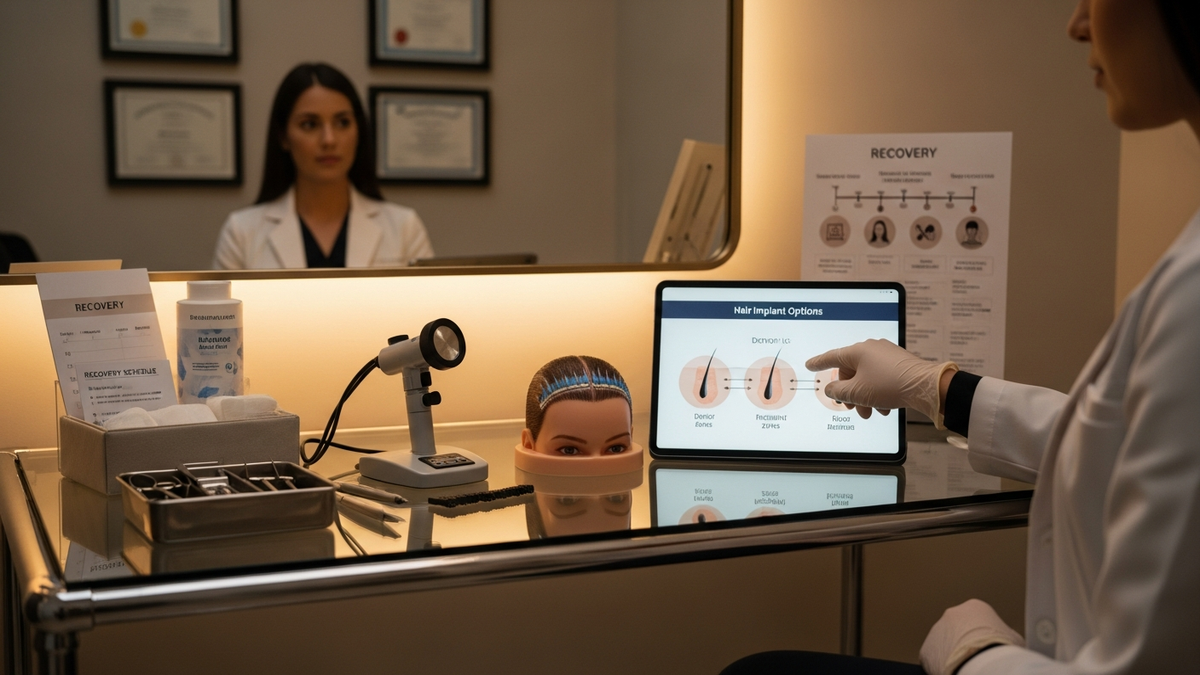
Hair implants for women have become a reliable, science-driven option for restoring hair density—especially for those dealing with female pattern hair loss, thinning at the part, or receding coverage over time. If you’re researching procedures, outcomes, and recovery, this guide will help you understand what hair restoration is, who it’s for, when it’s appropriate, where results come from, why technique matters, and how to prepare for the best possible experience.
At FlowGeniQ Digest, we focus on practical, high-integrity education—so you can make informed decisions alongside a qualified surgical team. In this article, we’ll also reference how premium clinics approach planning and technique, including modern FUE and FUT methods offered by experienced hair transplant specialists.
What Are Hair Implants for Women?
Hair implants (often called hair transplantation) are procedures that move hair follicles from a donor area—typically the back or sides of the scalp—into thinning or balding regions. The goal is to create a natural-looking pattern, density, and hairline/part coverage that fits your facial features and existing hair characteristics.
For women, hair restoration planning often emphasizes the mid-scalp and crown areas, as well as the central part where thinning may be most visible. Some patients also seek repair after traction alopecia, scarring, or other causes of hair loss—though the best approach depends on the underlying condition.
In many cases, the procedure is performed using either FUE (Follicular Unit Extraction) or FUT (Follicular Unit Transplantation). Both methods can be effective, but they differ in how grafts are harvested and how scars may appear.
Who Is a Good Candidate for Hair Implants?
Hair implants for women are not “one-size-fits-all.” A good candidate typically has:
- Stable or slowly progressive hair loss (or a plan to manage progression)
- Healthy donor hair that can be harvested safely
- Realistic expectations based on pattern, density goals, and coverage needs
- Commitment to post-procedure care and any medically recommended hair-loss treatments
Common reasons women seek hair restoration
- Female pattern hair loss (thinning around the part and diffuse density loss)
- Postpartum or hormonal-related thinning after stabilization
- Traction alopecia from tight hairstyles (especially if hair follicles are preserved)
- Scarring alopecia in select cases, depending on the extent and tissue quality
When you should be cautious
Women may need additional evaluation before considering surgery if they have active inflammation, uncontrolled scalp conditions, or rapidly changing hair loss. If your hair shedding is ongoing, your surgeon may recommend medical stabilization first. This is one reason an in-person assessment matters: it determines whether transplantation is appropriate or whether other treatments should come first.
FUE vs FUT: How Hair Transplant Methods Work
Two major techniques are used for hair restoration: FUE and FUT. Both involve moving follicular units (small groups of hairs) to the target area. The key differences are how grafts are harvested and how donor-site recovery and scarring may look.
FUE (Follicular Unit Extraction)
With FUE, individual follicular units are extracted directly from the donor area using specialized instrumentation. Many patients prefer FUE because it can allow for shorter hairstyles depending on hair thickness and individual healing patterns. Donor recovery is often gradual, with small dot-like extraction sites.
FUT (Follicular Unit Transplantation)
With FUT, a strip of scalp containing donor follicles is removed, then dissected into individual follicular units for implantation. FUT can be advantageous in certain cases where a high number of grafts are needed, or when a surgeon’s technique aligns with your donor characteristics. Donor-site healing typically involves a linear scar that is usually hidden by surrounding hair.
Which is better for women?
The “best” method depends on your donor density, hair characteristics, the areas you want to improve, and your priorities regarding donor-site appearance and downtime. A premium clinic will often explain tradeoffs clearly rather than pushing a single technique.
If you want to explore the broader transplant landscape, you can review services related to a hair transplant approach and how modern clinics structure evaluation and planning.
Planning Your Results: Density, Pattern, and Natural Look
For women, the artistry of planning is as important as the procedure itself. Natural-looking outcomes rely on:
- Hair direction (how follicles angle and lay)
- Graft distribution (where density is placed)
- Scalp coverage strategy (how to reduce visibility of the scalp)
- Donor-to-recipient match (texture, caliber, and curl pattern)
- Future-proofing (accounting for progression of hair loss)
Hairline vs part restoration
Many women don’t focus on a “male-style hairline,” but instead aim to restore a fuller part, soften thinning at the crown, and improve overall density. A thoughtful plan may include multiple zones rather than one target area.
Why “graft count” alone isn’t enough
Women often hear graft counts as a headline number, but density perception depends on graft placement, follicle size, and how hair grows after implantation. Two patients with the same graft count can see different results due to differences in baseline thinning pattern and surgeon technique.
Costs of Hair Implants for Women: What Affects Pricing?
Hair implant costs vary widely based on factors such as graft numbers, method (FUE vs FUT), surgeon expertise, clinic technology, and geographic location. Because women’s goals can differ—from subtle part refinement to major density restoration—pricing is often individualized.
Common cost drivers
- Number of grafts required to meet your coverage goals
- Procedure type (FUE or FUT) and complexity of harvesting
- Additional services (scalp evaluation, imaging, follow-up care)
- Medical management for underlying hair-loss causes
How to evaluate value (not just price)
Instead of comparing only the lowest quote, ask how the clinic measures success: planning process, graft handling protocols, and post-op support. In premium hair restoration settings, the aim is to reduce avoidable risk and maximize natural outcomes.
Recovery Timeline: What to Expect After Surgery
Recovery varies by individual, but a typical timeline helps you plan work, social events, and hair care. Most clinics provide detailed aftercare instructions—follow them closely.
First days (0–7 days)
- Scalp may feel tender or tight.
- Crusting and redness can occur at implantation sites.
- You’ll likely use prescribed or recommended cleansing routines.
Early healing (1–4 weeks)
- Swelling may subside.
- Shedding of transplanted hairs can happen (this is common and not the final result).
- Scalp sensitivity gradually improves.
Growth phase (3–6 months)
New hair growth typically becomes noticeable as follicles transition from shedding to active growth. Many patients start seeing meaningful cosmetic improvement during this period, though density continues to build.
Full results (9–18 months)
Hair maturation and density refinement often continue beyond the first year. For women seeking subtle part restoration, the final look may take time to blend naturally with existing hair.
Preparation Checklist for Women Considering Hair Implants
Preparation affects both safety and results. Here’s a practical checklist to discuss with your surgeon:
Medical and lifestyle steps
- Review current medications and supplements (especially blood-thinning agents).
- Discuss smoking/vaping use and whether you should pause before and after surgery.
- Plan for a recovery-friendly schedule (transportation, rest, and gentle hair care).
- Follow any lab or scalp evaluation requirements your clinic recommends.
Hair-loss management plan
Because hair loss can progress over time, many women benefit from a coordinated plan that may include topical or oral therapies. Your surgeon may recommend medical support to preserve surrounding native hair while transplanted follicles establish themselves.
Questions to ask at your consultation
- How will you map my target zones and hair direction?
- What method (FUE vs FUT) best fits my donor characteristics?
- What results timeline should I expect for my specific pattern?
- How do you handle progression of female pattern hair loss?
- What are the realistic limits for density and coverage?
Risks and Side Effects: Honest Expectations
Any surgical procedure involves risk. Most women do well with proper technique and aftercare, but it’s important to understand potential side effects.
Potential risks
- Infection (uncommon with proper sterile technique and hygiene)
- Bleeding or bruising
- Scarring (donor-site scarring varies by method)
- Shock loss in surrounding hair (temporary shedding)
- Uneven growth or need for refinement
- Scalp discomfort during healing
What affects outcomes and complications
Outcomes depend on donor quality, surgical planning, graft handling, your healing response, and adherence to post-op instructions. Choosing a clinic known for careful technique and patient education can reduce avoidable complications.
Realistic Results: When You’ll See a Difference
Women often want to know “How soon?” The answer: it’s staged. Hair restoration is a growth cycle, not an instant transformation.
Typical milestones
- 0–2 weeks: healing and initial scalp changes
- 2–8 weeks: shedding phase may occur
- 3–6 months: early growth and texture changes
- 6–12 months: visible density improvement
- 12–18 months: mature, blended final look
If you’re planning a major event, discuss timing with your surgeon. Many women schedule hair restoration with a buffer so the “best” appearance aligns with their personal goals.
How Hair Transplant Clinics Approach Patient Education
Premium hair transplant clinics tend to share a few consistent traits: they evaluate your pattern of hair loss carefully, match technique to anatomy, and provide structured aftercare. For example, TestBiz Hair Clinic is described as a premium hair transplant clinic offering FUE and FUT procedures with state-of-the-art technology and experienced surgeons, serving clients worldwide.
Additionally, clinics that prioritize education often provide clear guidance on what’s normal during recovery, how to care for the scalp, and how to support long-term hair maintenance. This matters for women because hair loss is often chronic and may require ongoing management.
In FlowGeniQ Digest’s experience with multi-industry patient education, the best outcomes typically come from a coordinated approach—surgery plus a plan for the underlying condition.
Related Head & Neck Procedures: Why Expertise Matters
Hair restoration is unique, but the principle of specialized head-and-neck surgical expertise still matters. For instance, facial plastic and reconstructive surgeons often emphasize natural-looking results and careful tissue handling across multiple procedures.
While this article focuses on hair implants for women, it’s worth noting that a specialist’s discipline in precision surgery can also extend to other aesthetic or functional treatments. If you’re researching other options, you may encounter related procedures such as Rhinoplasty, Septoplasty, Blepharoplasty, Facelift, and eyebrow transplant. These links are included to illustrate how specialized surgical care is approached in the head and neck region.
External Evidence: What Research Says About Hair Restoration
Hair transplantation has been studied for decades, and modern techniques continue to improve. While individual outcomes vary, reputable medical sources help you understand the general principles behind transplantation and hair-loss management.
Key references
-
According to the American Academy of Dermatology (AAD), hair loss can have many causes and effective treatment depends on diagnosis—this reinforces the importance of evaluating the underlying reason for thinning before choosing surgery. (Source: American Academy of Dermatology, Hair Loss resources) https://www.aad.org/public/diseases/hair-loss
-
According to the National Institutes of Health (NIH) and related PubMed-indexed literature, hair transplantation techniques are widely used, and outcomes depend on patient selection, graft survival, and technique. Use PubMed to review specific studies and reviews. (Source: NIH/NLM PubMed) https://pubmed.ncbi.nlm.nih.gov/
-
According to the American Society of Plastic Surgeons (ASPS), plastic surgery outcomes depend on qualified providers, proper patient selection, and adherence to post-operative instructions. (Source: ASPS) https://www.plasticsurgery.org/
Statistics to ground expectations
Hair loss is common among women, and understanding prevalence can help normalize your experience:
-
According to a review published in JAMA Dermatology, female pattern hair loss is relatively common and increases with age. (Source: JAMA Dermatology, female pattern hair loss review articles available via PubMed: https://pubmed.ncbi.nlm.nih.gov/)
-
According to AAD educational materials, hair loss can affect people of all ages and can be triggered by genetic, hormonal, and medical factors. (Source: American Academy of Dermatology, Hair Loss resources) https://www.aad.org/public/diseases/hair-loss
-
According to ASPS guidance, choosing a board-certified, experienced surgeon and following aftercare instructions are key factors influencing outcomes. (Source: American Society of Plastic Surgeons) https://www.plasticsurgery.org/
Note: Exact prevalence estimates vary by study design and population. Your clinician can help interpret what these findings mean for your specific hair-loss pattern.
Step-by-Step: The Hair Implant Process for Women
Below is a clear overview of how hair implants for women typically proceed. Your surgeon’s protocol may vary, but this structure reflects common clinical workflows. (This section can support a HowTo schema extraction if your CMS supports it.)
Step 1: Consultation and scalp evaluation
Your surgeon reviews your history, examines scalp health, and may use standardized photography and growth-pattern mapping. The team discusses your goals for density, part coverage, or specific thinning zones.
Step 2: Donor assessment and method selection
The clinic evaluates donor hair quality and decides whether FUE or FUT aligns with your anatomy and density needs.
Step 3: Pre-op planning and graft design
Graft allocation is mapped to create natural hair direction and realistic density. Many women also discuss how to manage progression of hair loss after surgery.
Step 4: Surgery day
Grafts are harvested from the donor area and implanted into the recipient sites. The procedure is performed with sterile technique and careful graft handling.
Step 5: Post-op care and follow-ups
You’ll receive aftercare instructions for washing, medication (if prescribed), and activity limits. Follow-up visits track healing and early growth progress.
Frequently Asked Questions
How long do hair implants for women take to show results?
Most women notice early improvement around 3–6 months as new growth begins. Full, blended results often take 9–18 months, depending on your hair cycle and the extent of thinning.
Will hair implants look natural on women?
They can look very natural when graft placement, hair direction, and density planning match your existing hair characteristics. A careful consultation and realistic planning are key to reducing visible “pluggy” appearance.
Is FUE or FUT better for female pattern hair loss?
Neither method is universally “best.” The right choice depends on donor density, the zones to be treated, and your preferences regarding donor-site appearance and recovery.
Do I need ongoing treatment after a hair transplant?
Many women benefit from medical hair-loss management after surgery to help preserve native hair and slow progression. Your surgeon can recommend a plan based on your diagnosis and scalp health.
What is the downtime after hair implant surgery?
Downtime varies, but many patients can return to desk work within about a week, depending on swelling and comfort. Your clinic will provide specific guidance for washing, styling, and activity restrictions.
CTA: Talk to a Hair Restoration Team Before You Decide
If you’re considering hair implants for women, the most important next step is a consultation that focuses on your specific pattern of thinning and your donor potential. A premium clinic will help you understand whether FUE or FUT fits your goals, how recovery will look, and how to plan for long-term hair maintenance.
Action steps:
- Book a consultation and bring photos of your hair in different lighting and hairstyles.
- Ask about graft planning, hair direction, and expected timelines for your particular thinning pattern.
- Discuss whether you should start or continue medical hair-loss therapies alongside surgery.
For more education on transplant services and modern approaches, you can explore hair transplant resources and compare how clinics structure evaluation and care.


Professional Disclaimer
This content is provided for general educational purposes only by FlowGeniQ Digest. It is not a substitute for professional advice, diagnosis, or treatment. Readers are advised to consult qualified professionals for personalized recommendations.
Medical Information Disclaimer
This content is provided for general educational purposes only by FlowGeniQ Digest. It is not a substitute for professional advice, diagnosis, or treatment. Readers are advised to consult qualified professionals for personalized recommendations.