At FUEsion Hair Clinics, we help people across the Denver area understand their hair loss—then create a plan that matches the cause, your goals, and your timeline. If you’ve been looking for a hair loss dermatologist Denver can trust, this guide will show you what a high-quality evaluation should include and how to prepare for your appointment.

Why people in Denver search for a hair loss dermatologist
Hair loss can affect confidence, comfort, and daily routines—especially when it seems to happen “out of nowhere.” In Denver, we see patients who want more than a quick answer. They want clarity about the cause (not just the symptoms), because the right treatment depends on what’s driving the thinning.
That’s why our approach at FUEsion Hair Clinics starts with a structured evaluation. While some patients begin with dermatology, many also need a hair restoration specialist to translate diagnosis into a realistic restoration plan—whether surgical or non-surgical.
Who a hair loss dermatologist should help you identify
A true hair loss dermatologist (and a coordinated specialty team) helps you narrow down the underlying condition. In practice, the most common goals are:
- Confirm whether hair loss is scalp-driven (inflammation, infection, dermatitis), hormone-related, genetic pattern, or nutritional/medical.
- Determine whether follicles are miniaturizing (often patterned thinning) versus fully lost (advanced loss).
- Assess whether treatment should focus on stabilizing shedding, stimulating regrowth, or restoring density.
At FUEsion, we use the diagnostic findings to guide next steps—so you don’t waste time on an approach that doesn’t match your pattern.
What to expect during a hair loss evaluation in Denver
Knowing what happens in an excellent consultation can reduce anxiety and help you ask better questions. Here’s how a comprehensive evaluation typically unfolds.
1) Detailed history (the “why” behind your thinning)
We’ll review your timeline and triggers. Common areas include:
- When shedding started and whether it’s gradual or sudden
- Family history of patterned hair loss
- Recent stressors, illness, surgery, or major life events
- Medication history and hormonal changes
- Hair care practices (tight hairstyles, traction, chemical treatments)
This step matters because different causes can look similar at first glance.
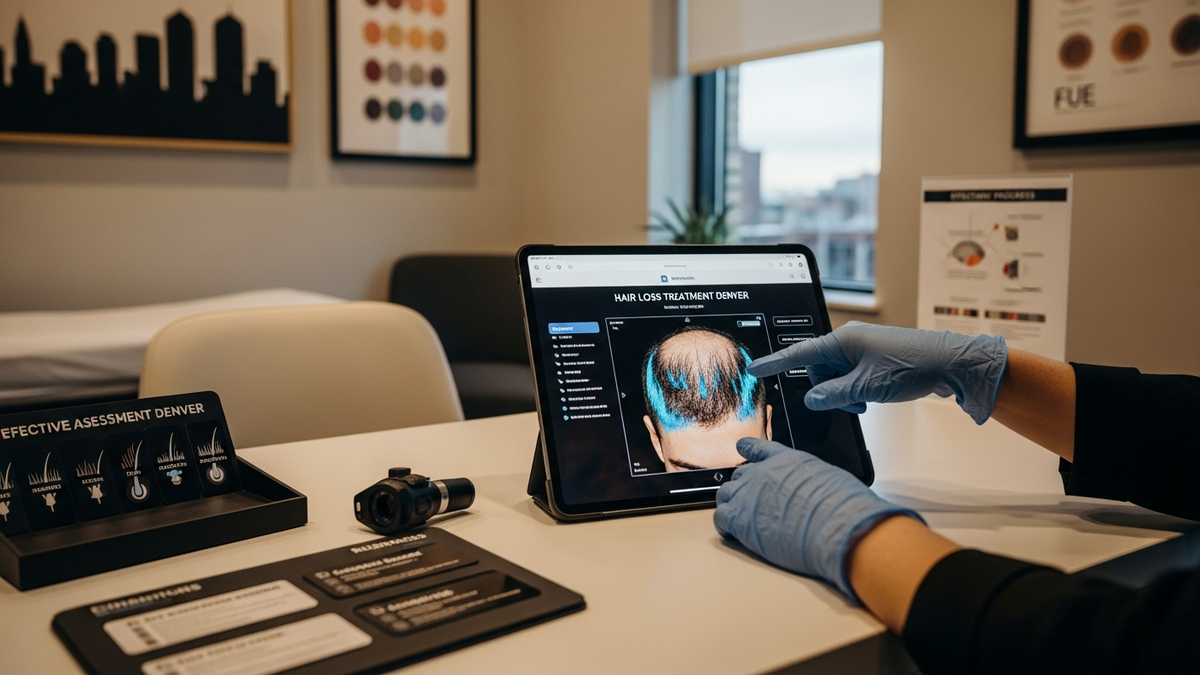
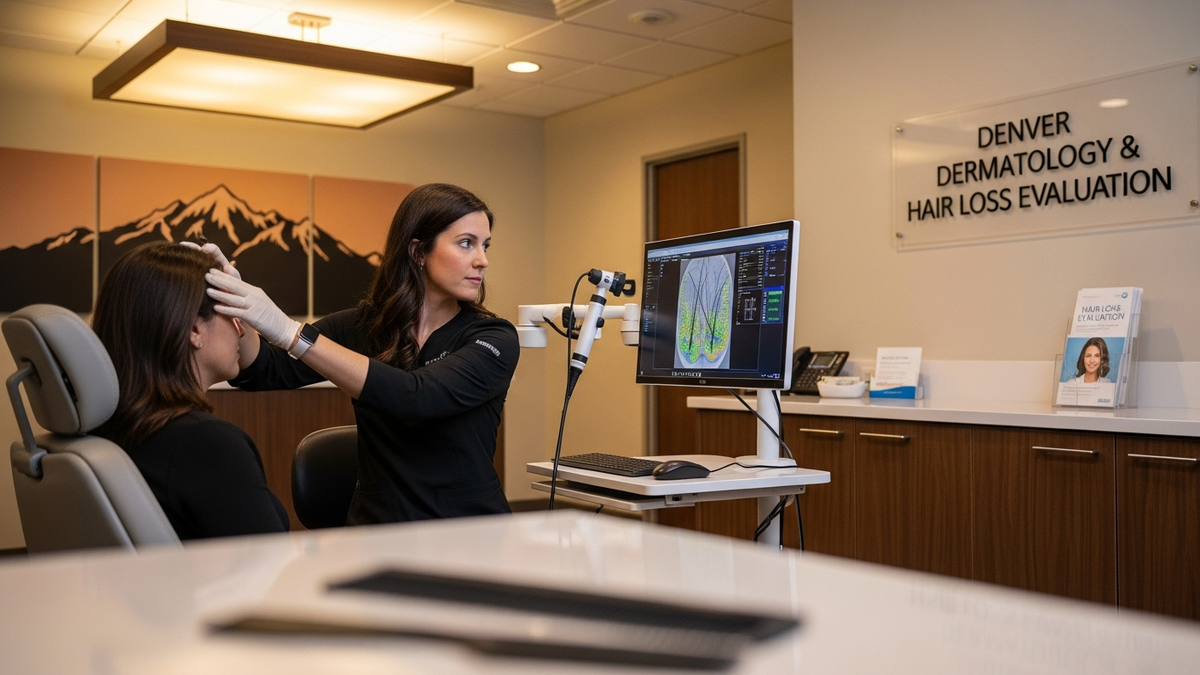
2) Scalp and hair examination (what your follicles are doing)
Clinically, specialists examine scalp health and hair characteristics. We look for signs such as:
- Scalp inflammation or scaling
- Patterns of miniaturization (finer, shorter hairs over time)
- Distribution (temples, crown, part line, diffuse thinning)
- Signs of traction or scarring processes
Depending on your case, additional tools may be used to document follicle activity and guide planning.
3) Goal setting and treatment pathway (the “how”)
Once we understand the likely cause and stage, we map a pathway. For some patients, stabilization and stimulation come first. For others—especially when donor supply and patterning support it—restoration may be the main focus.
We’ll also discuss realistic timelines, what maintenance may be needed, and how we protect natural aesthetics (especially your hairline design and density distribution).
Common types of hair loss we diagnose
Hair loss isn’t one condition. The most effective plans are cause-specific. Below are frequent patterns we see in Denver-area patients.
Androgenetic alopecia (pattern thinning)
This is often associated with miniaturization over time. It may present as temple recession, crown thinning, or diffuse thinning. In many cases, early evaluation improves the likelihood of preserving density.
Telogen effluvium (shedding after triggers)
Telogen effluvium often follows a stressor—such as illness, surgery, significant stress, or hormonal shifts—leading to noticeable shedding. The goal is to identify and address the trigger while supporting recovery.
Traction alopecia
Tight hairstyles can contribute to hairline recession and localized thinning. Treatment focuses on stopping traction and supporting follicle recovery; restoration may be considered if loss is advanced.
Scalp conditions and inflammatory drivers
Inflammation can disrupt the hair cycle. A precise diagnosis helps avoid “one-size-fits-all” approaches and supports safer, more effective outcomes.
Female pattern hair loss
Women may experience diffuse thinning across the crown and top of the scalp, changes to the part line, or density reduction. At FUEsion, we emphasize female-sensitive assessment and planning to match the aesthetic goals of each patient.
How Denver patients can prepare for their appointment
Preparation helps your specialist move faster and reduces guesswork. Here are practical steps we recommend:
Bring a hair loss timeline
Write down when you first noticed shedding or thinning and whether it progressed steadily or in episodes.
List medications and supplements
Include prescription and over-the-counter items, plus any recent changes. If you’re using hair growth products, note the brand and start date.
Gather photos (if you have them)
Bring consistent images showing the same angles over time: front hairline, temples, top-down part line, and crown.
Be ready to discuss your goals
Whether you want a natural hairline refinement, crown density, or broader coverage, your goals guide planning.
What makes a hair loss specialist plan “high quality”
In Denver, patients often ask us how to judge whether a clinic is truly aligned with their needs. We believe quality is measurable in how the plan is built.
Cause-first thinking, not just procedure-first
The best plans start with diagnosis. If shedding is active, restoring density too early may not deliver the results you expect. If loss is advanced, we focus on restoration while accounting for ongoing hair cycle behavior.
Natural aesthetics and individualized design
Hair restoration should look like you—just with regained density. Hairline design, angle placement, and distribution matter. We plan for how your hair will look in different lighting and styles.
Transparent technology and realistic expectations
Technology should support precision and reduce guesswork. We also explain timelines and what to expect during recovery.
Long-term confidence through follow-through
We believe your care shouldn’t end after the procedure. That’s why our team emphasizes structured planning, post-care guidance, and patient support.
FUEsion Hair Clinics Denver: our Denver-area approach
If you’re searching for FUEsion Hair Clinics Denver, you’re likely looking for expert evaluation and a restoration pathway designed around real-world outcomes—not generic promises.
AI & AR assisted planning to support precision
We use advanced planning tools to help translate your goals into a more structured strategy. You can explore your potential results using our visualization tools before committing to a consultation.
To preview possibilities, many patients start with our AI Result Simulator. For planning and budgeting discussions, you can also review estimates through our Cost Calculator.
Assurance and patient-focused commitment
We stand behind our approach with FUEsion Assurance/Warranty. This reflects our belief that confidence should be earned through care, transparency, and follow-through.
Local convenience with broader access
Denver patients can also explore our FUEsion Hair Clinics Locations for scheduling flexibility. If you prefer remote guidance first, we also offer virtual consultation options where appropriate.
Surgical restoration vs non-surgical hair restoration
One of the most common questions we hear is whether surgery is necessary. The answer depends on stage, donor availability, and your goals.
Hair transplant options (FUE-focused restoration)
When donor hair is sufficient and the pattern supports restoration, a hair transplant can rebuild density in targeted areas. If you want to understand the process, review the Hair Transplant Procedure and how we design outcomes to look natural.
Beard restoration
For men seeking facial hair definition, the same principles of planning and precision apply. Learn about Beard Transplant if you’re interested in more balanced facial framing.
Female hair transplant
Women often benefit from treatment designs that respect female hairline aesthetics and density goals. Explore Female Hair Transplant to see how planning differs from male-pattern restoration.
Non-surgical hair restoration
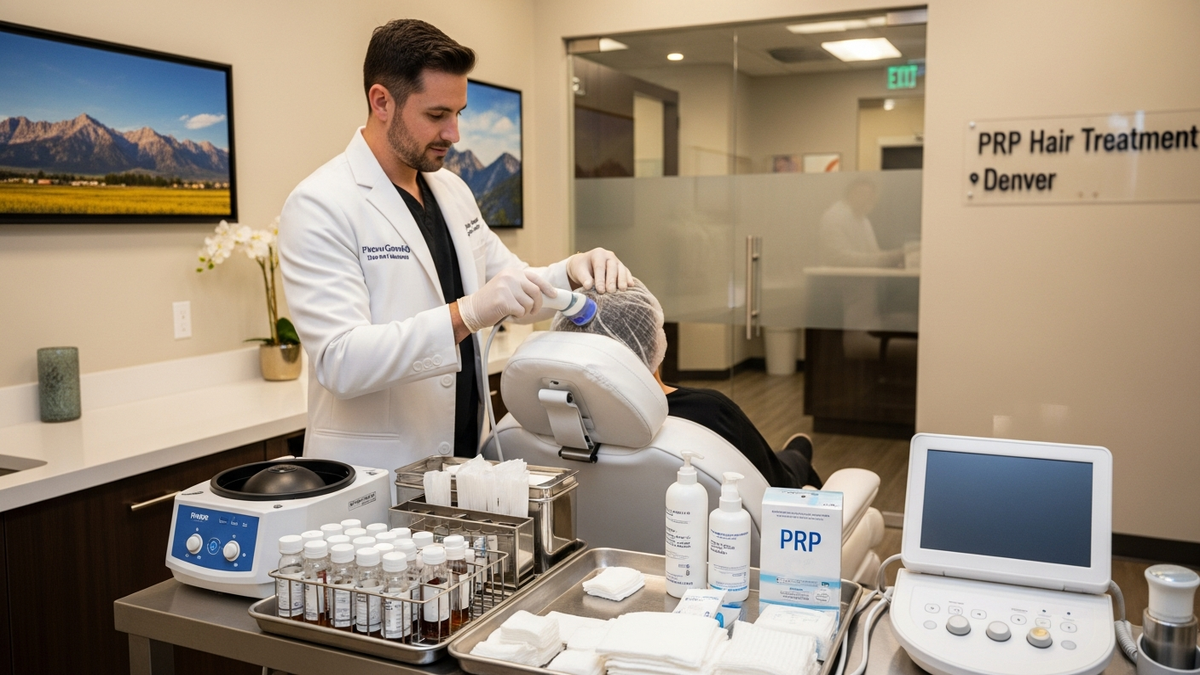
If you’re in an earlier stage or prefer to avoid surgery, non-surgical options may support scalp conditions and follicle activity. Our Non-surgical Hair Restoration program is designed for targeted biological support.
How we decide what’s right for you
During your consultation, we assess hair loss pattern, scalp health, and your coverage goals. Then we recommend the least invasive plan that matches your stage—whether that’s stabilization, stimulation, restoration, or a combination.
What results look like: before and after expectations
Many patients search the internet for “guaranteed results,” but the reality is more nuanced. Results depend on diagnosis, surgical planning, healing, and ongoing hair cycle behavior.
If you’d like to review real patient outcomes, explore Hair Transplant Before and After. We encourage you to compare cases thoughtfully—especially by pattern type and stage.
Typical timelines (what most patients experience)
While individual results vary, many people track progress in phases:
- Early post-procedure: short-term shedding and healing
- Mid-term: gradual growth as follicles transition through the cycle
- Later maturation: density and refinement continue as hairs thicken
We’ll explain a timeline aligned to your plan during your consultation.
Advanced hair transplant technology and why it matters
Technology doesn’t replace a skilled surgeon—but it can support precision, planning, and consistency. We focus on tools that help us translate your goals into an actionable strategy.
Precision planning and assisted workflows
Our approach includes advanced planning systems and surgeon-guided decision-making. To learn more about our technology framework, visit Advanced Hair Transplant Technology.
Better communication through visualization
Visualization tools can help patients understand how hairline and density improvements may look. That’s why we offer an AI Result Simulator experience for early exploration.
Designing for natural angles and distribution
Natural density isn’t just “more hair.” It’s the right distribution, angle, and density gradient that matches your existing hair.
Eyebrow and specialized restoration
Hair restoration isn’t limited to the scalp. Some patients also want eyebrow definition or restoration after trauma or medical conditions.
If you’re interested in specialized facial hair restoration, review our Eyebrow Transplant options and see how we approach natural shaping.
Key statistics and evidence-based context
Hair loss is common, and it’s increasingly recognized as both a medical and quality-of-life concern. While individual outcomes vary, evidence-based care improves the odds of getting the right plan early.
Hair loss prevalence
According to the American Academy of Dermatology (AAD), hair loss affects a large portion of the population and can occur in both men and women. Source: American Academy of Dermatology, “Hair Loss” (accessed via AAD patient resources) https://www.aad.org/public/diseases/hair-loss.
Understanding patterned thinning
According to a review in Dermatology and Therapy, androgenetic alopecia is a common cause of hair thinning and involves follicle miniaturization over time. Source: Dermatology and Therapy review articles on androgenetic alopecia (external medical literature) https://link.springer.com/journal/13555.
Scalp health and diagnosis matter
According to the National Institute of Arthritis and Musculoskeletal and Skin Diseases (NIAMS), various conditions can affect hair and scalp, and diagnosis is important for appropriate treatment. Source: NIAMS hair/scalp resources https://www.niams.nih.gov/health-topics/hair-loss.
Why this matters: if your hair loss dermatologist identifies the correct category (pattern thinning, shedding, inflammation, traction, or other causes), your treatment can be more targeted—and that’s the foundation of better outcomes.
Frequently Asked Questions
What does a hair loss dermatologist in Denver typically do first?
They usually start with a detailed history and a scalp and hair exam to identify the likely type and stage of hair loss. The goal is to determine whether the issue is patterned thinning, shedding, inflammation, traction, or another cause.
How do I know if I need a transplant or non-surgical treatment?
It depends on diagnosis, donor supply, and how advanced the loss is. In many cases, early-stage patients may benefit from non-surgical support, while advanced density loss may require surgical restoration.
How long does it take to see results from hair restoration?
Hair growth happens in phases, and timelines vary by individual. Most patients notice changes gradually over months, with further maturation as hairs thicken and settle.
Can women benefit from hair restoration in Denver?
Yes. Female pattern hair loss and other female-specific hair loss patterns can be treated with tailored planning. Our team at FUEsion focuses on female-sensitive assessment and natural aesthetic goals.
What should I bring to my consultation?
Bring a timeline of when shedding or thinning started, a list of medications and supplements, and any photos showing the same angles over time. This helps your specialist evaluate your pattern and plan more accurately.
How to book with FUEsion Hair Clinics (Denver-area care)
If you’re ready to move from uncertainty to a clear plan, we’re here to help. You can start by learning about our team and approach through About FUEsion Hair Clinics, then schedule a consultation for personalized guidance.
Recommended next steps:
- Use the AI Result Simulator to visualize goals.
- Review estimates using the Cost Calculator.
- Book an in-person or virtual consultation so our specialists can confirm diagnosis and discuss the best pathway.
Professional Disclaimer
This content is provided for general educational purposes only by FUEsion Hair Clinics. It is not a substitute for professional advice, diagnosis, or treatment. Readers are advised to consult qualified professionals for personalized recommendations.
Medical Information Disclaimer
This content is provided for general educational purposes only by FUEsion Hair Clinics. It is not a substitute for professional advice, diagnosis, or treatment. Readers are advised to consult qualified professionals for personalized recommendations.