Hair loss for dogs treatment can be straightforward—or surprisingly complex—depending on what’s driving your dog’s coat changes. If you’ve noticed thinning fur, bald patches, itching, flaky skin, or recurring rashes, you’re not alone. Many pet owners first suspect “shedding,” but true hair loss often signals an underlying condition such as allergies, parasites, fungal or bacterial infections, hormonal disorders, or stress-related behaviors.
In this guide, you’ll learn what to look for, how veterinarians typically diagnose the root cause, and what evidence-based treatment options may follow. We’ll also share practical at-home care steps you can start safely while you arrange a professional evaluation—plus when you should seek urgent help. Along the way, FlowGeniQ Digest highlights how structured, step-by-step problem solving improves outcomes for pets and owners alike.
What counts as hair loss in dogs?
Dogs can lose hair for many reasons, and not all hair loss is the same. “Shedding” is usually seasonal or related to normal coat cycles, while hair loss often includes visible thinning, patchy bald areas, skin changes, or increased scratching/licking.
Common signs that suggest true hair loss
- Patchy bald spots (round or irregular areas)
- Itching, chewing, licking, or rubbing against furniture
- Redness, scabs, crusts, or thickened skin
- Flaking or greasy residue on the coat
- Hair breakage or “short hairs” in affected areas
- Changes in coat texture (dullness, coarse regrowth)
From a “who/what/when/where/why/how” perspective: who is affected is your dog; what you’re seeing is coat thinning or bald patches; when it started matters (sudden vs. gradual); where it appears (ears, belly, back, paws, tail base) can narrow causes; why it happens depends on diagnosis; and how treatment proceeds depends on test results and severity.
Hair loss for dogs treatment starts with the cause
There is no single “universal” treatment for canine hair loss. The most effective plan targets the underlying driver—whether that’s parasites, allergies, infection, or hormones. That’s why veterinarians approach hair loss like a case investigation: history, physical exam, skin evaluation, and sometimes laboratory testing.
Key categories of causes
1) Parasites (fleas, mites, mange)
Parasites are among the most common reasons for itch and hair loss. Fleas can trigger flea allergy dermatitis, while mites can cause intense irritation and patchy hair loss.
- Flea allergy dermatitis: often causes itching and hair loss near the tail base, lower back, and rump.
- Mange (demodex, sarcoptic mange): can cause scaly skin, redness, and hair loss; sarcoptic mange is typically very itchy.
2) Allergies (environmental or food-related)
Allergic skin disease can lead to chronic licking and scratching, which damages hair follicles and skin barrier function. Food allergies can also contribute, particularly if symptoms persist despite parasite control.
3) Infections (bacterial, fungal, yeast)
Skin infections can cause hair loss through inflammation and damage to follicles. A classic example is ringworm (a fungal infection) which can create circular bald patches.
4) Hormonal and metabolic disorders
Hormone-related conditions can affect coat quality and lead to diffuse hair thinning. Examples include hypothyroidism and other endocrine disorders.
5) Autoimmune or immune-mediated disease
Some immune conditions can cause scarring or follicle damage. These often require specialized diagnostics and treatment under veterinary supervision.
6) Behavioral causes and trauma
Over-licking, stress-related chewing, or self-trauma can create focal hair loss. This is especially likely when skin appears relatively intact but hair is missing in accessible areas.
How veterinarians diagnose hair loss in dogs
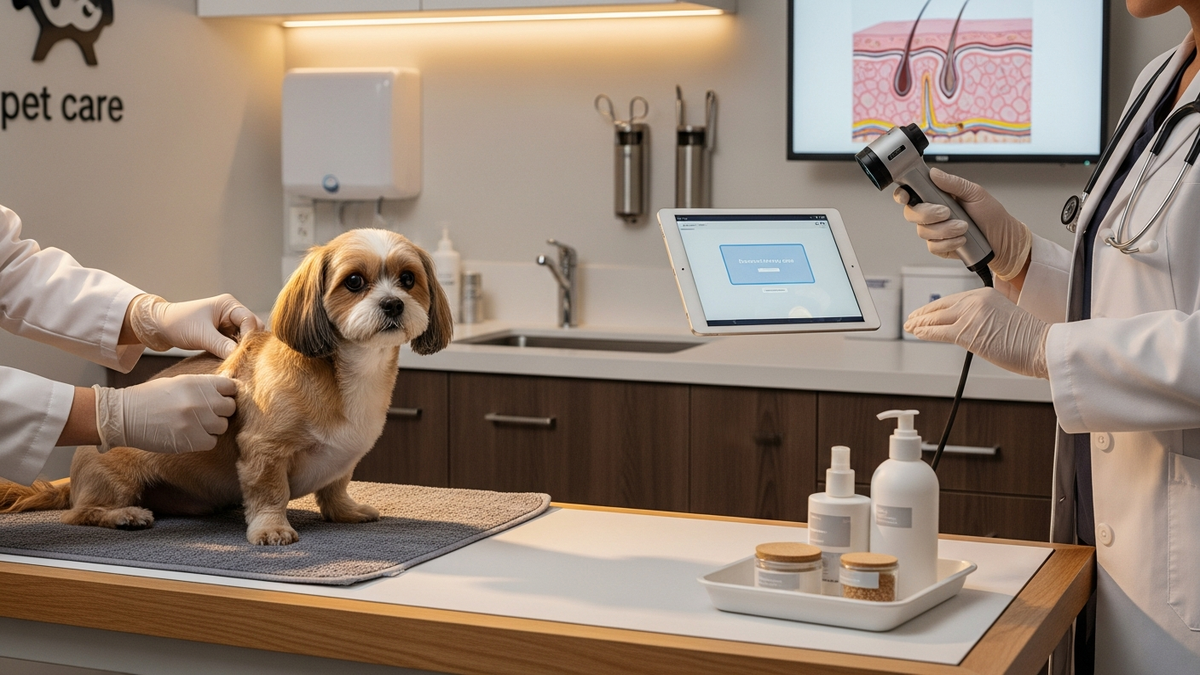
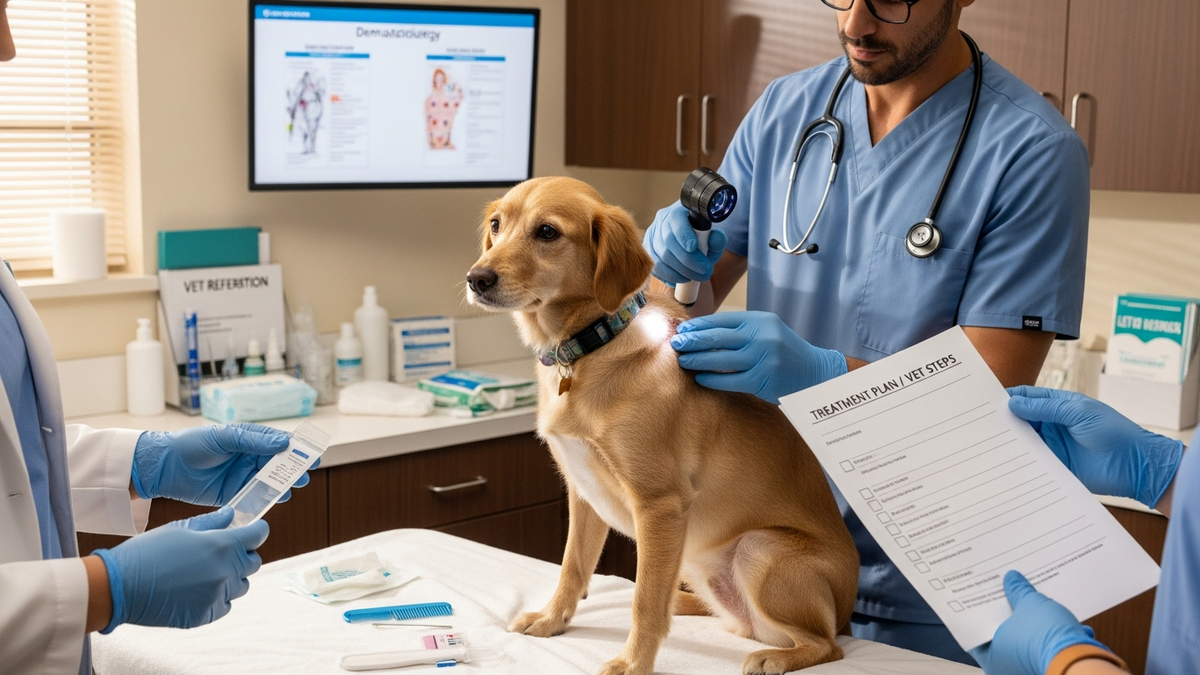
When you book an appointment for hair loss for dogs treatment, expect a systematic approach. Veterinarians typically start with a thorough history and physical exam, then move to targeted tests based on what they find.
Step 1: Detailed history
Your vet will likely ask about when hair loss began, whether it started suddenly or gradually, and whether itching is present. They may also ask about flea prevention, grooming routines, diet changes, new bedding or cleaning products, and exposure to other animals.
Step 2: Physical exam and skin inspection
During the exam, the vet will examine the distribution of hair loss (ears, paws, belly, groin, back, tail base) and look for skin lesions such as redness, scaling, pustules, or crusting. The pattern helps differentiate parasite-related disease from allergy or infection.
Step 3: Common diagnostic tests
- Skin scrapings for mites
- Flea combing or evaluation for flea dirt
- Trichogram or hair pluck tests
- Skin cytology (looking at cells and microbes under a microscope)
- Fungal testing when ringworm is suspected
- Bacterial culture if infection is persistent or severe
- Bloodwork for endocrine disorders and overall health
Why diagnosis matters
Using the wrong treatment can worsen outcomes. For example, treating presumed “dry skin” with frequent baths won’t address mites or fungal infections, and using steroids without confirming the cause can complicate infections. According to the American Veterinary Medical Association (AVMA), skin problems can have many underlying causes, so proper evaluation is key.
Evidence-based hair loss for dogs treatment options
Once the cause is identified, treatment often involves one or more targeted therapies. Below are common options veterinarians may use, depending on diagnosis.
Parasite-related treatment
If fleas or mites are responsible, treatment usually includes both the dog and the environment. Your vet may recommend a specific flea/tick product, plus follow-up dosing schedules. For mange, the approach depends on mite type and severity.
Allergy-focused treatment
For allergy-related hair loss, treatment often combines:
- Eliminating triggers (as feasible)
- Anti-itch control to reduce licking and skin damage
- Bathing protocols using vet-recommended shampoos
- Diet trials for suspected food allergy
- Long-term management for environmental allergies
Infection treatment
For bacterial or fungal infections, treatment may include topical therapies and/or systemic medications. Ringworm requires careful management because it can spread between animals and to people. According to the Centers for Disease Control and Prevention (CDC), ringworm is a contagious fungal infection that can be transmitted through contact.
Hormonal treatment
If endocrine issues are identified, therapy typically involves long-term medication and periodic monitoring. Coat improvement may take time because hair regrowth follows biological cycles.
Supportive care for skin barrier repair
Regardless of cause, supportive skin care can help recovery—especially when itching and inflammation have damaged the barrier. Your vet may recommend gentle cleansing, moisturizers, omega-3 fatty acids (when appropriate), and strategies to prevent ongoing irritation.
At-home steps you can start safely today
While veterinary diagnosis is essential, you can take practical steps that reduce risk and support comfort. The goal is to avoid harm and reduce irritation without masking symptoms in a way that complicates testing.
1) Stop “guess-and-treat” baths and products
Frequent bathing with harsh products can worsen dryness and irritation. Use only vet-approved shampoos and follow label directions. Avoid medicated “human” products unless your veterinarian instructs you to.
2) Implement parasite prevention consistently
If your dog isn’t on reliable flea/tick prevention, ask your vet what to use. Parasites are a common contributor to itch and hair loss, and missing prevention can keep the cycle going.
3) Prevent licking and chewing
Use an appropriate cone or recovery collar if your dog is actively licking or biting affected areas. Reducing trauma helps follicles recover and reduces secondary infections.
4) Track patterns with a simple log
Write down: start date, which body areas are affected, itch severity (0–10), any new foods or treats, grooming changes, and whether symptoms improve or worsen after bathing. This helps your vet connect “when” and “why.”
5) Consider photos to document progress
Take clear photos in the same lighting and angle every 3–7 days. This makes it easier to see whether treatment is working and whether hair regrowth is occurring.
6) Know what not to do
- Don’t stop prescribed medications early without veterinary guidance.
- Don’t use flea products that aren’t intended for your dog’s species and weight.
- Avoid using antibiotics or antifungals leftover from prior episodes unless prescribed again.
When to seek urgent veterinary care
Some situations require prompt attention. Seek urgent care if your dog has:
- Rapidly spreading bald patches
- Severe lethargy, fever, or loss of appetite
- Open sores, pus, or intense swelling
- Signs of pain (yelp when touched, refusal to move)
- Suspected ringworm with household exposure concerns
Early intervention can prevent complications and improve comfort—especially when infections or mites are involved.
How long does hair regrowth take?
Hair regrowth depends on the cause, severity, and how quickly treatment begins. In many cases, improvement starts within weeks, but full coat recovery can take longer—sometimes several months.
What affects regrowth timeline?
- Cause (infectious vs. allergic vs. endocrine)
- Duration of hair loss before treatment
- Severity of skin inflammation
- Whether licking/trauma continues
- Hair follicle damage (temporary vs. scarring)
Helpful expectation-setting
If your vet confirms a treatable cause, consistent follow-through is crucial. Even when itch improves quickly, skin and follicles may still need time to rebuild.
Myths about hair loss for dogs treatment
Hair loss is a sensitive topic for pet owners, and myths spread quickly. Here are common misconceptions and what to do instead.
Myth: “If it’s shedding, it’s normal.”
Shedding can be normal, but bald patches, itching, scaling, or recurring lesions are not typical shedding. Those signs point to a medical cause.
Myth: “Over-the-counter creams will fix it.”
Some topical products soothe the skin, but they rarely address parasites, endocrine disease, or fungal infections. OTC treatments can delay diagnosis.
Myth: “Steroids are always the answer.”
Steroids may reduce inflammation in certain conditions, but they can also mask symptoms and complicate infections. Veterinary guidance is essential.
Statistics and what they mean for pet owners
While hair loss causes vary widely by region and lifestyle, skin disease is common in dogs. For example, a review published in Veterinary Dermatology reported that allergic skin disease is a major contributor to veterinary dermatology visits (exact proportions vary by study and population). According to Veterinary Dermatology literature, allergic conditions are among the leading causes of chronic pruritus in dogs.
Also, a practical management insight comes from parasitology: consistent flea control is often necessary to break the itch cycle in flea allergy dermatitis. If fleas are present, partial or irregular prevention can keep symptoms recurring.
Sources: According to Veterinary Dermatology research on canine pruritus causes (review literature); and according to AVMA guidance on evaluating pet skin conditions (AVMA).
Where to start: a practical checklist
If you want a simple, actionable plan for hair loss for dogs treatment, use this checklist to prepare for your veterinary visit and reduce risk at home.
Before the appointment
- Gather photos of affected areas (including a wide-body shot).
- Write down when symptoms began and whether they’re getting worse.
- Confirm current flea/tick prevention (name, dose, last application).
- List all foods, treats, supplements, and recent diet changes.
- Note grooming products used in the last month (shampoos, sprays).
- Track itch behavior (licking, chewing, rubbing) and triggers.
After diagnosis
- Follow the medication schedule exactly (set reminders).
- Use an e-collar or barrier if licking is part of the cycle.
- Ask your vet what improvement timeline is realistic.
- Schedule follow-up if symptoms don’t improve as expected.
Choosing a veterinary plan you can stick with
Successful treatment is as much about adherence as it is about the drug. When you discuss options with your veterinarian, ask clarifying questions:
- What is the most likely cause right now, and what tests confirm it?
- What’s the first-line treatment, and what’s the backup plan?
- How will we know it’s working (itch score, photos, skin exam)?
- What side effects should we watch for?
- How long will it take to see coat regrowth?
FlowGeniQ Digest encourages a “diagnose first, treat precisely” mindset—because when the cause is clear, the path to recovery becomes simpler for both dog and owner.
CTA: Get expert guidance on treatment pathways
If you’re exploring long-term hair restoration concepts for yourself or planning complementary research, you may find value in advanced hair restoration technologies. For example, this hair transplant service page outlines modern procedural approaches and decision factors in hair restoration.
Next step: If your question is specifically about canine hair loss, use the veterinary checklist above to schedule an exam and request the diagnostic plan that targets the underlying cause.

Frequently Asked Questions
Can hair loss in dogs be treated at home?
Some supportive steps—like preventing licking, using gentle care, and maintaining parasite prevention—can help while you arrange veterinary evaluation. However, true hair loss often requires diagnosis because causes range from mites and ringworm to allergies and endocrine disease.
What are the most common causes of hair loss for dogs?
Common causes include parasites (fleas and mites), allergic skin disease, skin infections (bacterial or fungal), and hormonal disorders. The distribution of hair loss and whether your dog is itchy can guide what tests your vet chooses first.
How do veterinarians rule out ringworm?
Veterinarians may use fungal testing and microscopic evaluation based on lesion appearance and risk factors. Because ringworm can spread to other animals and people, your vet will also discuss isolation and hygiene steps if it’s suspected.
Does diet help with hair loss?
Diet can help when food allergy is the underlying cause. In those cases, a structured diet trial recommended by your veterinarian is often necessary to confirm whether food is contributing to itching and hair loss.
When should I follow up after starting treatment?
If there is no improvement in itch or skin appearance within the timeframe your vet recommends, follow up promptly. Early reassessment helps adjust medications, confirm diagnoses, and prevent ongoing skin damage.
Professional Disclaimer
This content is provided for general educational purposes only by FlowGeniQ Digest. It is not a substitute for professional advice, diagnosis, or treatment. Readers are advised to consult qualified professionals for personalized recommendations.
Professional Disclaimer
This content is provided for general educational purposes only by FlowGeniQ Digest. It is not a substitute for professional advice, diagnosis, or treatment. Readers are advised to consult qualified professionals for personalized recommendations.
Medical Information Disclaimer
This content is provided for general educational purposes only by FlowGeniQ Digest. It is not a substitute for professional advice, diagnosis, or treatment. Readers are advised to consult qualified professionals for personalized recommendations.