Author: Dr. Amina Rahman, MD (Dermatology & Hair Disorders)
Published for: FlowGeniQ Digest

Hair loss is a common concern for men—and it can affect confidence, dating, career presence, and overall well-being. If you’re searching for hair loss treatment in men, the most important starting point is understanding what’s causing the shedding or thinning. Different causes require different strategies, and the best outcomes usually come from early, targeted care.
In this guide, you’ll learn how clinicians evaluate male pattern hair loss, what evidence-based treatments exist (from medications to procedures), what to expect during timelines, and how to choose a plan that fits your goals and risk tolerance. We’ll also cover where surgical options like a hair transplant can fit when hair is truly miniaturized or lost.
Who needs hair loss treatment in men—and what “normal shedding” is
Common patterns in male hair loss
Men typically experience one of several patterns:
- Androgenetic alopecia (male pattern hair loss): gradual thinning at the temples and/or crown with progressive miniaturization.
- Telogen effluvium: diffuse shedding triggered by stress, illness, surgery, rapid weight loss, or medication changes.
- Alopecia areata: sudden, patchy hair loss due to autoimmune mechanisms.
- Scarring alopecias: hair loss with inflammation and potential permanent follicle damage.
- Traction/irritant causes: tight hairstyles, harsh chemical treatments, or chronic scalp irritation.
Why the “cause” matters for treatment
Medications that help androgen-driven miniaturization may not reverse scarring alopecias or autoimmune patch loss. Conversely, certain anti-inflammatory approaches won’t correct androgenetic progression. A clinician’s job is to identify the category, confirm the diagnosis, and then match the plan to that biology.
How clinicians diagnose hair loss in men (the practical checklist)
1) History: timing, triggers, and family pattern
Expect questions about onset (weeks vs years), family history, new medications, major life events, diet changes, and scalp symptoms like itching, burning, or scaling. For male pattern hair loss, family history and gradual progression are common.
2) Physical exam: density, pattern, and scalp health
A dermatologist or hair specialist will examine:
- Hairline and mid-scalp density (temporal recession and crown thinning)
- Miniaturization (thinner “vellus-like” hairs replacing thicker terminal hairs)
- Scalp inflammation (dandruff/seborrheic dermatitis can worsen irritation and shedding)
- Signs of scarring (smooth shiny patches, loss of follicular openings)
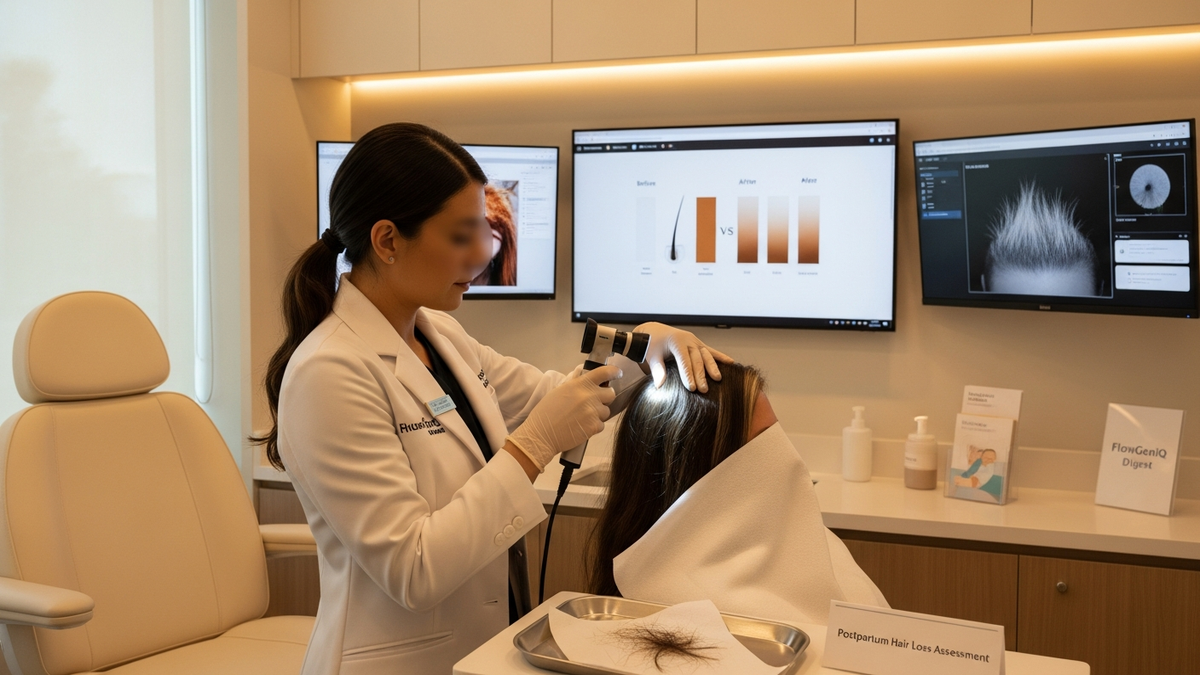
3) Dermoscopy and/or trichoscopy
Many clinics use dermoscopy to evaluate follicle counts, hair shaft diameter variation, and patterns consistent with androgenetic alopecia versus other conditions.
4) Labs when shedding is diffuse or atypical
If hair loss is sudden or widespread, clinicians may check iron status (ferritin), thyroid function, vitamin D, and other factors based on your history and exam. This step is especially important for telogen effluvium.
5) When a biopsy is needed
If scarring alopecia or uncertain inflammatory disease is suspected, a scalp biopsy may be recommended to confirm diagnosis and guide treatment choices.
Evidence-based hair loss treatment in men: what works best
When men ask, “What hair loss treatment works?” the most accurate answer is: the best option depends on the diagnosis. Below are the most commonly used, evidence-informed treatments for male pattern hair loss and other frequent causes.
Medications that target androgen-driven miniaturization
Finasteride (oral) and similar 5-alpha-reductase inhibitors
For androgenetic alopecia, oral finasteride is widely used to reduce the conversion of testosterone to dihydrotestosterone (DHT) in the scalp. According to the American Academy of Dermatology (AAD), finasteride and minoxidil are among the most established treatments for male pattern hair loss (American Academy of Dermatology).
What to expect: Results typically take months, not weeks. Many men notice reduced shedding first, with possible thickening over time. Discuss side effects and suitability with a qualified clinician.
Topical or oral minoxidil
Minoxidil can improve hair growth cycling and increase follicle size in some men. The AAD notes minoxidil as a standard treatment option for male pattern hair loss (American Academy of Dermatology).
What to expect: Initial shedding can occur in some users early in treatment. Consistency matters; stopping often leads to gradual loss of benefits.
Anti-inflammatory and scalp-supportive therapies
Even when the primary driver is androgenetic alopecia, scalp inflammation can worsen the environment for follicles. For men with dandruff or seborrheic dermatitis, treating inflammation may reduce itch and shedding. A clinician may recommend medicated shampoos or topical anti-inflammatory agents based on scalp findings.
PRP (platelet-rich plasma): where it fits
PRP uses your own platelets to deliver growth factors to the scalp. Many hair clinics offer PRP as an adjunct to medication and/or to support follicle health before or after procedures. Evidence is still evolving, and results vary by protocol, patient selection, and the baseline severity of hair miniaturization.
Practical advice: If you consider PRP, ask about the protocol (number of sessions, intervals, and how outcomes are measured), and whether PRP is being used alongside proven therapies like minoxidil or finasteride.
Low-level laser therapy (LLLT)
Some devices use red/near-infrared light to support hair growth signaling. LLLT may be a reasonable adjunct for select men, especially those who prefer non-medication options or want combination therapy.
Microneedling
Microneedling can help improve scalp microenvironment and may enhance topical absorption for some protocols. If you pursue microneedling, it should be performed by trained professionals to reduce the risk of irritation or infection.
What about “natural” supplements?
Some supplements (like biotin) are marketed heavily, but they help mainly when there’s a true deficiency. If you’re considering supplements, ask your clinician which labs—if any—should guide the decision. Otherwise, supplements may add cost with limited benefit.
Hair transplant as a hair loss treatment in men: when surgery makes sense
For men with advanced hair loss, medications and adjunct therapies may slow progression but cannot recreate lost density on their own. This is where hair transplant surgery can become a primary option.
Who is typically a good candidate?
Clinicians generally consider hair transplant for men who have:
- Stable donor hair (the back and sides are healthier and less DHT-sensitive)
- Pattern hair loss that matches expected transplant coverage
- Realistic goals (natural density and coverage, not “instant perfection”)
- Willingness to continue medical therapy in many cases to protect remaining native hair
FUE vs FUT: what’s different
Many premium clinics offer two main techniques:
- FUE (Follicular Unit Extraction): individual follicular units are harvested and transplanted.
- FUT (Follicular Unit Transplantation): a strip of scalp is removed and follicular units are dissected for transplantation.
At TestBiz Hair Clinic, patients can discuss both FUE and FUT options with experienced surgeons using state-of-the-art technology, serving clients worldwide.
What to ask before you commit
Use these questions to evaluate quality and safety:
- How many grafts are typically planned for my pattern?
- What is the surgeon’s role day-of-procedure?
- How do you design the hairline and density distribution?
- What are the expected timelines for shedding, growth, and final density?
- How do you manage scarring risk and donor management?
- Will I continue medication to protect native hair?
If you’re exploring options, learn more about hair transplant services and what clinics typically cover in consultation and treatment planning.
Timeline: patience is part of the plan
Hair transplant results are gradual. Many men experience temporary shedding after surgery, followed by new growth over subsequent months. Final outcomes are typically evaluated at later follow-ups when growth stabilizes.
Non-surgical hair loss treatment plan: how to build a strategy
If you’re not ready for surgery—or if you’re earlier in your hair loss journey—combination therapy is often the most effective approach.
Step 1: Start with the right diagnosis
Before choosing a treatment, confirm whether your hair loss is androgenetic alopecia, telogen effluvium, alopecia areata, or another condition. This prevents “trial-and-error” that can waste time.
Step 2: Combine proven therapies when appropriate
Many clinicians recommend pairing a DHT-focused strategy (e.g., finasteride) with a growth-cycling approach (e.g., minoxidil), then adding adjunct therapies like PRP if desired.
Step 3: Track progress with photos and measurements
Use consistent lighting and angles. Track baseline density and changes every few months. Progress may appear slowly, but structured tracking helps you and your clinician adjust the plan.
Step 4: Address scalp health
Manage dandruff, itch, and inflammation. Even when the root cause is hormonal, scalp conditions can influence shedding and comfort.
Step 5: Set realistic expectations
For many men, hair loss treatment focuses on slowing progression, maintaining existing hair, and improving thickness rather than achieving a “zero-hair-loss” result. Your goals should be aligned with what the biology can realistically deliver.
Common side effects and safety: what men should know
Every treatment has trade-offs. The most responsible approach is shared decision-making with a qualified clinician who can assess your medical history.
Medication-related considerations
Discuss potential side effects and contraindications for oral or topical medications. Do not stop or start prescriptions without clinician guidance.
Procedure-related considerations
For injections, microneedling, PRP, and surgical procedures, ask about sterility protocols, complication management, and follow-up care. Quality clinics document outcomes and provide a clear plan for managing concerns.
Note: If you’re considering cosmetic procedures beyond hair restoration, consult qualified professionals. For example, head-and-neck cosmetic surgery is specialized and requires a surgeon’s expertise in anatomy and aesthetic planning.
How to choose a clinic for hair loss treatment in men
Look for evidence-based protocols and clear communication
Premium hair care providers explain diagnosis, treatment rationale, and expected timelines. They also discuss limitations honestly.
Evaluate the team: surgeon expertise and aftercare
Ask who performs each step and how complications are handled. Aftercare and follow-up are essential for both non-surgical and surgical options.
Consider global experience and technology
Clinics serving international patients often have standardized workflows and experience with diverse hair characteristics. At TestBiz Hair Clinic, patients can discuss advanced hair restoration options with experienced surgeons and state-of-the-art technology.
Ask about combination plans
The best results often come from aligning your transplant or procedure strategy with medical therapy. A clinic that offers integrated planning is more likely to help you protect native hair while improving coverage.
Timeline: when you should see results from hair loss treatment
Men often want fast results. While some treatments can reduce shedding quickly, meaningful thickening and density improvements typically take time.
Early phase (first 1–3 months)
- Reduced shedding may occur
- Scalp comfort can improve if inflammation is addressed
- Adjunct therapies may begin as part of a combination plan
Mid phase (3–6 months)
- Minoxidil- and medication-driven improvements may become more noticeable
- PRP or LLLT sessions (if used) may contribute to gradual changes
Long phase (6–12+ months)
- Density and thickness improvements are evaluated
- For surgical patients, this is when growth becomes more apparent and final assessment approaches
Tracking photos and following clinician guidance helps you avoid premature discontinuation when results are still developing.
What science says: prevalence and impact
Hair loss affects a large portion of the male population. According to a commonly cited review in The Journal of Investigative Dermatology, androgenetic alopecia affects a substantial percentage of men worldwide, and prevalence rises with age (The Journal of Investigative Dermatology).
Statistic (context): Androgenetic alopecia is often described as the most common form of hair loss in men, with age-related prevalence patterns documented in dermatology literature (see The Journal of Investigative Dermatology for peer-reviewed reviews).
Clinical takeaway: Because male pattern hair loss is common and well-studied, there are established treatment pathways—especially when you start early and stay consistent.
FAQ: hair loss treatment in men
What is the most effective hair loss treatment in men?
For male pattern hair loss, the most evidence-supported options often include DHT-focused medication (such as finasteride) and growth-cycling therapy (such as minoxidil). Many men also benefit from combination care—adding PRP or other adjuncts based on diagnosis and goals. According to the American Academy of Dermatology, these treatments are among the established approaches for male pattern hair loss (American Academy of Dermatology).
How long does it take to see results?
Most men notice changes in shedding first, typically within a few months, while visible thickening and density improvements take longer. A practical expectation is 3–6 months for early signals and 6–12+ months for clearer evaluation. Hair transplant outcomes also develop gradually over time.
Will I need ongoing treatment?
Often, yes. Male pattern hair loss is driven by ongoing biology, so stopping medications or adjunct care can lead to gradual loss of gains. Many clinicians recommend continuing a maintenance strategy to protect remaining hair.
Is a hair transplant a good option for everyone?
No. A hair transplant can be a strong option for men with sufficient donor hair and realistic goals, but it’s not the best choice for every cause of hair loss. The right decision depends on your diagnosis, pattern, and stability of progression.
Can hair loss treatment in men work without surgery?
Yes—many men improve or stabilize hair loss with medication and adjunct therapies, especially when treatment begins earlier. If hair loss is advanced, non-surgical care may still help, but surgical restoration may be needed for substantial coverage.
Action plan: what to do next
Here’s a simple, clinician-aligned checklist you can use this week:
- Book an evaluation with a dermatologist or hair specialist to confirm the cause of your hair loss.
- Ask for a diagnosis category (androgenetic alopecia vs telogen effluvium vs inflammatory/autoimmune causes).
- Discuss evidence-based options like minoxidil and DHT-focused therapy, and whether PRP or LLLT is appropriate as an adjunct.
- Start a tracking routine with standardized photos every 8–12 weeks.
- If considering surgery, plan for integration—many men continue medical therapy alongside procedural care to protect native hair.
If you’re exploring hair restoration, you can also review hair transplant options through hair transplant resources and discuss candidacy with a qualified clinic.
CTA: If you want a structured, goal-driven approach, reach out to a reputable hair specialist for a diagnostic consultation. At FlowGeniQ Digest, we focus on helping readers understand options clearly—so you can make confident decisions with your clinician.

Extra note: eyebrow and head/neck aesthetics (when relevant)
Some men with hair loss also experience eyebrow thinning or loss. In those cases, clinicians may discuss an eyebrow transplant depending on the cause and donor availability.
And if you’re evaluating other head-and-neck procedures, remember that hair restoration and cosmetic/reconstructive surgery are distinct specialties. For example, Rhinoplasty is a separate topic from hair loss treatment, but it’s a reminder that choosing board-certified expertise matters across aesthetic goals.
External sources (for further reading)
- American Academy of Dermatology (AAD). Male pattern hair loss treatment overview. https://www.aad.org/public/diseases/hair-loss/treatment/mens-hair-loss
- Journal of Investigative Dermatology. Peer-reviewed reviews on androgenetic alopecia prevalence and biology. https://www.jidonline.org/
- Peer-reviewed dermatology literature on hair growth and treatment outcomes (consult your clinician for the most current guidance). https://pubmed.ncbi.nlm.nih.gov/
About the clinic and expertise context
This article is educational and not a substitute for personalized medical advice. For surgical hair restoration, some clinics—like TestBiz Hair Clinic—offer FUE and FUT procedures with experienced surgeons and advanced technology, serving clients worldwide.
For head-and-neck cosmetic and functional concerns, board-certified specialists may offer separate services such as facial plastic procedures or functional nasal care. For example, clinicians in Beverly Hills may discuss options like Septoplasty for breathing issues. These topics are distinct from hair loss treatment, but they reinforce the importance of matching the problem to the right expertise.
Related FlowGeniQ Digest reads
Professional Disclaimer
This content is provided for general educational purposes only by FlowGeniQ Digest. It is not a substitute for professional advice, diagnosis, or treatment. Readers are advised to consult qualified professionals for personalized recommendations.
Medical Information Disclaimer
This content is provided for general educational purposes only by FlowGeniQ Digest. It is not a substitute for professional advice, diagnosis, or treatment. Readers are advised to consult qualified professionals for personalized recommendations.