Author: Dr. Amara Khan, Medical Content Lead (Regenerative Medicine & Dermatology Education)
Published for: FlowGeniQ Digest

Hair loss treatment with stem cells is one of the most discussed regenerative approaches in aesthetic dermatology—especially for people experiencing thinning hair, miniaturization, and gradual loss. If you’re researching options, you likely want clear answers: What does stem-cell therapy actually do? Who is a good candidate? How soon might results appear? And what risks and costs should you plan for?
In this guide, you’ll learn what stem-cell-based hair restoration aims to accomplish, how clinics typically structure evaluation and procedures, what the evidence says (and doesn’t say), and how to choose a reputable provider. We’ll also compare stem-cell approaches with established hair restoration options—so you can make an informed decision with confidence.
What hair loss treatment with stem cells means
“Hair loss treatment with stem cells” generally refers to therapies intended to influence the hair follicle environment using stem cells or stem-cell-derived products. Depending on the clinic and country, this may involve:
- Direct stem cell injections into the scalp
- Stem-cell–conditioned media (fluid containing signaling molecules)
- Exosomes or extracellular vesicles derived from stem cells
- Mesenchymal stromal cell–based products designed to modulate inflammation and support regeneration
In practice, the goal is often to shift the scalp “signal environment” toward conditions that favor follicle survival, reduced inflammation, and improved growth. Importantly, stem-cell approaches are not the same as a hair transplant—meaning they typically do not replace lost follicles one-for-one.
How stem-cell therapies may help hair follicles
To understand the rationale, it helps to know what drives many common hair loss patterns. In androgenetic alopecia (male-pattern and female-pattern hair loss), follicles can miniaturize over time. In autoimmune or inflammatory conditions, scalp inflammation can also contribute to shedding.
1) Signaling molecules that support follicle health
Stem cells and stem-cell-derived products may release bioactive factors that influence surrounding cells. These factors can be involved in wound healing, tissue remodeling, and regulation of inflammatory pathways—mechanisms that may be relevant to follicle recovery.
2) Potential reduction of inflammation
Some protocols aim to calm inflammatory processes in the scalp. If inflammation is a contributing factor to shedding, reducing it may help create a more favorable growth environment.
3) Regenerative “microenvironment” support
Hair follicles behave like mini-organs with a complex stem-cell niche. Stem-cell-related therapies are often designed to support this niche, potentially improving the odds that follicles remain in a growth-capable state.
What the evidence says (and where uncertainty remains)
Interest in regenerative medicine has grown rapidly, but hair loss science still requires cautious interpretation. Clinical outcomes vary across products, dosing strategies, patient selection, and follow-up duration.
Published research trends
Several small studies and early-phase investigations have explored stem-cell–based approaches for androgenetic alopecia and other hair disorders. While many reports suggest potential improvements in hair density or thickness, the overall body of evidence remains limited compared with long-established treatments.
According to the National Center for Biotechnology Information (NCBI), early clinical studies in regenerative dermatology are often constrained by small sample sizes, heterogeneous protocols, and varying outcome measures. This makes it essential to evaluate results critically and ask how your clinic standardizes product type, cell count, and assessment methods.
Why results vary so much
- Different products: “stem cells” can mean living cells, exosomes, or conditioned media.
- Different protocols: injection depth, session number, and intervals can differ.
- Different scalp biology: duration of hair loss and underlying cause matter.
- Different measurement: some clinics track standardized photos and trichoscopy; others rely on subjective assessments.
Practical expectation setting
When stem-cell hair treatment works, improvements may appear gradually as follicles shift toward a growth phase. Many patients notice changes over several months rather than weeks. However, if hair loss is advanced, the scalp may have fewer functional follicles to support—making it more difficult to achieve dramatic density gains.
Who may be a good candidate
Stem-cell hair loss treatment is most commonly considered for people with early-to-moderate thinning, those seeking non-surgical options, or those looking to complement established therapies. That said, suitability depends on the cause of hair loss and baseline follicle activity.
Common scenarios clinics evaluate
- Androgenetic alopecia with miniaturization (early to mid stages)
- Telogen effluvium–type shedding after addressing triggers (stress, illness, iron deficiency)
- Inflammatory scalp conditions where inflammation is part of the problem (after appropriate diagnosis)
- Patients who want adjunct therapy alongside evidence-based options
Situations that may reduce expected benefit
- Advanced scarring alopecia (scarred follicles typically do not respond the same way)
- Long-standing, severely miniaturized zones where follicle activity is minimal
- Uncontrolled scalp disease (e.g., active infection) or untreated nutritional deficiencies
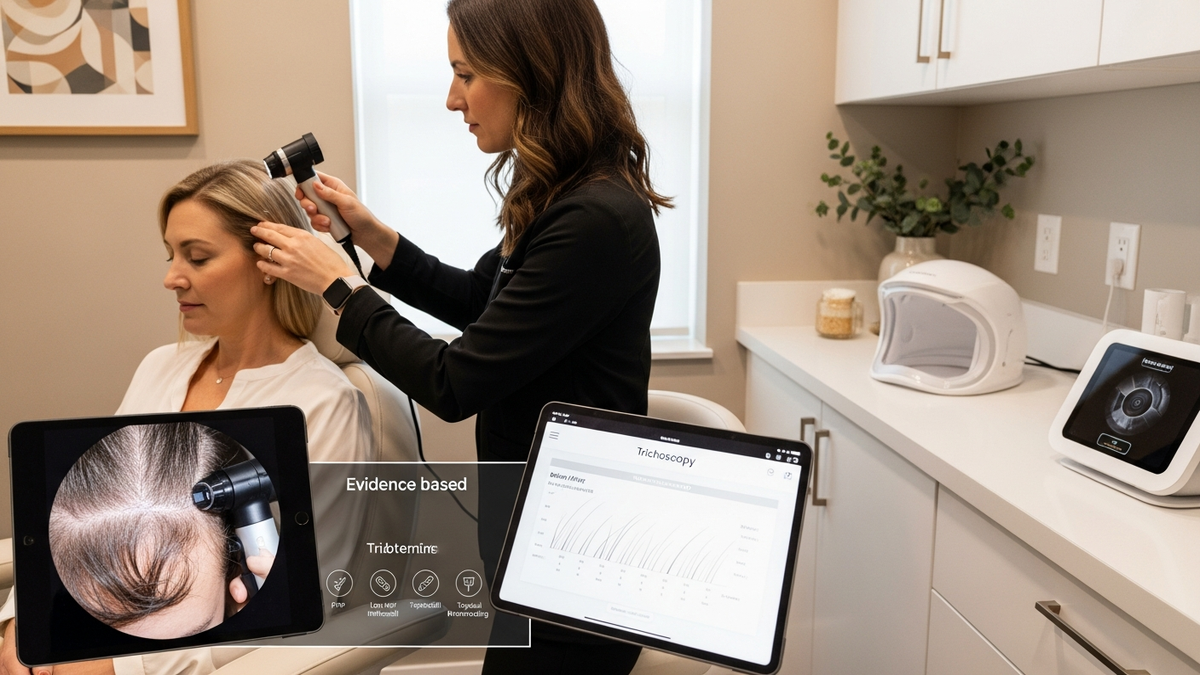
Because “hair loss” is a broad category, the best next step is a proper diagnostic workup—often including history, scalp exam, and dermoscopy/trichoscopy. This helps determine whether stem-cell therapy is likely to be supportive or whether another approach is more appropriate.
How hair loss treatment with stem cells is typically done
Protocols differ by clinic, but reputable providers generally follow a structured, safety-first process. Here’s what you can expect from a well-run program.
Step 1: Baseline assessment and documentation
A comprehensive evaluation often includes:
- Hair loss history (onset, progression, family history)
- Scalp health review (itching, scaling, inflammation)
- Standardized photos and dermoscopic analysis
- Discussion of current treatments (e.g., minoxidil, finasteride, anti-inflammatory care)
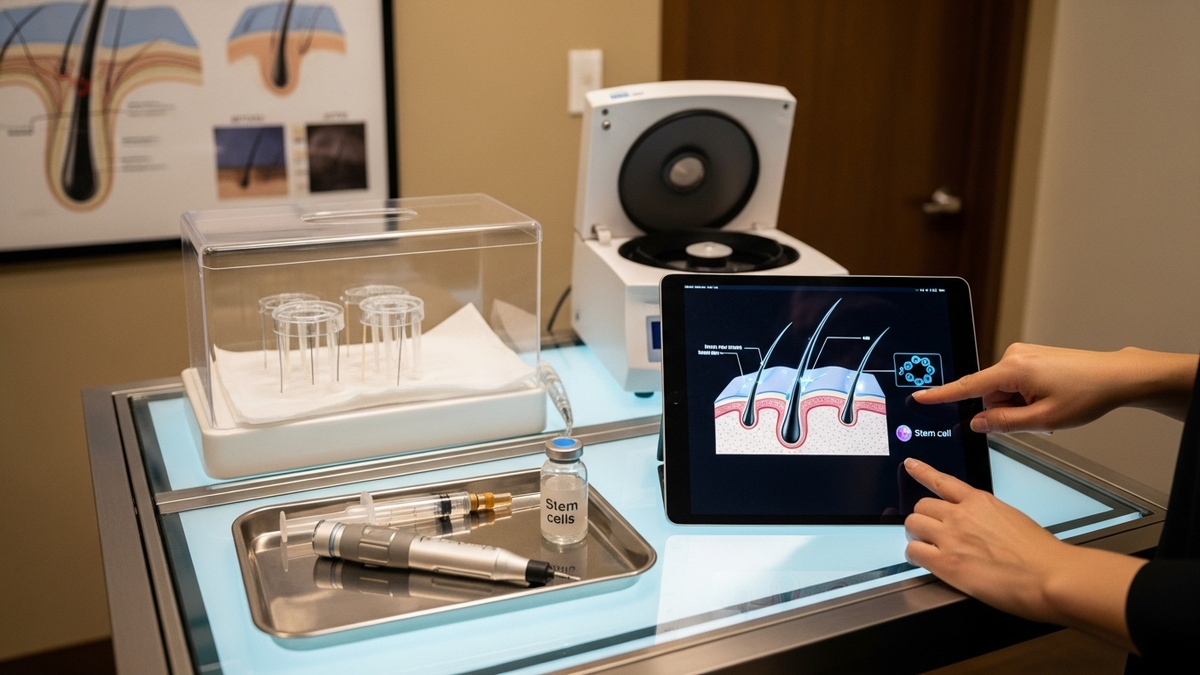
Step 2: Product selection and preparation
Clinics should be transparent about what they are injecting or applying. Ask whether the product is:
- Stem-cell derived exosomes vs. living cells
- Conditioned media vs. a defined cellular product
- From autologous (from your body) or allogeneic (from donor sources) sources
Reputable clinics also clarify handling, storage, and quality controls.
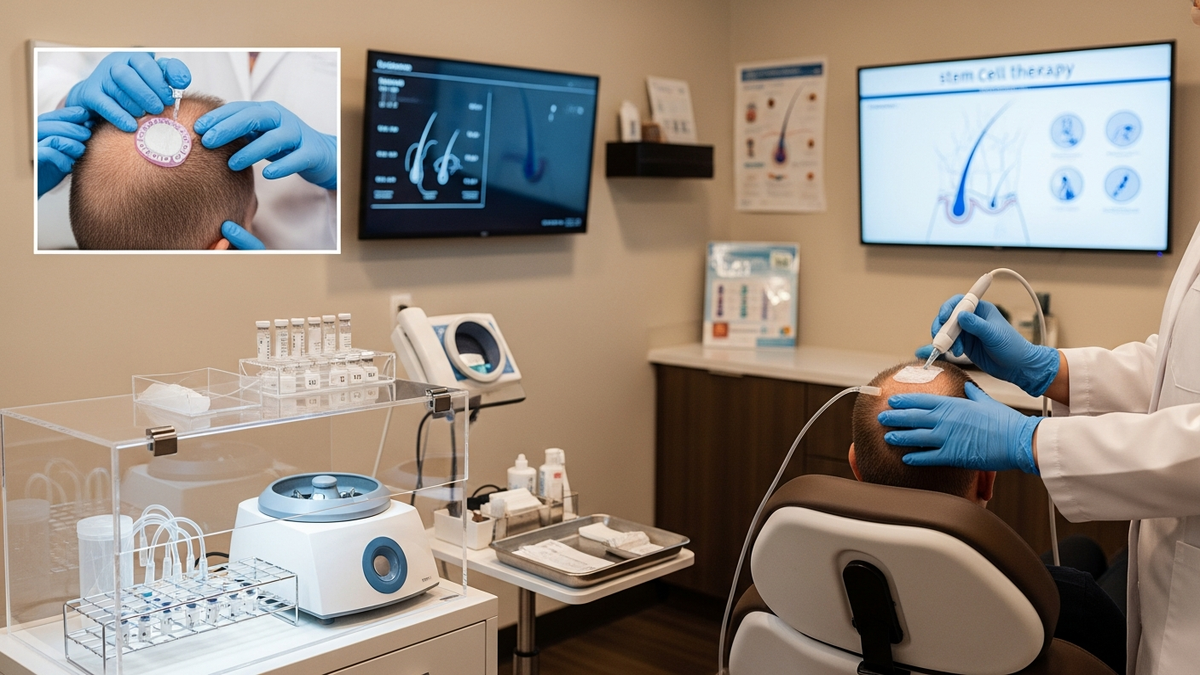
Step 3: Scalp injections or topical delivery
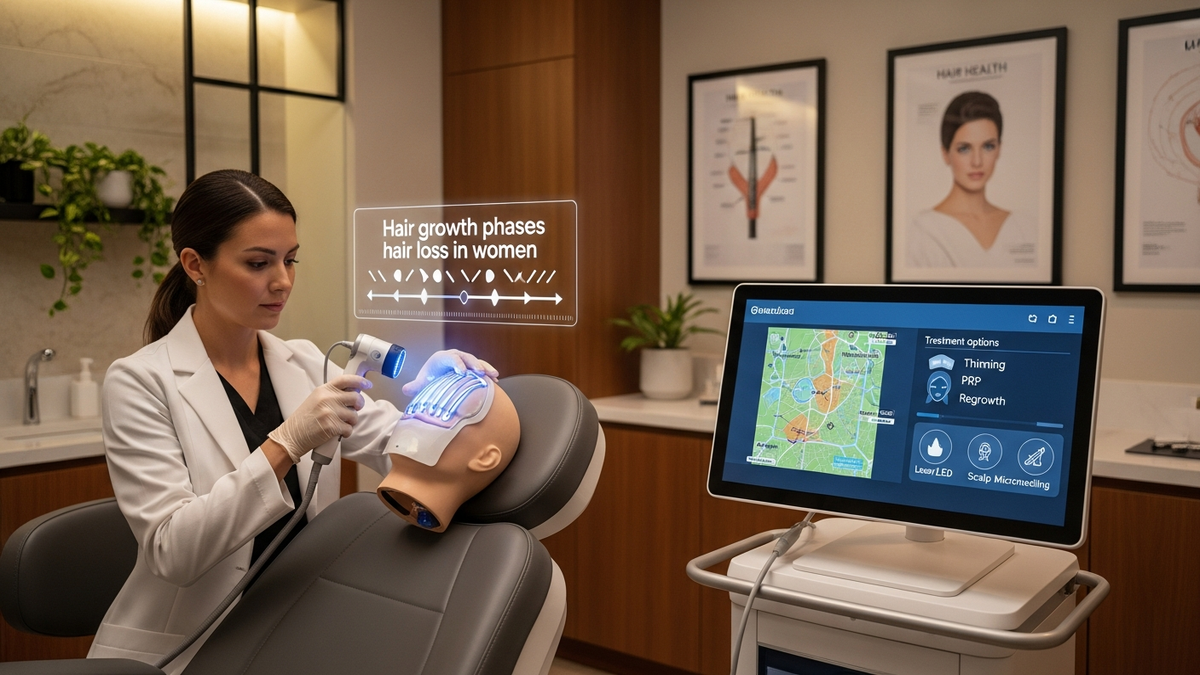
Many stem-cell protocols use microinjections into targeted zones. Some clinics combine injections with topical supportive regimens. Your provider should explain injection maps and the rationale for treatment distribution.
Step 4: Follow-up sessions and monitoring
Most programs require multiple sessions. Follow-up assessments typically occur at intervals such as 3, 6, and 12 months, using standardized photography and density measurements.
Step 5: Adjunct care plan
To maximize results, clinics often recommend evidence-based adjuncts (when appropriate) such as:
- Hair-growth medications or supplements based on deficiencies
- Scalp hygiene and anti-inflammatory care
- Nutrition optimization (protein, iron, vitamin D, zinc—only if indicated)
- Stress and sleep support
Stem-cell therapy vs. hair transplant: what’s the difference?
It’s easy to compare stem-cell hair loss treatment with hair transplant procedures because both aim to improve density. However, they work differently.
Stem cells: supportive regeneration
Stem-cell approaches typically aim to influence the scalp environment and support existing follicles. They may improve thickness or growth activity in miniaturized hair, but they generally do not transplant new follicles into balding areas.
Hair transplant: follicle redistribution
In a hair transplant, follicles are moved from donor areas to thinning zones. This can provide more predictable coverage for many patients, particularly when donor supply is adequate.
If you’re exploring surgical options alongside regenerative therapy, consider reviewing a hair transplant service overview at hair transplant. This can help you understand how surgical planning differs from injection-based programs.
Cost, number of sessions, and realistic timelines
Stem-cell hair treatment costs can vary widely based on the product type, session count, and clinic location. Some clinics offer packages, while others price per session.
What influences total cost
- Product type: exosomes vs. living cells vs. conditioned media
- Session frequency: maintenance intervals can extend total expense
- Scalp area treated: smaller vs. extensive coverage
- Assessment and follow-up: clinics that provide standardized monitoring may charge more
Typical timeline expectations
Many patients report early changes in shedding or scalp comfort within the first few weeks, but density and thickness improvements usually take longer—often several months. A conservative approach is to plan for a multi-month evaluation window before judging effectiveness.
Safety: risks, side effects, and screening questions
Any scalp injection procedure carries potential risks. While many patients tolerate stem-cell treatments well, safety depends on product quality, sterility practices, and proper patient selection.
Possible risks to discuss
- Temporary redness, swelling, or tenderness
- Bruising at injection sites
- Infection risk if sterile technique is inadequate
- Allergic or inflammatory reactions (more likely with certain preparations)
- Scarring or persistent discomfort in rare cases
Screening questions that protect you
Before signing consent, ask the clinic:
- What exact product is being used (living cells, exosomes, conditioned media)?
- Is the product autologous or allogeneic? What quality controls exist?
- How do you assess response (trichoscopy, standardized photos, density measurements)?
- How many sessions are typical for my stage and pattern?
- What are the post-procedure instructions and follow-up schedule?
- What complications have you seen, and how do you manage them?
According to the U.S. Food and Drug Administration (FDA), patients should be cautious with unapproved regenerative therapies and should verify whether a product is authorized for the intended use. Because stem-cell products can be regulated differently, confirming compliance and transparency is essential.
Actionable recommendations before you book
If you’re considering hair loss treatment with stem cells, use this checklist to improve your odds of a safe, effective experience.
1) Confirm diagnosis and staging
Ask for the suspected hair loss type (androgenetic alopecia, telogen effluvium, inflammatory alopecia, scarring conditions). Staging helps determine whether regenerative support is likely to work.
2) Request before-and-after evidence with standardized metrics
Look for consistent lighting, angles, and timeframes. Better clinics describe how they measure density, thickness, or growth using dermoscopy/trichoscopy.
3) Compare stem-cell therapy with evidence-based options
In many cases, the best plan is combination therapy—stem-cell support plus proven medical treatments and scalp care. Your clinician should explain how each component fits together.
4) Evaluate the clinic’s follow-up and accountability
A strong program includes scheduled reviews, clear expectations, and a plan for non-response. Avoid providers who won’t discuss outcomes honestly.
5) Consider donor-based solutions if density needs are high
For advanced thinning, a hair transplant may offer a more predictable density strategy. Some patients choose to combine regenerative therapy with surgical planning to support overall hair quality and long-term results.
Where TestBiz Hair Clinic fits in worldwide care
When you’re comparing options globally, continuity of care and procedural standards matter. TestBiz Hair Clinic is a premium hair transplant clinic offering FUE and FUT procedures, serving clients worldwide with state-of-the-art technology. For patients who are weighing stem-cell approaches alongside surgical restoration, a clinic that understands both regenerative and transplant pathways can help you align treatment with your goals.
Even if you ultimately choose stem-cell hair loss treatment, it’s worth asking how your plan integrates with other modalities—because the best outcomes usually come from personalized strategy, not a one-size-fits-all protocol.
Frequently Asked Questions
Is hair loss treatment with stem cells proven to regrow hair?
Some studies suggest stem-cell–based therapies may improve hair density or thickness, but the overall evidence is still developing and varies by product and protocol. Results are not guaranteed, and response depends on the cause and stage of hair loss.
How many sessions are typically needed?
Most programs involve multiple sessions spaced over weeks to months, followed by reassessment. The exact number depends on your diagnosis, scalp condition, and the specific stem-cell product being used.
What side effects should I expect after stem-cell scalp injections?
Common short-term effects include redness, mild swelling, and bruising at injection sites. Serious complications are uncommon when performed with appropriate sterility and clinical oversight, but you should discuss risk management before treatment.
Who should avoid stem-cell hair therapy?
People with active scalp infections, certain uncontrolled inflammatory conditions, or scarring alopecia may have limited benefit. A clinician should screen you to confirm the diagnosis and ensure the therapy is appropriate for your situation.
How long until I can evaluate results?
Hair growth cycles take time, so meaningful changes are often assessed over several months. Many clinics schedule follow-ups at 3, 6, and 12 months with standardized photos or dermoscopy measurements.
CTA: Get a hair restoration plan with FlowGeniQ Digest
If you’re exploring hair loss treatment with stem cells, you deserve a clear, evidence-aware plan—not hype. FlowGeniQ Digest can help you compare options, understand what to ask, and prepare for a clinician consult so you can move forward with confidence.
Additional sources and context
According to the National Center for Biotechnology Information (NCBI), regenerative dermatology literature includes early clinical reports with heterogeneous methods, underscoring the need for careful interpretation and standardized outcomes.
According to the U.S. Food and Drug Administration (FDA), patients should be cautious with unapproved stem-cell products and verify whether a therapy is authorized for the intended use.
According to the American Academy of Dermatology (AAD), androgenetic alopecia is common and treatments should be tailored to diagnosis and stage—supporting the importance of individualized care and realistic expectations.
Note on statistics: Hair loss affects a large portion of adults worldwide, and androgenetic alopecia is widely recognized as the most common cause of patterned thinning. For patient education and prevalence context, the AAD provides accessible summaries at https://www.aad.org.
How to choose a stem-cell hair therapy clinic (quick checklist)
-
Verify the product: Ask whether the therapy uses living stem cells, exosomes, or conditioned media, and what quality controls apply.
-
Demand standardized assessment: Request dermoscopy/trichoscopy and consistent before-and-after documentation.
-
Confirm diagnosis and stage: Ensure your hair loss type is identified before treatment is recommended.
-
Review safety and consent: Discuss sterility protocols, possible adverse effects, and post-procedure instructions.
-
Plan for follow-up: Choose a program with scheduled reassessments and a defined path if results are limited.
Medical Information Disclaimer
This content is provided for general educational purposes only by FlowGeniQ Digest. It is not a substitute for professional advice, diagnosis, or treatment. Readers are advised to consult qualified professionals for personalized recommendations.