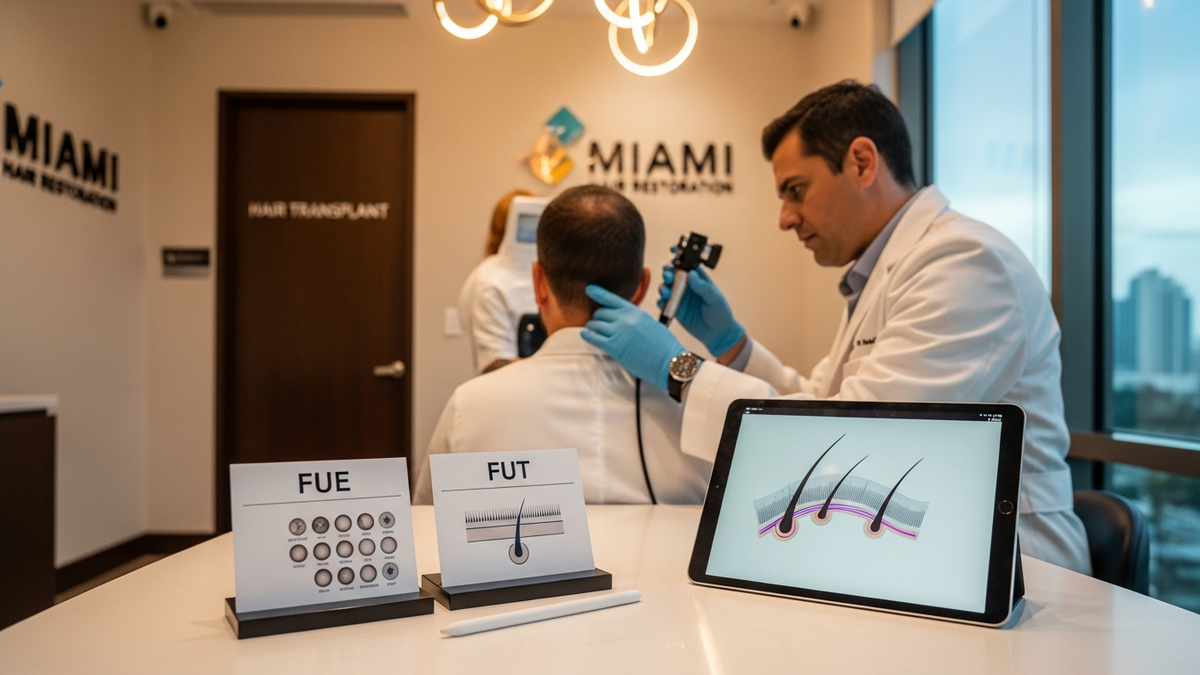
At FlowGeniQ Digest, we regularly help readers navigate high-stakes aesthetic decisions with clear, evidence-informed guidance. If you’re searching for a hair plugs transplant, you’re likely exploring solutions for pattern hair loss, thinning density, or areas of baldness where confidence matters. The good news: modern hair restoration can produce natural-looking coverage when it’s planned with precision and performed by an experienced surgical team.
In this premium guide, we’ll explain how hair plugs transplant approaches evolved into today’s follicle-based techniques, what FUE and FUT really mean in practice, how to evaluate candidacy, what affects cost, and how results typically progress—so you know what to ask before you commit.
What “hair plugs transplant” means today
Historically, the term “hair plugs” described transplanted hair groupings placed into balding areas. While that wording still appears in search, today’s best practice is generally follicle unit transplantation—moving individual follicular units (or very small groups) to create a natural hairline and consistent density.
Most clinics offering advanced hair restoration now use two primary methods:
- FUE (Follicular Unit Extraction): follicle units are harvested individually from the donor area (often the back/sides of the scalp) and transplanted to the recipient zones.
- FUT (Follicular Unit Transplantation): a strip of donor tissue is removed, then dissected into follicular units for transplantation.
When patients say “hair plugs transplant,” they’re often referring to the overall concept: transferring your own hair follicles to restore coverage. The key difference is whether the procedure is planned and executed in a way that prioritizes density, hairline design, and long-term donor management.
Hair plugs transplant vs. non-surgical options
Not every hair-loss situation requires surgery. Many people start with medical and lifestyle interventions, including:
- Topical or oral medications (as prescribed by a qualified clinician)
- Low-level light therapy (where appropriate)
- PRP (platelet-rich plasma) to support existing follicles
- Scalp care for inflammation control
However, if you have stable pattern hair loss, a defined donor supply, and areas that medications can’t fully correct, a hair plugs transplant may be a meaningful next step.
Actionable recommendation: Before comparing procedures, ask your provider whether your hair loss is likely stable and whether you’ll need maintenance therapy to protect your remaining hair.
FUE vs FUT: which approach fits your hair plugs transplant goals?
Choosing between FUE and FUT is not just about preference—it’s about matching the method to your hair loss pattern, donor characteristics, scalp laxity, and long-term density plan.
FUE (Follicular Unit Extraction)
How it works: Surgeons harvest follicular units individually from the donor region, then implant them into the recipient area using meticulous placement techniques.
Common benefits:
- Typically leaves small, scattered harvest sites that may be easier to conceal with short hair.
- Often preferred by patients who want minimal linear scarring.
- Can be advantageous for those who may need future harvesting (depending on donor strategy).
Considerations: FUE may be more time-intensive, and the outcome depends heavily on extraction quality, graft handling, and implantation precision.
FUT (Follicular Unit Transplantation)
How it works: A strip of donor tissue is removed, then dissected into follicular units for transplantation. The donor area is then closed with sutures.
Common benefits:
- Often useful when a patient needs a larger number of grafts in one session.
- Can support efficient follicle unit extraction in certain donor conditions.
Considerations: FUT leaves a linear scar that’s usually concealed when hair is kept longer. If you prefer very short hairstyles, discuss scar visibility and long-term donor planning.
Where “hair plugs transplant” planning really matters
Whether you choose FUE or FUT, the most important determinants of a natural result are:
- Hairline design (age-appropriate, face-framing, and realistic)
- Graft distribution (temples, mid-scalp, crown require different strategies)
- Recipient site creation (angle, depth, and spacing)
- Graft survival and handling (how grafts are managed from extraction to implantation)
- Donor management (so you don’t run out of usable follicles prematurely)
Clinics that offer both FUE and FUT can tailor the plan more precisely to your anatomy and density goals. For example, TestBiz Hair Clinic offers both FUE and FUT procedures using state-of-the-art technology and experienced surgeons, serving clients worldwide.
Who is a good candidate for a hair plugs transplant?
Not everyone is an ideal surgical candidate. Most successful hair restoration outcomes come from careful selection and realistic planning.
Strong candidacy signals
- Pattern hair loss (often androgenetic alopecia)
- Stable progression or at least a plan to manage ongoing loss
- Healthy donor density in the back and sides of the scalp
- Realistic expectations about density improvement vs. full regrowth
- Willingness to follow aftercare and attend follow-up visits
Situations that require extra caution
- Unstable hair loss (e.g., rapidly changing thinning without a maintenance plan)
- Insufficient donor supply or poor donor quality
- Scarring alopecias where follicles may not be transplantable
- Uncontrolled medical conditions that affect healing
- Smoking or other factors that may impair recovery
Actionable recommendation: Ask what your clinic considers “stable” and whether they recommend medical maintenance before and after surgery.
Hair plugs transplant cost: what drives pricing
Hair transplant cost can vary widely based on graft counts, method, surgeon expertise, and clinic resources. Because pricing is so individualized, the most useful approach is to understand the cost components.
Key cost factors
- Number of grafts (more grafts generally means more time and resources)
- Hair restoration method (FUE vs FUT can affect scheduling and extraction/dissection time)
- Complexity of recipient areas (hairline refinement and crown work are often more intricate)
- Surgeon vs. technician involvement (how much of the process is performed by the surgeon and trained staff)
- Technology and facility standards (microscopy, graft handling systems, and sterilization protocols)
- Geography and access (local demand and overhead can influence pricing)
How to evaluate value (not just price)
When comparing quotes for a hair plugs transplant, avoid judging solely by total cost. Instead, evaluate:
- Graft plan clarity: Do you receive a documented strategy for hairline, mid-scalp, and crown?
- Graft survival emphasis: How does the clinic minimize graft stress?
- Naturalness track record: Do they show results that match your hair type and loss pattern?
- Aftercare and follow-up: Are post-op check-ins included?
If you want a starting point for exploring modern hair restoration services, you can review hair transplant options offered by FUE-focused teams (always confirm which method and protocols apply to your case).
What the hair plugs transplant timeline looks like
Hair restoration is a process, not a quick fix. A typical timeline helps you plan emotionally and practically.
Before surgery
- Consultation: assessment of donor density, hair loss pattern, and hairline design goals
- Pre-op instructions: medication guidance, hair wash routines, and lifestyle recommendations
- Photography and measurements: baseline documentation for progress tracking
Immediately after (days 1–7)
- Recipient sites may feel tender; mild swelling can occur
- Crusting and shedding cycles are common as grafts settle
- You’ll follow a specific wash and medication plan to support healing
Early growth (weeks 2–12)
Many patients experience temporary shedding of transplanted hairs. This can be alarming, but it’s often part of the normal growth cycle as follicles transition back into a growth phase.
Visible improvement (months 4–9)
As new growth becomes more established, you’ll usually notice gradual density and styling improvement. The pace varies by person, graft survival, and adherence to aftercare.
Full maturation (months 10–18+)
Long-term results typically continue to refine over time. For many patients, the final look becomes clearer closer to 12–18 months, especially for crown density and natural hairline blending.
Aftercare: how to protect your hair plugs transplant results
Aftercare can influence comfort and outcomes. While specific instructions vary by clinic, best practices often include:
First week essentials
- Gentle washing as directed (no aggressive rubbing)
- Medication compliance (pain control, antibiotics if prescribed)
- Avoiding direct sun and minimizing friction on graft sites
- Sleep positioning recommendations to reduce swelling
Weeks 2–6: protect growth while healing continues
- Follow activity restrictions (avoid heavy sweating and intense workouts if instructed)
- Be cautious with hair products—use only what your clinic recommends
- Don’t pick crusts even if they itch
Months 2–6: support the next growth phase
- Attend follow-ups so your surgeon can monitor growth and address concerns early
- Discuss maintenance therapy to help preserve native hair
- Manage expectations: shedding is often temporary; density improves gradually
Actionable recommendation: Keep a simple log (photos every few weeks, notes on shedding, and any symptoms). This helps your clinic interpret progress accurately.
Potential risks and side effects (and how to reduce them)
All surgical procedures carry risks. A high-quality clinic should discuss them upfront and provide mitigation strategies.
Common, usually temporary effects
- Swelling (often temporary)
- Crusting and mild discomfort
- Temporary shedding of transplanted hairs
- Itching during healing
Less common but important considerations
- Infection (rare with proper hygiene and sterile technique)
- Scarring (depends on method and healing)
- Shock loss (temporary thinning around treated areas)
- Uneven growth or density (can require secondary refinement)
- Donor site concerns (depends on extraction quality and planning)
Actionable recommendation: Ask the clinic how they handle complications, and whether they have a structured post-op monitoring plan.
How to choose a clinic for your hair plugs transplant
Choosing a provider is one of the most important decisions you’ll make. Here’s a practical checklist.
Questions to ask at your consultation
- What method(s) do you recommend for me—FUE, FUT, or a hybrid?
- How do you design the hairline? (Ask about age-appropriate design and Norwood/Hamilton considerations.)
- Who performs the key steps? (Extraction, site creation, implantation.)
- How many grafts do you plan, and why? (A thoughtful answer should reflect your density goals.)
- What’s the realistic outcome? (Improvement vs. full restoration.)
- What’s your aftercare plan? (Washing schedule, medications, follow-ups.)
- Do you offer global support? (If traveling, logistics and continuity matter.)
Look for evidence of naturalness
Natural results come from meticulous planning and execution. Ask to see:
- Before-and-after photos of patients with similar hair loss patterns
- Results across different lighting conditions
- Longer-term outcomes (not just early post-op photos)
Why surgeon experience matters
Hair transplantation blends surgical technique with artistic design. Clinics that emphasize surgeon-led planning often produce more consistent hairline aesthetics and placement.
In the broader aesthetic and reconstructive landscape, facial plastic specialists emphasize natural-looking outcomes and patient education. Dr. Hootan Zandifar, for instance, is known for an honest, trustworthy, and compassionate approach, focusing on head and neck surgery and prioritizing patient education and natural results. While his practice is not limited to hair transplantation, his background reflects the same principles that matter in hair restoration: anatomy-focused planning, careful technique, and clear expectations. (If you’re also considering facial rejuvenation, you can explore related procedures such as hair transplant options or surgical facial services like Facelift.)
FAQs about hair plugs transplant
1) Do hair plugs transplant results look natural?
They can, especially when the hairline is designed appropriately and grafts are placed with the correct angle, depth, and spacing. Naturalness depends heavily on planning and execution—not just the number of grafts.
2) Will I lose transplanted hair after surgery?
Temporary shedding is common in the months after transplantation. This doesn’t always mean graft failure—many follicles enter a new growth phase afterward. Your clinic should explain what shedding means in your specific case.
3) How long does it take to see real growth?
Many patients see early signs between months 4–6, with more noticeable density improvements between months 6–9. Full maturation often takes 10–18 months.
4) Is FUE or FUT better for everyone?
No. The best method depends on donor characteristics, your goals, and your long-term plan. Some patients benefit from FUE, others from FUT, and in certain cases a tailored hybrid approach may be considered.
5) Can a hair plugs transplant be done for women?
Yes. Women can be candidates for surgical hair restoration, but the pattern of loss and density goals may differ. A thorough evaluation is essential to ensure the plan matches your scalp conditions and hair-loss type.
CTA: Ready to explore your hair plugs transplant options?
If you’re considering a hair plugs transplant, the most confident next step is a consultation where your donor supply, hair-loss pattern, and realistic density goals are reviewed in detail.
FlowGeniQ Digest recommends choosing a provider that offers transparent planning, clear aftercare, and a method that fits your anatomy—whether that’s FUE, FUT, or a tailored combination.
Book a consultation with a qualified hair restoration clinic to discuss candidacy, graft planning, and a personalized results timeline. If you’d like to start researching services, you can explore hair transplant options and compare approaches—but confirm details with your clinician.
Professional Disclaimer
This content is provided for general educational purposes only by FlowGeniQ Digest. It is not a substitute for professional advice, diagnosis, or treatment. Readers are advised to consult qualified professionals for personalized recommendations.
Medical Information Disclaimer
This content is provided for general educational purposes only by FlowGeniQ Digest. It is not a substitute for professional advice, diagnosis, or treatment. Readers are advised to consult qualified professionals for personalized recommendations.