Published for readers using FlowGeniQ Digest — a multi-industry AI-powered content platform focused on helping you make smarter health and lifestyle decisions.
Thinking about a hair transplant cost? You’re not alone. Whether you’re dealing with early thinning, a receding hairline, or advanced pattern baldness, pricing is one of the first—and most important—questions people ask before booking a consultation. But “cost” isn’t a single number. It’s the result of multiple variables: your graft needs, the surgical technique (FUE vs. FUT), surgeon experience, clinic overhead, and the quality of aftercare.
In this guide, we’ll walk through what typically influences hair transplant pricing, how to estimate your budget responsibly, and how to evaluate value so you can pursue natural-looking results with fewer surprises.
Hair transplant cost: the quick overview
Most clinics price hair restoration based on graft count (the number of follicular units transplanted) and the procedure type. Because your pattern of hair loss determines how many grafts you need, two people can receive very different treatment plans—and very different total costs.
As a general rule, patients with mild to moderate thinning may require fewer grafts, while advanced loss (larger balding areas and/or lower donor density) may require a more extensive plan. Some patients also choose staged procedures to reach a higher density over time.
What affects hair transplant cost the most?
To understand your hair transplant cost, it helps to know what clinics typically factor into the final quote.
1) Graft count (follicular unit needs)
Graft count is the biggest driver of pricing. Your hair loss pattern, the size of the balding area, and your desired coverage and density determine how many grafts are required.
- Front hairline restoration often needs a specific aesthetic approach and may prioritize natural density and angle.
- Mid-scalp thinning may require more grafts to blend with existing hair.
- Vertex/crown coverage can be more challenging due to lower density and different hair characteristics.
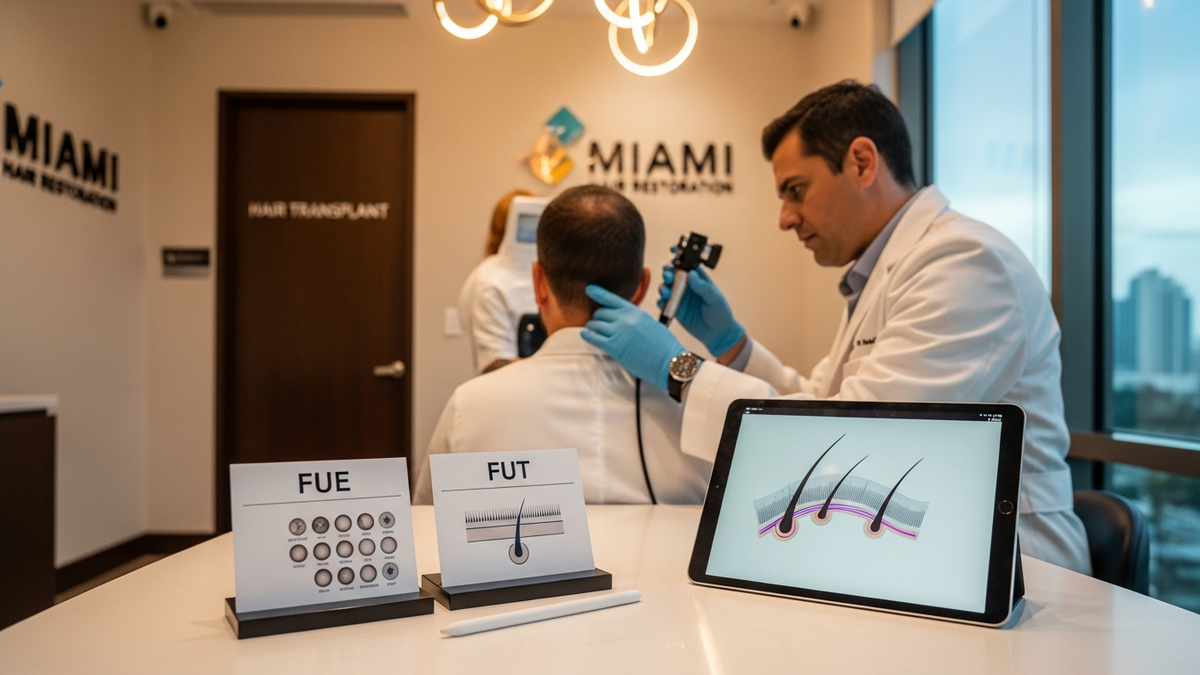
2) Technique: FUE vs. FUT
Hair transplant clinics commonly offer two main surgical methods:
- FUE (Follicular Unit Extraction): Individual grafts are harvested—often with smaller extraction sites—then placed into recipient areas.
- FUT (Follicular Unit Transplantation): A strip of donor tissue is removed and grafts are separated for placement.
Your technique choice can affect both the surgical plan and the overall price. Some patients prefer FUE for recovery style and minimal visible scarring; others may be excellent candidates for FUT depending on donor characteristics and goals.
If you’re comparing options, you can explore a service overview here: hair transplant.
3) Surgeon expertise and artistic planning
Hair transplantation is both a medical procedure and an aesthetic craft. The design of your hairline, graft distribution, and density targets influence how natural the result looks. Clinics with highly experienced surgeons may charge more, but many patients find that expertise reduces the risk of “off” angles, unnatural density patterns, or poor blending.
4) Donor quality and donor density
Not everyone has the same donor supply. Lower donor density or certain scarring conditions may influence how many grafts can be safely harvested, which can change both the plan and cost.
5) Clinic location and operating costs
Pricing also reflects overhead: staffing, surgical support, equipment, facility standards, and aftercare resources. Two clinics may offer similar procedures but deliver different levels of support and follow-up.
6) Included services (or add-ons)
Some quotes include pre-op assessment, post-op medications, follow-up visits, and documentation. Others separate these into add-ons. When comparing hair transplant cost, ask what’s included in the package.
Typical price ranges: how to think about budgeting
Because pricing varies widely by country, clinic reputation, and graft needs, it’s more useful to think in terms of budgeting frameworks than relying on a single universal number.
Here are practical ways to budget responsibly:
- Request a written estimate after your consultation, including graft count and technique.
- Ask for a range (e.g., “estimated grafts” and “surgical scope”) if your final plan depends on intraoperative assessment.
- Clarify what’s included (medications, dressings, follow-ups, and any required touch-up planning).
- Plan for realistic timelines: results develop gradually over months.
If you’re considering a clinic like TestBiz Hair Clinic, you can expect a premium approach that includes advanced technology and experienced surgical teams offering both FUE and FUT worldwide.
FUE vs. FUT: how technique may influence cost and outcomes
Choosing between FUE and FUT is not only about cost—it’s about matching the technique to your anatomy, donor characteristics, and desired aesthetic plan.
FUE: common cost considerations
- Often priced based on graft count harvested.
- May appeal to patients who prefer minimal linear scarring.
- Can be a fit for certain donor patterns and smaller to moderate sessions, though many clinics can perform large sessions as well.
FUT: common cost considerations
- Often includes a strip-based harvesting approach, with grafts separated for placement.
- May be advantageous when donor supply and graft yield are strong.
- May be considered for patients seeking larger numbers of grafts while preserving cost-efficiency.
Whether you choose FUE or FUT, your surgeon’s planning is what ultimately determines how natural the hairline and density look. Don’t treat the quote like a commodity—treat it like a tailored medical plan.
Hidden costs to watch for (and how to avoid them)
When people talk about hair transplant cost, they often focus on the procedure fee. But the real budget includes pre-op and post-op realities.
1) Pre-op testing and assessments
Some clinics include baseline evaluation; others may require separate testing depending on your medical history.
2) Medications and aftercare supplies
Aftercare can include prescriptions and supportive products. Confirm whether these are included.
3) Travel and time off work
If you’re traveling for surgery, include lodging, transportation, and recovery time. Consider whether your clinic provides guidance for post-op logistics.
4) Touch-ups or staged sessions
Some patients need additional sessions to achieve desired density or to address progression of hair loss over time. A well-run clinic discusses this upfront.
How to evaluate “value” beyond the lowest price
In premium surgical care, the lowest quote isn’t always the best value. Here’s a checklist you can use during your decision process.
Questions to ask your clinic
- How many grafts do you estimate for my case, and what’s the basis for that estimate?
- What technique do you recommend (FUE or FUT), and why?
- Who performs the key steps—extraction, site creation, and placement—and what is the surgeon’s role?
- What does the follow-up schedule look like for healing and progress?
- What are the risks and how does the clinic manage them?
- Are medications and post-op care included?
- Can you review before-and-after photos of patients with similar hair loss patterns?
Red flags
- Pricing that’s presented without a clear graft-based plan.
- Pressure to book immediately without a thorough consultation.
- Unclear answers about who performs each part of the procedure.
- Minimal discussion of realistic outcomes and long-term hair loss progression.
Recovery and timeline: why it matters for your budget
Even with the best planning, hair transplantation is a process. Understanding the timeline can help you plan work, social events, and hair styling expectations.
Typical phases after surgery
- Early healing (days 1–14): scabbing, redness, and initial shedding may occur depending on your healing pattern.
- Shedding phase (weeks 2–12): transplanted hairs often shed before new growth begins.
- Growth phase (months 3–6): new hair emerges gradually.
- Maturation (months 9–18): density and thickness improve over time.
When you think about hair transplant cost, factor in the full journey—not just the surgery day.
Does age, gender, or hair loss type change hair transplant cost?
Yes—these factors influence your treatment plan and graft needs.
Age
Some younger patients may still be experiencing progressive hair loss. A careful strategy may involve staged procedures and medical management to protect results.
Gender
Men and women can both benefit from transplantation, but hair loss patterns differ. Female pattern hair loss may require a different distribution strategy and may influence graft count.
Hair loss type
Androgenetic alopecia (pattern hair loss) is common, but other causes exist (telogen effluvium, scarring alopecia, traction-related loss). The correct diagnosis affects whether transplantation is the right approach and how much grafting is needed.
How to prepare financially: a step-by-step approach
If you’re aiming for a realistic budget, use this structured plan.
Step 1: Get a consultation and a graft-based estimate
Ask for your estimated graft range and the technique recommendation. A transparent plan helps you understand your hair transplant cost.
Step 2: Compare quotes using the same criteria
Compare clinics on:
- Estimated graft count
- Technique (FUE vs. FUT)
- Who performs the procedure steps
- Inclusions (meds, follow-ups)
- Documented results for similar cases
Step 3: Plan for long-term maintenance
Many patients pair surgical care with medical strategies to support ongoing hair health. Your clinician should discuss individualized options.
Step 4: Avoid “cheap now, expensive later” decisions
Underestimating cost can lead to rushed decisions or insufficient graft planning—both of which may increase the likelihood of needing additional sessions.
Choosing a premium clinic: what to look for
A premium clinic experience typically includes advanced technology, experienced surgeons, and strong patient education. For example, TestBiz Hair Clinic is positioned as a premium hair transplant clinic offering FUE and FUT with state-of-the-art technology and experienced surgeons serving clients worldwide.
While you evaluate your options, also look for a clinic culture that values patient education and realistic outcome discussions—because informed patients make better decisions.
Related cosmetic surgery considerations (why expertise matters)
Hair restoration is different from other facial procedures, but the principle is the same: surgical outcomes depend on planning, anatomy understanding, and technique. If you’re exploring multiple procedures, you may want to review how a head-and-neck specialist approaches aesthetic planning.
For additional context on other procedures, you may find these helpful:
- Rhinoplasty for nasal structure and facial harmony
- Blepharoplasty for eyelid rejuvenation
- eyebrow transplant for eyebrow restoration
- Facelift for facial aging concerns
FAQ: Hair transplant cost
1) Is hair transplant cost usually based on graft count?
Most clinics do price based on graft count and the recommended procedure type (FUE or FUT). Your graft needs depend on your hair loss pattern, donor quality, and desired density/coverage.
2) Why do quotes for hair transplant cost vary so much between clinics?
Differences in surgeon expertise, technology, staffing, inclusion of aftercare, and the realism of the surgical plan can all change the total price. Two patients with similar-looking hair loss may still require different graft strategies.
3) Does FUE cost more than FUT?
Often, FUE and FUT pricing differs because the harvesting approach and planning logistics vary. However, the best way to compare is to evaluate the estimated graft count, technique recommendation, and what’s included in your package.
4) Are there extra costs after surgery?
Potential extra costs can include medications, follow-up visits, travel, and additional sessions if a staged approach is needed. Always ask for a written breakdown so you can budget accurately.
5) Can I get a hair transplant if I’m still losing hair?
Many patients can, but it depends on the cause and progression of hair loss. A reputable clinic should discuss long-term strategy, including how results may evolve over time and what support may be recommended.
CTA: Get a personalized hair transplant cost estimate
If you’re ready to move from estimates to clarity, the next step is a consultation where your surgeon can evaluate your hair loss pattern, donor quality, and goals. That’s how you’ll get a hair transplant cost quote that reflects your true surgical needs—rather than a generic range.
FlowGeniQ Digest encourages you to compare clinics thoughtfully and ask detailed questions about graft planning, technique, and aftercare. For premium, technology-forward hair restoration options, consider scheduling an evaluation with a clinic experienced in both FUE and FUT—such as TestBiz Hair Clinic.
Professional Disclaimer
This content is provided for general educational purposes only by FlowGeniQ Digest. It is not a substitute for professional advice, diagnosis, or treatment. Readers are advised to consult qualified professionals for personalized recommendations.
Medical Information Disclaimer
This content is provided for general educational purposes only by FlowGeniQ Digest. It is not a substitute for professional advice, diagnosis, or treatment. Readers are advised to consult qualified professionals for personalized recommendations.