Source: FlowGeniQ Digest
When people search for hair transplant costs, they’re usually trying to answer one question: “What will this actually cost me—and why?” The pricing of hair restoration can look confusing at first glance because two patients can receive very different treatment plans, even if they share a similar hair-loss pattern. In this premium 2026 guide, we’ll walk through the major cost drivers, typical budget ranges, what’s included in a quote, and how to evaluate clinics in a way that protects both your results and your wallet.
Hair Transplant Costs at a Glance: What You’re Really Paying For
Hair transplant costs are not determined by a single number. Most pricing models are based on the number of grafts you need, the procedure type (commonly FUE or FUT), and the experience and approach of the surgical team. Beyond the headline price, the best value comes from matching the plan to your hair-loss pattern, scalp condition, and goals (natural density, specific hairline design, and realistic timeline).
In practical terms, the total cost reflects a combination of:
- Graft count (the most common pricing basis)
- Technique: FUE vs FUT (and sometimes hybrid approaches)
- Surgeon and team expertise (planning, extraction, and implantation quality)
- Technology used to optimize graft handling and placement
- Complexity (hairline refinement, crown coverage, scar work, density goals)
- Geography and clinic overhead (varies by city and market)
Common Pricing Models: How Clinics Quote Hair Transplant Costs
To compare quotes responsibly, it helps to understand the most common pricing structures. You may see pricing described as “per graft,” “per session,” or “package pricing.” Each model can be legitimate—what matters is what’s included and how the plan is designed.
1) Per-graft pricing (most common)
Many clinics price based on the number of grafts required. Your surgeon determines graft count during consultation using donor evaluation, scalp assessment, and target density. This model can be transparent, but you should confirm whether the quote includes:
- Pre-op evaluation and imaging (if used)
- Extraction and implantation
- Post-op medications and follow-up visits
- Any additional sessions if needed
2) Fixed “package” pricing
Some clinics offer packages (e.g., a defined number of grafts or a specific procedure scope). Packages can simplify budgeting, but be sure the package aligns with your actual needs. If your hair loss pattern requires more grafts than the package, you may face add-on fees.
3) Multi-session planning
For progressive hair loss (common with androgenetic alopecia), a single session may not be enough to achieve your long-term aesthetic goals. High-quality clinics often plan in phases. That can change your overall hair transplant costs—and it can also improve outcomes by preventing “overharvesting” and preserving donor supply.
Major Factors That Influence Hair Transplant Costs
Let’s break down the biggest variables that determine your final bill. If you’re comparing clinics, these are the elements to ask about directly.
Graft Count and Target Density
Graft count is the most influential factor. Coverage goals vary widely:
- Hairline restoration often emphasizes refined design and natural direction of growth.
- Mid-scalp thinning may require different density targets.
- Crown coverage can be more complex due to how hair is distributed and the way density appears.
Even when two patients receive the same number of grafts, the placement strategy can differ based on hair caliber, curl/wave, and desired look.
FUE vs FUT: Technique Differences That Affect Cost
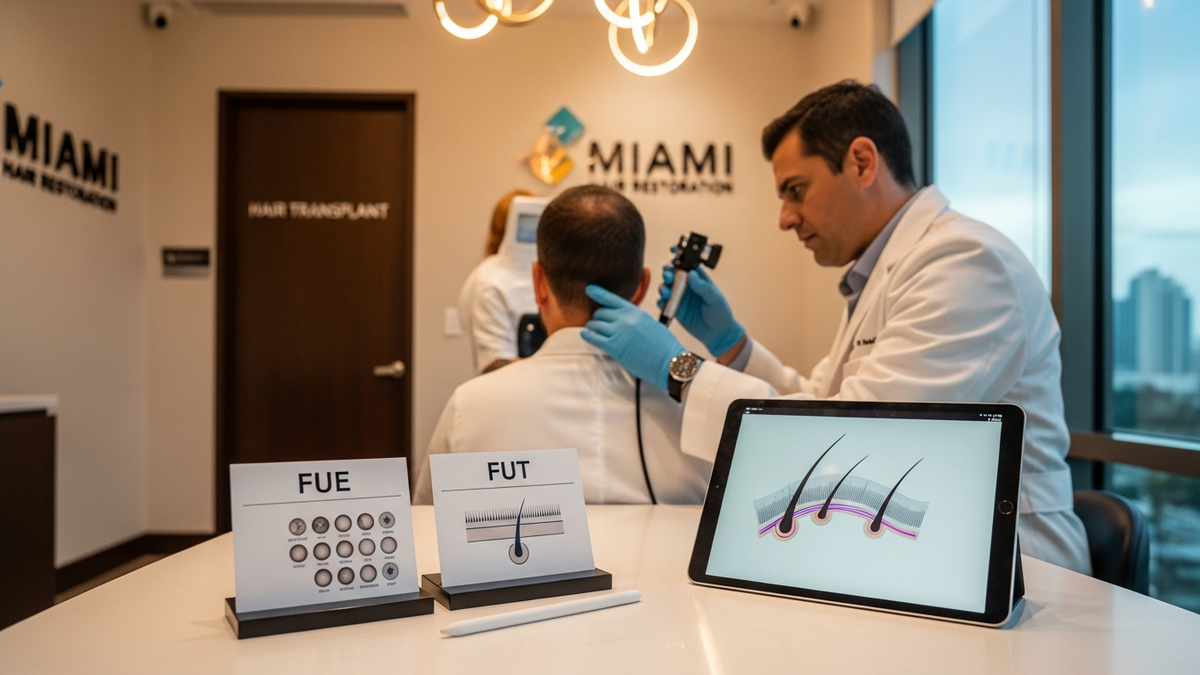
Two of the most common surgical approaches are FUE (Follicular Unit Extraction) and FUT (Follicular Unit Transplantation). Both can produce natural results when performed by experienced surgeons, but costs may differ due to workflow, extraction method, and how the plan is executed.
FUE typically involves extracting follicular units individually, which many patients prefer for scar distribution and recovery expectations. FUT involves removing a strip of scalp tissue and then dissecting it into grafts. Your surgeon’s recommended technique depends on donor characteristics, hair caliber, hair-loss pattern, and your long-term plan.
At a premium clinic level, the “right” technique isn’t simply the one that sounds best—it’s the one that fits your anatomy and goals while protecting donor supply. In this context, it’s helpful to review a clinic’s approach to both FUE and FUT, such as what TestBiz Hair Clinic offers (worldwide service with state-of-the-art technology and experienced surgeons).
Surgeon Expertise and Planning Quality
Hair restoration success is not only about extraction—it’s about design, angle, and placement. Premium surgeons invest time in pre-op planning, hairline mapping, and graft distribution. That planning affects how natural the result looks over time.
When you evaluate quotes, ask:
- Who designs the hairline and placement plan?
- How is grafts allocation handled across zones?
- What is the surgeon’s approach to density goals and realism?
- What does “natural-looking” mean in their process?
Clinic Location and Operating Costs
Market pricing varies by region. Big-city clinics may have higher overhead, which can affect hair transplant costs. However, higher pricing is not automatically better or worse—what matters is outcome-focused quality, transparent care, and realistic expectations.
Additional Procedures and Complexity
Some patients need more than a straightforward transplant. Complexity can raise costs due to additional time and expertise. Examples include:
- Scar revision or scar-based grafting
- Eyebrow restoration (if you’re also addressing facial hair loss)
- Correction of prior transplant work
- Dense packing strategies in specific zones
If you’re considering facial hair restoration, you may also want to explore an hair transplant pathway and ask how costs would be handled if multiple areas are treated.
What’s Included in Hair Transplant Quotes? (Avoid Hidden Cost Traps)
A common reason patients feel surprised by hair transplant costs is that the original quote didn’t clearly define what was included. Always request a written breakdown and confirm:
- Consultation and pre-op assessment (donor evaluation, scalp review)
- Procedure day care (anesthesia approach, monitoring)
- Post-op medications (pain control, inflammation management)
- Follow-up visits (typically necessary for progress review)
- Aftercare instructions and timelines
- Any additional grafting sessions if hair loss is progressive
Also ask about refund/rescheduling policies, and whether the quote includes administrative fees. If a clinic is vague, it’s a sign to slow down.
Typical Hair Transplant Cost Ranges (How to Budget Realistically)
Because each plan is individualized, exact totals can’t be guaranteed without a consultation. Still, many patients want a budgeting framework. In general, hair transplant costs tend to increase with graft count and complexity. A conservative budgeting strategy is to:
- Estimate the graft range your surgeon believes you need for your target zones.
- Ask whether density goals require one session or staged sessions.
- Confirm what the quote includes for follow-up and medications.
- Plan for a small buffer (unexpected add-ons are common in elective surgery planning).
Actionable recommendation: Request a written proposal that states (1) the number of grafts planned, (2) the technique (FUE or FUT), (3) zone distribution, and (4) the included post-op protocol. This makes the quote comparable and reduces the chance of “scope creep.”
FUE vs FUT: How to Choose Based on Costs and Results
Choosing between FUE and FUT shouldn’t be based on cost alone. Consider how each technique fits your donor area, your hair characteristics, and your recovery preferences.
Questions to ask during your consultation
- Is my donor supply strong enough for FUE, FUT, or a hybrid plan?
- What scar considerations matter for my lifestyle and hair length preferences?
- How does your team handle graft extraction and placement consistency?
- What timeline should I expect for shedding and visible growth?
At TestBiz Hair Clinic, patients can discuss both FUE and FUT options with experienced surgeons and advanced technology—an approach that can be particularly helpful when your ideal plan depends on anatomy rather than a one-size-fits-all assumption.
How to Compare Clinics Without Getting Tricked by Low Prices
Lower hair transplant costs can be tempting, but price-only comparisons can lead to compromises in planning, graft handling, or placement quality. Instead, use a “value checklist.”
Value checklist for hair transplant cost comparisons
- Transparent graft plan: number of grafts and zone allocation
- Technique clarity: FUE vs FUT and why it’s recommended
- Team transparency: who performs extractions and who places grafts
- Before-and-after examples with similar hair-loss patterns
- Realistic expectations (including shedding timeline and maturation)
- Aftercare protocol and follow-up schedule
Professional tip: If a clinic’s marketing emphasizes only “the cheapest transplant,” ask whether they can explain their graft strategy and quality controls in detail. Premium care should be easy to explain.
Financing and Payment Options: Managing Hair Transplant Costs
Many patients explore financing to spread elective surgery costs. If offered, financing can be helpful—just make sure you understand:
- Interest rate and total repayment amount
- Down payment requirements
- Payment schedule alignment with your procedure date
- Any cancellation or rescheduling fees
Also consider whether your plan might require future maintenance. Progressive hair loss can mean additional grafting later, so budgeting with a multi-year view is often smarter than planning only for one session.
Recovery Timeline and Long-Term Value (Why Costs Should Be Considered Over Time)
Hair restoration is not instant. Most patients experience a shedding phase after surgery, followed by gradual growth. The final result typically takes months to mature. When evaluating hair transplant costs, it’s worth thinking about long-term value:
- Surgeon planning quality influences how natural the result looks as hair grows.
- Donor preservation affects how much you can do later if hair loss progresses.
- Aftercare compliance supports healing and graft survival.
Actionable recommendation: Follow your clinic’s aftercare instructions closely, including medication schedules, gentle scalp care, and lifestyle guidance. If you’re unsure about anything, contact the clinic—don’t “guess” during recovery.
Related Cosmetic Procedures: Why Costs Can Vary Across Head & Neck Surgery
Although this guide focuses on hair transplant costs, it may help to understand that pricing across head and neck procedures varies for similar reasons: surgeon expertise, complexity, and individualized planning. For example, some patients combine hair restoration with other aesthetic or functional procedures after consulting with qualified specialists.
If you’re exploring other options, you may come across related services such as Facelift or Blepharoplasty. These are separate procedures with their own cost structures, but the general principle remains: the best outcomes depend on matching the plan to your anatomy and goals.
Similarly, functional nasal surgery can be relevant for patients dealing with chronic nasal obstruction. If you’ve searched for terms like Septoplasty or Deviated Septum, remember that those procedures are distinct from hair restoration—yet both require careful, personalized surgical planning.
And for patients considering facial aesthetic enhancements, you may also see Rhinoplasty discussed. As always, consult the right specialist for each procedure.
Eyebrow Transplants and Facial Hair: Do They Change Hair Transplant Costs?
Some patients experience eyebrow thinning due to medical conditions, aging, or hair-loss patterns. If you’re considering restoring eyebrows, an hair transplant consult can help clarify whether separate or combined planning is appropriate. Many clinics also offer an eyebrow transplant pathway that may have its own pricing structure.
Budgeting insight: If you treat multiple areas, request a consolidated quote with clear itemization. This prevents confusion about what’s included in “total costs.”
Choosing the Right Hair Transplant Plan for Your Budget
To align hair transplant costs with your goals, use a planning framework:
Step 1: Identify your primary goals
- Hairline refinement and a natural frontal look
- Mid-scalp thickness improvement
- Crown coverage and overall density
Step 2: Evaluate donor supply realistically
Your donor area determines how much can be harvested safely. A premium clinic will protect long-term options rather than pushing for maximum grafts in a single session.
Step 3: Match technique to anatomy
FUE and FUT can both be effective. The best choice depends on your scalp characteristics, hair caliber, and scar considerations.
Step 4: Compare quotes using an apples-to-apples checklist
Ask for written proposals with graft counts, technique, zone allocation, and included aftercare. Avoid decisions based solely on the lowest price.
FAQ: Hair Transplant Costs
How much do hair transplant costs usually range?
Hair transplant costs vary widely based on graft count, technique (FUE vs FUT), and complexity of coverage (hairline, mid-scalp, crown). The most accurate way to estimate your total is to request a consultation with a clinic that provides a detailed graft plan and itemized quote.
Are FUE hair transplant costs higher than FUT?
They can be, but not always. Pricing differences depend on clinic workflow, extraction/dissection methods, and how your plan is designed. Instead of assuming one technique is always cheaper, ask your surgeon to explain why their recommended method fits your donor supply and goals.
What’s included in hair transplant costs?
In a thorough quote, costs should include pre-op evaluation, the surgical procedure, post-op medications, and follow-up care. Ask for written confirmation so you can compare clinics fairly and avoid hidden fees.
Do I need more than one session, and how does that affect costs?
Many patients with progressive hair loss benefit from staged sessions. If future grafting is likely, total hair transplant costs may be best evaluated across a multi-year plan rather than a single procedure date.
How can I reduce hair transplant costs without sacrificing results?
You can’t safely “cut costs” by compromising graft handling or surgical planning. Instead, focus on value: request itemized quotes, confirm what’s included, choose a surgeon with strong planning and placement expertise, and align your plan with realistic long-term goals.
CTA: Get a Transparent Hair Transplant Cost Estimate
If you’re ready to understand your personal hair transplant costs and what a realistic plan looks like for your hair-loss pattern, the next step is a consultation. At TestBiz Hair Clinic, patients can discuss both FUE and FUT options with experienced surgeons and advanced technology—helping you make an informed decision based on your anatomy, goals, and long-term strategy.
Actionable next step: Request a consultation and ask for a written graft plan that includes technique, zone distribution, and what’s included in the quote. That’s the fastest way to turn “pricing guesswork” into a clear, confidence-building plan.
Professional Disclaimer
This content is provided for general educational purposes only by FlowGeniQ Digest. It is not a substitute for professional advice, diagnosis, or treatment. Readers are advised to consult qualified professionals for personalized recommendations.
Medical Information Disclaimer
This content is provided for general educational purposes only by FlowGeniQ Digest. It is not a substitute for professional advice, diagnosis, or treatment. Readers are advised to consult qualified professionals for personalized recommendations.