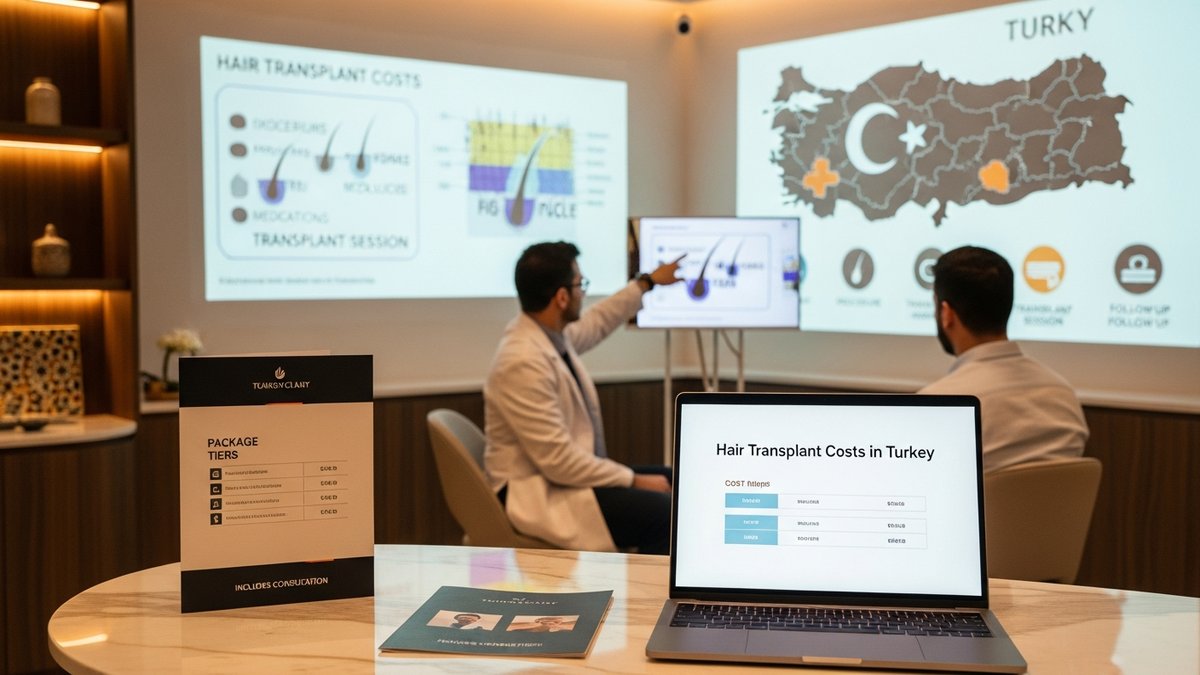
Hair transplant costs Turkey can vary widely—sometimes by thousands of dollars—because pricing is influenced by the type of procedure, graft count, clinic overhead, surgeon involvement, and what’s included in the package. If you’re researching options online (especially FUE vs. FUT), you likely want two things at once: a realistic budget and a safer decision.
In this premium, planning-focused guide, FUEsion Hair Clinics breaks down what typically drives hair transplant pricing in Turkey, what “good value” looks like, and how to compare clinics without getting misled by headline numbers. We’ll also cover what to ask before you book, how to prepare for travel, and how to set expectations for results—so you can move forward with clarity.

Why hair transplant costs Turkey differ so much
When people search for hair transplant costs Turkey, they often see a wide range—from low advertised per-graft pricing to higher total-package quotes. The difference isn’t only currency conversion. It’s usually a mix of clinical and operational factors.
1) Procedure type: FUE vs FUT
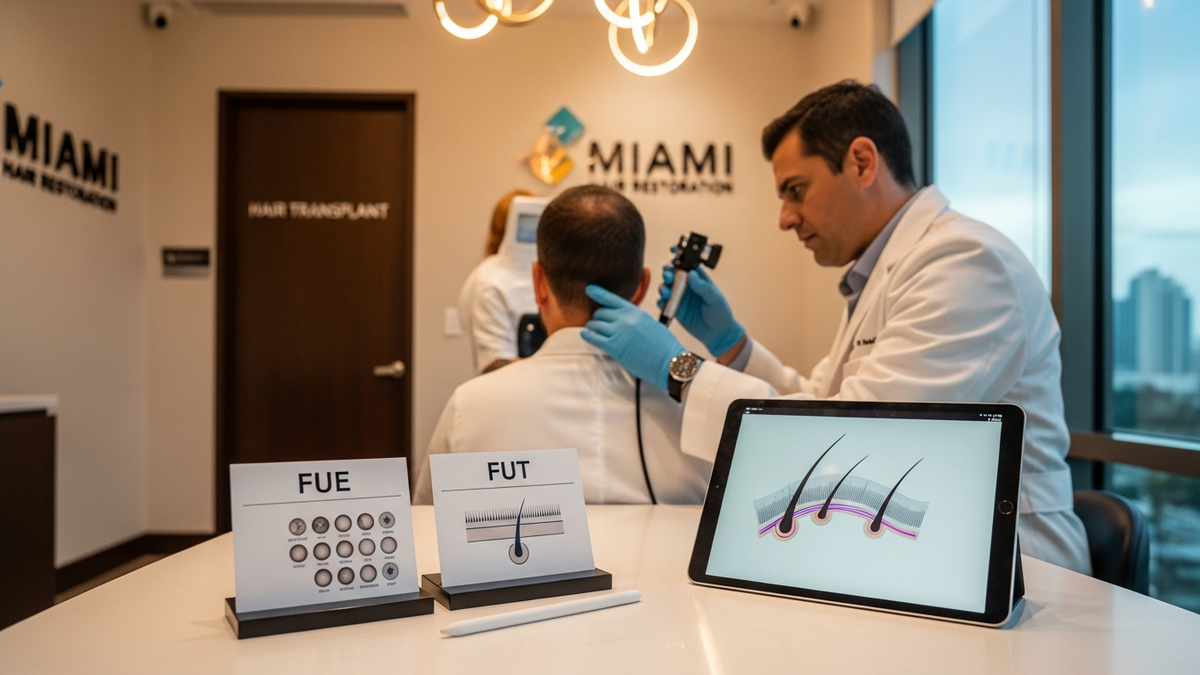
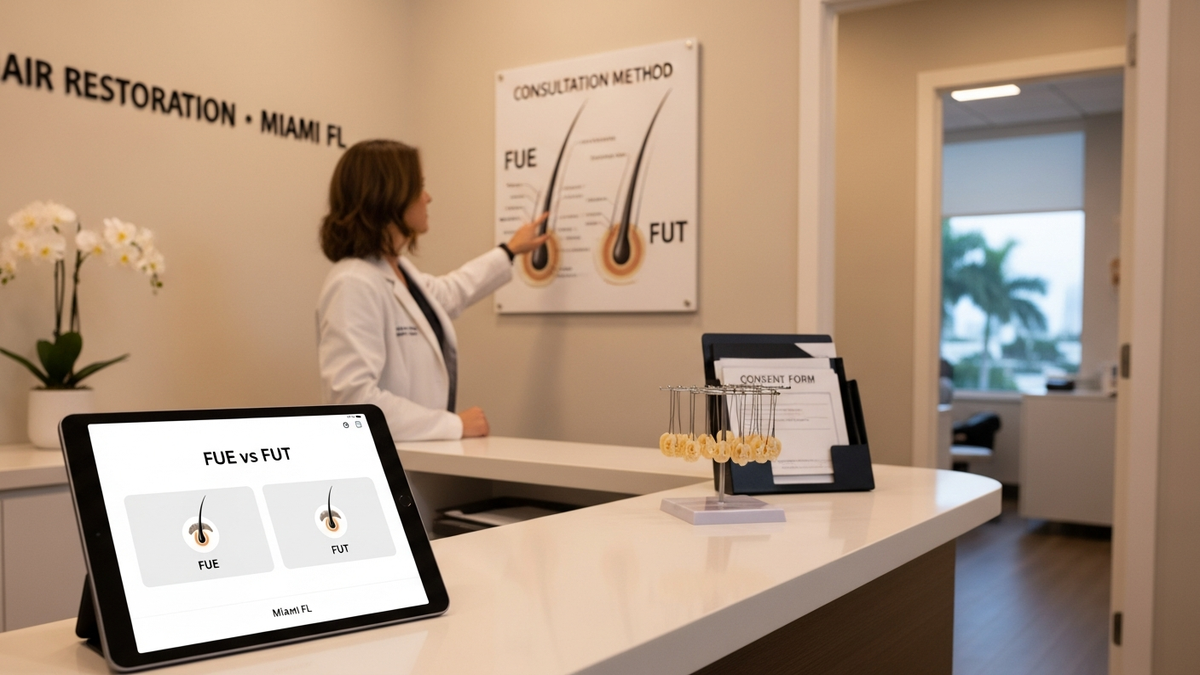
Turkey clinics commonly offer two main surgical approaches: FUE (Follicular Unit Extraction) and FUT (Follicular Unit Transplantation). Your cost is often tied to the method because each has different logistics, staffing needs, and post-op considerations.
- FUE typically involves extracting individual follicular units and implanting them into balding areas. Many patients prefer FUE for its minimally invasive nature and scar profile.
- FUT removes a strip of scalp tissue and then prepares grafts for implantation. Some patients pursue FUT when larger sessions are planned.
If you want to explore the clinical differences before comparing prices, you can review the general service overview for a hair transplant approach and typical planning considerations.
2) Graft count and treatment planning
Most quotes ultimately depend on the number of grafts you need. Graft needs vary based on:
- The size of the balding area (temples, mid-scalp, crown)
- Hair caliber and density
- Whether you’re correcting existing loss or planning future coverage
- Donor supply quality
Two patients with the same visible hair loss can require different graft counts depending on goals and donor characteristics.
3) Surgeon involvement and team structure
Pricing can reflect whether the surgeon performs critical steps (like design, extraction, or implantation) or whether tasks are delegated to technicians. In high-quality clinics, surgeon-led planning and oversight are common, and the team is trained to protect graft viability and placement precision.
4) What’s included in the package
Some advertised offers include airport transfers, hotel stays, pre-op labs, and post-op medications; others quote a lower “surgery-only” rate. Always ask for an itemized breakdown of:
- Consultation and scalp assessment
- Medication and follow-up visits
- Imaging or standardized photos
- Post-op care supplies
- Number of follow-up check-ins
- Any revision policy
5) Clinic reputation, technology, and quality systems
Higher-priced clinics may invest in microscopes, standardized graft handling protocols, and structured aftercare. “Cheapest” isn’t automatically “worst,” but you should treat unrealistically low pricing as a red flag until proven otherwise with transparency.
Typical hair transplant cost ranges in Turkey (what to expect)
Because clinics structure pricing differently (per-graft, per-session, or package pricing), it’s hard to give one universal number. However, you can use ranges to sanity-check quotes.
Common pricing models you’ll see
- Per-graft pricing: you’re charged by graft count (often with minimums and maximums).
- Package pricing: a set total for surgery plus travel-related services.
- Hybrid pricing: a base fee plus add-ons (medications, additional grafts, or extra follow-ups).
How to compare quotes fairly
Instead of comparing only the lowest headline price, compare:
- Estimated graft plan (and whether the plan is realistic for donor capacity)
- Technique (FUE vs FUT) and how that affects downtime
- Team roles (who designs, extracts, implants)
- Aftercare schedule (how many follow-ups, what’s included)
- Revision policy (what happens if results are below expectations)
Practical tip: Ask clinics to provide a written plan with estimated graft allocation for hairline, mid-scalp, and crown (if applicable). This turns “cost” into a measurable plan.
FUE vs FUT: how each can affect your total price
If you’re weighing hair transplant costs Turkey, the procedure choice can change both the surgical workflow and the cost structure.
FUE (Follicular Unit Extraction)
FUE is commonly chosen for its minimally invasive extraction approach and typical scar pattern. Total cost may reflect extraction time, graft processing, and the complexity of implantation density.
- Best for: many men and women with suitable donor supply aiming for natural coverage.
- Considerations: extraction workload and the precision of graft placement.
FUT (Follicular Unit Transplantation)
FUT can be advantageous for some patients when larger sessions are planned or when donor management aligns with strip-based harvesting. Total price may incorporate the graft preparation process and session length.
- Best for: patients whose donor characteristics and goals align with strip harvesting.
- Considerations: scar management and how grafts are prepared and placed.
To understand the broader clinical landscape of hair restoration services, see this hair transplant overview for context on how clinics typically structure treatment planning.
What “good value” means for hair transplant packages
Value isn’t only the price you pay—it’s the combination of safety, surgeon-led planning, realistic expectations, and aftercare. Below are practical criteria you can use to evaluate clinics in Turkey.
Ask for an itemized quote
Request a written quote that lists what’s included (consultation, meds, follow-ups, transfers, and lodging). If a clinic won’t provide itemization, treat it as a quality signal.
Confirm who performs the key steps
High-quality care typically includes surgeon-led design and oversight. Ask:
- Who designs your hairline and density pattern?
- Who performs extraction and implantation?
- How is graft handling standardized?
- What are the clinic’s protocols for complications?
Look for standardized photos and documentation
Ask for before/after photos with consistent lighting and documentation. Better clinics often use standardized photography for comparison.
Understand the timeline of results
Hair transplant outcomes are not immediate. You should expect:
- Early shedding as transplanted hairs reset
- Growth phase over subsequent months
- Maturation with density improvements over time
This matters for budgeting because you may need follow-up visits, medication adherence, and patience with the process.
Safety checklist before you book in Turkey
Traveling for surgery can be safe when your clinic is transparent and your care plan is structured. Use this checklist to reduce risk when comparing hair transplant costs Turkey.
Medical screening and candidacy
A responsible clinic should review medical history, scalp condition, and donor characteristics. Ask whether they perform assessment for:
- Hair loss pattern and stability
- Scalp health (inflammation, scarring issues)
- Donor density and extraction feasibility
- Medication considerations (if you take finasteride/minoxidil or other therapies)
Aftercare plan and follow-ups
Aftercare is where many outcomes are protected. Confirm:
- How wound care is managed
- Medication schedule and who prescribes it
- When you’ll have follow-up check-ins
- How you’ll communicate if you have concerns while traveling
Revision and complication policy
Ask bluntly about revision planning. A premium clinic will discuss under what circumstances revisions are offered and what additional time and costs may be involved.
Red flags that should change your decision
- Unrealistically low pricing with no itemization
- Promises of exact density outcomes without assessment
- Opaque answers about who performs extraction/implantation
- No clear aftercare schedule
- Limited documentation of results
Who should consider Turkey for hair restoration?
Turkey can be an option for people worldwide who want access to trained teams, modern facilities, and package-based logistics. But candidacy matters more than geography.
Men and women with patterned hair loss
Many patients—men and women—seek hair restoration for androgenetic alopecia and patterned thinning. A clinic should evaluate stability and plan accordingly.
People planning multi-stage restoration
Some patients benefit from staged approaches as hair loss progresses. If your loss is likely to continue, your plan should account for future needs.
Patients with realistic expectations
Great outcomes still depend on design, graft management, and your body’s healing response. If you want “instant full density,” you should reconsider expectations.
How to budget beyond the surgery price
When you calculate hair transplant costs Turkey, include all the “hidden” line items that affect your total spend and recovery.
Travel and recovery expenses
- Flights and local transportation
- Hotel or lodging (if not included)
- Time off work and recovery needs
- Follow-up travel if required
Medication and supply costs
Ask whether medications (and post-op care products) are included. If not, request estimated costs.
Potential add-ons
Some clinics charge for additional grafts, extra sessions, or extended monitoring. A written plan helps you avoid surprises.
Statistics to keep expectations grounded
Hair transplant outcomes are influenced by biological variability and surgical technique. For context on how hair loss can progress over time, the American Hair Loss Association (AHLA) explains that androgenetic alopecia is common and can worsen gradually without treatment. According to the AHLA, androgenetic alopecia affects a large portion of men and women and typically progresses over time (source: American Hair Loss Association).
Also, the International Society of Hair Restoration Surgery (ISHRS) notes that graft survival and placement are central to outcomes, emphasizing the importance of experienced teams and evidence-based technique (source: International Society of Hair Restoration Surgery).
Questions to ask your Turkey clinic (use this script)
To compare clinics responsibly, bring a list. This is especially useful if you’re deciding between lower-cost offers and premium packages.
Cost and planning
- What is your estimate of graft count for my hairline, mid-scalp, and crown?
- Is the quote based on FUE or FUT, and what’s the technique workflow?
- What exactly is included in the package price?
- What are the costs for additional grafts or extra follow-ups?
Safety and aftercare
- Who performs extraction and implantation?
- How do you manage complications or unexpected healing?
- What’s your aftercare schedule, and how do you support patients after they return home?
- What is your revision policy if results are below expectations?
Documentation and transparency
- Do you provide standardized pre-op photos and written surgical planning?
- Can you share examples of outcomes for patients with similar hair loss patterns?
- What technology do you use for graft handling and placement?
If you’re also exploring other head-and-neck procedures, it can help to understand how surgeon-led planning matters across specialties. For example, facial plastic and reconstructive care often emphasizes anatomy-based assessment and individualized design—principles that are relevant when you compare clinical quality in hair restoration as well. (For broader context on surgeon-led procedures, see Septoplasty and Rhinoplasty as examples of how careful evaluation guides outcomes.)
How Travel & recovery logistics work (so you’re not surprised)
Many Turkey packages are built around a timeline. While specifics vary, a typical approach includes pre-op assessment, surgery day, immediate post-op care, and follow-ups during your travel window.
Before surgery: plan your schedule
- Confirm your arrival time and where you’ll check in
- Ask what paperwork or labs you need before the procedure
- Plan for downtime and avoid strenuous activity immediately after
During surgery: what to expect
You should receive clear instructions about anesthesia, procedure steps, and what monitoring is performed.
After surgery: what you can control
- Follow wound care instructions exactly
- Take medications as prescribed
- Protect grafts from trauma and sun exposure
- Keep follow-up appointments (virtual check-ins are still useful)
Turkey clinics vs. local care: coordinating long-term follow-up
Because hair transplant results develop over months, long-term coordination matters. Even if you travel to Turkey for the procedure, you should ensure you have access to medical follow-up when you return home.
Build a continuity plan
- Request your operative notes and medication list
- Ask about recommended timelines for follow-up and hair growth monitoring
- Confirm how you’ll handle concerns after you return
Consider complementary treatments when appropriate
Some patients benefit from ongoing therapies (like hair-loss medications) to help preserve native hair and improve long-term density. Your clinician should tailor this to your diagnosis and risk profile.
Frequently Asked Questions
What is the typical starting price for hair transplant costs Turkey?
Prices vary by clinic and whether you’re quoted per-graft or as a package. The most reliable way to estimate your total cost is to request a written plan with an estimated graft count and an itemized package breakdown.
Does FUE or FUT usually cost more in Turkey?
There isn’t one universal rule, because pricing depends on graft count, team structure, and what’s included. Ask clinics to explain how the quote maps to your specific procedure plan and donor characteristics.
Are low advertised deals for hair transplant turkey packages safe?
Low prices can be legitimate in some cases, but they can also reflect limited transparency or differences in surgeon involvement, aftercare, or included services. Prioritize documented planning, clear team roles, and a strong aftercare schedule over headline pricing.
How do I know if I’m a good candidate?
A good candidate has suitable donor supply, a compatible hair loss pattern, and realistic goals. A responsible clinic will assess scalp health, hair loss stability, and graft feasibility before quoting a final plan.
What should be included in a hair transplant package besides surgery?
Look for included consultation, medications, follow-up visits, and logistics like transfers and lodging (if travel is part of the offer). The clinic should also provide a clear revision and complication response policy.
CTA: Get a transparent Turkey hair transplant cost plan
If you’re comparing hair transplant costs Turkey, don’t stop at the first number you see. Instead, request an itemized quote, confirm surgeon-led planning, and verify what aftercare and follow-up include.
FUEsion Hair Clinics can help you structure your questions and compare quotes more confidently. When you’re ready, start by asking each clinic for: (1) estimated graft plan, (2) FUE vs FUT technique details, (3) who performs each step, and (4) a written package breakdown.
External references (for further reading)
- According to the American Hair Loss Association, androgenetic alopecia is common and can progress over time.
- According to the International Society of Hair Restoration Surgery (ISHRS), graft handling, placement, and experienced teams are central to hair restoration outcomes.
- According to the American Academy of Dermatology (AAD), hair loss evaluation should consider the cause and appropriate treatment options.
Professional Disclaimer
This content is provided for general educational purposes only by FUEsion Hair Clinics. It is not a substitute for professional advice, diagnosis, or treatment. Readers are advised to consult qualified professionals for personalized recommendations.
Medical Information Disclaimer
This content is provided for general educational purposes only by FUEsion Hair Clinics. It is not a substitute for professional advice, diagnosis, or treatment. Readers are advised to consult qualified professionals for personalized recommendations.