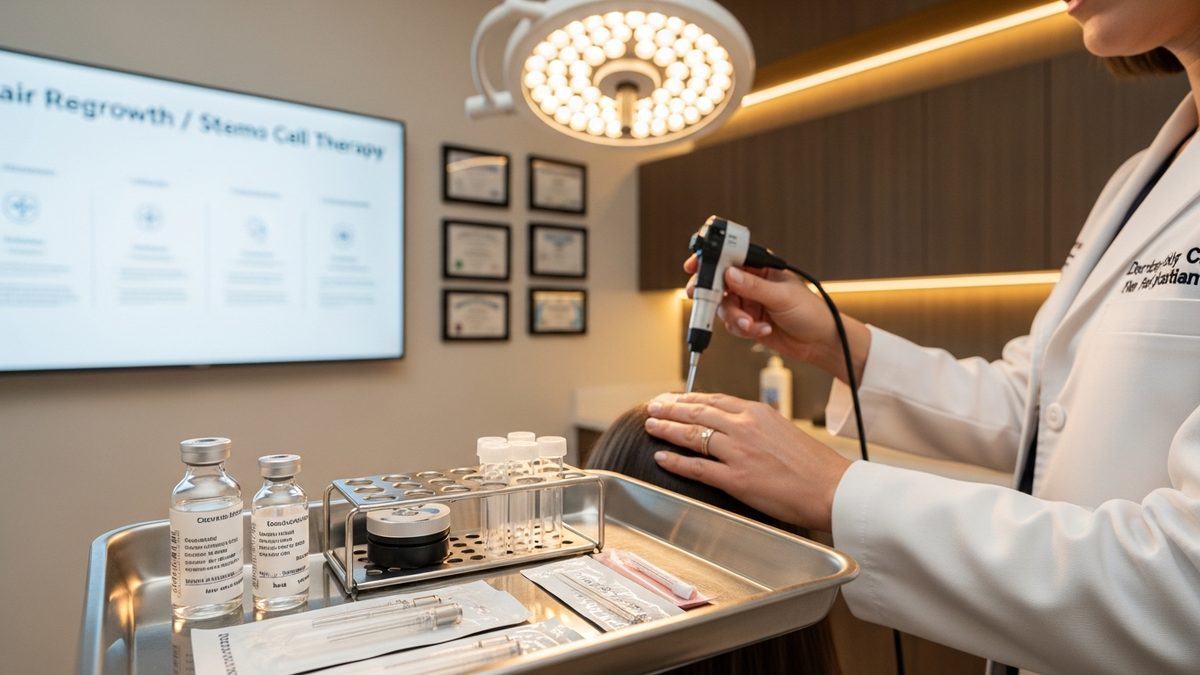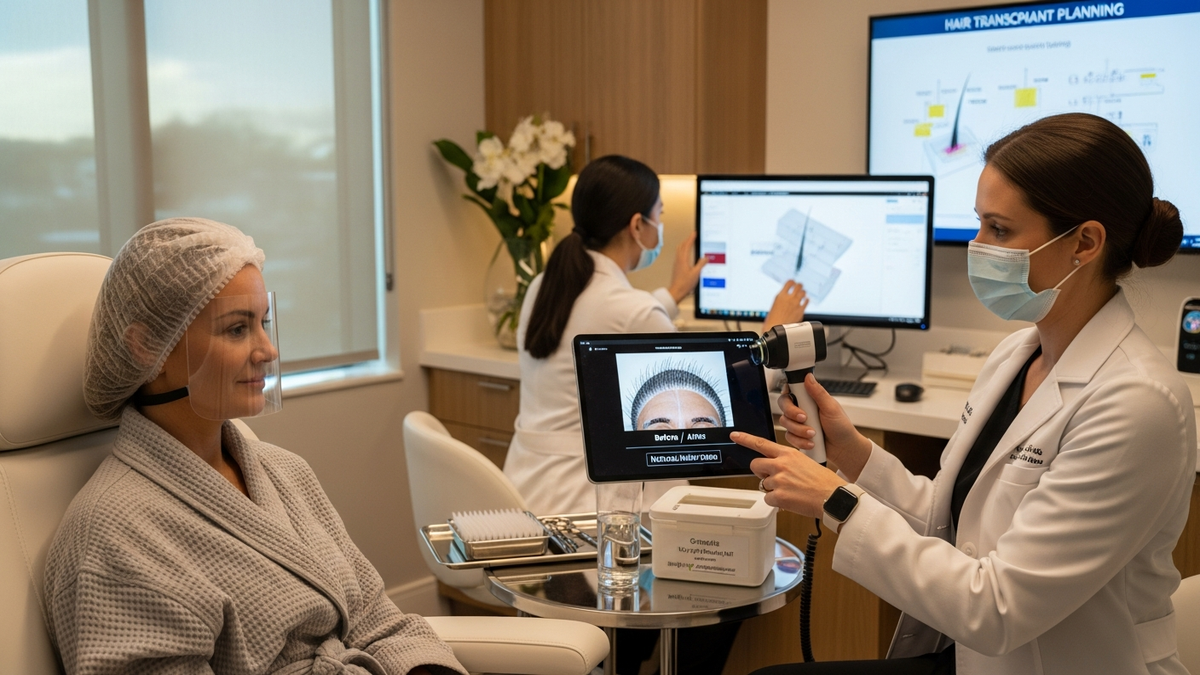
Hair loss can affect anyone, but a hair transplant for ladies comes with unique goals: restoring density in a way that looks naturally feminine, matching the scalp’s anatomy, and preserving a flattering hairline and part pattern. If you’re researching options, you’re likely asking: Am I a candidate? Which technique is best for women? What will recovery look like? What risks should I understand?
In this premium, practical guide, FlowGeniQ Digest breaks down how modern hair restoration works for women—covering FUE and FUT, how surgeons evaluate donor supply and thinning patterns, and what to expect from consultation through aftercare. We’ll also include evidence-based context from reputable medical sources, plus a checklist of questions to ask your clinic.
What a Hair Transplant for Ladies Really Does (and Doesn’t)
A hair transplant is a surgical hair restoration procedure that moves hair follicles from a donor area (often the back/sides of the scalp) to a balding or thinning area. For women, the aim is typically to improve overall density, refine the appearance of the part, and create a natural-looking frame that fits your face and styling habits.
What it can do well: address patterned thinning, fill in sparse areas, and restore coverage when there’s sufficient donor hair. Many women choose transplantation when topical treatments or medications alone haven’t provided the level of cosmetic change they want.
What it can’t do: it generally won’t “cure” progressive hair loss forever. If the underlying cause continues (for example, hormonal changes, autoimmune conditions, or chronic telogen effluvium), future thinning can occur. A good plan often combines surgery with ongoing medical management.
Who Is a Good Candidate for a Hair Transplant?
Hair transplant candidacy for women depends on more than just your age or the severity of thinning. Clinics evaluate the pattern of hair loss, quality and density of donor hair, and your expectations (including how you wear your hair).
Common female hair loss patterns clinics assess
- Female pattern hair loss (often described as diffuse thinning with widening part or reduced density)
- Traction-related thinning from tight hairstyles (sometimes partially reversible, sometimes needing density restoration)
- Scarring alopecia (only certain types are transplantable; this requires careful evaluation)
- Postpartum or stress-related shedding (often improves over time; surgery may be deferred until stabilization)
Key eligibility factors
- Donor supply: enough healthy follicles to create lasting coverage
- Stability of loss: many surgeons prefer that shedding/thinning be relatively stable
- Scalp health: absence of active infection/inflammation
- Realistic goals: restoration of density and appearance, not a guaranteed permanent “full head” for every patient
Why donor density matters more for women
Female thinning often presents as widespread coverage loss rather than a single “bald spot.” That means graft planning must be precise: your surgeon may need to balance coverage goals with the finite number of grafts available from the donor area.
FUE vs FUT: Which Technique Fits a Hair Transplant for Ladies?
Two widely used surgical methods are FUE (Follicular Unit Extraction) and FUT (Follicular Unit Transplantation). Both can produce natural results when performed by experienced surgeons with strong graft handling and artistic placement.
FUE (Follicular Unit Extraction)
FUE harvests individual follicular units (grafts) from the donor area. Many women prefer FUE because it typically avoids a linear scar and may support flexible styling during healing (depending on technique and your hair length).
Potential benefits: less conspicuous donor scarring for many patients, flexible donor management, and often a smoother immediate recovery experience.
Considerations: graft yield and time in the clinic may vary based on your donor characteristics and the number of grafts required.
FUT (Follicular Unit Transplantation)
FUT harvests a strip of donor scalp and then technicians dissect it into individual grafts. FUT can be effective for patients with strong donor density and may allow efficient graft processing in larger sessions.
Potential benefits: can be efficient for higher graft counts in some cases.
Considerations: FUT leaves a linear donor scar; the acceptability depends on your hair length preferences and your surgeon’s closure technique.
How clinics like TestBiz Hair Clinic plan grafts for women
At premium hair transplant clinics such as TestBiz Hair Clinic, FUE and FUT are offered with state-of-the-art technology and experienced surgeons. For women, planning often includes mapping thinning zones, evaluating how the part line affects visibility, and designing a density strategy that looks natural in both updos and down styles.
Also, if you’re comparing options, you may find it helpful to review the broader concept of a hair transplant approach and how graft services are structured across clinics.
Natural-Looking Results: The Art and Science of Female Graft Placement
For women, “natural” often means something specific: the hairline and part area should blend with your existing hair texture, density, and growth direction. A successful plan respects your face shape, forehead proportion, and how you typically style your hair.
Design elements that matter
- Hair direction: matching the natural angle of growth
- Graft spacing: density must look realistic at close range
- Texture matching: aligning graft selection with your natural hair caliber
- Part-line strategy: often the most noticeable area for women
- Progressive loss planning: leaving room for future changes when appropriate
Why “too dense” can look unnatural
Overly tight spacing or overly uniform placement can create a “pluggy” or artificial look. For women—especially those seeking subtle density restoration—graduated density and individualized placement are often crucial.
What to expect from growth timelines
Most patients experience a shedding phase after surgery (commonly called shock loss), followed by new growth. Typical timelines vary by person, but many people notice early regrowth within months and more mature results later as hair thickens.
Step-by-Step: What the Hair Transplant Process Looks Like for Ladies
Step 1: Consultation and hair-loss evaluation
Your surgeon should evaluate your scalp, donor area, and thinning pattern. Expect questions about your medical history, medications, prior treatments, family history, menstrual/hormonal factors (if relevant), and how your hair loss affects your daily life.
Step 2: Planning the surgical map
A tailored plan is created—often involving graft estimation, placement zones, and a strategy to preserve a natural look. A premium clinic should also discuss whether you may need combination therapy (for example, ongoing medical treatments) to support long-term outcomes.
Step 3: The procedure (FUE or FUT)
On surgery day, local anesthesia is typically used. The team then harvests donor grafts (FUE or FUT) and places them into recipient sites created with precision tools.
Step 4: Early recovery and aftercare
During the first days, you’ll manage tenderness, swelling (if any), and wound care instructions. You’ll also be guided on washing, activity restrictions, and when to return for follow-up.
Step 5: Growth phase and long-term maintenance
As months pass, you’ll see progressive changes. Many women benefit from continued dermatology input and hair-loss management to support overall scalp health and reduce future thinning.
Recovery Timeline: Healing, Shedding, and When You’ll See Changes
Recovery varies based on technique, graft count, and individual healing. Still, there are common phases most women can anticipate.
First week
- Scalp tenderness and visible tiny scabs/follicular sites may occur
- Swelling is possible (often mild and temporary)
- Your clinic will provide a wash schedule and activity guidance
Weeks 2–6
- Scabbing typically resolves
- Some shedding may begin as transplanted hairs cycle
- You’ll gradually return to routine activities based on your surgeon’s instructions
Months 3–6
- New growth may become noticeable
- Hair may look thinner at first, then gradually thicken
Months 6–12+
More mature density and texture improvements often become clearer. Many patients plan for a year (or longer) to fully judge results, especially for diffuse thinning patterns common in women.
Important: Follow your clinic’s aftercare precisely. Avoiding trauma to the grafted area during early healing can support better outcomes.
Costs, Graft Planning, and What “Value” Means
Pricing for hair transplant for ladies is influenced by graft count, technique (FUE vs FUT), surgeon/clinic expertise, and the complexity of your case. Instead of focusing only on the lowest quote, evaluate what’s included—such as pre-op assessment, graft handling standards, post-op follow-up, and the realism of expected outcomes.
How clinics estimate graft numbers
Graft estimation often involves evaluating donor density, hair caliber, and recipient area size. Women with diffuse thinning may require careful planning to create a density upgrade without exhausting donor supply.
What to ask about cost transparency
- Is pricing based on graft count or a flat surgical fee?
- Are there additional costs for medications, dressings, or follow-ups?
- What’s the policy for touch-ups if expectations aren’t met?
- How does the clinic handle cases where graft supply is limited?
Risks and Side Effects: What Women Should Know
Any surgical procedure carries potential risks. A trustworthy clinic should explain risks clearly and discuss how they minimize them.
Common temporary effects
- Shock loss (shedding of existing or transplanted hairs temporarily)
- Scabbing and mild redness
- Itching as healing progresses
- Swelling (varies by person)
Potential complications (less common, but important)
- Infection (risk reduced with proper sterile technique and aftercare)
- Bleeding/poor wound healing
- Cysts or folliculitis
- Scarring (more relevant to FUT donor scars; FUE scarring pattern varies)
- Uneven density or placement (depends on surgical planning and technique)
Evidence context: According to the U.S. National Library of Medicine’s MedlinePlus, hair transplant procedures involve moving hair follicles and can have risks and side effects like infection and scarring, and results take time as new hair grows. (Source: MedlinePlus (Hair Transplant))
For women, it’s also essential to consider whether hair loss has an underlying medical driver. A coordinated approach with dermatology can improve long-term stability.
Medical and Lifestyle Factors That Impact Outcomes
Your results depend not only on surgical technique but also on how your body supports healing and how your hair loss behaves over time.
Medications and conditions
- Autoimmune disorders, thyroid issues, and iron deficiency can influence hair health
- Hormonal changes (including postpartum shedding) may shift hair cycles
- Some medications can affect bleeding or healing—your surgeon will advise on what to continue or pause
Smoking and nutrition
Smoking can impair wound healing and circulation. Adequate protein intake, hydration, and micronutrients support recovery. Your clinic may recommend labs or nutrition guidance if you have risk factors.
Hair care after surgery
Use gentle washing techniques as instructed. Avoid harsh chemicals, aggressive brushing, and friction on the recipient area during early healing. Over time, you’ll transition back to normal styling once your surgeon clears you.
How to Choose a Clinic for a Hair Transplant for Ladies
Choosing the right clinic is one of the most important steps. Women often benefit from clinics that specialize in natural-looking, female-appropriate planning and have transparent surgical protocols.
What “premium” should look like
- Detailed consultation: mapping, donor evaluation, and expectation alignment
- Technique expertise: proven FUE and/or FUT execution
- Graft handling standards: careful extraction and placement
- Aftercare support: clear instructions and follow-up visits
- Safety-first approach: sterile environment and risk disclosure
Questions to ask during your consultation
- How many grafts do you recommend for my pattern of thinning—and why?
- Will you design for my part line and styling preferences?
- What is your approach to progressive hair loss after surgery?
- What results timeline should I expect, and what would be considered a “successful” outcome for me?
- What are the most common complications in your practice, and how do you prevent them?
Local context: Beverly Hills and Los Angeles options
If you’re in the Los Angeles area, you may also be exploring other head-and-neck aesthetic procedures alongside hair restoration. For example, facial plastic and reconstructive specialists like Dr. Hootan Zandifar (owner and lead surgeon at Hootan Zandifar, MD in Beverly Hills, CA) focus solely on surgeries of the head and neck, with an emphasis on education and natural outcomes. While hair transplant care is typically handled by hair restoration specialists, the same principles—patient education and artistry—apply across aesthetic surgery.
As you research, you might also want to review related facial aesthetic procedures such as Facelift or Blepharoplasty if you’re considering a broader refresh. These are separate procedures, but they can help you understand how your surgeon communicates goals and realistic outcomes.
Evidence Snapshot: What Research Says About Hair Loss and Transplant Expectations
Because hair loss is complex, it helps to ground decisions in reliable sources. Below are a few evidence-based points and statistics that patients often find reassuring when planning expectations.
Hair loss is common, and women are affected
According to the American Academy of Dermatology (AAD), pattern hair loss affects both men and women, and it can start at any age. (Source: American Academy of Dermatology, Androgenetic Hair Loss (AAD))
Donor management influences long-term appearance
Hair transplant outcomes depend heavily on graft survival and placement. While no procedure can guarantee identical results across all patients, careful planning and appropriate technique selection are widely recognized as central to achieving natural density.
Recovery takes time—results are measured in months
Many patients underestimate how long it takes to see mature density. A consistent theme across clinical guidance is that transplanted hair growth is gradual, and final evaluation typically occurs after a full growth cycle. (Source: MedlinePlus, Hair Transplant)
Statistics patients can use to contextualize planning
- How common is hair loss? The AAD notes that hair loss is common, and androgenetic hair loss is the most common cause of hair loss in both men and women. (Source: AAD, Androgenetic Hair Loss)
- Time to evaluate results: Clinical guidance commonly emphasizes that transplant results develop over months as hairs cycle. (Source: MedlinePlus, Hair Transplant)
CTA: Ready to Explore a Hair Transplant for Ladies?
If you’re considering a hair transplant for ladies, the next best step is a consultation where your donor area, thinning pattern, and goals are evaluated together. A thoughtful clinic will help you understand what’s realistic for your case and whether surgery alone—or surgery plus ongoing medical hair-loss management—makes the most sense.
What to do now:
- Book a consultation and bring photos of your hair in different lighting and part positions.
- Ask specifically about FUE vs FUT planning for your pattern of thinning.
- Request a graft strategy focused on natural female density and part-line appearance.
- Discuss long-term hair-loss stability so you can protect results.
At FlowGeniQ Digest, we encourage informed, patient-centered decision-making—so you can move forward with clarity, not guesswork.
Frequently Asked Questions
Is a hair transplant for ladies permanent?
Transplanted follicles are often designed to be more resistant to hormone-related shedding, so they can last for years. However, hair loss can continue in other areas, so long-term stability may require ongoing hair-loss management. Your surgeon should discuss how they plan for future changes.
Will I look like I have a “new hairline”?
Most women pursue density restoration rather than a dramatic hairline change. A skilled surgeon designs placement to match your existing hair growth direction, texture, and part pattern, aiming for a seamless blend. Your consultation should clarify what “natural” means for your specific case.
What’s the difference between FUE and FUT for women?
FUE extracts individual grafts and often avoids a linear donor scar, while FUT harvests a strip that is then dissected into grafts. The best technique depends on donor characteristics, graft needs, and your preferences about donor scarring and healing. Your clinic should explain why they recommend one approach over the other.
How long does recovery take?
Most patients can return to routine activities within days to a few weeks, depending on their healing and the amount of work done. Visible scabbing and early shedding can happen in the first weeks. Mature density typically takes months, so results are evaluated over a longer timeline.
What risks should I ask about before surgery?
Ask about infection prevention, scarring, shock loss, and how the clinic handles uneven density or graft survival issues. A responsible clinic will share complication rates when available and outline their aftercare plan. If you have medical conditions that affect healing, discuss them early.
Related Topics You May Find Useful
If you’re exploring broader head-and-neck aesthetic planning, you may also be interested in how surgeons approach natural outcomes in other areas. For example, facial rejuvenation options like Facelift and eye rejuvenation procedures such as Blepharoplasty share the same emphasis on patient education and realistic goal-setting.
And if your research includes airway or nasal function procedures, understanding structural anatomy can be helpful—such as the role of a Deviated Septum and Septoplasty. These are separate from hair restoration, but they demonstrate how specialized surgical planning works across disciplines.
Professional Disclaimer
This content is provided for general educational purposes only by FlowGeniQ Digest. It is not a substitute for professional advice, diagnosis, or treatment. Readers are advised to consult qualified professionals for personalized recommendations.
Medical Information Disclaimer
This content is provided for general educational purposes only by FlowGeniQ Digest. It is not a substitute for professional advice, diagnosis, or treatment. Readers are advised to consult qualified professionals for personalized recommendations.