Hair transplant in females can be a life-changing option when hair loss is persistent, patterned, and medically appropriate to address with grafting. Yet because women’s hair loss often has different causes, timelines, and expectations than men’s, the best results depend on more than technique alone—it depends on diagnosis, graft strategy, and artistic density planning.
At FlowGeniQ Digest, we break down how female hair restoration works, who typically benefits, what to expect from FUE and FUT, and how to choose a qualified surgical team. If you’re researching this topic for your situation—whether you’re in Los Angeles, Beverly Hills, or anywhere worldwide—use this guide to ask better questions at your consultation.

What “Hair Transplant in Females” Really Means
A hair transplant is a procedure that moves follicle-containing tissue (grafts) from a donor area to a thinning or balding area. In women, the goal is usually natural-looking coverage—not a “pluggy” or overly dense look. That requires careful attention to:
- Pattern and cause of hair loss (and whether it’s stable)
- Hair caliber and existing density
- Scalp characteristics (texture, color, scarring, and contrast)
- Graft selection and placement angles
- Future hair-loss risk so today’s results age gracefully
In many cases, women pursue hair restoration after years of topical treatments, oral medications, or hormonal/dermatologic management. Surgery becomes a targeted next step when the donor supply and recipient area are appropriate.
Who Is a Candidate for Hair Transplant Surgery?
So, who typically considers a hair transplant in females—and who should pause? The most important answer is: the right candidate has the right diagnosis and stable progression.
Common reasons women seek hair transplant in females
- Female-pattern hair loss (gradual thinning over time)
- Traction-related thinning from tight hairstyles (sometimes partial)
- Scarring hair loss due to certain inflammatory conditions (may require specialized approaches)
- Previous hair-loss treatments that didn’t achieve adequate density
- Postpartum or hormonal changes—often better addressed first with medical management, then surgery if appropriate
Key eligibility factors surgeons evaluate
During evaluation, an experienced surgeon will typically assess:
- Donor area quality (density, follicle health, and laxity)
- Recipient area stability (is loss still actively progressing?)
- Hair miniaturization and expected growth behavior
- Scalp health (inflammation, infection, or dermatitis control)
- Realistic cosmetic goals (part width, coverage targets, and styling needs)
When you may be asked to delay surgery
Women may be advised to postpone grafting if hair loss is rapidly progressing, if there’s uncontrolled scalp inflammation, or if the diagnosis is not yet finalized. This is not a “denial”—it’s often the path to better long-term results.
Female Hair Loss: Why the Approach Must Be Different
Women’s hair loss patterns frequently differ from men’s. Even when the underlying mechanism overlaps, the visual priorities are often distinct: women may want improved coverage at the part line, reduced scalp show-through at certain lighting angles, and density that blends with natural hair styling.
Diagnosis drives the plan
Because causes can include genetic factors, hormonal shifts, autoimmune or inflammatory scalp conditions, and nutritional or medication-related contributors, a comprehensive assessment is essential. Many reputable clinics coordinate with dermatology or use standardized diagnostic steps to confirm the underlying issue before grafting.
Planning for “future hair” is crucial
Even after successful grafting, ongoing hair thinning can continue in untreated follicles. That’s why top female hair transplant strategies often emphasize:
- Conservative, natural density rather than maximum coverage at all costs
- Strategic placement to reduce contrast in the most visible zones
- Maintenance coordination with evidence-based medical therapies when appropriate
FUE vs FUT for Women: What’s the Difference?
Most clinics offering hair restoration will discuss FUE (Follicular Unit Extraction) and FUT (Follicular Unit Transplantation, also called strip harvesting). Both can work for women, but the best choice depends on donor characteristics and your aesthetic goals.
FUE (Follicular Unit Extraction)
FUE removes individual follicular units from the donor area. Many patients like FUE because it typically avoids a linear scar, and it may allow for shorter hairstyles depending on individual healing and donor density.
For female patients, FUE is often chosen when donor harvesting needs to be discreet and when minimizing visible scarring is a priority.
FUT (Follicular Unit Transplantation)
FUT harvests a strip of scalp containing follicles, then technicians dissect it into grafts. FUT can be efficient for certain donor patterns, and it may yield a substantial number of grafts depending on your specific case.
The tradeoff is that FUT typically leaves a linear donor scar. A skilled team will evaluate your donor laxity, hair growth pattern, and desired hairstyle flexibility.
Where “hair transplant” strategy matters most
Regardless of FUE or FUT, the quality of results is strongly influenced by graft handling, recipient-site creation, and placement angle/direction. If you’re researching options, consider reviewing the clinic’s approach to planning and donor management. For example, you can explore related services at hair transplant resources that explain modern grafting concepts.
How the Procedure Works (Step-by-Step)
Understanding the workflow can reduce anxiety and help you prepare. While exact steps vary by clinic, a typical hair transplant in females process includes the following phases.
1) Consultation and medical review
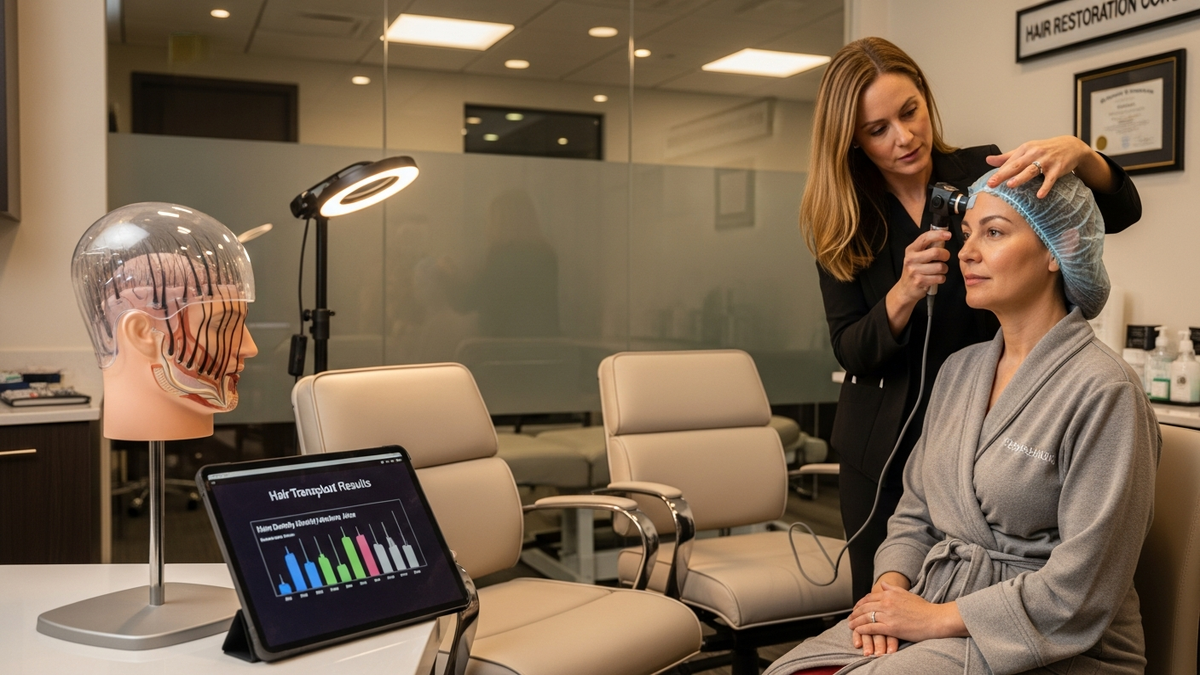
Your surgeon will review medical history, current medications, prior treatments, and scalp symptoms. This is where you clarify why you’re losing hair and what you want to change visually.
2) Assessment of donor and recipient areas
Clinicians evaluate donor density, scalp laxity, and the recipient zone’s characteristics. They also discuss whether your hair loss appears stable enough for transplantation.
3) Surgical planning and graft mapping
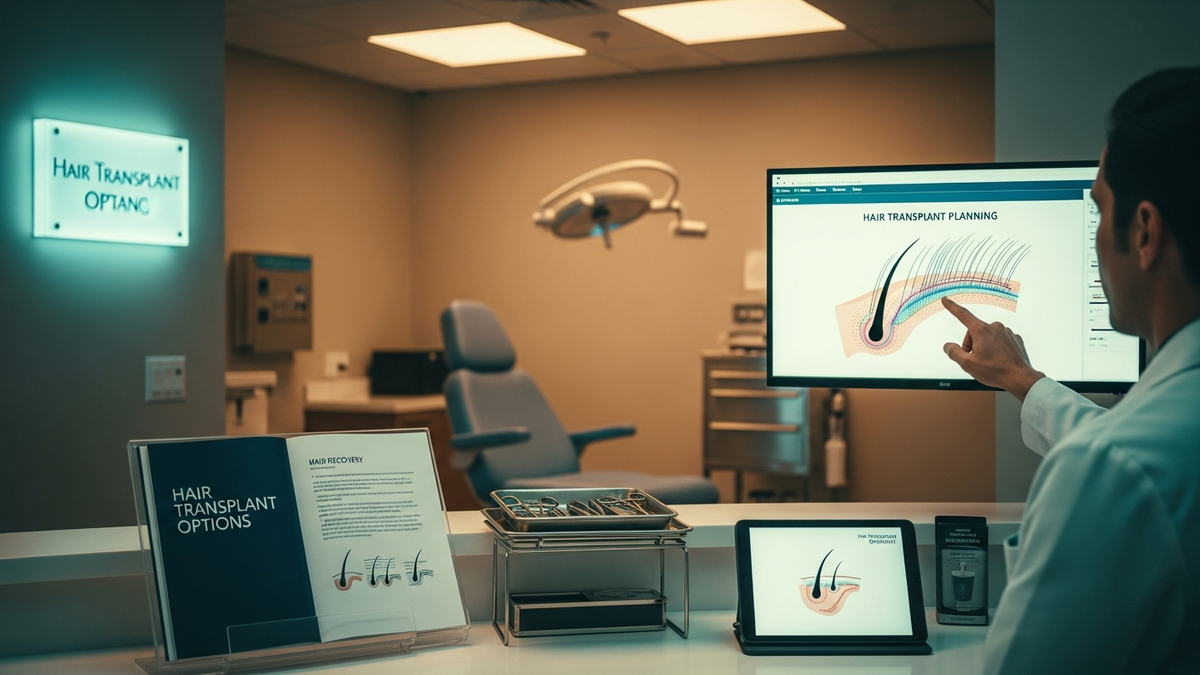
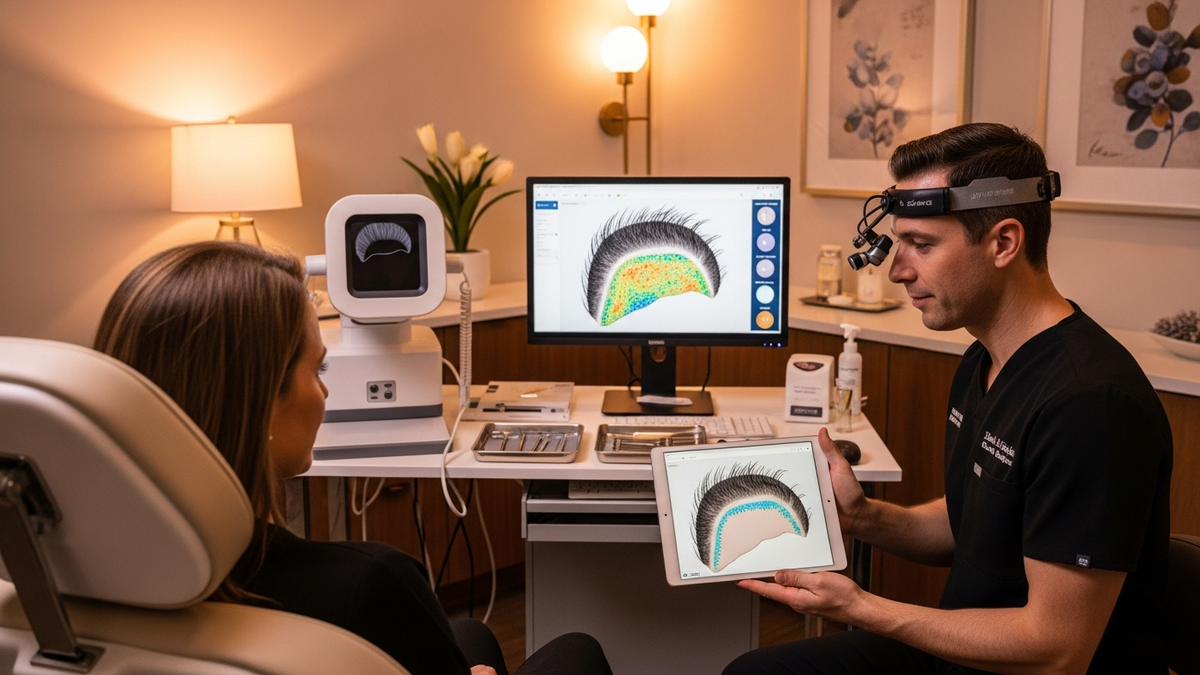
Planning includes mapping the recipient sites, determining density goals, and deciding on graft types based on hair caliber and coverage needs.
4) Harvesting (FUE or FUT)
Donor follicles are harvested with meticulous technique. Graft survival depends on careful handling and timing.
5) Creating recipient sites and placing grafts
Recipient sites are created with attention to angle, spacing, and direction. Grafts are then placed to mimic natural hair growth patterns.
6) Post-procedure care and follow-up
After surgery, you’ll receive instructions on washing, medications, and activity restrictions. Follow-up visits track healing and early graft response.
Recovery Timeline: What Most Women Experience
Recovery varies, but many women find it helpful to plan around a predictable timeline. Expect a period of shedding and gradual regrowth.
First days after surgery
- Swelling or tightness can occur, especially around the forehead/scalp.
- Scalp tenderness and mild discomfort are common.
- Graft sites may crust; gentle cleaning is usually required.
Weeks 2–6
- Crusts typically shed as the scalp heals.
- Many patients experience a form of shedding (often called “shock loss”) as transplanted hairs reset.
- It’s important not to panic—shedding is often part of the regrowth cycle.
Months 3–6
New growth may become visible. Hair may look finer at first, then thicken over time.
Months 9–12 and beyond
Most women evaluate final aesthetic results around 9–12 months, with continued maturation thereafter. Your surgeon’s follow-up schedule helps ensure you’re on track.
Risks, Side Effects, and How to Reduce Them
Any procedure carries potential risks. In hair transplantation, the most meaningful risks usually relate to infection, poor graft survival, scarring, and dissatisfaction with cosmetic distribution.
Common concerns women ask about
- Scarring: FUE generally avoids linear scarring; FUT can leave a linear scar.
- Temporary numbness or itching: Often improves with healing.
- Shock loss: Temporary shedding can happen; it doesn’t always mean failure.
- Uneven density: Can occur if planning or placement is not optimized.
- Unexpected contrast: Hair color/texture and scalp visibility can affect how natural results look in different lighting.
Actionable steps to lower risk
- Choose a highly experienced surgical team with a track record in female cases.
- Follow post-op instructions precisely (washing schedule, medications, avoiding friction).
- Control scalp inflammation before surgery and as advised after.
- Plan maintenance: If medically appropriate, continue evidence-based therapies to support long-term stability.
Choosing a Surgeon: What Women Should Look For
When selecting a provider for hair transplant in females, you want both technical skill and aesthetic judgment. Not all outcomes look the same—especially in women where natural blending is the priority.
Questions to ask at your consultation
- How do you evaluate female-pattern hair loss? (diagnosis, stability, and plan)
- Do you use FUE, FUT, or both? Why is one recommended for my case?
- How do you map density and part-line coverage? What does “natural” mean in your planning?
- What is your approach to graft survival and handling?
- How do you address ongoing hair loss? Do you coordinate with medical therapy?
- Can I see results from women with similar hair characteristics?
Why facial plastic and reconstructive expertise can matter
Hairline and scalp aesthetics are not only surgical—they’re artistic. Teams with experience in head and neck cosmetic procedures often emphasize natural angles, proportion, and harmony with facial features. For example, Dr. Hootan Zandifar (owner and lead facial plastic and reconstructive surgeon at Hootan Zandifar, MD) is known for a patient-education approach and natural-looking results for head and neck surgical concerns.
If you’re also exploring other aesthetic procedures, you may find helpful context on related sites such as Rhinoplasty, Blepharoplasty, or a complementary approach like a Facelift. While these are different procedures, they reflect the same principle: aesthetic outcomes require precision and individualized planning.
Real Expectations: Results That Look Natural
What should women expect visually after a hair transplant? The answer is: it depends on baseline density, hair caliber, scalp contrast, and whether maintenance therapy supports stability.
What “natural” typically means
- Hair direction that matches natural growth
- Appropriate spacing so the scalp doesn’t appear “painted”
- Gradual maturation of transplanted hairs over months
- Coverage strategy designed around how you style your hair
Common outcome goals for women
Many female patients focus on improving:
- The part line (reducing scalp show-through)
- Diffuse thinning zones (where density is uneven)
- Temple/forehead-adjacent thinning when appropriate
How to Prepare for Surgery (Checklist)
Preparation can improve comfort and support optimal healing. Your clinic will provide personalized instructions, but here’s a practical checklist you can use to get ready.
Before your procedure
- Compile your medication list (including supplements) for your surgeon.
- Follow guidance on what to stop or continue before surgery.
- Plan transportation and time off work for the early recovery period.
- Arrange hair-washing supplies and comfortable headwear if recommended.
- Prepare emotionally for the shedding phase (it’s often normal).
After your procedure
- Follow washing and wound-care instructions exactly.
- Avoid friction, heavy sweating, and strenuous activity as advised.
- Attend scheduled follow-ups for graft monitoring.
- Report symptoms early (fever, increasing redness, or severe pain).
Statistics and Evidence: What Research Suggests
Hair transplant outcomes depend on numerous variables, but evidence-based guidance exists for hair loss evaluation and treatment planning. Here are a few data points and research-grounded considerations to keep in mind.
Hair loss is common—evaluation matters
According to the American Academy of Dermatology, hair loss affects millions of people and can have many causes, including genetic factors and medical conditions (American Academy of Dermatology, Hair Loss).
Minimally invasive technique is a patient preference—not a guarantee
While FUE is often chosen for scar-discretion benefits, the most important predictor of satisfaction remains graft planning and execution. In other words: technique can influence recovery and scarring patterns, but diagnosis and aesthetic placement drive natural results.
Timing and regrowth are part of the process
Hair growth is cyclical. Many patients experience temporary shedding after transplantation before regrowth begins. Your surgeon’s timeline will help you interpret these phases appropriately.
FAQ: Hair Transplant in Females
How do I know if I’m a good candidate for hair transplant in females?
A good candidate typically has adequate donor density, a clearly defined hair-loss diagnosis, and recipient areas that are stable enough for grafting. A surgeon will also evaluate scalp health and set realistic cosmetic goals based on your part line, styling habits, and expected future progression.
Is FUE or FUT better for women?
Neither method is universally “best.” FUE is often favored for scar-discretion, while FUT can be efficient depending on donor characteristics. The right choice depends on your donor quality, desired hairstyle flexibility, and the surgeon’s graft-planning strategy.
Will transplanted hair look natural?
Natural results are more likely when graft placement mimics natural hair direction, spacing is conservative and appropriate, and density targets match your baseline. Women often benefit from part-line-focused planning that reduces scalp contrast under everyday lighting.
How long does it take to see results?
Many patients notice early changes around months 3–6, with more obvious improvement by 9–12 months. Because hair growth cycles vary, full maturation can continue beyond the one-year mark.
What are the main risks of a hair transplant?
Risks can include infection, scarring, uneven density, and temporary shedding. Choosing an experienced team, controlling scalp health, and following post-op care instructions can reduce the likelihood of complications.
CTA: Take the Next Step Toward Your Best Hairline
If you’re considering hair transplant in females, the most valuable first step is a consultation that focuses on diagnosis and individualized planning—not just graft counts.
FlowGeniQ Digest recommends you prepare for your visit by bringing your hair-loss timeline, photos (including different lighting), and a list of treatments you’ve tried. Ask about donor management, density strategy, and how the clinic supports long-term stability.
Wherever you are—including Los Angeles or Beverly Hills—seek a board-certified, experienced surgeon and a patient-education approach so you can make a well-informed decision.
Local Context: Why Los Angeles Patients Ask About Natural Aesthetics
In Los Angeles, many women pursue hair restoration alongside broader confidence goals—often with an emphasis on natural appearance in everyday life: bright daylight, camera-ready moments, and versatile styling. That’s why clinics that emphasize individualized planning and natural-looking distribution tend to resonate with local patients.
For example, Dr. Hootan Zandifar’s head-and-neck focus and commitment to education reflect a philosophy of precision and natural outcomes that many women look for during hair restoration decision-making.
Additional Resources (Related Reading)
If you’re exploring multiple facial aesthetic concerns or want to understand how surgical evaluation works across procedures, these topics can provide helpful context. Note: these are not hair transplant topics, but they can show how anatomy-based planning is approached.
Professional Disclaimer
This content is provided for general educational purposes only by FlowGeniQ Digest. It is not a substitute for professional advice, diagnosis, or treatment. Readers are advised to consult qualified professionals for personalized recommendations.
Medical Information Disclaimer
This content is provided for general educational purposes only by FlowGeniQ Digest. It is not a substitute for professional advice, diagnosis, or treatment. Readers are advised to consult qualified professionals for personalized recommendations.