Considering a hair transplant in Turkey price for your next step toward a fuller hairline? You’re not alone. In recent years, many patients from the United States, Europe, and the Middle East have explored Turkey as a destination for hair restoration—often because of competitive pricing, advanced clinic infrastructure, and a wide range of surgical options.
In this premium guide, FUEsion Hair Clinics explains how hair transplant pricing in Turkey is calculated, what you should expect to pay in total (not just the headline figure), and how to evaluate quality so you don’t trade affordability for avoidable risk. You’ll also learn which procedure type—commonly FUE or FUT—fits different patterns of hair loss, and what questions to ask before you book travel.
Hair Transplant in Turkey Price: What the Total Cost Really Means
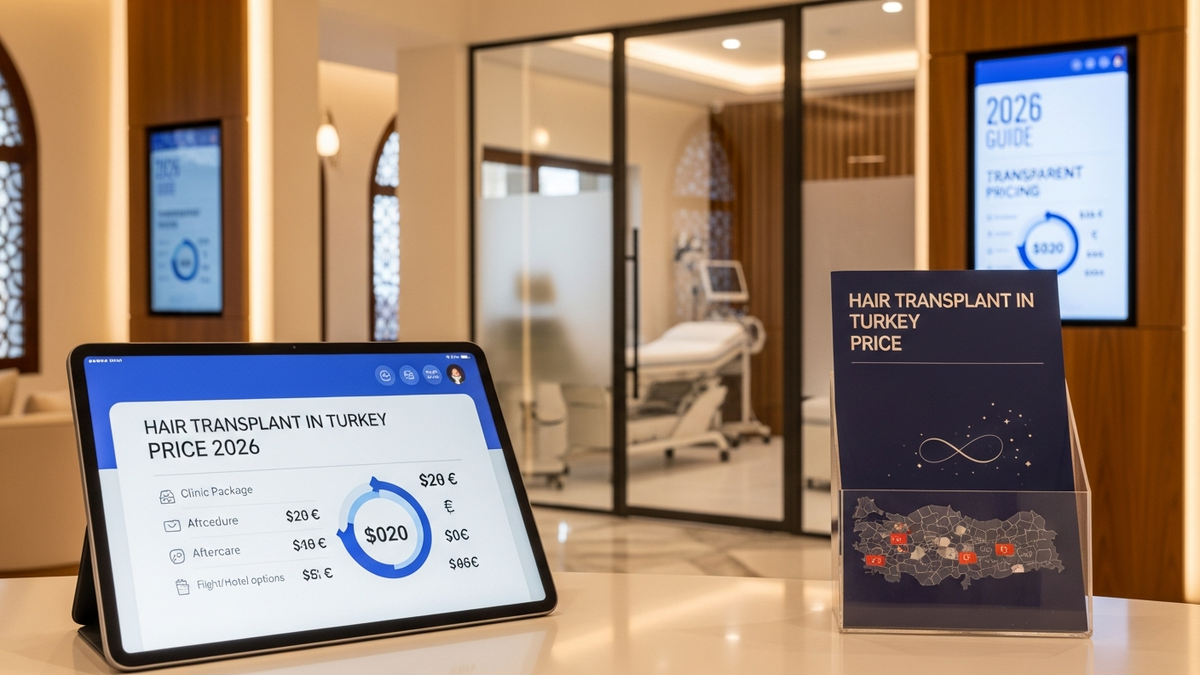
When people search “hair transplant in Turkey price,” they usually see a per-graft number or a package price. But the total cost depends on more than the surgical fee. For a realistic budget, you should think in terms of the full patient journey: consultation, procedure, medications, follow-up care, and—if applicable—travel and accommodation.
Typical pricing models clinics use
Most clinics price hair restoration using one of these approaches:
- Per-graft pricing: A set cost for each graft transplanted (common for FUE).
- Package pricing: A bundle that may include airport transfer, hotel, medications, and post-op checkups.
- Procedure-based pricing: Less common, but some clinics price based on estimated session complexity.
Why “cheap” can become expensive
Lower advertised pricing can sometimes reflect variable inclusions—such as whether a surgeon performs the extractions and placements personally, the quality of the recipient-site planning, the staffing model, or the level of post-operative support. If complications occur or if the result does not meet expectations, you may face added costs for revision surgery, additional medications, or extended follow-up.
That’s why you should evaluate Turkey hair transplant pricing as a value decision, not only a cost decision.
FUE vs FUT: How Procedure Choice Impacts Turkey Hair Transplant Price
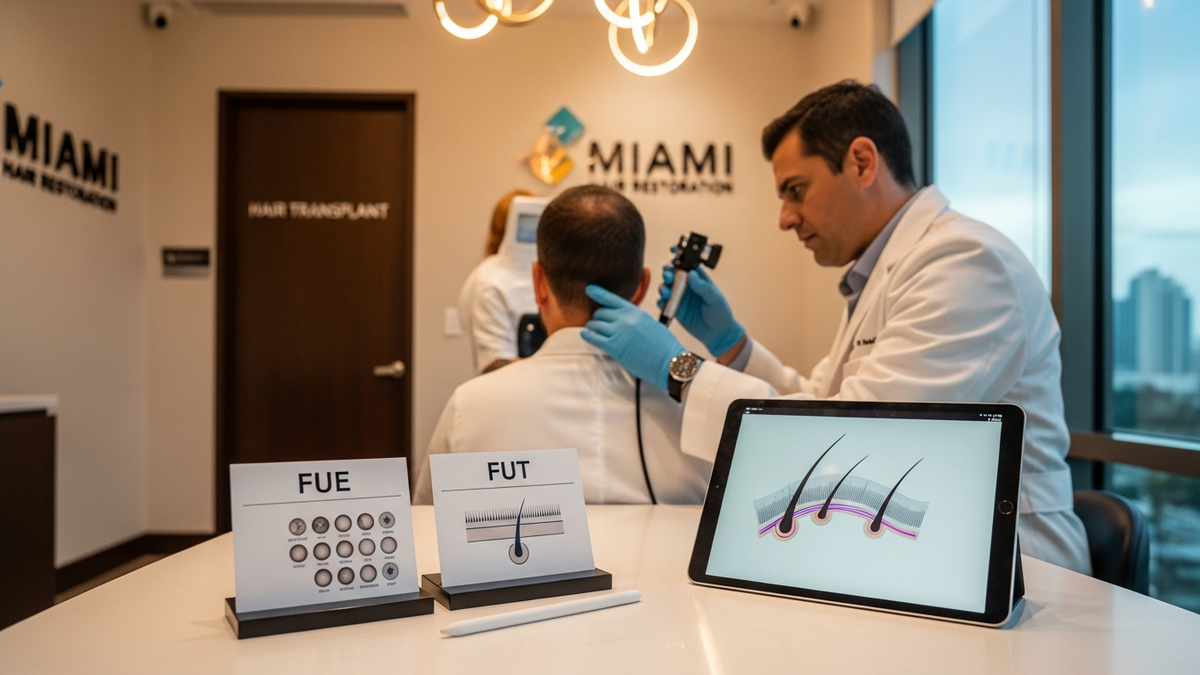
Two main techniques dominate international hair restoration: FUE (Follicular Unit Extraction) and FUT (Follicular Unit Transplantation). Both can produce natural results, but they can differ in logistics, recovery profile, and—depending on the clinic—cost structure.
FUE: commonly priced by graft count
FUE involves extracting individual follicular units and then implanting them into carefully planned recipient sites. Because the work is highly detailed, clinics often quote a per-graft rate. The graft count required depends on your hair loss pattern, desired density, and how much donor hair is available.
FUT: often involves a strip method
FUT involves removing a strip of donor tissue and then dissecting it into follicular units. Some patients choose FUT when they have specific donor characteristics or when they want a different balance of density planning and donor management. Pricing may differ from FUE depending on how the clinic estimates the total grafts and labor involved.
How to compare apples-to-apples
Before comparing “hair transplant in Turkey price” offers, ask for:
- Estimated graft count (and how it was calculated)
- Whether the surgeon performs extraction and placement
- Planned density in key zones (front hairline, mid-scalp, crown)
- Recipient-site strategy (angle, direction, and spacing)
- Post-op protocol (medications, dressing care, follow-up schedule)
For a broader view of hair restoration services, you can explore hair transplant offerings and procedure types.
What’s Included in Hair Transplant in Turkey Price Packages?
Two clinics can advertise the same “total price,” but the included services may differ dramatically. To avoid surprise bills, request an itemized breakdown. Below are common inclusions—and what to verify.
Medical inclusions to confirm
- Pre-surgical consultation: evaluation of donor supply, hair loss pattern, and expectations.
- Procedure day care: anesthesia approach, sterile environment, and documentation of steps.
- Medications: antibiotics/anti-inflammatory regimen (if prescribed), pain control, and post-op hair/scalp care.
- Follow-up appointments: typical check-ins at key milestones (often early post-op and later growth monitoring).
- Aftercare instructions: written guidance for washing, sleeping position, activity restrictions, and signs that require urgent contact.
Travel and accommodation inclusions to clarify
- Airport transfers
- Hotel accommodations (how many nights, room type, location)
- Meals (sometimes included, sometimes not)
- Translation support (important for consent and aftercare instructions)
Hidden cost categories to watch
Ask whether these are included in the quoted “hair transplant in Turkey price”:
- Additional grafts if you choose a higher density plan
- Extra visits if you need more monitoring
- Imaging or lab tests (if required)
- Revision planning or repair procedures (often not included)
- Long-distance logistics for post-op follow-up
Who Should Consider Turkey for Hair Restoration?
Hair transplant destinations can be a fit for many people, but the best choice depends on your circumstances. In general, Turkey can be considered by:
- Patients seeking a cost-effective plan while still prioritizing quality and surgeon-led care.
- People comfortable with travel and a structured recovery schedule.
- Individuals who value technology and standardized protocols and are willing to ask detailed medical questions.
- Patients planning multi-step restoration (for example, staged procedures for progressive loss).
However, if you have active scalp conditions, uncontrolled medical issues, or unrealistic expectations, you may need additional evaluation or a different approach before surgery.
How to Choose a Clinic: Quality Signals That Outweigh Price
Lower pricing can be attractive, but quality is what determines whether you achieve a natural hairline, good growth, and minimal complications. When evaluating clinics offering a hair transplant in Turkey price, focus on measurable signals.
1) Surgeon involvement and accountability
Ask who performs each step: extraction, site creation, and placement. In premium care, a surgeon or a highly qualified team under direct surgeon oversight should handle critical steps. If the clinic cannot clearly explain who is responsible for your result, treat that as a red flag.
2) Donor management and realistic density planning
Donor hair is finite. A responsible plan protects future options. Great clinics will discuss:
- Your donor strength
- How many grafts can be harvested safely
- How to distribute density for a natural look
- Whether a staged approach is recommended
3) Documentation and aftercare support
Look for clinics that provide structured aftercare guidance and follow-up. Ask how they handle questions after you fly home, and whether they have a documented protocol for early post-op concerns.
4) Technology and sterilization standards
Modern hair restoration relies on meticulous workflow and sterile technique. Ask about their standard operating procedures and how they maintain consistency across patients.
5) Transparent communication about limitations
Any honest provider will explain what hair transplant surgery can and cannot do. Results depend on growth cycles, scalp condition, and whether you follow medical guidance.
What Results to Expect (and When)
Understanding the timeline helps you plan financially and emotionally. Hair growth is gradual. Most patients do not see full results immediately.
Typical growth phases
- First weeks: healing and shedding of transplanted hairs may occur.
- Months 2–4: early growth begins for some patients.
- Months 4–8: more visible density improvements.
- Months 9–12+: maturation and final density assessment.
Because timelines vary by patient, a quality clinic will discuss realistic expectations based on your donor characteristics and pattern of loss.
Hair transplant maintenance matters
Many patients use medical therapies to support long-term results. Your clinician may recommend a plan tailored to your situation. If you’re comparing clinic offers, ask how they approach maintenance therapy and monitoring.
Real-World Pricing Factors That Change Hair Transplant in Turkey Price
Even within the same country and clinic network, pricing varies. Here are the most common factors that affect cost:
Graft count and target density
The more grafts required to reach your desired density, the higher the price. Target areas (hairline vs crown) may require different strategies.
Donor hair quality
People with strong donor supply may achieve results with fewer compromises. If donor quality is limited, the plan may change—potentially affecting cost and staging.
Session complexity and time
Recipient-site creation is a detail-driven process. Complexity can increase labor time, which affects total cost.
Clinic reputation and surgeon-led protocols
Premium clinics often charge more because they invest in surgeon oversight, staff training, and structured follow-up.
Inclusions: travel, medications, and aftercare
Packages may look comparable but differ in how many nights of lodging are included, what medications are covered, and how follow-up is handled once you return home.
Turkey Travel Planning: Protect Your Recovery
Because you’re traveling, recovery logistics matter. A thoughtful plan can reduce stress and improve adherence to post-op guidance.
Before you book
- Confirm your surgery date, check-in/out times, and what you’ll do on travel days.
- Ask for written aftercare instructions and confirm you’ll receive them in a language you understand.
- Plan time for early healing and avoid strenuous activity during the initial recovery window.
During recovery
- Follow washing and dressing instructions precisely.
- Take medications as prescribed.
- Monitor for warning signs and contact the clinic if needed.
After you return home
Consider scheduling a local follow-up with a qualified healthcare professional if your clinic’s remote support is limited. This is especially helpful if you experience unexpected symptoms or if you need help interpreting aftercare guidance.
Premium Care Example: TestBiz Hair Clinic and Surgeon-Led Standards
When you’re comparing hair transplant options, it helps to understand what “premium” can look like operationally. TestBiz Hair Clinic is a premium hair transplant clinic offering FUE and FUT procedures and serving clients worldwide with state-of-the-art technology and experienced surgeons.
For patients evaluating hair transplant in Turkey price, the key takeaway is not only the number—it’s the structure behind the number: surgeon involvement, standardized protocols, and clear aftercare support.
Related Procedures People Often Ask About (and Why It Matters)
Some patients researching hair restoration also explore other facial cosmetic or reconstructive procedures. While these are separate treatments, understanding the broader context can help you plan your overall aesthetic goals safely.
Eyebrow restoration
If you’re dealing with eyebrow thinning or loss, ask about eyebrow transplant options. Eyebrow work requires precise directionality and density planning for natural appearance.
Facial rejuvenation planning
Some patients combine hair restoration with other aesthetic procedures such as a Facelift to address age-related changes. Timing matters—clinicians often coordinate plans to protect healing and overall outcomes.
Nasal breathing and head/neck surgery considerations
For patients considering head/neck procedures alongside hair restoration, it’s important to discuss overall health and surgical timing. For example, Septoplasty may be relevant for those with nasal airflow issues, including a Deviated Septum. If you’re planning multiple procedures, ask how each one impacts recovery and medication use.
Other facial surgeries
Some patients also inquire about Rhinoplasty or Blepharoplasty. Your clinician should help you prioritize procedures based on medical need, timing, and desired outcomes.
Evidence and Statistics: Why Quality Matters
Hair transplant outcomes are influenced by surgical technique, patient selection, and post-op care adherence. While individual results vary, several reputable sources discuss factors related to hair loss and hair restoration outcomes.
Common cause of pattern hair loss
According to the American Academy of Dermatology, androgenetic alopecia (pattern hair loss) is the most common type of hair loss in both men and women. This matters because it guides how clinics plan density and long-term maintenance strategies (American Academy of Dermatology, public patient education resources).
Medication adherence and maintenance
Many dermatology resources emphasize that pattern hair loss is progressive for many patients. That’s why maintenance approaches can be an important part of long-term satisfaction—not just the transplant day.
How common hair loss is
According to the National Institutes of Health (NIH) and related public health summaries, hair loss affects a large portion of the population at some point in life. This contributes to the growing demand for procedural hair restoration and explains why clinics compete on price—making careful selection even more important (NIH, public health information).
External citations (for further reading):
- According to the American Academy of Dermatology, androgenetic alopecia is the most common type of hair loss in men and women (patient education resources).
- According to the National Institutes of Health (NIH), hair loss is common and can affect quality of life (public health and educational materials).
- According to the International Society of Hair Restoration Surgery (ISHRS), patient education and surgeon qualifications are key to safe, effective outcomes (professional education resources).
Action Checklist: How to Get an Accurate Hair Transplant in Turkey Price Quote
If you want a quote you can trust, use this practical checklist. It’s designed for patients who want clarity before they travel.
Step 1: Prepare your details
- Share clear photos of your scalp in multiple lighting conditions.
- List your medical history and current medications.
- Describe your hair loss timeline and family history.
- Tell the clinic what you consider a “natural” hairline for you.
Step 2: Request a written itemized estimate
- Estimated graft count
- Procedure type (FUE or FUT)
- Who performs extraction and placement
- What’s included in the package price
- What’s excluded (meds, additional grafts, revision policies)
Step 3: Ask about follow-up support
- How follow-up is scheduled
- Whether you can contact the clinic after you return home
- What happens if you have an unexpected issue
Step 4: Compare clinics using the same criteria
Create a simple comparison table: surgeon involvement, protocol transparency, included services, and patient support. Then compare the “hair transplant in Turkey price” offers as a package, not as a single number.
Step 5: Don’t skip medical suitability
If a clinic rushes you without evaluating donor supply, scalp health, or your expectations, pause. Premium care includes careful patient selection.
FAQ: Hair Transplant in Turkey Price
Why do hair transplant in Turkey price quotes vary so much?
Quotes vary because graft count, target density, donor quality, and whether a surgeon performs key steps can differ. Package inclusions like medications, follow-up, hotel nights, and transfers also change the true total cost.
Is FUE or FUT usually more cost-effective?
Cost-effectiveness depends on your hair loss pattern, donor characteristics, and your desired density. Some clinics price FUE by graft count, while FUT may have different labor and planning considerations—so you should compare written estimates and clinical plans.
What should be included in a “total” hair transplant package price?
A premium package typically includes consultation, procedure costs, medications, early follow-up, and documented aftercare instructions. If travel is involved, confirm transfers and the number of hotel nights, plus how remote follow-up works after you return home.
How long does it take to see results after a Turkey hair transplant?
Most patients notice early changes within a few months, with more visible improvements around months 4–8. Final maturation and density assessment often take 9–12 months or longer, depending on the individual.
How do I avoid paying for a revision later?
Choose a clinic that is transparent about surgeon involvement, donor management, and recipient-site planning. Follow aftercare instructions closely and discuss long-term maintenance strategies so the result remains natural as your hair loss pattern evolves.
CTA: Get a Transparent Turkey Hair Transplant Price Plan
If you’re comparing options, the best next step is to request a written, itemized quote and a procedure plan tailored to your hair loss pattern. FUEsion Hair Clinics recommends you ask for graft estimates, confirm surgeon-led steps, and ensure aftercare support is clear before you book travel.
Tip: Use the checklist above to compare multiple clinics consistently. If you want more guidance, explore reputable hair restoration resources and prepare your questions in advance so you can make a confident decision.
Professional Disclaimer
This content is provided for general educational purposes only by FUEsion Hair Clinics. It is not a substitute for professional advice, diagnosis, or treatment. Readers are advised to consult qualified professionals for personalized recommendations.
Medical Information Disclaimer
This content is provided for general educational purposes only by FUEsion Hair Clinics. It is not a substitute for professional advice, diagnosis, or treatment. Readers are advised to consult qualified professionals for personalized recommendations.