Searching for “hair transplant price turkey” is completely understandable—cost is often the deciding factor when you’re trying to restore a natural-looking hairline or thicker coverage. But the real question isn’t only what you’ll pay; it’s what that price includes, how your results are planned, and whether the clinic’s process is safe and medically sound.
In this FlowGeniQ Digest guide, we’ll walk through the key cost drivers behind hair restoration in Turkey, the most common pricing models, and a practical checklist you can use before booking. We’ll also highlight red flags that can quietly turn a “low” quote into a costly outcome.
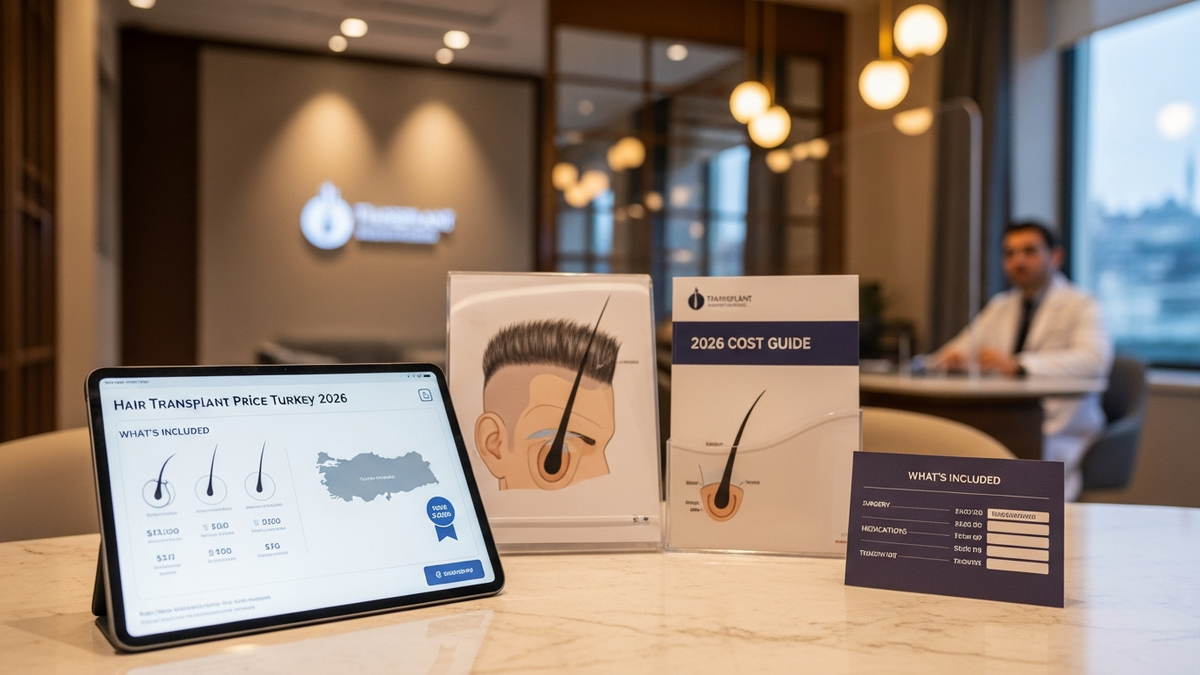
Hair transplant price Turkey: what the number usually depends on
When people compare offers, they often see a single headline figure. In reality, hair transplant price Turkey is usually influenced by multiple variables that differ from patient to patient. Two clinics may quote different totals even for the same diagnosis—because the treatment plan is different.
1) Technique: FUE vs FUT (and hybrid approaches)
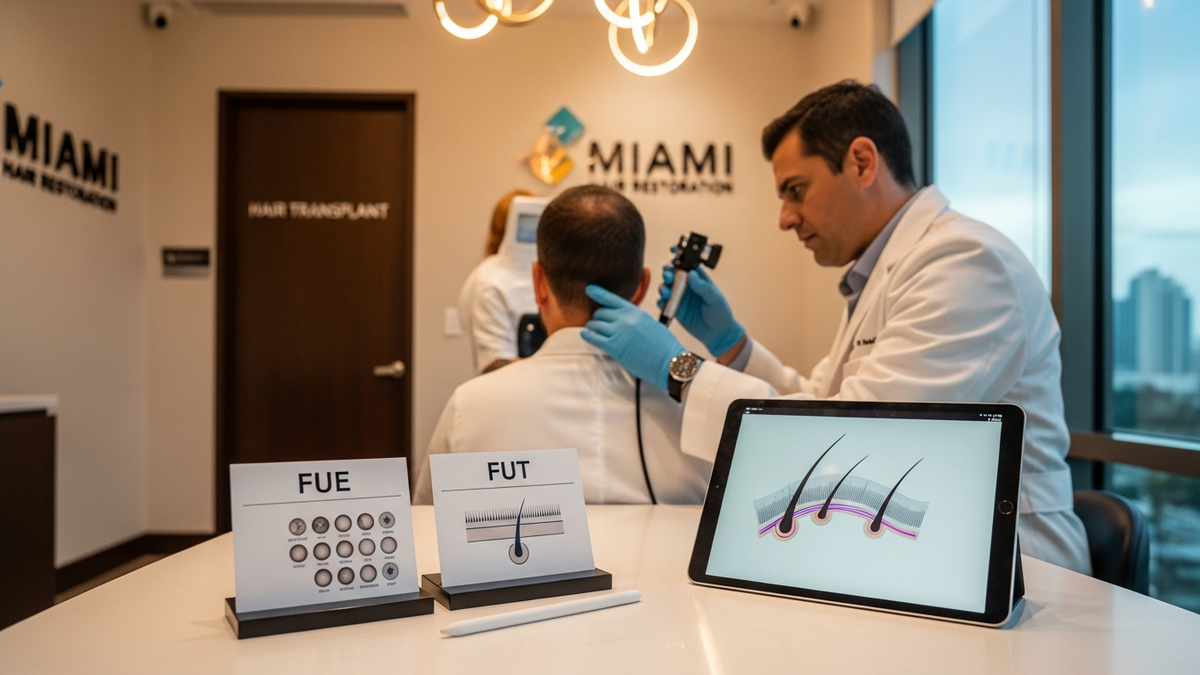
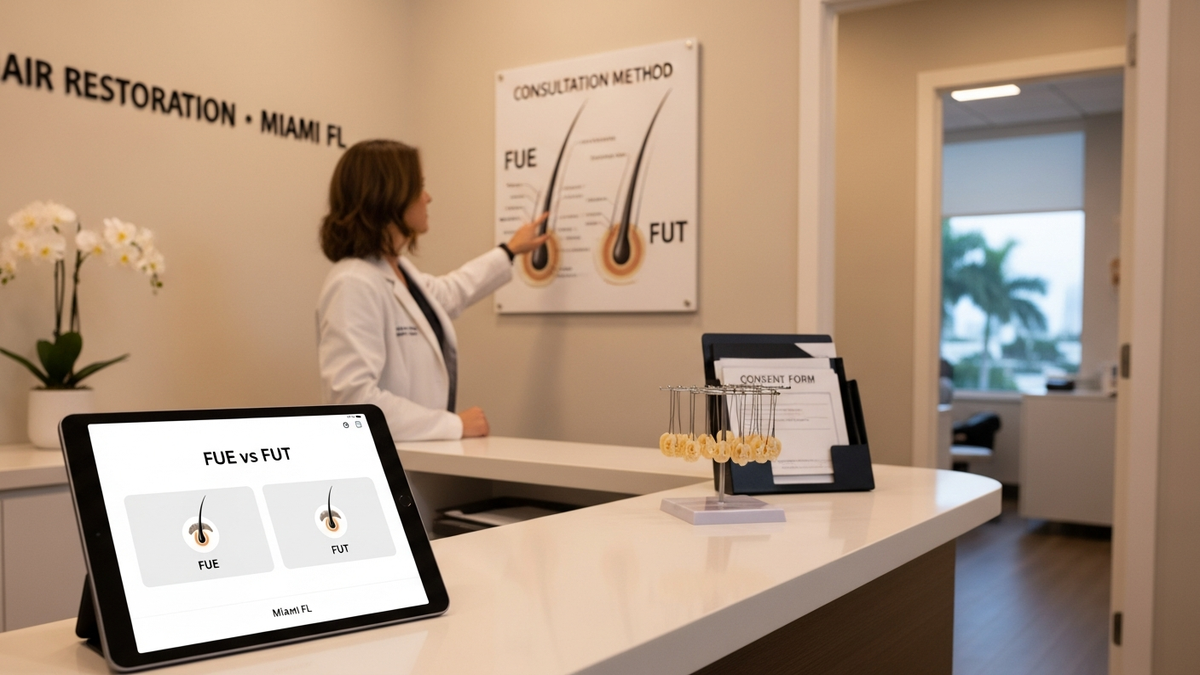
Turkey is well known for offering both FUE (Follicular Unit Extraction) and FUT (Follicular Unit Transplantation) (often called strip harvesting). In general:
- FUE is typically priced per graft and is commonly chosen for its less invasive donor-area scar profile.
- FUT may be more cost-effective in certain cases because it can harvest many grafts in a single strip, depending on your scalp characteristics and surgeon preference.
- Many clinics use hybrid strategies (for example, FUT for density and FUE for specific zones), which can change the quote.
Actionable recommendation: Ask your clinic to specify the exact technique (and whether any hybrid method is planned) rather than assuming your quote automatically matches your preferred approach.
2) Graft count and donor availability
Most pricing models are tied to grafts. Your required graft count depends on:
- Norwood/Hamilton scale category (pattern and extent of loss)
- Target area (hairline only vs mid-scalp vs crown)
- Desired density and hair caliber
- Donor density and quality (how many usable follicular units you have)
Important: A “cheap” quote may reflect an unrealistic graft plan. Under-harvesting can lead to sparse coverage and may require additional procedures later.
3) Surgeon involvement and team structure
Two clinics can offer similar graft numbers but different outcomes if the surgeon’s role differs. In some settings, surgeons may only design the plan while technicians perform key steps. In others, the surgeon performs a greater portion of the procedure.
Actionable recommendation: Request a clear explanation of who does what: planning, anesthesia, graft extraction, site creation, and graft placement.
4) Clinic reputation, technology, and follow-up
Cost can reflect differences in:
- Pre-op assessment quality (including hair characteristics and risk evaluation)
- Use of microscopes and standardized handling protocols
- Post-op medications and wound care systems
- Follow-up schedule and documentation (photos, growth tracking)
When you compare hair transplant price Turkey offers, treat “included follow-up” as a quality marker—not a marketing add-on.
5) Travel package: what’s bundled vs what’s extra
Many international patients are quoted with packages that may include airport transfers, accommodation, and certain consultations. However, line items can vary widely. A lower base price may later reveal additional costs for:
- Pre-op lab work or additional consults
- Medication refills
- Extra grafts if you exceed the original plan
- Revision planning (if needed)
Actionable recommendation: Ask for a written breakdown of what is included in the final price.
Typical pricing models for hair transplant Turkey (and how to interpret them)
Because patients often search “hair transplant price turkey” with urgency, clinics frequently present simplified pricing. To compare meaningfully, you need to understand the model behind the quote.
Per-graft pricing
Some clinics quote a price per graft. This can be transparent if the graft count is accurately planned. However, the real value depends on:
- Whether the graft count is realistic for your goals
- Whether the clinic uses consistent graft definitions
- Whether site creation and placement are included at the same quality level
Package pricing (procedure + travel)
Package deals can be convenient, but you should confirm:
- How many nights are included
- Distance from the clinic and quality of lodging
- Whether follow-up visits are included after surgery
Fixed “all-in” pricing
Fixed pricing can be appealing, but be cautious. Hair loss patterns vary. If the clinic doesn’t thoroughly assess your donor area and target density, fixed pricing can become a mismatch.
Financing and payment timing
Some offers include installments. Ask about refund policies, deposit terms, and whether payment is tied to specific milestones.
What’s usually included in a high-quality hair transplant quote?
To evaluate hair transplant price Turkey responsibly, compare what’s included—not just the total. A premium process typically includes:
- Medical evaluation (pattern assessment, donor evaluation, scalp and hair characteristics)
- Personalized surgical plan (hairline design, density targets, zone coverage)
- Standardized surgical protocols for graft handling
- Clear anesthesia plan and monitoring during the procedure
- Post-op medication and written aftercare instructions
- Follow-up visits at key milestones (often early wound checks and later growth assessment)
- Photo documentation for tracking progress
If your quote is missing several of these items, the price may look attractive while the care quality is unclear.
How to choose safely when comparing hair transplant price Turkey offers
International travel can add complexity. Your goal is to choose a clinic that is transparent, medically rigorous, and committed to long-term results.
Use this comparison checklist
- Ask for surgeon credentials and role clarity: who performs extraction and placement?
- Request a written plan: target zones, estimated graft counts, and rationale.
- Confirm graft handling standards: microscopes, timing protocols, and storage methods.
- Evaluate donor safety: will they harvest conservatively to protect future options?
- Look for realistic expectations: growth timeline, density variability, and shedding phases.
- Ask about revision pathways: what happens if results are less than expected?
- Check follow-up support: in-person or remote, and the schedule.
Red flags that often correlate with “too-good-to-be-true” pricing
- They won’t share a detailed plan or graft estimate after a proper assessment.
- They pressure you to decide quickly without medical evaluation.
- They advertise low prices but avoid explaining who performs the procedure steps.
- They minimize risks (for example, scarring, poor growth, or uneven density).
- They provide vague before/after results without consistent lighting and timeframes.
Hair transplant Turkey vs local care: balancing cost and continuity
Many patients choose Turkey for cost efficiency and access to a large network of clinics. That said, continuity of care matters. You’ll want consistent follow-up, medication management, and a plan for hair loss progression.
Why follow-up matters for long-term results
Hair transplant outcomes unfold over months. You may experience temporary shedding, itching, and gradual growth. If follow-up is inconsistent, you may miss early signals that require adjustments.
Actionable recommendation: Before traveling, confirm how follow-up will be handled after you return home. Some patients also prefer ongoing medical support from their local dermatologist for hair loss maintenance.
Maintenance and expectations: how to protect your investment
Even the best hair transplant plan can be undermined if underlying hair loss continues. Many patients benefit from medically guided maintenance (commonly including therapies such as minoxidil and/or finasteride, depending on your clinician’s evaluation).
Important: Don’t start or stop medications without medical guidance. Your suitability depends on your health history and risk profile.
Realistic timeline: what most patients should expect
- First weeks: healing, scab shedding, and temporary redness
- Weeks 2–8: possible shock loss/shedding in transplanted and surrounding areas
- Months 3–4: early growth begins for many patients
- Months 6–9: more visible density changes
- Months 10–14+: final maturation and density refinement
Where grafts go: hairline design and density planning
Patients often focus on cost per graft, but the placement strategy is what creates a natural look. Hair transplant price Turkey may be lower or higher depending on how carefully a clinic designs:
- Hairline shape (age-appropriate, facial proportion-based)
- Angulation of grafts for natural direction
- Spacing and density distribution
- Temporal points and mid-scalp transition
A premium clinic will discuss why your plan is individualized rather than pushing a standardized package.
Beyond scalp: eyebrow transplant and other facial hair goals
Some patients searching for hair transplant price Turkey are specifically interested in facial hair restoration—such as eyebrow restoration. If you’re considering non-scalp hair transplantation, ask how the clinic adapts technique and density strategy for facial aesthetics.
For related information, you can explore more about an eyebrow transplant approach and what makes facial grafting uniquely delicate.
How to interpret “results” when comparing clinics
Before/after galleries can be helpful, but only if you interpret them correctly. Look for:
- Time since surgery (photos at comparable months/years)
- Consistent lighting and hair styling
- Similar loss pattern (donor quality and zone extent matter)
- Natural hairline progression rather than overly dense “pluggy” appearance
At FlowGeniQ Digest, we emphasize that hair restoration is not a one-size-fits-all “product.” A responsible clinic will explain how their plan accounts for your unique hair characteristics.
What to ask your clinic before you pay
To make your decision easier, bring these questions to your consultation (or email them in advance). They’re designed to clarify both quality and cost.
Questions about your quote
- How many grafts are included, and how was that number determined?
- Is the price different if you require more grafts than planned?
- Who performs extraction and placement?
- What’s included in the package (medications, transfers, lodging, follow-up)?
- What are the revision policies and costs if results are unsatisfactory?
Questions about safety and medical suitability
- How will you assess donor health and minimize overharvesting?
- What risks are most relevant for my scalp type?
- How do you handle infections, poor growth, or scarring concerns?
- Will you coordinate with my local dermatologist for maintenance?
Patient guidance: planning your trip around the procedure
Even when hair transplant price Turkey is attractive, travel logistics can influence your comfort and recovery. Consider:
- Recovery time: plan enough downtime for early healing and travel safety.
- Medication access: confirm prescriptions and how you’ll get refills if needed.
- Aftercare supplies: ask what you’ll receive and whether you’ll need additional products at home.
- Sun and sweat precautions: recovery rules vary; be explicit.
How premium clinics approach hair transplant planning
A high-quality hair transplant experience is built on medical assessment, surgical planning, and transparent expectations. TestBiz Hair Clinic, for example, is described as a premium hair transplant clinic offering FUE and FUT procedures with state-of-the-art technology and experienced surgeons serving clients worldwide.
When you evaluate a clinic, look for evidence of structured care: pre-op evaluation, documented planning, and a follow-up system—not just an attractive quote.
If you want to explore a patient-centered view of hair restoration services, you can also review the hair transplant service overview provided through RegrowHair/FUEGen AI systems.
FAQ: hair transplant price Turkey
1) What is the typical hair transplant price Turkey?
There isn’t one universal number. Hair transplant price Turkey varies based on technique (FUE vs FUT), estimated graft count, surgeon involvement, and what’s included in the package (medications, follow-up, and travel support). The most reliable quotes come after a proper assessment and a written plan.
2) Is FUE or FUT more cost-effective in Turkey?
Cost-effectiveness depends on your scalp and goals. Some patients do well with FUT for larger sessions, while others prefer FUE for its donor-area characteristics. A premium clinic will recommend the technique based on medical suitability rather than a default “cheapest option.”
3) Are package deals always cheaper?
Not necessarily. Package deals can reduce planning friction, but you should compare total value: included medications, follow-up visits, and revision policies. A lower base price may become higher once you add missing items.
4) What should I budget for besides the procedure?
Common additional costs can include pre-op assessments, medication refills, extra grafts if needed, and post-op products. Travel logistics and time off work also matter. Always request an itemized breakdown before paying a deposit.
5) How do I know a quote is realistic?
A realistic quote aligns graft count with your hair loss pattern, donor capacity, and desired density. Ask for the rationale behind the graft estimate, who performs each step, and what outcomes are expected at different time points.
CTA: plan your hair restoration decision with clarity
If you’re comparing hair transplant price Turkey options, start by building a shortlist of clinics that provide transparent, medically grounded plans—not just low headline numbers. FlowGeniQ Digest recommends using the checklist above to compare surgeon involvement, graft strategy, included follow-up, and revision pathways.
Next step: Prepare your questions, request an itemized quote, and confirm who performs the procedure steps. When you’re ready to move forward, choose the clinic that can clearly explain your plan and support you through the full recovery timeline.
Professional note: If you also have facial cosmetic goals, discuss whether any other procedures fit your timeline. For example, patients exploring head-and-neck cosmetic options sometimes also research related approaches such as a Facelift or eyelid rejuvenation like Blepharoplasty—but these should be coordinated with medical professionals to ensure safe sequencing.
Professional Disclaimer
This content is provided for general educational purposes only by FlowGeniQ Digest. It is not a substitute for professional advice, diagnosis, or treatment. Readers are advised to consult qualified professionals for personalized recommendations.
Medical Information Disclaimer
This content is provided for general educational purposes only by FlowGeniQ Digest. It is not a substitute for professional advice, diagnosis, or treatment. Readers are advised to consult qualified professionals for personalized recommendations.