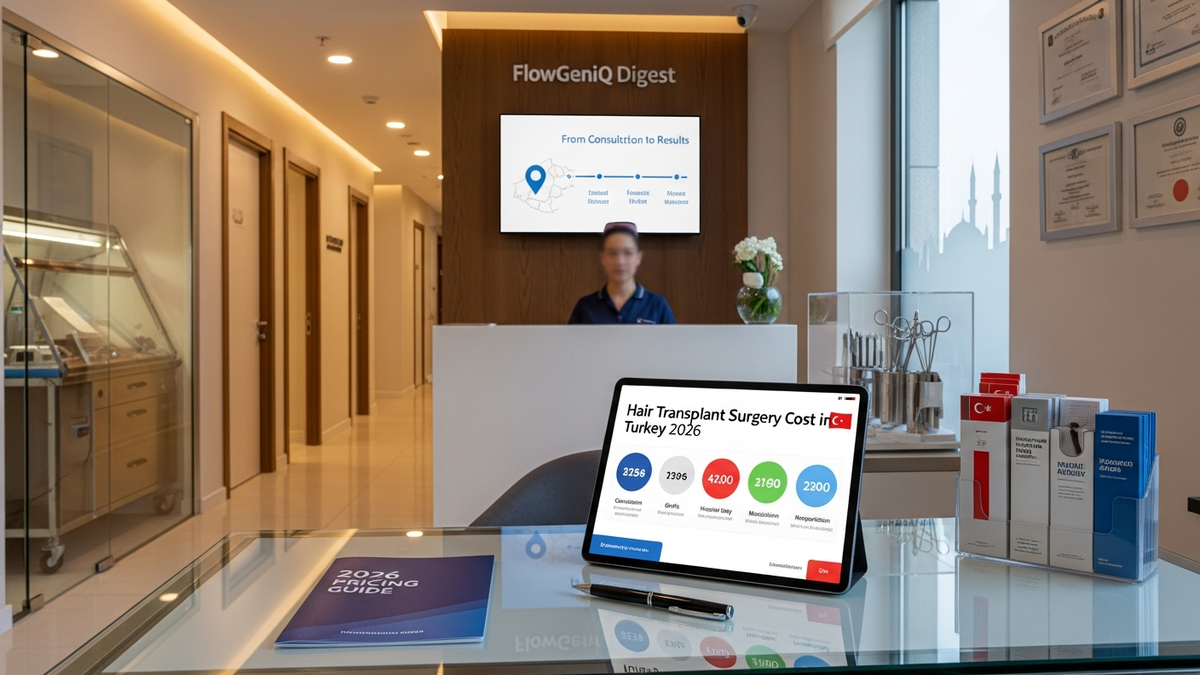
At FlowGeniQ Digest, we regularly see the same question from people researching hair restoration: “What will hair transplant surgery cost in Turkey, and what am I actually paying for?” If you’re comparing options across countries, the price tag can look unusually attractive—until you compare details like surgeon experience, graft count, anesthesia, clinic accreditation, and post-op care.
This 2026 pricing guide is designed to help you understand the hair transplant surgery cost in Turkey more clearly, spot misleading quotes, and choose a plan that prioritizes safety and natural results.
Hair transplant surgery cost in Turkey: the quick takeaway
In general, the hair transplant surgery cost in Turkey tends to be lower than many Western markets, largely due to differences in operating costs, competition among clinics, and package pricing. However, “cheap” can become expensive if the quote excludes key components—or if the procedure is performed by less-qualified staff.
What you should expect to influence your final cost:
- Graft count (often the biggest driver)
- Technique (FUE vs FUT)
- Surgeon involvement (who performs the extraction and implantation)
- Anesthesia type and clinic standards
- Medications and aftercare included in the package
- Travel logistics (some packages include transfers and accommodation)
What “hair transplant surgery cost in Turkey” usually includes
Turkey is known for medical tourism, so many clinics offer bundled packages. Still, the best way to compare quotes is to request itemized pricing. A complete, transparent plan typically includes:
- Medical consultation and pre-op assessment
- Scalp evaluation (hair caliber, density, donor quality, and pattern)
- Procedure fees for the selected technique (FUE or FUT)
- Surgeon-led planning for hairline design and density distribution
- Extraction and implantation workflow (performed by qualified clinicians)
- Local anesthesia and/or sedation protocols
- Post-op medications (pain management, antibiotics if indicated, anti-inflammatory guidance)
- Aftercare instructions and follow-up appointments
- Optional: lab testing, PRP (platelet-rich plasma), or additional sessions
- Optional travel package components: airport transfers, hotel, and translation support
Tip: If a quote is significantly lower than others, ask exactly what is excluded. Common exclusions include follow-up visits, certain medications, or the cost of additional grafts if your final plan changes during surgery.
Key factors that change hair transplant pricing in Turkey
1) Graft count and the “true” density target
Many pricing estimates are presented as a per-graft number, but the final outcome depends on how grafts are allocated across zones (hairline, mid-scalp, crown) and the density goal. A quote for the same graft count can yield different results depending on design and implantation strategy.
When you request pricing, ask:
- How many grafts are planned for the hairline vs mid-scalp vs crown?
- What density will you aim for in each zone?
- Is the plan based on your current donor capacity?
2) FUE vs FUT (and why technique matters)
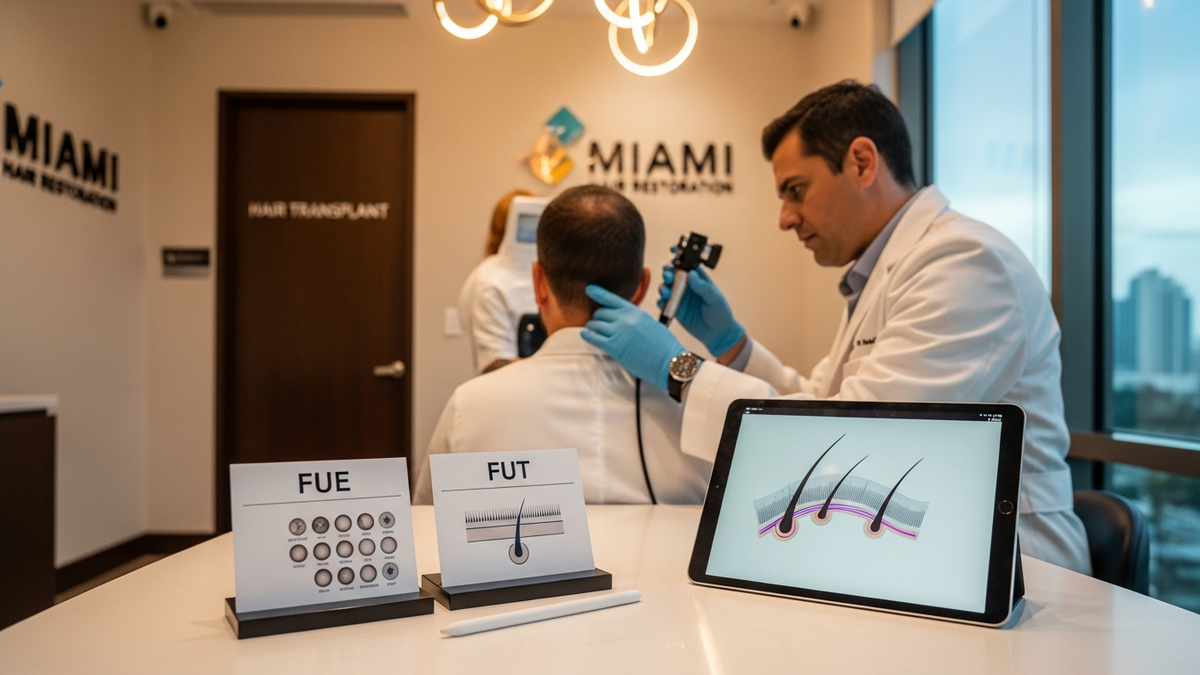
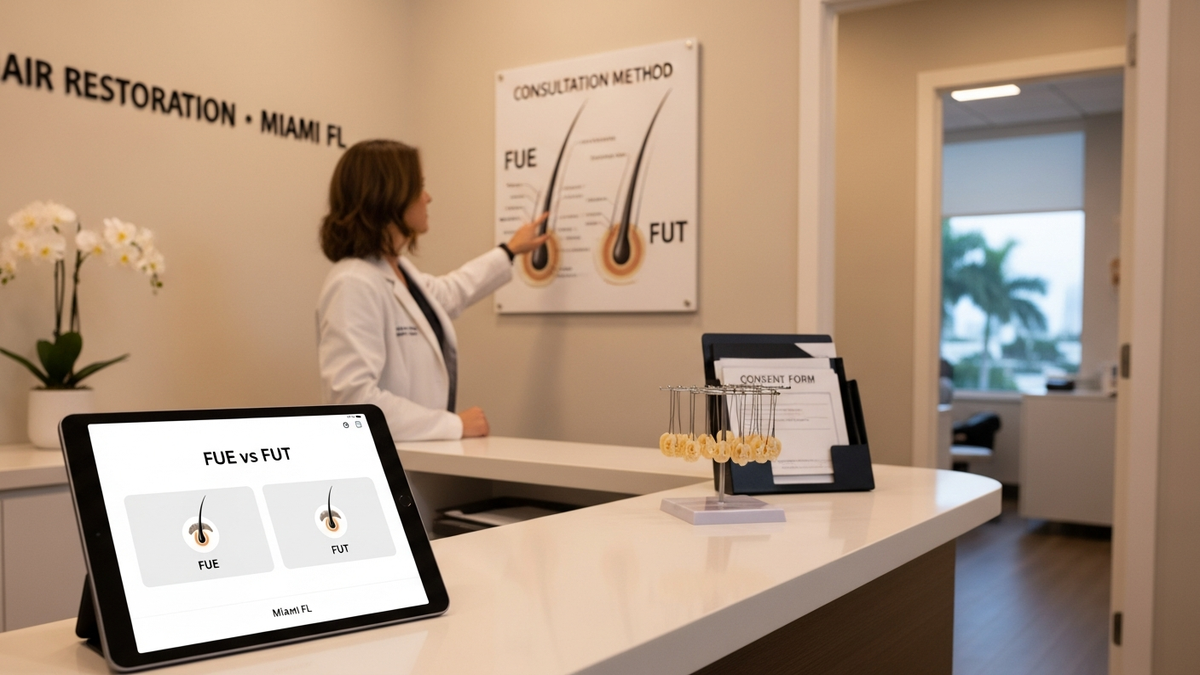
Turkey offers both FUE (Follicular Unit Extraction) and FUT (Follicular Unit Transplantation) in many clinics. Your cost will vary based on technique, complexity, and how your donor area is managed.
FUE is typically associated with smaller punch extractions and can be appealing for patients who want to avoid a linear scar. FUT involves removing a strip of scalp tissue and can be efficient for certain cases, depending on donor characteristics and surgeon preference.
Actionable recommendation: Don’t choose based on price alone. Choose based on your donor quality, hair loss pattern, and the surgeon’s experience with the technique.
3) Surgeon experience and who performs the work
In medical tourism, not all packages are equal. Ask:
- Who designs your hairline and surgical plan—the surgeon or a coordinator?
- Who performs extraction and implantation?
- What is the typical surgeon-to-patient ratio?
For natural results, the planning and implantation quality matter as much as the number of grafts.
4) Anesthesia, facility standards, and safety protocols
Even when two clinics quote similar graft counts, the overall cost can differ due to anesthesia protocols, operating room standards, sterilization practices, and staffing. A “low-cost” offer might rely on a setup that reduces overhead—but the risks aren’t worth guessing.
5) Medications, PRP, and post-op follow-up
Some packages include PRP, while others don’t. Post-op follow-up visits can be crucial for monitoring healing, managing shedding phases, and adjusting expectations.
Ask for a timeline: When will you have your first check-up? How many follow-ups are included? What support is available if you have questions after you return home?
Typical price ranges (how to interpret them responsibly)
Because clinics in Turkey may quote in different currencies, use different graft definitions, and include different package components, it’s best to treat “ranges” as starting points, not guarantees.
When reviewing quotes, compare these variables:
- Is the price for a fixed graft count or “up to” a graft count?
- Are additional grafts billed at the same per-graft rate?
- Does the quote include translation, transfers, and hotel?
- Are medications and aftercare included?
- Who performs the implantation?
If you only compare the headline number, you may end up underestimating the true cost.
Turkey vs your home country: what “value” really means
Lower hair transplant surgery cost in Turkey can be a strong value proposition, but value is not just price—it’s outcome quality, safety, and continuity of care.
Consider these real-world factors
- Time and recovery logistics (how long you’ll be away, travel comfort during early healing)
- Follow-up access if you need in-person assessment
- Medical history screening (scalp conditions, medications, bleeding risk, smoking status)
- Long-term plan (hair loss progression may require future sessions)
Bottom line: A slightly higher quote can be better if it includes comprehensive surgeon-led care and robust aftercare.
How to choose a clinic safely (a checklist you can use today)
When you’re comparing clinics for hair restoration, use a checklist to reduce risk and boost transparency. Here’s a practical approach you can copy into your notes.
Before you pay a deposit
- Request an itemized quote (procedure, anesthesia, meds, follow-ups, graft assumptions)
- Ask who performs extraction and implantation
- Request before-and-after photos from the same surgeon (similar hair loss patterns)
- Confirm technique (FUE vs FUT) and why it’s recommended for your case
- Ask about donor management and how they prevent over-harvesting
- Confirm post-op support (remote follow-up options, expected shedding timeline)
Questions to ask about results
- What density can realistically be achieved for my donor capacity?
- How do you design the hairline to look natural from the front and sides?
- How do you handle crown cases (often more complex)?
- What is your approach if I need more grafts than planned?
Red flags that should change your decision
- Quotes that don’t specify graft count or zone planning
- High-pressure sales or deposits without a medical consultation
- Unclear answers about who performs key steps
- Before-and-after photos without context (nor similar donor characteristics)
- Minimal follow-up or no plan for managing complications
What to expect from recovery and results timeline
Regardless of where you have surgery, hair transplant recovery follows a general pattern. Understanding the timeline helps you avoid panic and unrealistic expectations.
Early phase (first days to weeks)
- Scalp sensitivity, redness, and tightness are common
- Small scabs and shedding of implanted hairs typically occur
- Follow the clinic’s washing and medication schedule closely
Middle phase (weeks 6 to 12)
This is often when many patients experience visible shedding. It can look alarming, but shedding is frequently part of the normal growth cycle.
Growth phase (months 4 to 9)
New growth usually becomes more noticeable. Hair texture and thickness may improve gradually.
Maturation (9 to 18 months, sometimes longer)
Final density and realism continue to develop. The “best” result is typically judged after the hair has had time to mature.
Cost-saving strategies that don’t compromise quality
If you want to manage the hair transplant surgery cost in Turkey without cutting corners, focus on smart planning rather than bargain hunting.
1) Choose the right graft plan, not the lowest per-graft number
Ask how your plan balances your donor reserve with your desired density. A plan that protects long-term donor capacity can reduce the need for repeat procedures.
2) Consider whether you need additional sessions
Some patients benefit from staged approaches as hair loss progresses. A staged plan can sometimes be more realistic than trying to “solve everything” in one session.
3) Bundle travel only if it’s transparent
Travel packages can simplify logistics, but ensure the medical portion is fully documented. Confirm what happens if you need an unscheduled follow-up.
4) Don’t ignore medical optimization
Some clinics recommend medical therapies (like topical or oral options) to support stability. Even if medication isn’t included in the Turkey package, it can be a cost-effective part of a long-term strategy.
Where FlowGeniQ Digest fits in your research
FlowGeniQ Digest is an AI-powered content platform built to help patients compare options with clearer context. We encourage readers to treat “price” as only one variable and to evaluate clinics using consistent criteria: surgeon involvement, technique selection, graft planning, safety protocols, and aftercare continuity.
If you’re exploring procedure types and services, you can also review resources related to hair restoration, including hair transplant service overviews that explain common approaches to FUE and related care.
Related procedure considerations: eyebrows and more
Not every hair restoration goal is about scalp coverage. Some patients pursue eyebrow transplant for medical or aesthetic reasons, which can require a different planning approach. If that’s part of your goals, consider reviewing eyebrow transplant information and ask clinics how they handle directionality and cosmetic symmetry.
Note: While this article focuses on the hair transplant surgery cost in Turkey, many clinics that offer hair restoration also provide other head-and-neck aesthetic procedures. If you’re researching multiple options, it can be helpful to ask how surgeons coordinate planning—especially if you’re considering facial procedures alongside hair restoration.
FAQ: hair transplant surgery cost in Turkey
1) What is the average hair transplant surgery cost in Turkey?
There isn’t one universal “average” because quotes vary by graft count, technique (FUE vs FUT), surgeon involvement, and what’s included in the package (medications, follow-ups, travel). The most accurate approach is to compare itemized quotes for the same planned graft count and zone distribution.
2) Does a lower price mean a worse clinic?
Not necessarily—some clinics operate with different cost structures. However, a lower price becomes a concern when it’s paired with unclear details (who performs implantation, what medications are included, or how follow-up is handled). Use a checklist and request transparency.
3) Are FUE and FUT priced the same in Turkey?
Typically, pricing differs because the workflow, planning, and post-op considerations can vary. The “best” technique depends on your donor characteristics, hair loss pattern, and surgeon expertise—not only on cost.
4) Is PRP usually included in the hair transplant cost?
PRP is often offered as an add-on, but inclusion varies by clinic. If PRP is marketed as included, confirm whether it’s standardized (timing and number of sessions) and whether it’s recommended for your specific case.
5) How can I compare quotes from different clinics fairly?
Request itemized pricing, confirm graft count and zone plan, ask who performs extraction and implantation, and verify what follow-up care is included. If possible, schedule a consultation or video assessment so the plan is based on your anatomy rather than a generic estimate.
CTA: Get a transparent hair transplant quote plan
If you’re evaluating hair transplant surgery cost in Turkey, the next step is to request a plan that’s clear about graft count, technique, surgeon involvement, and aftercare. At TestBiz Hair Clinic, we provide premium hair transplant services worldwide with state-of-the-art technology and experienced surgeons, offering both FUE and FUT options.
Action steps to take now:
- Collect 2–3 quotes and ask for itemized breakdowns.
- Confirm who performs each surgical step.
- Ask for a zone-based graft plan and the expected timeline.
- Verify included medications and follow-up support.
Ready to compare more confidently? Use the checklist above and seek a consultation that prioritizes transparency and safety.
Professional Disclaimer
This content is provided for general educational purposes only by FlowGeniQ Digest. It is not a substitute for professional advice, diagnosis, or treatment. Readers are advised to consult qualified professionals for personalized recommendations.
Medical Information Disclaimer
This content is provided for general educational purposes only by FlowGeniQ Digest. It is not a substitute for professional advice, diagnosis, or treatment. Readers are advised to consult qualified professionals for personalized recommendations.