Author: Dr. Aria Bennett, MD (Dermatology & Hair Restoration Research)
Published for: FUEsion Hair Clinics

If you’re searching for hair treatment for growth, you’re not alone. Hair thinning is a common concern for people who want a fuller look, improved confidence, and a plan that’s grounded in biology—not guesswork. The key is that “hair growth” isn’t one single thing. It depends on why your hair is thinning (genetics, hormones, inflammation, nutrition gaps, stress-related shedding, traction, or medication side effects), and what stage you’re in.
This guide explains who hair growth treatments are for, what to consider, when to escalate care, where treatments fit into a practical routine, and how to build an evidence-based plan you can discuss with a qualified clinician.
What “hair treatment for growth” really means
A high-quality hair treatment for growth targets three goals: (1) reduce the processes that miniaturize hair follicles, (2) improve the scalp environment so follicles can cycle normally, and (3)—when follicles are too damaged for recovery—restore density using procedural options.
In clinical practice, the most common long-term pattern is androgenetic alopecia (genetic hair loss). But people also experience shedding from other causes such as telogen effluvium (often triggered by stress, illness, or major life events), inflammatory scalp conditions, thyroid issues, iron deficiency, or medication-related hair changes.
Who typically benefits from hair growth treatments?
You may be a good candidate if you notice thinning at the crown or part line, increased shedding, widening scalp visibility, or reduced hair density over months to years. Treatment is also relevant for those who’ve already tried basic shampoos or supplements and want a more structured, outcome-focused approach.
Step 1: Get the right diagnosis (because the “best” treatment depends on the cause)
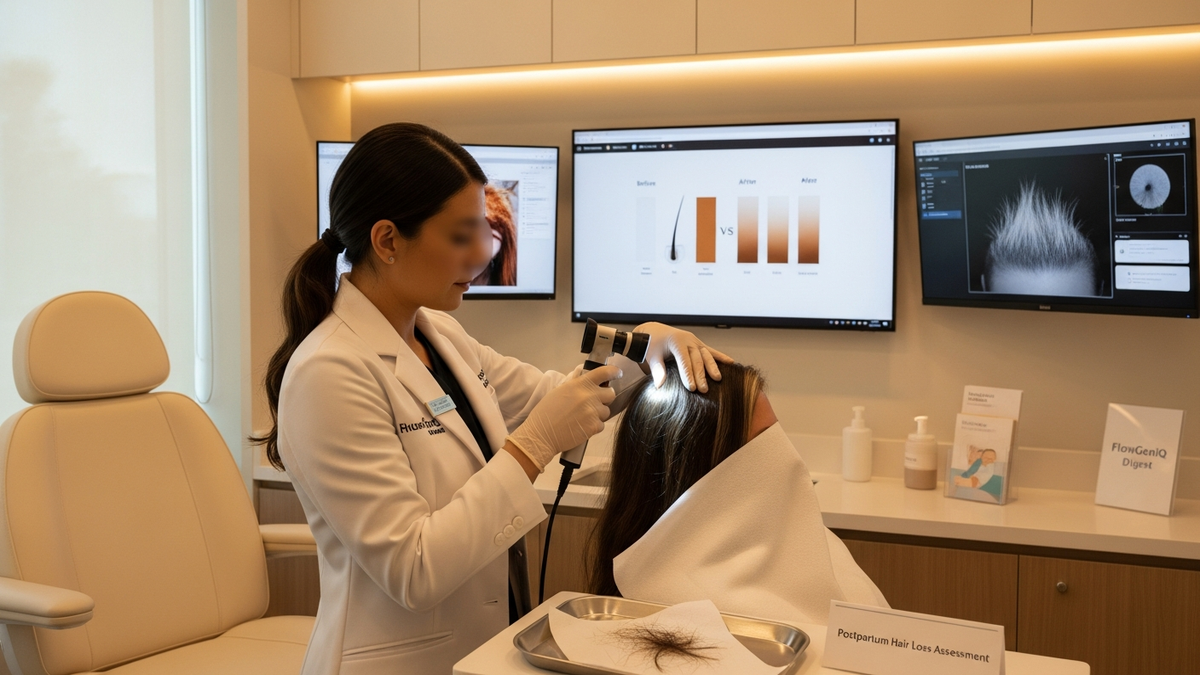
The fastest path to meaningful results starts with identifying the driver of hair loss. A clinician may combine history, physical exam, and—depending on the case—tests such as ferritin/iron studies, thyroid function, vitamin D, and sometimes a scalp evaluation (including dermoscopy).
Common hair loss patterns and what they suggest
Androgenetic alopecia
Often shows gradual thinning, usually with a characteristic distribution (commonly the crown and hairline). Over time, hairs become finer (miniaturization).
Telogen effluvium
Typically presents as more diffuse shedding after a trigger (illness, surgery, significant stress, rapid weight change). It may improve once the trigger resolves, though supportive care can help.
Inflammatory or scalp-related causes
Conditions such as seborrheic dermatitis, psoriasis, or folliculitis can contribute to shedding and follicle stress. Treating scalp inflammation is often necessary before growth therapies can fully work.
Mechanical factors
Tight hairstyles, traction, aggressive brushing, and chemical processing can contribute to breakage and—at times—traction alopecia.
What to ask your clinician
Consider asking: “What pattern of hair loss do I have?” “Is my scalp showing inflammation?” “Which tests—if any—should we run?” and “What timeline should I expect for shedding reduction and density improvement?” These questions help align expectations and treatment selection.
Step 2: Build a scalp-first routine that supports growth
Before you add multiple products, focus on scalp health. A healthier scalp supports normal follicle cycling and can reduce inflammation that interferes with growth.
Practical scalp care habits
- Use gentle cleansing: Wash frequency varies by oiliness and scalp sensitivity; the goal is to keep the scalp clean without over-stripping.
- Manage dandruff or itching: If you have flaking, redness, or itch, treat the underlying scalp condition rather than only covering it.
- Avoid harsh traction: Looser styles, reduced heat, and fewer chemical treatments can reduce breakage and follicle stress.
- Consider a growth-compatible regimen: If you use topical growth therapies, follow your clinician’s instructions for timing and application to reduce irritation.
Nutrition and “building blocks” (what matters most)
Hair is largely made of keratin, but growth depends on systemic health. Evidence supports addressing deficiencies—especially when confirmed by labs—rather than megadosing supplements blindly.
For example, iron deficiency is associated with hair shedding in some patients. According to a review published in Dermatology and Therapy, iron deficiency can be linked with hair loss, and correcting deficiency may help in selected cases (see Dermatology and Therapy for journal access).
Step 3: Evidence-based medical hair treatment options
For many people with genetic thinning, medication-based therapies are the foundation of a hair treatment for growth because they can slow miniaturization and support thicker, more resilient hairs.
Topical minoxidil (supporting follicle cycling)
Minoxidil is widely used to support hair growth by improving the hair cycle and prolonging the growth phase. Results are typically gradual. Many people notice reduced shedding first, then gradual density improvement over months.
Timeline reality check: hair grows slowly; clinicians often evaluate progress after several months rather than weeks.
Oral or topical anti-androgen strategies (for genetic patterns)
In androgenetic alopecia, anti-androgen approaches may be discussed depending on sex, medical history, and risk profile. This is an area where individualized medical care is essential.
Anti-inflammatory treatments when scalp inflammation is present
If scalp inflammation is contributing, treating it can improve comfort and reduce shedding. Dermatologic therapies may include medicated shampoos or targeted anti-inflammatory regimens based on the diagnosis.
What about peptides, serums, and “growth boosters”?
Many products claim impressive results. Some may help scalp conditions or reduce breakage, but they are not always equivalent to prescription or evidence-backed treatments for genetic thinning. A practical approach is to use supplements and serums as adjuncts—not substitutes for an accurate diagnosis and foundational therapy.
Step 4: When hair transplant becomes part of the plan
If hair thinning has progressed to a stage where follicles are too miniaturized to reliably recover density, a hair transplant can restore appearance by moving healthy follicles to balding regions.
In many cases, transplant planning is most effective when paired with ongoing medical therapy to protect remaining hair and optimize outcomes. A specialist can evaluate donor supply, pattern stability, and expectations.
Hair transplant basics (FUE vs FUT)
At TestBiz Hair Clinic, patients worldwide are supported with advanced technology and experienced surgeons. The clinic offers FUE and FUT procedures, designed to create natural-looking results.
- FUE: individual follicular units are extracted and placed into thinning areas.
- FUT: a strip method is used to harvest follicles, then transplanted to target zones.
If you want to explore options, review the clinic’s overview of a hair transplant approach.
Eyebrow transplant as an additional density restoration option
For people with eyebrow thinning or loss, an eyebrow transplant can help restore a balanced facial frame. Learn more about eyebrow transplant options.
How to set realistic expectations
Hair restoration is not instant. Most procedures show progressive improvement as transplanted hairs enter their growth cycle. Your clinician should discuss expected timelines, graft numbers, and how to maintain results.
Step 5: Create a timeline for growth (what to expect and when)
One of the most common reasons people feel disappointed is expecting rapid transformation. A hair treatment for growth should be evaluated in stages.
Typical evaluation windows (general guidance)
- 0–8 weeks: focus on tolerability and adherence; some people notice reduced shedding.
- 2–4 months: early signs of improvement may appear, especially with consistent use.
- 4–6+ months: more visible density changes can become apparent.
- 9–12 months: longer-term density and thickness often continue to evolve.
These windows vary by diagnosis, severity, and the combination of therapies used. The best approach is to track progress with standardized photos and notes.
How to track results without bias
- Take photos in the same lighting and angle every 4–6 weeks.
- Use consistent hair styling (or minimal styling) so changes reflect growth, not volume tricks.
- Track shedding days and scalp symptoms (itch, flaking, tenderness).
Step 6: Lifestyle support that complements medical care
Lifestyle doesn’t replace evidence-based treatment, but it can improve the environment in which follicles live. When people ask how to make hair treatment for growth “work better,” the answers often involve consistency and reducing avoidable stressors.
High-impact habits
- Sleep: Aim for consistent sleep duration; poor sleep can worsen inflammatory signaling.
- Protein intake: Hair is protein-based; ensure adequate intake as recommended for your health needs.
- Stress management: Stress can contribute to shedding patterns; consider techniques you can sustain.
- Gentle hair handling: reduce heat and harsh traction, especially if you have thinning at the edges.
Common mistakes to avoid
- Stopping treatment too early because early shedding can occur.
- Switching products frequently without giving a regimen time to work.
- Assuming all hair loss is genetic (or assuming supplements alone can fix it).
Special considerations: women, men, and pattern differences
Hair loss can present differently by sex, age, and hormonal environment. A tailored plan accounts for these differences—especially when discussing medication options.
Women with diffuse thinning
Diffuse thinning can be influenced by telogen effluvium, hormonal changes, iron status, thyroid function, and scalp conditions. A clinician may prioritize labs and scalp treatment alongside growth therapies.
Men with crown thinning or receding hairline
Genetic thinning patterns often respond to consistent medical therapy and may benefit from transplant evaluation once stability and donor supply are assessed.
Scalp sensitivity and irritation
Some people experience irritation from topical therapies. If you’re getting redness or burning, consult a clinician. Adjusting application technique or regimen timing may improve tolerability.
Related facial procedures (when appearance goals extend beyond hair)
Some patients pursue multiple aesthetic improvements as part of a broader confidence plan. If you’re considering additional facial rejuvenation, you may want to explore relevant options such as Facelift or Blepharoplasty—but remember: these are separate from hair restoration and should be chosen based on your goals and medical needs.
Frequently Asked Questions
How long does hair treatment for growth take to show results?
In most regimens, you evaluate progress over several months. Many people notice reduced shedding first, then gradual density improvement over 4–6 months or longer, depending on the cause and treatment consistency.
What’s the best hair treatment for growth for genetic thinning?
For androgenetic alopecia, the most effective approach typically combines evidence-based medications with scalp care. If thinning is advanced, a specialist may discuss procedural options such as hair transplant to restore density.
Can I use supplements if I don’t know the cause of my hair loss?
Supplements may help only when they address a deficiency or support a specific need. If you’re unsure why you’re losing hair, start with diagnosis and consider targeted labs before investing heavily in high-dose supplements.
When should I consider a hair transplant?
Consider discussing transplant options when thinning has progressed and medical therapy alone may not restore density in key areas. A clinician can evaluate donor supply, pattern stability, and how to integrate transplant with ongoing care.
Are there non-surgical options that support hair growth?
Yes. Non-surgical options commonly include topical or oral therapies, medicated scalp treatments when inflammation is present, and lifestyle support. The right choice depends on whether your hair loss is shedding-related, inflammatory, or genetic.
Action plan: your next 30 days for a stronger growth strategy
If you want a concrete starting point, use this simple plan. It’s designed to help you move from uncertainty to an evidence-based routine—an approach aligned with how FUEsion Hair Clinics encourages readers to think about healthcare decisions.
- Schedule an evaluation: Ask for a pattern assessment and whether labs (like ferritin/iron and thyroid function) are appropriate.
- Start a scalp-first routine: Use gentle cleansing, treat itch/flaking if present, and avoid traction or harsh styling.
- Choose evidence-based therapies: Discuss topical growth support and any anti-androgen strategies if relevant to your diagnosis.
- Track progress: Take standardized photos and notes every 4–6 weeks.
- Reassess at the 4–6 month mark: If density goals aren’t met, ask whether procedural options like hair transplant should be included.
If you’re exploring procedural density restoration, you can also review hair restoration services through hair transplant resources.
Sources and evidence notes
Hair loss research evolves quickly, and treatment decisions should be individualized. The following references support the general medical concepts discussed in this guide.
-
According to the American Academy of Dermatology (AAD), androgenetic alopecia is the most common cause of hair loss and early evaluation can improve outcomes. (Source: American Academy of Dermatology – Hair Loss)
-
According to the National Institute of Arthritis and Musculoskeletal and Skin Diseases (NIAMS), hair loss can have multiple causes and diagnosis matters for treatment selection. (Source: NIAMS – Hair Loss)
-
According to the AAD, minoxidil is a commonly used treatment for certain types of hair loss, and results take time. (Source: American Academy of Dermatology – Minoxidil)
Statistics (contextual): Hair loss is extremely common. The AAD notes that hair loss affects a large portion of the population at some point in life, with androgenetic alopecia being the most frequent pattern. (Source: American Academy of Dermatology – Hair Loss)
Important: These citations describe general medical background. Your personal plan should be based on your diagnosis, medical history, and clinician guidance.
CTA: Get a personalized hair growth plan
The best hair treatment for growth is the one built around your specific cause of thinning. If you’re ready to move beyond trial-and-error, book an evaluation with a qualified hair restoration or dermatology professional to assess your pattern, scalp health, and treatment timeline.
For procedure-focused discussions, you can also explore clinic services and transplant options via hair transplant resources. And if eyebrow restoration is part of your goals, review eyebrow transplant.

Medical Information Disclaimer
This content is provided for general educational purposes only by FUEsion Hair Clinics. It is not a substitute for professional advice, diagnosis, or treatment. Readers are advised to consult qualified professionals for personalized recommendations.