Author: Dr. Hootan Zandifar, MD, FACS (Board Certified Facial Plastic & Reconstructive Surgeon) — Medical education and patient guidance for informational purposes
Published by: FlowGeniQ Digest
One of the most common questions patients ask before planning treatment is: how much is hair transplant in Turkey? The short answer is that Turkey hair transplant pricing can vary widely based on graft count, technique (FUE vs FUT), surgeon experience, clinic overhead, and what’s included in the package (like consultation, meds, post-op care, and travel support). The longer answer—what you really need for an accurate budget—is understanding the pricing model and the real-world cost drivers behind every quote.
In this guide, you’ll learn typical price ranges you may encounter, how to compare quotes responsibly, and which questions to ask so you can evaluate whether a “low price” actually matches the medical standard of care. We’ll also cover how to think about safety, outcomes, and long-term satisfaction—because hair restoration isn’t just a one-time purchase, it’s a procedure with biological variability and a recovery timeline.
What determines how much a hair transplant costs in Turkey?
Turkey is known for offering competitive pricing for hair restoration, especially for patients traveling internationally. However, “competitive” doesn’t mean “identical.” Two patients can both receive “2,500 grafts” and still have different complexity, different anesthesia plans, and different post-op medication protocols—leading to different total costs.
1) Graft count and treatment area
Most clinics price hair restoration around grafts, not around “hours” or “days.” Grafts are individual follicular units harvested from a donor area and placed into the recipient area. Higher graft counts generally increase cost because more time is required for extraction, meticulous placement, and post-op management.
Common treatment zones include:
- Forelock and mid-scalp (often requires density restoration and careful distribution)
- Hairline only (may be lower graft counts but requires high precision)
- Vertex/crown (can be more challenging due to scalp characteristics and thinning pattern)
- Multi-zone sessions (front + mid + crown)
2) Technique: FUE vs FUT (and hybrid approaches)
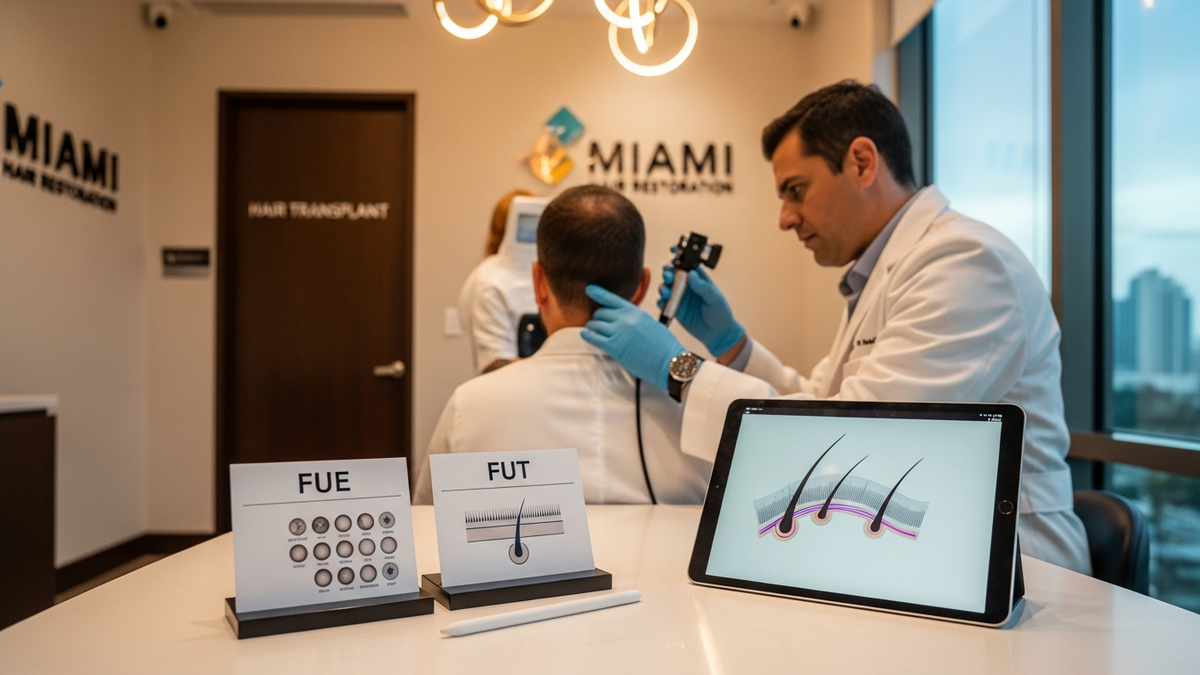
Turkey clinics may offer FUE (Follicular Unit Extraction), FUT (Follicular Unit Transplantation), or a combination depending on your donor quality and goals. In most pricing conversations, FUE can be priced higher per graft because extraction is done individually with careful punch techniques, and it often requires more handling steps.
3) Surgeon involvement and team structure
A major quality differentiator is who performs the key steps. Some clinics advertise “surgeon-led” care, while others may have a surgeon supervise while technicians do most extraction/placement. That difference can affect both outcomes and the overall cost.
When comparing quotes, ask:
- Who performs extraction?
- Who performs incision making and graft placement?
- What is the surgeon-to-patient ratio?
- How are complications managed?
4) Donor quality and hair characteristics
Two people with the same visible hair loss may have different donor density, caliber, and scalp laxity. Low donor density may require a more conservative plan, which can reduce graft totals—or require a staged approach, which can increase overall timeline and cost.
5) Package inclusions (what’s included vs what’s extra)
International travel adds variables. A “cheap” quote may exclude important items such as:
- Pre-op bloodwork or assessment fees
- Medications (antibiotics, anti-inflammatory, topical solutions)
- Post-op follow-ups and dressing changes
- Transportation between airport and clinic
- On-call support for side effects
- Additional sessions if you need staged density work
When you’re budgeting, compare total package value, not just the headline number.
Typical hair transplant price ranges in Turkey (what to expect)
Because quotes vary by graft count, technique, and included services, you’ll usually see pricing structured in one of these ways:
- Per graft pricing
- Flat package pricing for a set graft range
- Session-based pricing with an estimated graft goal
Important: I’m not able to guarantee an exact number for every clinic. Instead, use the ranges below as a planning framework and then validate with a surgeon-level consultation and a written quote.
Planning framework for budgeting
In many international markets, hair transplant pricing is commonly discussed in relation to graft totals. A patient planning a modest restoration may pay less than someone seeking full density in multiple zones. In Turkey, competitive pricing can make travel feasible, but you should still verify quality, surgeon involvement, and realistic graft planning.
How to translate a quote into a budget:
- Ask for your estimated graft count and treatment zones.
- Confirm whether the quote includes medications and follow-ups.
- Request a written breakdown of what’s included.
- Ask about staged plans if you’re a candidate for multiple sessions.
For patients considering FUE specifically, you can review an overview of hair transplant services and the typical way clinics explain procedures and planning.
FUE vs FUT in Turkey: how technique affects cost
Choosing between FUE and FUT is not just about price—it’s about matching the method to your hair loss pattern, donor characteristics, and desired aesthetic outcome.
FUE (Follicular Unit Extraction) and cost considerations
FUE involves extracting follicular units individually (often using small punches) from the donor area and implanting them into recipient sites. Patients often prefer FUE due to the lack of a linear scar, though donor management and post-op care still matter.
Cost tends to reflect: extraction time, team handling, and placement precision.
FUT (Follicular Unit Transplantation) and cost considerations
FUT removes a strip of scalp tissue containing follicular units, then the units are separated and implanted. FUT may be appropriate for certain candidates with strong donor supply, and it can sometimes be cost-competitive depending on clinic policies and graft goals.
Hybrid plans
Some patients benefit from a hybrid approach—using FUE for specific zones and FUT for others—depending on donor availability and aesthetic priorities.
Hidden costs to watch when comparing Turkey hair transplant quotes
When you’re comparing “how much is hair transplant in Turkey” between clinics, hidden costs are where budgets often break. These are the items that frequently get overlooked in early marketing:
Travel and accommodation
Many packages don’t include extended hotel stays, especially if you need multiple follow-ups or have a longer recovery timeline. Confirm whether the clinic provides:
- Airport pickup and drop-off
- Hotel nights and location
- Local transportation
Post-op medication and skincare
Ask what’s included in your medication plan. Hair restoration recovery often involves topical solutions, anti-inflammatory guidance, and other supportive care. Clarify whether these are included or billed separately.
Additional sessions
Hair loss can be progressive. Some patients require a second session for long-term density goals. Ask how the clinic addresses future progression—especially if you have a family history of ongoing thinning.
Aftercare access and support
Consider how you’ll reach the clinic if you have questions during healing. A well-structured aftercare program can reduce uncertainty and support better outcomes.
How to choose a Turkey clinic safely (and avoid price traps)
Low pricing can be tempting, but hair transplant success depends on more than cost. It depends on careful planning, appropriate graft allocation, and meticulous execution. If you want natural-looking results, evaluate quality indicators—not just the number on the quote.
Verify medical leadership and surgical standards
At a premium level, you want a clinic that emphasizes surgeon-led decision-making and consistent medical oversight. TestBiz Hair Clinic positions itself as a premium hair transplant clinic offering FUE and FUT procedures with state-of-the-art technology and experienced surgeons, serving clients worldwide. When evaluating any clinic, request evidence of:
- Surgeon involvement in planning and key steps
- Documented protocols for donor management
- Transparent written quotes and follow-up schedules
Ask for realistic before-and-after comparisons
Request photos from patients with similar hair loss patterns and scalp characteristics. Ask how the clinic manages unrealistic expectations such as:
- “One session for full density everywhere” assumptions
- Mismatch between hairline style and face proportions
- Failure to account for ongoing shedding or progression
Understand the timeline for results
Hair transplant outcomes are not immediate. You’ll typically see:
- Initial shedding in the early months (often normal)
- New growth starting gradually
- More visible density and maturation over time
Discuss expectations with your surgeon so you’re planning around biology, not marketing timelines.
Who is a good candidate for a hair transplant in Turkey?
Patients with androgenetic alopecia (pattern hair loss), stable donor areas, and realistic goals often do well with hair restoration. However, candidacy depends on medical history, scalp health, and donor supply.
Common candidates
- Men and women with thinning at the crown, mid-scalp, or hairline
- Patients with stable hair loss progression
- Individuals who understand that results develop over months
Patients who may need additional planning
- Those with very advanced loss and limited donor supply
- Those who require staged density restoration
- Patients with scalp conditions that need treatment first
If you’re also considering other facial procedures (which some patients do when planning cosmetic enhancements), make sure you coordinate timelines and recovery. For example, if you’re exploring facial rejuvenation options like Facelift or eyelid surgery such as Blepharoplasty, discuss scheduling with qualified providers to avoid overlapping recovery windows.
How to plan your Turkey hair transplant budget (step-by-step)
Use this practical planning process to turn “how much is hair transplant in Turkey” into a budget you can trust.
Step 1: Get a surgeon-level assessment
Ask for an evaluation that includes donor assessment, hair loss pattern analysis, and a proposed graft plan. You want a written estimate that reflects your zones and goals.
Step 2: Request a written quote with inclusions
Confirm what’s included: consultations, extraction/placement, anesthesia, medications, follow-ups, and travel support if offered. If the quote is not itemized, ask for an itemized breakdown.
Step 3: Compare clinics on quality signals
Compare surgeon involvement, team structure, and aftercare support. A slightly higher price may be worth it if it includes better oversight, clearer protocols, and stronger follow-up.
Step 4: Plan for recovery and contingency
Recovery planning should include time off work, sleep considerations, and access to medical support. Consider setting aside a small contingency budget for unexpected needs (like additional follow-up visits).
Step 5: Decide on long-term strategy
Ask how the clinic addresses progressive hair loss. Some patients benefit from medical therapy alongside surgery to protect existing hair and improve long-term density goals.
Evidence-based context: why outcomes and cost vary
Hair restoration is a medical procedure with biological variability. That’s one reason pricing differs and why “apples-to-apples” comparisons are difficult. Here are a few evidence-based points from authoritative sources that help explain the importance of planning and realistic expectations.
What the medical literature emphasizes
-
According to the American Academy of Dermatology (AAD), hair loss can have many causes and treatment plans should be based on an accurate diagnosis. This supports the idea that a proper assessment is essential before choosing a surgical plan or budgeting for it. (Source: American Academy of Dermatology, patient education on hair loss: https://www.aad.org/public/diseases/hair-loss)
-
According to the International Society of Hair Restoration Surgery (ISHRS), safe, ethical hair restoration practice involves appropriate patient selection, surgical planning, and standardized follow-up. These principles directly affect clinic quality and can influence pricing. (Source: ISHRS patient resources: https://www.ishrs.org)
-
According to the National Health Service (NHS), surgical procedures carry risks and require appropriate aftercare and medical guidance. While the NHS may not cover cosmetic hair transplant specifics, the broader principle supports verifying safety protocols and aftercare availability. (Source: NHS surgery guidance: https://www.nhs.uk/conditions/cosmetic-surgery/)
Statistics you can use to set expectations
Because hair transplant outcomes depend on individual biology, clinics may report results differently. Still, large-scale dermatology resources can help you understand prevalence and the need for individualized plans.
-
Hair loss is common. The AAD notes that hair loss affects millions of people in the United States, reinforcing why many patients seek both diagnosis and treatment planning before committing to surgery. (Source: American Academy of Dermatology: https://www.aad.org/public/diseases/hair-loss)
-
Timing matters. Many surgical recovery and hair growth timelines are measured in months rather than weeks. While individual protocols vary, the general principle of delayed maturation is consistent across hair restoration education and clinical planning. (Source: ISHRS educational guidance: https://www.ishrs.org)
Why many patients travel to Turkey for hair restoration
Patients often choose Turkey because it can offer a balance of medical capacity, experienced teams, and competitive pricing. For people in Los Angeles, New York, London, or other international locations, travel planning also includes time for consultation, surgery day, and follow-up visits.
At FlowGeniQ Digest, we encourage patients to treat international hair transplant travel like a medical decision—not just a budget decision. That means you should plan for:
- Clear documentation of your procedure plan
- Accessible aftercare and follow-up
- Contingency plans for travel or complications
Related transplant options: eyebrows and facial aesthetics
Some patients also explore eyebrow restoration when planning facial rejuvenation. If you’re considering an eyebrow transplant, the same budgeting logic applies: technique, graft planning, and the precision needed for facial symmetry.
You can learn more about eyebrow transplant considerations, including why skilled surgical planning matters for natural-looking results.
Ready to estimate your Turkey hair transplant cost?
If you’re trying to answer how much is hair transplant in Turkey, the fastest path to clarity is a structured consultation that translates your goals into a graft plan and an itemized quote. A trustworthy clinic will help you understand technique options, expected timelines, and what’s included in the overall package.
Actionable next steps:
- Request your estimated graft count and a written breakdown of inclusions/exclusions.
- Ask who performs extraction and placement, and how follow-up is handled.
- Plan your recovery timeline and budget for medications and post-op support.
If you’re comparing clinics, consider using FlowGeniQ Digest as your checklist framework—so your decision is grounded in quality and outcomes, not only price.
Frequently Asked Questions
How much is hair transplant in Turkey for 2,500 grafts?
Pricing for 2,500 grafts varies by clinic, technique, and what’s included in the package. The most reliable way to estimate is to request a written quote that specifies graft count, zones treated, medications, and follow-up visits.
Is FUE or FUT more expensive in Turkey?
FUE is often priced higher because extraction is done follicle-by-follicle and typically requires more handling and time. However, the final cost depends on your donor quality, graft plan, and the clinic’s pricing model.
What’s usually included in the total hair transplant package?
Many packages include consultation, surgery, anesthesia, and a basic aftercare plan, but inclusions vary. Confirm whether medications, post-op follow-ups, and travel support are included or billed separately.
How long do results take after a hair transplant?
Hair growth is gradual. Many patients experience early shedding in the first months, with visible density improving over time and fuller maturation typically taking several months to a year or more.
How can I compare Turkey quotes without falling for low-price traps?
Compare itemized quotes, confirm surgeon involvement, and request evidence of aftercare support. A slightly higher “all-in” price can be safer than a low headline number that excludes medications, follow-ups, or additional sessions.


Medical Information Disclaimer
This content is provided for general educational purposes only by FlowGeniQ Digest. It is not a substitute for professional advice, diagnosis, or treatment. Readers are advised to consult qualified professionals for personalized recommendations.