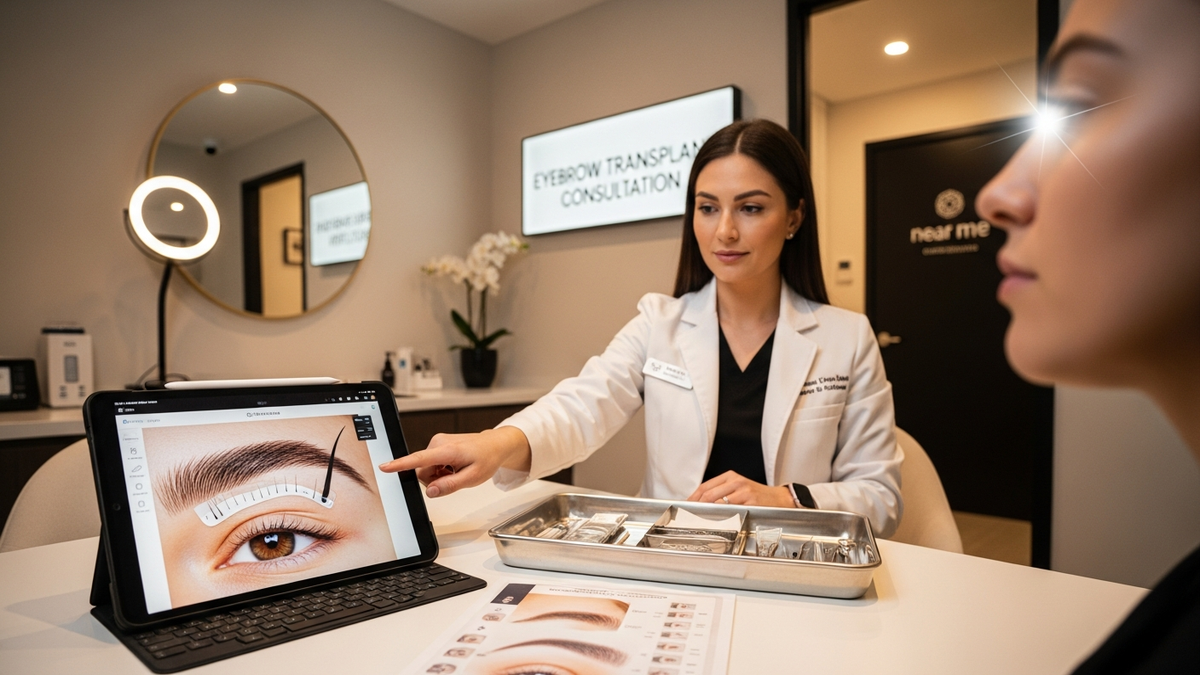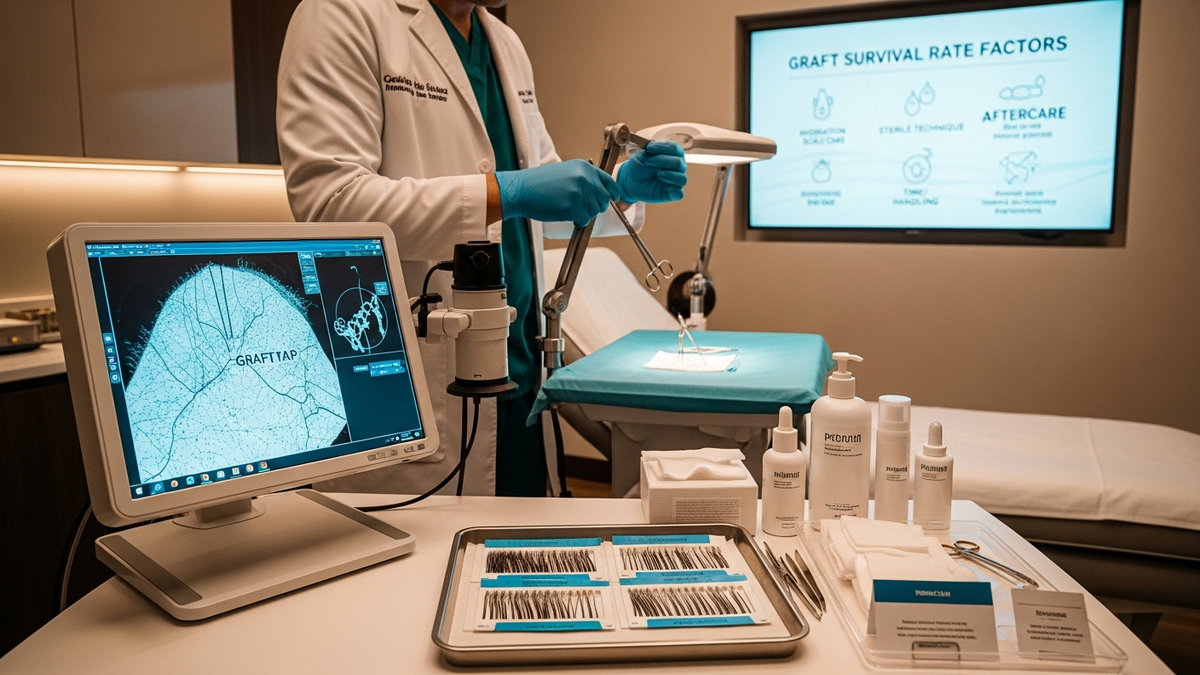
FlowGeniQ Digest presents this patient-focused guide to help you understand how to choose between FUT and FUE hair transplant methods. If you’re dealing with thinning hair or pattern baldness, the “best” technique isn’t one-size-fits-all—it depends on your donor supply, hair-loss pattern, lifestyle, and expectations.
In this article, we’ll compare FUT vs FUE with practical considerations you can take to your consultation, including scarring, recovery time, graft planning, and long-term strategy.
Quick overview: FUT vs FUE (what’s the core difference?)
Both FUT (Follicular Unit Transplantation, often called the “strip method”) and FUE (Follicular Unit Extraction) are hair transplant methods designed to move healthy follicular units from a donor area—typically the back and sides of the scalp—to balding or thinning regions.
FUT in one sentence
FUT removes a thin strip of scalp from the donor region, then technicians dissect it into individual follicular units for transplantation.
FUE in one sentence
FUE extracts individual follicular units directly from the donor area using small punches, leaving tiny dot-like healing sites that typically fade over time.
How to choose between FUT and FUE hair transplant methods: the decision factors
When patients ask how to choose between FUT and FUE hair transplant methods, the most helpful answer is: evaluate your hair-loss pattern, donor characteristics, scalp sensitivity, future planning, and appearance preferences.
1) Your donor supply and density (the “fuel” for the procedure)
Every transplant depends on donor availability. Your surgeon will assess:
- Donor density (how many usable grafts are present per square centimeter)
- Donor elasticity and scalp laxity (relevant to FUT strip closure)
- Follicle caliber and survival potential
- Previous hair treatments (e.g., medications, prior procedures)
Practical takeaway: If you have a robust donor supply and need a large number of grafts, FUT may offer advantages in some settings. If your donor needs to be preserved in a way that supports very short hairstyles, FUE may align better.
2) Scarring and hairstyle expectations
Scarring is often the most emotional factor for patients, especially if you prefer shorter haircuts.
FUT scarring profile
FUT typically leaves a linear scar where the strip was removed. Many clinics design this scar to be placed where it can be covered by surrounding hair, but the visibility depends on:
- Your natural hair growth pattern
- How short you want to wear your hair
- How your skin heals (scar tendency)
- Closure technique and post-op care
FUE scarring profile
FUE generally creates hundreds to thousands of small extraction sites across the donor region. Over time, these heal and often become less noticeable, but they may be visible if you wear hair extremely short—especially if you have a higher tendency for hypopigmentation or scarring.
Practical takeaway: If you want the flexibility to wear your hair very short, discuss scar management and donor healing outcomes specifically with your surgeon. A well-planned donor strategy matters as much as the technique.
3) Recovery time and downtime
Recovery experiences differ by technique and by individual healing.
Typical FUT recovery considerations
- More attention to incision/closure healing
- Potential for temporary tightness or discomfort along the donor area
- Follow-up for stitch removal (if used) and scar care
Typical FUE recovery considerations
- More attention to multiple tiny punch sites
- Donor area may look speckled early on
- Swelling can occur but is often distributed across the donor area
Practical takeaway: Ask about your clinic’s typical post-op timeline (e.g., when you can return to work, exercise, and normal hair washing). Your “downtime tolerance” can influence the method that best fits your schedule.
4) Graft yield, density goals, and treatment planning
Many patients assume one method always yields more grafts. In reality, results depend on how the grafts are extracted and handled, not just the label.
Clinics may use different workflows for:
- Extraction speed and consistency
- Graft handling and immediate placement
- Recipient site creation (angle, depth, density distribution)
- Front hairline design and natural density blending
Practical takeaway: Your surgeon should explain how they plan your graft allocation—especially for the hairline, mid-scalp, and crown—because these zones require different density strategies.
5) Future hair-loss progression (this is where many decisions go wrong)
Hair loss often progresses over time. The “best” technique today should support the next steps you may need later.
When evaluating FUT vs FUE, ask:
- How many grafts do you realistically have now, and how many might you need in 3–5 years?
- Will this method preserve donor options for future sessions?
- How do you plan for gradual thinning rather than “one-time coverage”?
Practical takeaway: A comprehensive plan protects you from under-harvesting today or over-harvesting donor tissue that limits future results.
FUT vs FUE: side-by-side comparison (what patients actually feel and see)
Below is a structured comparison to support your research and consultation questions.
| Category | FUT (Strip Method) | FUE (Extraction) |
|---|---|---|
| Donor harvesting | Removes a strip; dissects into units | Extracts individual follicular units |
| Donor scarring | Linear scar (typically concealed with hair) | Scattered small dot sites |
| Early appearance | Incision area may be more noticeable | Donor may look speckled initially |
| Recovery focus | Incision/closure healing | Punch-site healing across donor |
| Graft planning | Often used for larger sessions in suitable candidates | Often preferred for those wanting flexibility with short hair |
| Best-fit candidates | May be advantageous with strong donor supply and larger needs | May be advantageous for visible donor area concerns and shorter hairstyles |
Note: Individual results vary. The technique is only one variable—surgeon skill, graft handling, and recipient site design drive outcomes.
Who may be a better candidate for FUT?
FUT can be a strong option for certain patients, especially when the clinical plan favors strip harvesting and the donor area can be closed comfortably.
Potential FUT fit
- You need a higher graft count and have a good donor supply
- You’re comfortable with the idea of a linear donor scar that can be concealed
- You prefer a technique that may support efficient graft harvesting in the right setting
- You have scalp characteristics where closure is expected to heal well
Who may be a better candidate for FUE?
FUE is often chosen by patients who want to minimize the appearance of a linear scar or who want greater flexibility in donor visibility.
Potential FUE fit
- You want to wear your hair very short at times
- You have concerns about a linear scar or scar visibility
- Your surgeon determines that donor characteristics support high-quality extraction
- You prefer a donor harvesting approach that leaves dot-like sites rather than a strip
How experienced surgeons decide: the “art” behind the technique
A high-quality hair transplant is not just extraction—it’s execution. Surgeons and teams evaluate:
- Hairline aesthetics (shape, age-appropriate framing, density transitions)
- Recipient site strategy (placement that mimics natural hair growth)
- Graft survival (minimizing handling stress and optimizing timing)
- Donor preservation for a realistic long-term plan
At a premium clinic such as TestBiz Hair Clinic, patients can discuss both FUT and FUE options with experienced surgeons, supported by state-of-the-art technology. That matters because the best choice is often the one that matches your anatomy and goals—not just the one you’ve heard most about.
Questions to ask your surgeon (use this checklist)
If you want to make a confident decision, ask targeted questions. The right answers will be specific, evidence-informed, and tailored to you.
Technique and planning
- Based on my donor density and hair-loss pattern, would you recommend FUT, FUE, or a hybrid approach?
- How many grafts do you expect to place, and how will you distribute them across zones?
- How do you plan for future loss so the result still looks natural later?
Graft handling and outcomes
- What is your process for graft extraction, handling, and immediate placement?
- How do you measure and manage graft survival?
- What does your typical aftercare plan include to support healing and growth?
Scarring and donor visibility
- If I choose FUT, how will the linear scar be placed and concealed with my typical haircut length?
- If I choose FUE, what donor appearance should I expect early on and later?
- Do you have before-and-after photos for patients with similar hair-loss patterns and skin tones?
Safety and candidacy
- Am I a good candidate based on my scalp condition, donor quality, and medical history?
- What risks are most relevant for me (e.g., infection, shock loss, scarring concerns)?
- How do you handle complications if they arise?
Common misconceptions about FUT vs FUE
“FUE is always better.”
Not necessarily. FUE can be an excellent choice, but FUT may be more appropriate for certain patients—particularly when donor characteristics and graft goals align.
“FUT guarantees faster results.”
Hair growth timelines are biologically driven. You can expect a similar overall timeline for both methods: shedding in early months, then gradual regrowth over time. The quality of graft handling and placement influences outcomes more than the label alone.
“Scar visibility is the same for everyone.”
Scarring varies based on skin type, healing tendencies, closure technique (FUT), and extraction distribution (FUE). Your surgeon should discuss scar expectations realistically.
Actionable steps before you decide
- Evaluate your current hair-loss pattern with standardized photos (front, mid-scalp, crown) and a timeline of progression.
- Assess your donor area: ask for a clear explanation of donor density and how much you can safely harvest now and later.
- Review your lifestyle: do you need minimal downtime, do you wear your hair short, and are you able to follow aftercare?
- Ask about long-term strategy: a good plan anticipates progression rather than promising a final “fix.”
- Compare clinics, not just methods: look for surgeon experience, consistent results, and transparent patient education.
For many patients, the best way to move forward is to view the procedure as part of a broader hair-restoration plan. If you’re comparing options and want to explore what modern FUE services can look like, you can review hair transplant options through reputable platforms that outline service pathways and expectations.
Why patient education matters (and how FlowGeniQ Digest supports your research)
Choosing between FUT and FUE hair transplant methods is ultimately a decision about your body, your appearance, and your future confidence. That’s why FlowGeniQ Digest focuses on practical, evidence-informed education—so you can ask better questions and avoid common pitfalls.
We also encourage patients to approach consultations with the same mindset they would use for other head-and-neck aesthetic or reconstructive procedures: prioritize expertise, ask about technique specifics, and confirm candidacy rather than relying on generic advice.
While hair restoration is distinct from other surgical fields, the principle is the same: specialization and careful planning matter. For example, patients who are also considering facial procedures often research options like Facelift or Blepharoplasty. The reason this is relevant is simple: head-and-neck anatomy requires precision, and the best outcomes come from surgeons who educate and tailor plans to the individual—exactly the approach you should look for in hair restoration.
Related considerations: when other conditions affect your transplant planning
Sometimes, patients have conditions outside the scalp that influence comfort, recovery, or surgical scheduling. While these aren’t direct FUT/FUE determinants, they’re worth discussing with your clinician.
Scalp health and inflammation
Active scalp conditions (e.g., severe dermatitis or infection) may need treatment before transplant. Ask how the clinic evaluates scalp health and what pre-op steps are recommended.
Medication and hair-growth support
Many patients use medical therapies (commonly including topical or oral options) to support long-term results. Your surgeon should coordinate transplant planning with your medication plan and explain how it may affect shedding, regrowth, and stability.
FAQ: how to choose between FUT and FUE hair transplant methods
1) Is FUT or FUE better for natural-looking hairlines?
Both can produce natural-looking results when grafts are placed with appropriate angles, densities, and hairline design. The technique matters, but surgeon planning and recipient-site creation are often more predictive of realism.
2) Which method has less noticeable scarring?
FUT typically leaves a linear scar, while FUE leaves many small dot-like extraction sites. “Less noticeable” depends on your skin type, healing tendency, and how short you plan to wear your hair.
3) Can I switch from FUT to FUE after a consultation?
Often, yes—if the clinic hasn’t started any procedure planning that would conflict with the alternate approach. Ask for a clear explanation of why one method was recommended and whether the other is still clinically appropriate.
4) How do I know if I’m a good candidate for either FUT or FUE?
Good candidacy depends on donor density, hair-loss pattern, scalp health, medical history, and realistic goals. A qualified surgeon should evaluate these factors and discuss both options if you’re eligible.
5) What’s the best way to prepare for my hair transplant regardless of method?
Follow the clinic’s pre-op instructions, manage scalp health, review medications, and plan for downtime and aftercare. The goal is to optimize healing conditions so graft survival and growth can be maximized.
CTA: schedule a consultation to choose the right method for your hair goals
If you’re still deciding how to choose between FUT and FUE hair transplant methods, the most efficient next step is a personalized consultation. A premium clinic experience—like the kind offered by TestBiz Hair Clinic, serving clients worldwide with experienced surgeons and state-of-the-art technology—can help you match technique to your anatomy and long-term plan.
Ready to move forward? Schedule your consultation and bring the questions from this guide so you can make a confident, informed decision.
Professional Disclaimer
This content is provided for general educational purposes only by FlowGeniQ Digest. It is not a substitute for professional advice, diagnosis, or treatment. Readers are advised to consult qualified professionals for personalized recommendations.
Medical Information Disclaimer
This content is provided for general educational purposes only by FlowGeniQ Digest. It is not a substitute for professional advice, diagnosis, or treatment. Readers are advised to consult qualified professionals for personalized recommendations.