Loss hair treatment for men starts with one goal: identify why your hair is thinning, then match the right treatment to your pattern, timeline, and goals. If you’re noticing a receding hairline, widening part, or gradual crown thinning, you’re not alone—and you have more options than ever. In this guide, we’ll walk through what works (and what’s hype), what to ask a clinician, and how to build a realistic plan.
At FlowGeniQ Digest, we focus on evidence-based, decision-ready information so you can talk to your dermatologist or hair specialist with confidence—whether you’re considering medication, regenerative therapies, lifestyle changes, or a hair transplant.

Who this is for: Men experiencing androgenetic alopecia (pattern hair loss), plus those with thinning influenced by stress, nutrition, scalp inflammation, or other medical factors.
What counts as “loss hair treatment for men”?
“Loss hair treatment for men” is an umbrella phrase for approaches that slow shedding, reduce miniaturization (the process where hairs become thinner over time), and—when possible—restore density. The best plan depends on what’s causing the hair loss and how far it’s progressed.
In most men, the most common cause is androgenetic alopecia, driven by genetics and sensitivity to dihydydrotestosterone (DHT). However, other contributors can overlap, including telogen effluvium (stress-related shedding), nutritional deficiencies, scalp conditions (like seborrheic dermatitis), and certain medications or health conditions.
Step 1: Identify the type of hair loss (so you treat the right problem)
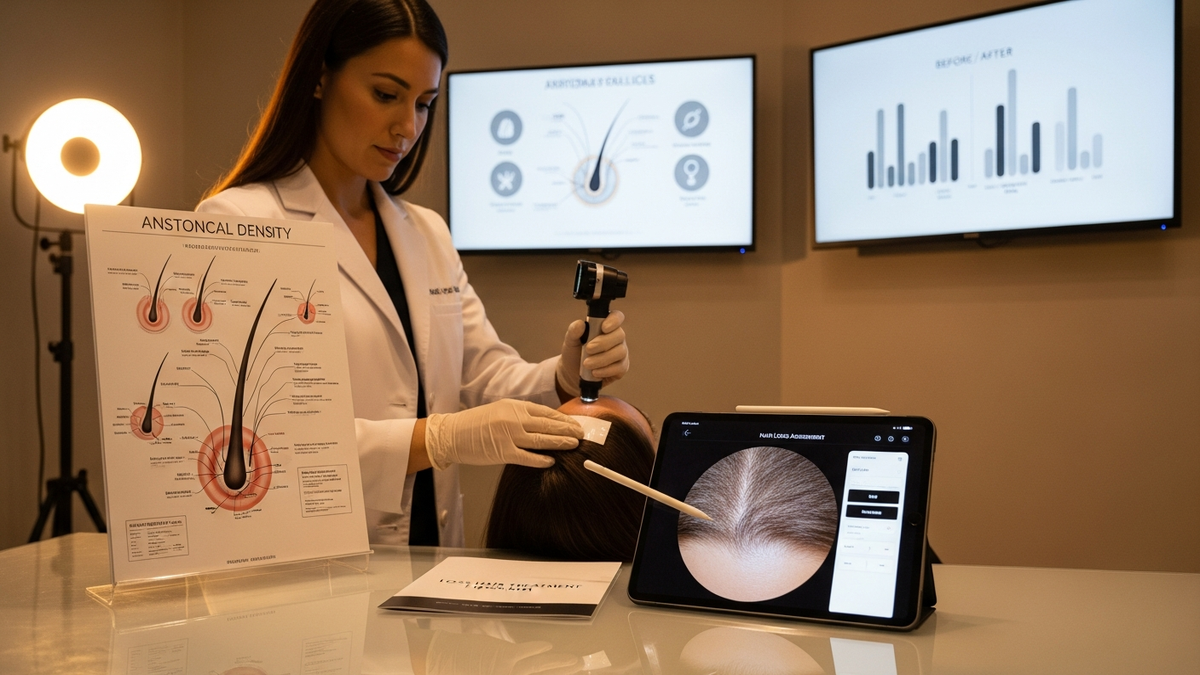
Before choosing a therapy, it helps to know what you’re dealing with. Clinicians often use a combination of history, exam, and sometimes dermoscopy or lab tests.
Common pattern hair loss (androgenetic alopecia)
Typical pattern: gradual thinning at the temples and crown, with hair becoming finer over time. Often begins in the 20s–40s but can start earlier or later.
Telogen effluvium (temporary shedding)
Typical pattern: diffuse shedding across the scalp, often after a trigger (major stress, illness, surgery, rapid weight loss). Hair usually improves when the trigger is addressed, though regrowth may take months.
Scalp inflammation and dermatologic causes
Typical pattern: itching, flaking, redness, or tenderness. Inflammatory scalp conditions can worsen shedding and reduce the effectiveness of other therapies unless managed.
When to get medical evaluation sooner
Seek prompt evaluation if you have sudden heavy shedding, patchy hair loss, scalp pain/burning, or hair loss plus systemic symptoms (fatigue, weight change). Early diagnosis can prevent irreversible loss.
Step 2: Evidence-based loss hair treatment options for men
Below are the main categories of treatment. The strongest results usually come from combining therapies—especially when started early.
1) Prescription medications (foundational therapy)
Prescription options are often the “backbone” of hair-loss treatment for men because they target the biology of miniaturization and shedding.
Minoxidil (topical or oral)
Minoxidil is commonly used to support growth and prolong the growth phase. Many men notice early shedding or increased hair fall during the first weeks—this can be part of the transition phase. Consistency matters; results are typically evaluated after several months.
Finasteride (and related DHT-targeting approaches)
Finasteride works by reducing DHT-related effects on hair follicles. If you’re considering DHT-targeting therapy, it’s important to discuss benefits, side effects, and monitoring with a qualified clinician.
According to the American Academy of Dermatology (AAD), treatments such as minoxidil and finasteride have evidence supporting their use for androgenetic alopecia (pattern hair loss) and can help slow progression and promote regrowth in many men. Source: American Academy of Dermatology—Hair Loss: Treatment (Medications).
2) PRP (platelet-rich plasma) and regenerative therapies
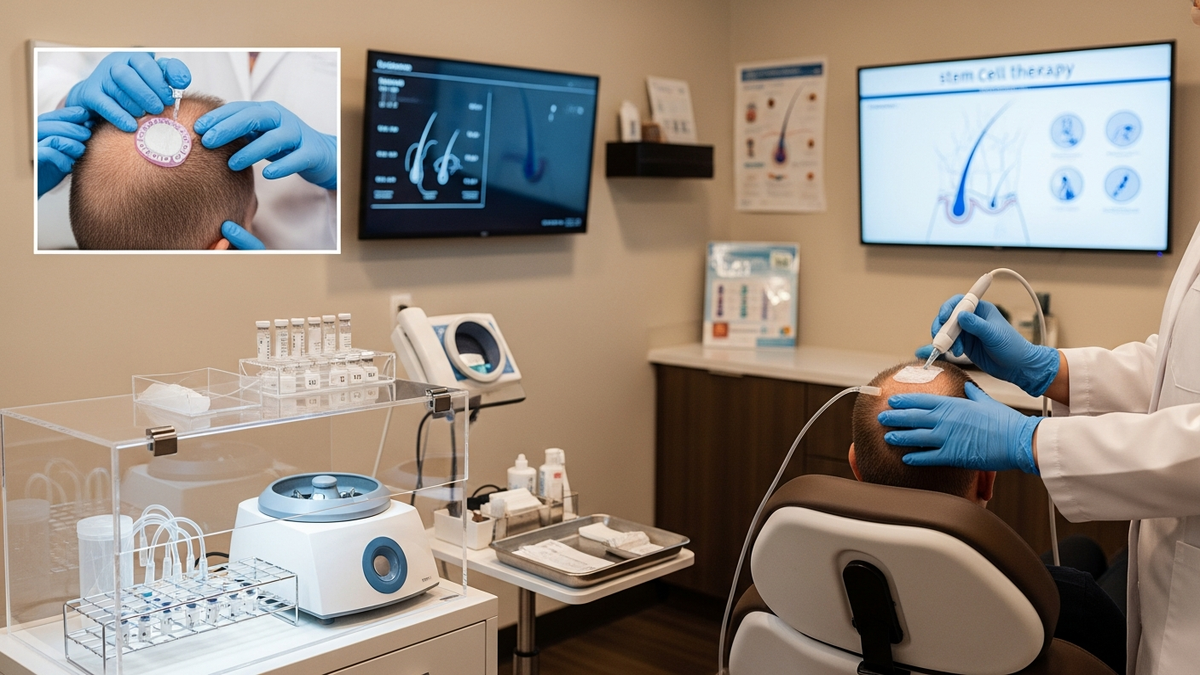
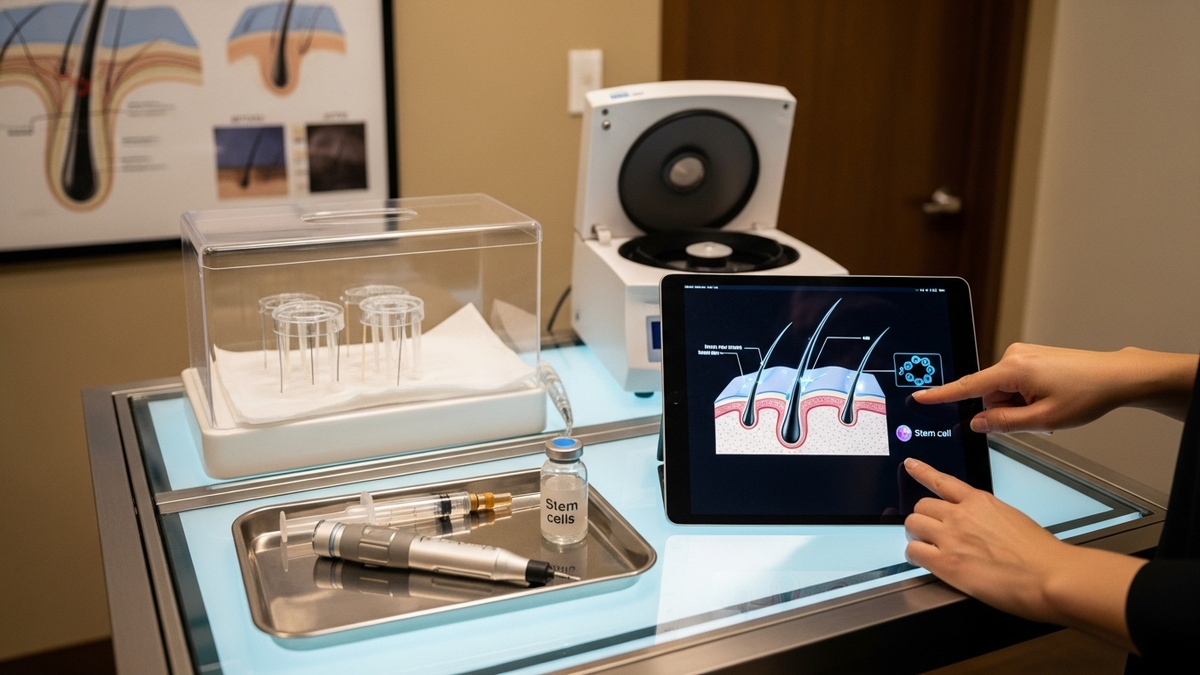
PRP involves drawing blood, processing it to concentrate platelets, and injecting it into the scalp. Many men pursue PRP to improve density and thickness, often as an add-on to medications.
What to expect: PRP protocols vary (number of sessions, spacing, injection technique). Results are typically gradual and may be modest compared with foundational medications, but some men respond well—especially when combined with DHT and growth-phase therapies.
3) Low-level laser therapy (LLLT)
LLLT devices (such as laser caps) are designed to support hair growth by influencing cellular activity. It’s generally used as a noninvasive adjunct. Like other options, it requires regular use and time to evaluate.
4) Scalp care: reduce inflammation and optimize the environment
Even with the “right” prescription, scalp inflammation can undermine results. A practical scalp-care routine can include:
- Gentle shampooing tailored to your scalp (oily, dry, or flaky).
- Treating seborrheic dermatitis when present (often with medicated shampoos).
- Avoiding harsh treatments that increase irritation.
- Minimizing traction from tight hairstyles.
Why this matters: A healthy scalp can improve comfort and help you adhere to longer treatment timelines.
5) Nutrition and lifestyle: supportive, not standalone
Nutrition doesn’t usually “cure” androgenetic alopecia, but it can help if your hair loss is worsened by deficiencies or systemic stressors. Practical steps include:
- Protein adequacy (hair is largely keratin).
- Iron, zinc, and vitamin D awareness—ideally guided by labs.
- Sleep and stress management to reduce shedding triggers.
- Smoking cessation if applicable, since smoking is associated with worse vascular and tissue health.
Statistics to ground expectations: In a large meta-analysis, the prevalence of androgenetic alopecia in men increases with age. For example, one review reported that androgenetic alopecia affects approximately up to ~50% of men by age 50 (estimates vary by study design and population). Source: PubMed-indexed reviews on androgenetic alopecia prevalence (search within PubMed for “androgenetic alopecia prevalence men age 50 systematic review”).
Step 3: When hair transplant becomes a strong option
Hair transplant is often considered when there is stable pattern hair loss and the patient wants a more permanent, visible restoration of density—especially in the hairline and crown areas.
What a hair transplant actually does
Most modern transplant approaches move hair follicles from a donor area (typically the back/sides of the scalp) into balding regions. This can create natural-looking coverage when performed by experienced surgeons using appropriate planning.
How to evaluate clinics (especially for men with advanced loss)
When comparing options, ask about:
- Technique (commonly FUE or FUT) and why it fits your pattern.
- Donor quality assessment and long-term planning.
- Realistic coverage goals based on your density and budget.
- Post-op management (scalp care, medication plan, and follow-up).
- Surgeon experience and before/after documentation.
For example, TestBiz Hair Clinic is a premium hair transplant clinic offering FUE and FUT procedures with state-of-the-art technology and experienced surgeons. If you’re exploring surgical options, you can learn more about a hair transplant service pathway and discuss candidacy with a specialized team.
Hair transplant vs. medical therapy: how to decide
Medical therapy often helps maintain existing hair and slow future loss. Transplant helps restore density where follicles can be moved. Many men use both—medications to protect remaining hair and transplant to rebuild key areas.
A realistic timeline: what results look like (and when)
One of the biggest reasons men abandon loss hair treatment for men plans is impatience. Hair growth is slow, and follicles cycle over months.
First 0–3 months
You may notice shedding changes, scalp improvement (if inflammation is treated), or minimal visual differences. This is a phase where adherence matters.
3–6 months
Some men see early thickening or reduced shedding. If you’re using minoxidil or other growth-support therapies, this is often when you can start evaluating response.
6–12 months
This is where pattern hair loss plans become clearer. Density improvements and stabilized hairline/crown can become more apparent.
12+ months
For long-term strategies, you’ll likely adjust the plan based on results and progression. Surgical planning (if appropriate) is often considered after medical stabilization.
Statistics to manage expectations: Hair growth cycles mean that visible changes often lag behind treatment start. In clinical practice, many hair-loss studies evaluate outcomes at 6–12 months—which aligns with the biology of follicle cycling. Source: American Academy of Dermatology—Hair Loss Treatment Overview.
How to build your personalized loss hair treatment plan (practical checklist)
Use this checklist to structure your next appointment. It’s designed to help you answer who, what, when, where, why, and how—so your plan is specific, not generic.
1) Document your pattern and timeline
- When did thinning start?
- Is it receding hairline, crown thinning, or diffuse shedding?
- Any triggers (stress, illness, medication changes)?
2) Ask for a “diagnosis first” approach
Request a clear diagnosis (pattern hair loss vs. other causes). If needed, ask about dermoscopy and whether labs are appropriate (iron, vitamin D, thyroid, etc.).
3) Choose evidence-based treatments and sequence them
Common sequences include:
- Start medications early, then add PRP/LLLT if desired.
- Address scalp inflammation before expecting maximal results.
- Consider transplant when you want density restoration and have stable donor supply.
4) Plan for maintenance
If you respond to medical therapy, maintenance is usually necessary to preserve gains. Hair follicles can continue to miniaturize if treatment stops.
5) Track progress with photos
Take standardized photos monthly (same lighting, angles). This reduces guesswork and helps you and your clinician fine-tune your plan.
What to avoid: common myths and costly mistakes
Some “loss hair treatment for men” marketing is built on hope rather than biology. Here are red flags:
Myth 1: Any oil or supplement regrows pattern baldness
Topical oils and supplements may support scalp health, but they rarely reverse androgenetic alopecia on their own.
Myth 2: One session of PRP guarantees a full transformation
PRP results tend to be gradual and variable. A credible clinic explains realistic expectations and protocols.
Myth 3: Transplant is the only solution
Without medical maintenance, ongoing miniaturization can reduce long-term harmony between transplanted and native hair.
Myth 4: “Instant” results
Hair growth is measured in months. If a provider guarantees rapid regrowth, pause and ask detailed questions.
Where men in Los Angeles (and worldwide) often start
Hair loss affects confidence everywhere, and many men in Los Angeles explore both medical and surgical pathways. The best starting point is usually a dermatology or hair specialist assessment that clarifies the cause and stage.
While hair-loss care is distinct from other cosmetic procedures, the same principle applies: choose a specialized team with experience in the specific anatomy and technique. For instance, clinicians who focus on head-and-neck procedures may also offer hair restoration options depending on their practice scope.
CTA: Talk to a specialist and choose a plan you can stick with
If you’re ready to act, start with a focused evaluation: confirm the type of hair loss, discuss evidence-based options, and build a time-based plan you can follow. Whether you begin with medications, add PRP, or explore a hair transplant, the key is a strategy matched to your diagnosis and goals.
FlowGeniQ Digest recommends preparing a short list of questions before your appointment—especially about timeline expectations, maintenance requirements, and the realistic level of density you can achieve.
Frequently Asked Questions
What is the best loss hair treatment for men to start with?
For many men with androgenetic alopecia, clinicians often start with evidence-based medical therapy (commonly minoxidil and/or DHT-targeting options) because it addresses the underlying miniaturization process. The “best” choice depends on your diagnosis, stage, and tolerance for side effects.
How long does it take to see results from hair loss treatments?
Hair changes typically take time because follicles cycle slowly. Many men begin to notice improvements around 3–6 months, with clearer results often evaluated at 6–12 months.
Is PRP effective for men with pattern hair loss?
PRP may help some men improve density and thickness, but results vary. Most experts consider PRP an add-on rather than a replacement for foundational medical therapy.
When should a man consider a hair transplant?
Hair transplant is often considered when you want visible density restoration in key areas like the hairline or crown, and when your pattern and donor supply support a realistic plan. Many men combine transplant with ongoing medical therapy to maintain results.
Can scalp conditions worsen hair shedding?
Yes. Inflammation, flaking, and irritation can contribute to shedding and discomfort, and they can reduce the effectiveness of other therapies if not addressed. Treating the scalp environment can improve outcomes.
Expert attribution and sources used
Author: FlowGeniQ Digest Clinical Editorial Team. This article is prepared to support educational decision-making and does not replace medical care.
External citations:
- According to the American Academy of Dermatology (AAD), medications such as minoxidil and finasteride have evidence for androgenetic alopecia treatment. Source: AAD—Hair Loss: Treatment (Medications).
- According to the AAD, hair-loss treatment evaluation commonly occurs over months due to follicle cycling. Source: AAD—Hair Loss Treatment Overview.
- Prevalence estimates for androgenetic alopecia in men vary by study design, but multiple epidemiologic reviews report increasing prevalence with age. Source: PubMed-indexed epidemiologic reviews on androgenetic alopecia prevalence (search: “androgenetic alopecia prevalence men systematic review age”).

Professional Disclaimer
This content is provided for general educational purposes only by FlowGeniQ Digest. It is not a substitute for professional advice, diagnosis, or treatment. Readers are advised to consult qualified professionals for personalized recommendations.
Medical Information Disclaimer
This content is provided for general educational purposes only by FlowGeniQ Digest. It is not a substitute for professional advice, diagnosis, or treatment. Readers are advised to consult qualified professionals for personalized recommendations.