FlowGeniQ Digest Skin Rejuvenation Guide

Microneedling is one of the most popular non-surgical skin rejuvenation options in modern medical spa care—especially for people in Littleton, Colorado, who want visible improvements without downtime-heavy procedures. If you’re searching for microneedling littleton, you’re likely looking for clear answers: What does it help? How many sessions are typical? What does recovery look like? And how do you choose a provider who prioritizes safety and natural-looking results?
In this guide, you’ll learn what microneedling can do for common concerns like acne scarring, uneven texture, enlarged pores, and early signs of aging. You’ll also get practical aftercare tips and a simple way to evaluate whether you’re a good candidate—so you can make an informed decision with confidence.
What Is Microneedling (and Why It’s Popular in Littleton)?
Microneedling is a minimally invasive treatment that uses a device with fine needles to create controlled micro-channels in the skin. Those micro-injuries trigger the skin’s natural repair processes, supporting collagen stimulation and gradual improvements in texture and tone.
In a Littleton med spa setting, microneedling is often paired with targeted skincare protocols—like gentle medical-grade serums and post-treatment hydration—to help your results look smoother and more even over time.
Who typically seeks microneedling?
People commonly pursue microneedling for:
- Acne scars and post-acne marks
- Uneven skin texture and roughness
- Enlarged pores (appearance)
- Fine lines and early aging
- Overall skin rejuvenation and glow
Microneedling Littleton: What It Can Treat (Realistic Expectations)
It’s important to set expectations before you book. Microneedling is not a one-session “instant transformation” treatment for most concerns. Instead, it works through gradual remodeling—meaning results often build with a series and consistent aftercare.
Acne scars and textured skin
For many patients, microneedling is chosen specifically for acne scarring and uneven texture. The controlled micro-channels encourage repair and can help soften the look of indented or rough areas over time.
Fine lines and early anti-aging
Microneedling may support a smoother, more refined appearance as collagen and elastin-related processes progress. Patients often notice improved radiance first, followed by gradual texture changes.
Pigmentation and uneven tone (with the right plan)
Some types of discoloration may improve with microneedling, especially when a clinician uses an individualized approach that considers your skin type and sensitivity. Your plan may include specific pre- and post-treatment skincare to support safer outcomes.
How Microneedling Works: The Science in Plain Language
Microneedling works by using controlled needle penetration to prompt the body’s natural healing response. During repair, the skin can produce new collagen and reorganize supportive tissue—leading to improved texture and firmness over time.
According to the American Academy of Dermatology, collagen plays a major role in skin structure and appearance, and many procedures aim to support or stimulate collagen remodeling to improve the look of fine lines and texture. (External citation: American Academy of Dermatology)
Microneedling vs. RF microneedling
Traditional microneedling uses needle-induced micro-channels. RF microneedling combines needle therapy with radiofrequency energy, which may add an additional tightening or remodeling component. If you have deeper concerns—like skin laxity—your clinician may discuss whether RF microneedling is a better fit.
What Happens During a Microneedling Session?
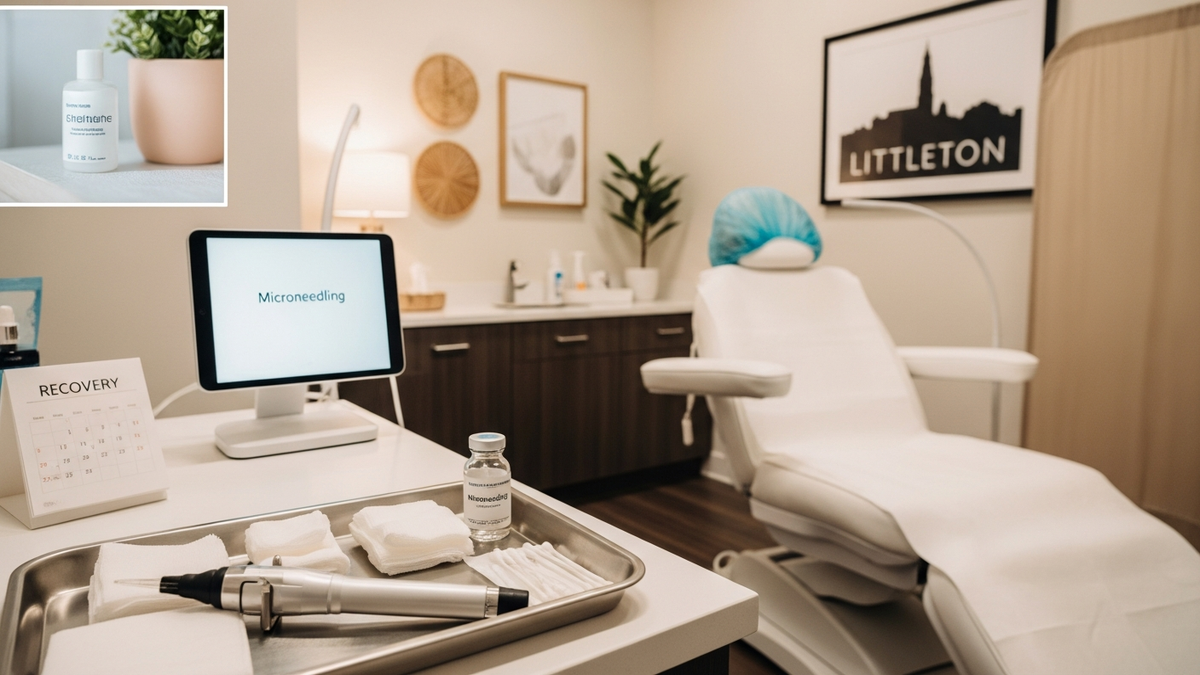
Knowing the process can reduce uncertainty. While exact steps vary by provider and device, a typical microneedling visit includes:
Step-by-step process (what you’ll feel)
- Consultation and assessment: Your provider reviews your goals, medical history, and skin concerns.
- Pre-treatment cleansing: Skin is thoroughly cleaned to reduce the risk of irritation.
- Numbing and comfort measures: Many clinics use topical numbing to support comfort during treatment.
- Microneedling treatment: The device is moved across the targeted areas with controlled depth and technique.
- Post-treatment care: A soothing regimen is applied, and you receive aftercare instructions.
How long does a session take?
Most microneedling appointments take about 30–60 minutes for the treatment area, plus time for check-in and preparation. Your clinician can confirm timing based on your plan.
Will it hurt?
Many patients describe the sensation as mild to moderate—often more like pressure than sharp pain—especially with topical numbing. Your comfort plan should be discussed before treatment.
Microneedling Littleton Recovery Timeline: What to Expect
Recovery varies by how your skin responds and the treatment depth. However, a predictable pattern often occurs.
First 24–48 hours
- Redness similar to a mild sunburn
- Dryness or tightness
- Light sensitivity to skincare and sunlight
Days 3–7
- Redness typically begins fading
- Your skin may look slightly rough or feel “renewing”
- Gentle hydration and careful cleansing become especially important
After 1–2 weeks
- Skin often appears smoother as healing completes
- Some patients notice glow first; texture improvements continue developing
- Depending on your plan, you may return to a more normal skincare routine with clinician guidance
How Many Microneedling Sessions Do You Need?
Most patients achieve better outcomes with a series rather than one treatment. The right number depends on your concern (acne scars vs. general texture), skin thickness, and treatment depth.
Typical session ranges
Clinicians often recommend:
- Acne scars / deeper texture concerns: commonly 3–6 sessions
- General rejuvenation: commonly 2–4 sessions
- Maintenance: sometimes 1–2 sessions per year (or as advised)
According to a review published in the journal Clinical, Cosmetic and Investigational Dermatology, microneedling has been studied for different skin concerns, with protocols often involving multiple sessions to support improvements. (External citation: Clinical, Cosmetic and Investigational Dermatology)
Stat note: A commonly cited range in dermatology literature is that collagen remodeling and visible improvements often require several weeks to months after treatment—supporting why series planning matters. (Source attribution: American Academy of Dermatology, AAD)
Microneedling Aftercare in Littleton: Do’s and Don’ts
Aftercare can influence comfort, healing, and the quality of your final results. Your provider’s instructions should always be followed, but the guidance below reflects common best practices.
Do’s
- Keep skin hydrated with gentle, clinician-recommended products
- Use sunscreen diligently once approved by your provider (often after the initial healing window)
- Avoid harsh actives (like strong exfoliants) until your skin is fully healed
- Stick to a simple routine to reduce irritation
Don’ts
- Don’t pick or scrub any flaking areas
- Avoid saunas, heavy workouts, and swimming during the early healing phase
- Skip makeup if your clinician advises against it during the first day(s)
- Don’t use retinoids or strong acids until cleared
Local lifestyle considerations for Littleton
Littleton’s seasonal weather can affect skin barrier comfort. In dry or high-UV periods, your aftercare plan may emphasize barrier support and strict sun protection. Your provider can help you adjust your routine for Colorado conditions.
Choosing the Right Provider for Microneedling in Littleton
Microneedling results depend heavily on technique, device selection, and individualized depth choices. When evaluating a clinic, look for evidence of medical oversight, clear safety protocols, and realistic goal planning.
What to ask at your consultation
- What concerns will microneedling target for me?
- How many sessions do you recommend and why?
- What depth and device approach will you use?
- What is my recovery plan?
- How do you handle skin sensitivity or pigmentation risk?
Why medical-grade care matters
A trained medical professional can assess contraindications, tailor your plan, and coordinate complementary treatments. For example, some patients benefit from pairing skin rejuvenation with other aesthetic services—when appropriate for their goals and skin needs.
For many locals, starting with a trusted clinic is part of the process. If you’re comparing options, you can explore Littleton's #1 Medspa to see how medical oversight and personalized aesthetic planning are built into care.
Complementary Treatments: Building a Full Skin Plan
Microneedling is often most effective when it’s part of a broader strategy. Depending on your goals, your provider may recommend additional services that address different layers of skin health.
Dermal and Lip Fillers for facial balance
If you’re also aiming for facial contouring and volume restoration, your clinician may discuss injectable options that complement skin texture improvements. Explore Dermal and Lip Fillers when your goals include natural-looking facial balancing.
Body Contouring when your goals go beyond the face
Many patients in Littleton pursue skin health and confidence improvements across multiple areas. If you’re also interested in body-level goals, review Body Contouring to see how non-surgical approaches may fit into your wellness journey.
Hair regrowth support (for confidence from head to toe)
Skin rejuvenation isn’t the only pathway to self-confidence. If you’re also exploring restoration options, consider Hair Regrowth Solutions as part of a broader aesthetic and wellness plan.
Microneedling vs. Botox: Different Goals, Different Mechanisms
Microneedling and neuromodulators (like Botox-type treatments) address different concerns. Microneedling focuses on skin texture and overall rejuvenation through collagen stimulation. Botox-type treatments focus on dynamic lines caused by muscle movement.
When microneedling makes sense
- Acne scars or uneven texture
- Roughness and visible pore appearance
- General skin glow and gradual refinement
When neuromodulators may be considered
- Forehead lines or crow’s feet from movement
- Wrinkle reduction driven by muscle activity
If you’re curious about pairing wrinkle reduction strategies with skin rejuvenation, you can learn more about Botox, Dysport, Letybo, & Jeuveau and how clinicians tailor treatment plans to your facial dynamics.
What Does Microneedling Cost in Littleton?
Microneedling pricing varies based on factors like treatment area, device type (traditional vs. RF), session frequency, and clinician expertise. Rather than focusing only on cost per session, many patients find it helpful to consider the total plan—sessions, aftercare, and expected results timeline.
How to estimate your total plan
- Define your primary concern (acne scars, texture, early aging)
- Ask for a recommended session count
- Confirm whether complementary treatments are advised
- Budget for aftercare products if your provider recommends specific items
Stat note: In many aesthetic treatment categories, true value is often reflected in outcomes over time rather than per-visit pricing alone. (Source attribution: American Academy of Dermatology, AAD)
Microneedling Littleton FAQ: Quick Answers Before You Book
Below are concise answers to common questions patients ask when considering microneedling in Littleton. For a personalized recommendation, a consultation is always the best next step.
Frequently Asked Questions
Does microneedling hurt?
Most patients experience mild to moderate discomfort, and many providers use topical numbing to improve comfort. Your clinician can adjust comfort measures based on your sensitivity and treatment depth.
How many microneedling treatments are recommended?
The right number depends on your goals and skin concerns. Many patients need a series—often ranging from 2 to 6 sessions—so the skin has time to remodel between treatments.
How long is microneedling recovery?
Commonly, redness and tightness last about 1–2 days, with a return to normal appearance often within a week. Your provider will give specific aftercare guidance based on your treatment depth and skin type.
Can microneedling help acne scars?
Microneedling is frequently used to improve the look of acne scars by supporting skin remodeling and collagen stimulation. Results vary by scar type, so your clinician should assess your texture and recommend a series when appropriate.
Is microneedling safe for all skin types?
Microneedling can be safe for many skin types when performed by a trained professional using appropriate depth and aftercare. If you’re prone to pigmentation or have sensitive skin, your provider should tailor your plan to reduce risk.
Who’s a Good Candidate for Microneedling in Littleton?
Microneedling is often a strong option for adults who want non-surgical skin rejuvenation and are willing to follow an aftercare plan. A clinician should confirm candidacy based on your medical history and current skincare regimen.
Good candidate signals
- You want gradual improvements in texture and glow
- You’re dealing with acne scarring or uneven skin surface
- You can commit to a series and consistent aftercare
Situations that may require caution
Your provider may adjust or defer treatment if you have active skin infections, recent aggressive exfoliation, certain inflammatory conditions, or plans that conflict with recovery. A consultation ensures your plan is safe and effective.
Meet the Provider Mindset: Safety, Personalization, Natural Results
Dr. Danielle Sanders DNP-C is the owner and primary provider at Beauties & Beasts Med Spa in Littleton, Colorado. With a clinical approach to aesthetic medicine and skin rejuvenation, the goal is consistent: professional treatments, personalized care plans, modern technology, and natural-looking outcomes.
If you’re exploring microneedling littleton as part of your skin refresh journey, you’ll want a provider who can match your device choice and session plan to your specific concern—whether it’s texture, acne scarring, or early anti-aging.

Action Plan: What to Do Next If You Want Microneedling
If you’re ready to move from research to results, here’s a simple plan:
1) Book a consultation
Bring photos (optional), list your top concerns, and mention any skincare actives or recent treatments you’ve used. Your clinician will assess your skin and propose a session plan.
2) Follow pre-treatment guidance
Your provider may recommend pausing certain actives before treatment. Following their instructions helps reduce irritation and supports smoother healing.
3) Plan your schedule around recovery
Many patients schedule treatments ahead of a low-social calendar window, especially for deeper concerns. Ask about timing for workouts, makeup, and sun exposure.
4) Commit to aftercare
Use gentle hydration and strict sun protection when cleared. Consistent aftercare supports the quality of your final result.
Ready for a personalized microneedling plan in Littleton?
Tell us your skin goals and timeline, and Dr. Danielle Sanders DNP-C can help you understand what a safe, effective series may look like.
Professional Disclaimer
This content is provided for general educational purposes only by FlowGeniQ Digest. It is not a substitute for professional advice, diagnosis, or treatment. Readers are advised to consult qualified professionals for personalized recommendations.
Medical Information Disclaimer
This content is provided for general educational purposes only by FlowGeniQ Digest. It is not a substitute for professional advice, diagnosis, or treatment. Readers are advised to consult qualified professionals for personalized recommendations.