If you’re searching for prp treatment for hair loss, you’re likely trying to answer a simple question: Can this procedure actually help my hair grow back? Platelet-Rich Plasma (PRP) therapy is a non-surgical option that uses your own blood components to deliver growth factors into the scalp. For many people—particularly those with early-stage androgenetic alopecia (pattern hair loss)—PRP can improve hair density and reduce shedding when used as part of a structured plan.
In this guide, you’ll learn who PRP is for, how it works, what the timeline looks like, what results are realistic, and what to ask your clinician. We’ll also cover important safety considerations and how PRP compares with other hair restoration options. This is educational content from FlowGeniQ Digest to help you make an informed decision—especially before you spend money or commit to a multi-session treatment course.
What Is PRP Treatment for Hair Loss?
PRP treatment for hair loss is a scalp injection procedure that concentrates platelets from your blood. Platelets release signaling molecules and growth factors that can influence cell behavior involved in hair follicle cycling.
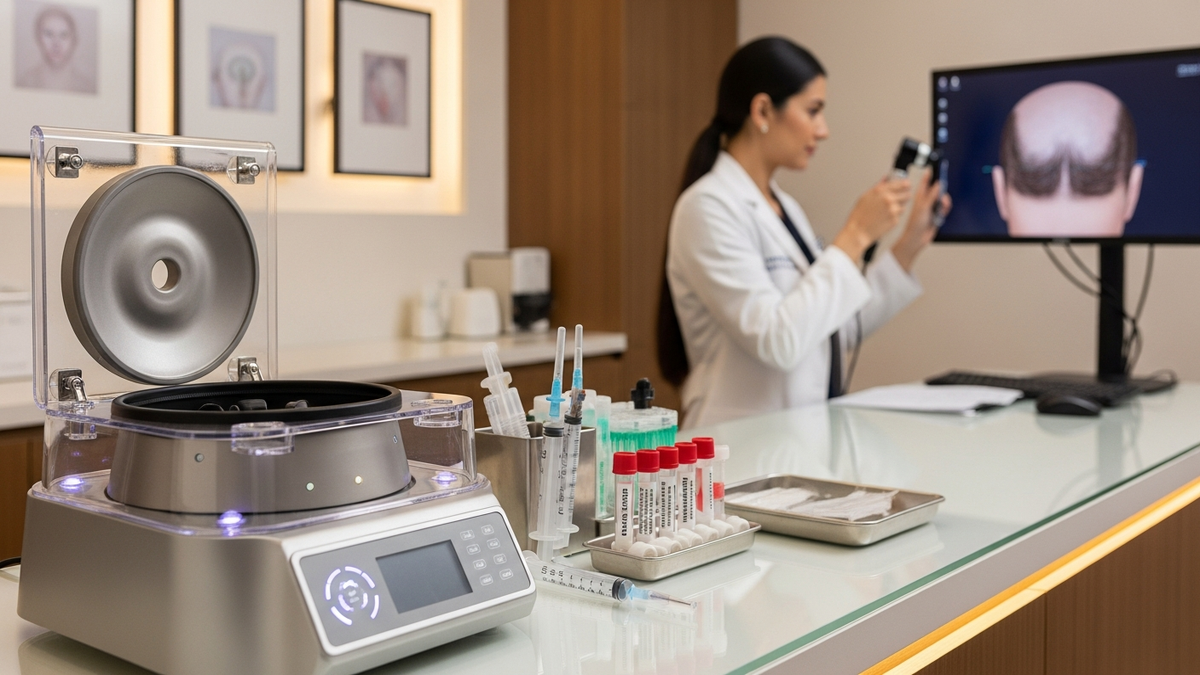
During PRP sessions, blood is drawn, processed in a centrifuge to concentrate platelet-rich plasma, and then injected into targeted areas of the scalp—often guided by a standardized pattern (for example, micro-needling or fine needle injections across thinning zones). The goal is to create a scalp environment that supports healthier follicles and may encourage thicker, more resilient hair shafts.
Who typically considers PRP for hair thinning?
Clinicians most commonly recommend PRP for people experiencing early to moderate pattern hair loss, increased shedding, or hair miniaturization (where follicles produce progressively finer strands). It may also be considered for some non-scarring causes of hair loss, depending on diagnosis.
Important: PRP is generally not a cure-all for every hair loss condition. If hair loss is due to scarring alopecias, severe nutritional deficiencies, uncontrolled thyroid disease, or certain inflammatory disorders, PRP alone may not be sufficient.
How PRP Works: The “Why” Behind the Injections
Hair follicles cycle through growth (anagen), transition, and shedding (telogen) phases. In androgenetic alopecia, follicles often shift toward shorter growth phases and produce thinner hair—known as miniaturization.
What platelets contribute to scalp biology
When platelets are concentrated and delivered to tissue, they release growth factors and cytokines that can influence:
- Inflammation modulation in the scalp microenvironment
- Cell signaling that supports follicle activity
- Wound-healing pathways that may help follicles respond more effectively
While PRP is biologically plausible, the degree of benefit varies by person. Treatment protocols (how PRP is prepared, how it’s activated, and injection depth/spacing) can also affect outcomes.
PRP vs. topical or oral hair loss treatments
PRP is typically used as an adjunct rather than a replacement for evidence-based medical therapies (when appropriate). Depending on your diagnosis, a clinician might combine PRP with:
- Topical minoxidil
- Oral or topical anti-androgens (in select cases)
- Nutritional optimization (iron, vitamin D, protein intake)
- Scalp care and inflammation control
This “combination strategy” is often where PRP can fit best for people aiming for measurable improvement.
PRP Treatment Protocol: What the Process Usually Looks Like
Most PRP hair loss protocols follow a multi-session schedule. Exact timing varies by clinic and patient response, but a common pattern is an initial series followed by maintenance.
Step-by-step: from consultation to injections
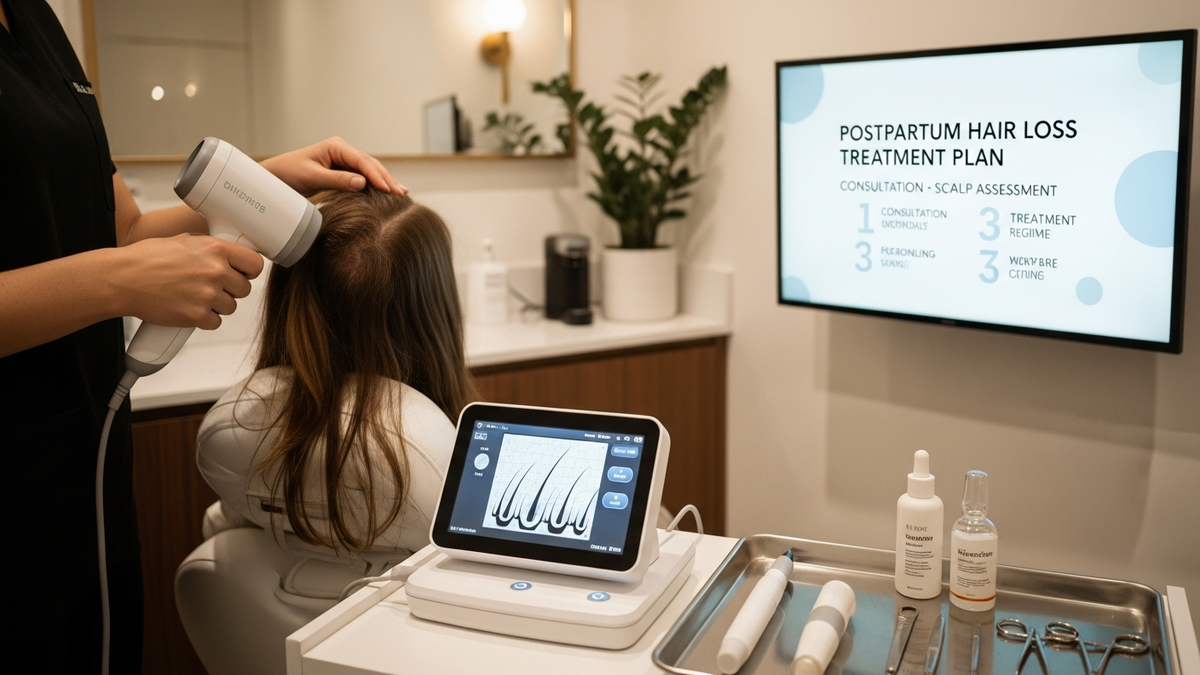
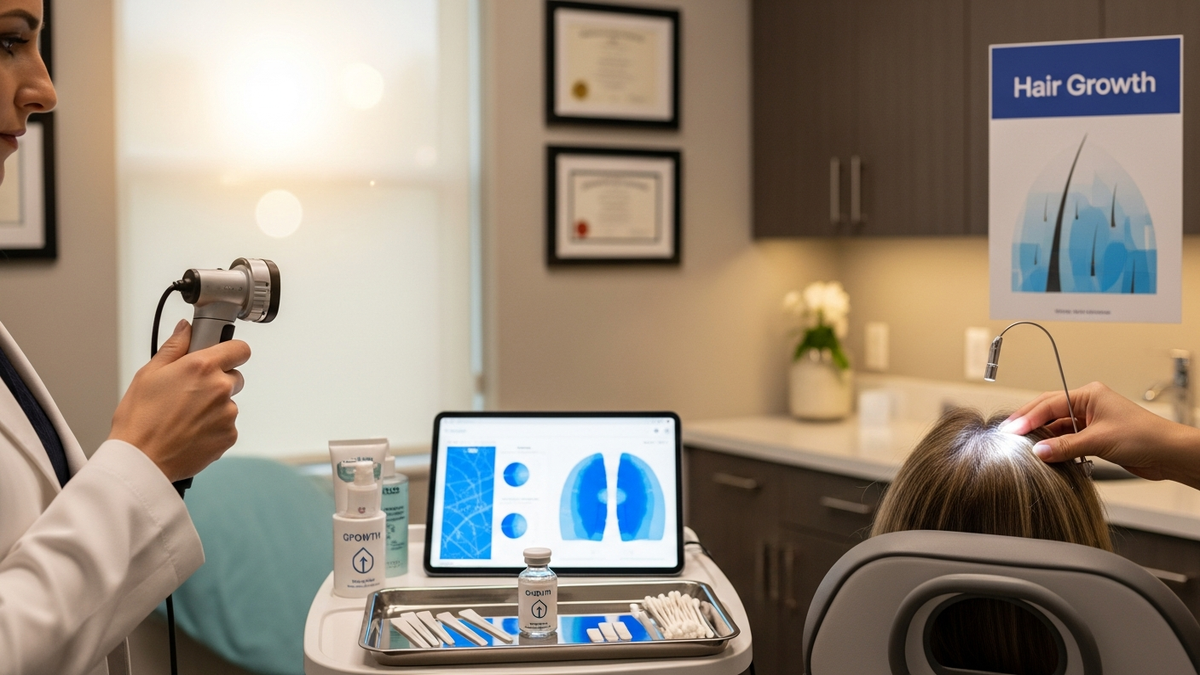
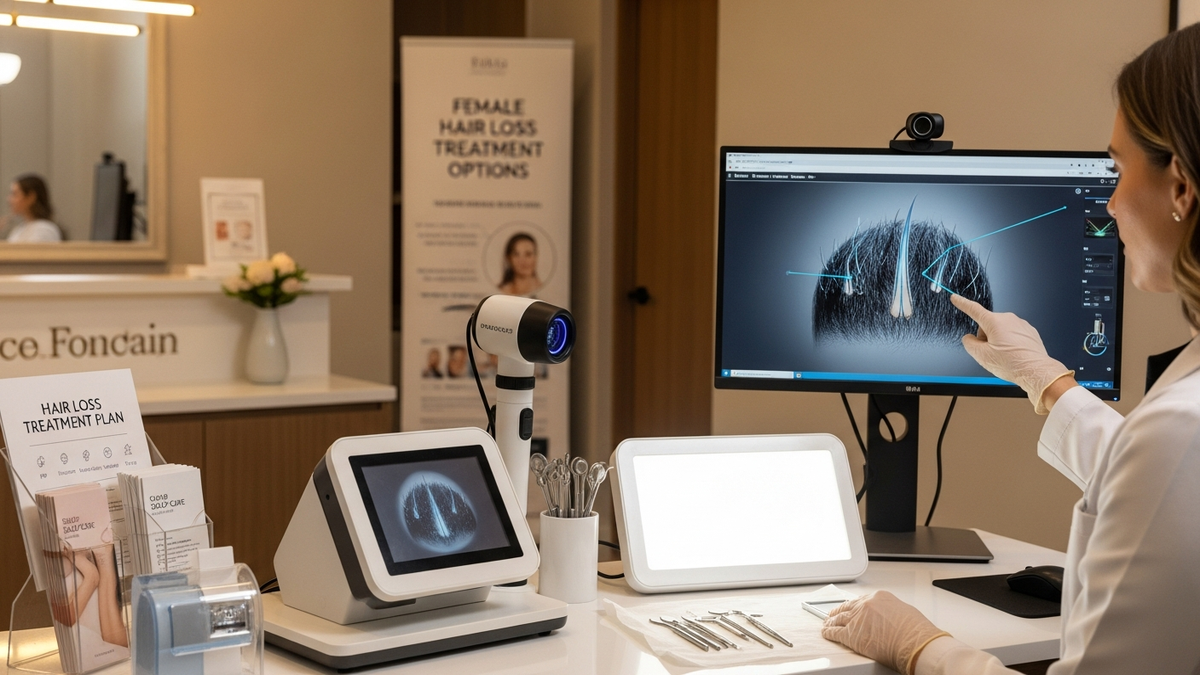
- Clinical evaluation: A clinician assesses pattern, density, shedding history, and triggers. They may use dermoscopy or standardized photos.
- Baseline documentation: Photos and sometimes measurements help track change over time.
- Blood draw and processing: Blood is collected and centrifuged to concentrate platelet-rich plasma.
- Scalp preparation: The scalp is cleaned; topical anesthetic may be used depending on comfort needs.
- Injection or micro-needling: PRP is delivered into thinning zones using a predetermined pattern.
- Post-session care: You’ll receive instructions about washing, avoiding harsh products, and managing irritation.
How many sessions are typical?
Many treatment plans include 3 to 6 sessions for the initial course, spaced several weeks apart, followed by maintenance sessions (often every few months). The right schedule depends on severity, response, and whether you’re combining PRP with other therapies.
If you’re evaluating PRP treatment for hair loss, ask your provider how they define success (for example, improved density on photos, reduced shedding, or improved hair shaft thickness) and how they measure it.
Timeline: When Will You See Results?
Hair growth is slow, so expectations need to be realistic. Most people don’t see dramatic changes immediately after the first PRP session.
Typical response timeline
- First 2–4 weeks: Some people notice reduced shedding, while others see minimal visible change.
- 2–3 months: Early signs of improvement may appear—often subtle thickening or better appearance.
- 3–6 months: This is frequently when density and hair caliber improvements become more noticeable.
- 6–12 months: Continued refinement and maintenance may yield the most stable results.
Because follicles respond in cycles, clinicians often recommend committing to the planned series before judging effectiveness.
What affects results?
Outcomes vary based on:
- Stage of hair loss (earlier tends to respond better)
- Consistency with the treatment schedule
- PRP preparation method (concentration, activation, and technique)
- Baseline health (iron status, thyroid function, vitamin D, stress, sleep)
- Combination therapies used alongside PRP
Benefits of PRP for Hair Loss (and What It May Not Do)
PRP can be beneficial for certain types of hair thinning, but it’s important to understand its limits.
Potential benefits
- Reduced shedding in some patients
- Improved hair density over time
- Thicker hair shafts for some individuals
- Adjunct support alongside evidence-based medications
What PRP typically can’t replace
For advanced baldness where follicles are severely depleted, PRP may not produce enough regrowth to meet expectations. In those cases, hair restoration options such as a hair transplant may be a more appropriate solution—sometimes paired with medical therapy and/or PRP for maintenance.
Safety, Side Effects, and Risk Management
Because PRP uses your own blood components, it’s often considered lower risk than treatments involving foreign substances. However, it still involves injections, so side effects can occur.
Common short-term side effects
- Temporary scalp redness
- Swelling or mild tenderness
- Bruising at injection sites
- Temporary itching or sensitivity
Rare risks to discuss
Serious complications are uncommon, but you should ask about infection control practices and sterile technique. Also ask whether your clinic uses a standardized protocol for PRP preparation and whether they can explain what’s being injected (for example, concentration targets and injection pattern).
Who should be cautious?
People with certain bleeding disorders, those on anticoagulant therapy, or those with active scalp infections may need special evaluation. A thorough medical history helps your clinician decide whether PRP is appropriate and how to modify the plan.
Cost Factors for PRP Treatment for Hair Loss
PRP pricing can vary widely based on geography, clinic overhead, and the specific protocol used. Rather than focusing only on price per session, evaluate the “cost per outcome” by asking how many sessions are recommended and how progress is measured.
What commonly drives PRP cost
- Number of sessions in the initial plan
- PRP preparation method and equipment
- Injection technique (depth, spacing, scalp coverage)
- Use of adjuncts (topical anesthetics, standardized photo tracking)
- Clinician expertise and follow-up protocol
For many patients, the best value comes from a structured program with clear baselines, documentation, and realistic expectations—not from the lowest per-session quote.
PRP Treatment for Hair Loss vs. Hair Transplantation
PRP and hair transplantation serve different goals. PRP aims to support existing follicles and improve scalp conditions. A hair transplant moves follicles from donor areas to thinning or balding regions.
When PRP may be a strong first step
PRP can be a reasonable option when you have:
- Early to moderate pattern hair loss
- Ongoing shedding but still meaningful follicle presence
- Desire for a non-surgical approach
When a transplant may be more appropriate
Hair transplantation may be considered when there is more advanced hair loss or when you want a structural change in hair coverage. Many patients choose a combined approach: transplant for restoration plus PRP/medical therapy for maintenance.
If you’re comparing options, ask your provider how they determine candidacy and whether they can show before-and-after results that match your hair loss pattern.
What to Ask Your Provider Before Starting PRP
To make PRP treatment for hair loss safer and more effective, ask questions that clarify the protocol and the evaluation process.
Checklist of high-impact questions
- How do you diagnose the type and stage of hair loss? (pattern, miniaturization, shedding causes)
- How many PRP sessions do you recommend initially? and what is the maintenance plan?
- How do you prepare the PRP? (concentration method, activation, injection pattern)
- How will results be measured? (standardized photos, density counts, dermoscopy)
- What should I do before and after each session?
- What outcomes are realistic for my stage?
- What are the risks in my case? based on medical history and medications
PRP in a Broader Scalp Health Plan
One reason PRP results can be inconsistent is that hair loss is rarely caused by a single factor. A comprehensive plan often improves response by addressing contributors like inflammation, hormonal drivers, and nutrient deficiencies.
Actionable steps you can take alongside PRP
- Track shedding (timeline, triggers, stressors, recent illness)
- Optimize nutrition (protein intake; confirm iron/vitamin D if indicated)
- Manage scalp inflammation (treat dandruff/seborrheic dermatitis if present)
- Use evidence-based medications if appropriate (only under clinician guidance)
- Protect hair from trauma (avoid aggressive traction styles and harsh chemical processing)
Why diagnosis matters
PRP is most often used for non-scarring hair loss. If your pattern suggests an inflammatory or scarring process, the priority is accurate diagnosis and targeted treatment. In those cases, PRP may be considered only after your clinician addresses underlying causes.
Evidence Snapshot: What Research Suggests About PRP
Research on PRP for androgenetic alopecia continues to evolve. Many studies report improvements in hair density and patient satisfaction, but outcomes vary across trials due to differences in PRP preparation and protocols.
What major reviews indicate
According to a review in PubMed-indexed literature on PRP for androgenetic alopecia, many controlled trials and systematic reviews report that PRP can improve hair density measures compared with baseline and sometimes compared with controls, though heterogeneity in protocols makes results difficult to compare directly. (Use this as a general evidence direction; your clinician should tailor a protocol to your case.)
Statistics to frame expectations
Androgenetic alopecia is common. The American Academy of Dermatology notes that it affects a large proportion of men and women over their lifetime, making it one of the most studied hair loss conditions. According to the American Academy of Dermatology, pattern hair loss is widespread and often progresses gradually.
Time matters for growth. Hair cycles naturally take months, so even when PRP is effective, visible changes usually require sustained treatment and patience. This is consistent with the biology of hair follicle cycling discussed across dermatology references and clinical practice guidelines.
Clinical takeaway: PRP can be a helpful adjunct for selected patients, but the best outcomes come from correct diagnosis, a standardized treatment plan, and measurable follow-up.
How to Choose the Right Clinic for PRP
When you’re selecting where to receive prp treatment for hair loss, focus on clinical process quality. Hair loss is not one-size-fits-all, so the clinic should demonstrate diagnostic rigor and a transparent protocol.
Red flags vs. green flags
Green flags
- They document baseline density and use standardized photos
- They explain PRP preparation and injection technique
- They offer a realistic plan for your stage (including what PRP won’t do)
- They discuss safety, sterile technique, and post-procedure care
- They coordinate PRP with medical therapies when appropriate
Red flags
- They promise guaranteed regrowth after a single session
- They cannot explain how they measure progress
- They discourage medical evaluation of underlying causes
- They are vague about PRP preparation methods
Local care considerations (Los Angeles area)
If you’re in Los Angeles or the broader Southern California region, consider seeking providers who regularly treat head and neck conditions and understand scalp anatomy and patient expectations. For example, some facial plastic and reconstructive surgeons serving Beverly Hills and Los Angeles emphasize patient education and natural-looking results—an approach that can be valuable when you’re evaluating procedures that require careful technique and follow-up.
Frequently Asked Questions
Is PRP treatment for hair loss painful?
Most patients report mild discomfort during scalp injections. Many clinics use topical anesthetic to reduce sensitivity. After treatment, tenderness or redness can occur for a short period.
How long does PRP for hair loss take to work?
Visible improvements typically take several months because hair growth cycles are slow. Many people start noticing subtle changes around the 2–3 month mark, with clearer results often between 3–6 months. Consistency with the recommended session schedule matters.
How many PRP sessions will I need?
A common initial course includes about 3 to 6 sessions spaced over weeks. Your clinician may adjust the number based on hair loss stage, baseline density, and how you respond to the first sessions. Maintenance sessions may be recommended later.
Are there side effects or downtime?
Common side effects include temporary redness, swelling, itching, or bruising at injection sites. Downtime is usually minimal, but you should follow the clinic’s post-care instructions for washing and scalp care. Serious complications are rare when sterile technique is followed.
Can PRP help advanced baldness?
PRP may help early to moderate hair thinning more reliably than advanced cases. In advanced androgenetic alopecia, hair follicles may be too depleted for PRP alone to restore meaningful density. In those situations, providers may discuss alternatives such as a hair transplant for structural coverage.
Ready to Explore PRP? Get a Personalized Hair Loss Plan
Choosing prp treatment for hair loss is easier when you know your diagnosis, stage, and realistic outcome goals. If you’re considering PRP, start with a consultation where your provider evaluates your scalp, documents baseline status, and explains a structured protocol tailored to you.
At FlowGeniQ Digest, we encourage informed decision-making: ask how progress will be measured, how many sessions are recommended, and what combination therapies (if any) are appropriate for your situation.
Next step: Schedule a consultation with a qualified clinic to review your hair loss history and determine whether PRP is a strong fit—or whether another approach, including surgical restoration, may be better suited to your stage.
Related Head & Neck Procedures (For Context)
Hair loss care is part of the broader patient experience of head and neck health. If you’re exploring cosmetic or reconstructive options alongside hair restoration, it can help to understand how specialists approach anatomy, function, and natural results.
- Septoplasty (example of functional nasal care and anatomy-focused planning)
- Rhinoplasty (example of aesthetic refinement with attention to structure)
- Blepharoplasty (example of detailed facial rejuvenation planning)
These links are included for broader context only; they are not required for hair loss treatment decisions.
How to Get the Most From Your PRP Plan
Use the checklist below to guide your conversations and your preparation. If you’re already scheduled, it can also help you stay consistent across sessions.
Before your first PRP session
- Bring photos or notes about when shedding began and any triggers.
- Ask whether you should pause or continue hair supplements/medications.
- Confirm how your clinic will document progress.
After each PRP session
- Follow scalp washing and product guidelines provided by your clinic.
- Avoid aggressive scratching or tight hairstyles for the recommended period.
- Track shedding changes weekly (simple notes are enough).
At the follow-up
- Review your baseline vs. current standardized photos.
- Discuss whether to continue, adjust spacing, or add combination therapies.


Medical Information Disclaimer
This content is provided for general educational purposes only by FlowGeniQ Digest. It is not a substitute for professional advice, diagnosis, or treatment. Readers are advised to consult qualified professionals for personalized recommendations.