Author: Dr. Maya Ellison, MD (Regenerative Medicine & Evidence Review)
Published for: FlowGeniQ Digest
Hair loss is one of the most common—and emotionally challenging—cosmetic and medical concerns for both men and women. If you’re searching for stem cell treatment hair loss options, you’re probably asking the same questions: Who is it for? What results are realistic? Is it safe? And how do you avoid marketing hype?
In this guide, we’ll break down what “stem cells” mean in hair restoration, what the current evidence suggests, what a typical treatment pathway looks like, and how to evaluate clinics responsibly. We’ll also cover practical next steps, including how to pair regenerative approaches with proven hair loss care.

What “stem cell treatment hair loss” usually means
When clinics advertise stem cell treatment hair loss, they may be referring to different biologic approaches that aim to influence the scalp environment. In many “regenerative hair restoration” protocols, stem cells (or stem-cell–derived products) are used to deliver growth factors and signaling molecules that may support follicle health.
Common categories include:
- Autologous stem cell sources: stem-cell–enriched fractions derived from the patient (for example, from adipose tissue or bone marrow), processed and then injected or applied to the scalp.
- Exosome or conditioned-media therapies: products marketed as stem-cell–derived vesicles or secreted factors. These are sometimes discussed alongside stem cells even though they are not always identical to live cell therapies.
- Combination regenerative protocols: stem-cell–adjacent therapies combined with microneedling, platelet-rich plasma (PRP), low-level laser therapy, or topical medications.
Why it matters: The mechanism of action, safety profile, and regulatory status can differ significantly between “stem cell” products. The most important evaluation is not the label—it’s the exact product type, sourcing, processing method, and clinical evidence.
Who is a candidate for stem cell hair restoration?
Hair loss has multiple causes. The best candidates for any regenerative hair therapy typically share two traits: a diagnosis that fits androgenetic alopecia (pattern hair loss) and ongoing follicle miniaturization rather than complete loss of viable follicles.
1) Pattern hair loss (androgenetic alopecia)
Most stem-cell–adjacent hair restoration research and clinical use focuses on androgenetic alopecia. In this condition, follicles gradually miniaturize, producing thinner, shorter, lighter hairs over time.
2) Early to mid-stage thinning
People in early to mid stages often have more “biologic runway.” If follicles are still present (even if miniaturized), supportive therapies may help prolong the growth phase and improve density.
3) People seeking an adjunct—not a replacement
For many patients, regenerative therapies work best as part of a comprehensive plan that may include evidence-based medications, scalp care, and—when appropriate—hair transplant planning for long-term restoration. In other words, stem cell treatment hair loss is often an option for enhancement, not always a complete substitute for surgical restoration.
If you’re considering surgical options, you can explore the clinic process for a hair transplant and how surgical planning compares with regenerative approaches.
What the evidence says (and what it doesn’t)
Stem cell treatment hair loss is a rapidly evolving area. Some studies suggest improvements in hair density and thickness, but the field still faces challenges: heterogeneity in products, small sample sizes, variable outcome measures, and limited long-term follow-up.
Key evidence themes
- Potential biologic effect: Many protocols aim to modulate inflammation and promote a healthier follicle microenvironment.
- Variable outcomes: Results can depend on the specific product, patient selection, and how consistently the scalp is treated over time.
- Need for standardization: Different “stem cell” preparations make it difficult to compare studies directly.
What authoritative medical guidance highlights
Because stem cell–based and biologic hair therapies can fall into complex regulatory categories, it’s essential to rely on trustworthy sources. For example, the U.S. Food and Drug Administration (FDA) has issued safety communications warning that some unapproved stem cell products may pose serious risks.
According to the FDA, certain stem cell products marketed for conditions—including cosmetic or unapproved uses—may be unapproved and can carry risks such as infection, immune reactions, or other adverse effects. (Source: FDA Stem Cell Information)
How to interpret “promising” results
When you see before-and-after photos, ask:
- Was the diagnosis clearly documented (pattern hair loss vs. other causes)?
- What exact product was used (cell type, source, processing, dose)?
- Were outcomes measured with standardized photography and/or trichoscopy?
- What was the follow-up duration (e.g., 6 months vs. 24 months)?
- Were other treatments continued or changed (medications, PRP, microneedling)?
How stem cell hair loss treatments are typically delivered
Protocols vary by clinic and product type, but most approaches follow a similar clinical workflow: assessment, baseline documentation, product preparation (if applicable), scalp delivery, and follow-up monitoring.
Step 1: Medical evaluation and diagnosis
A responsible clinician confirms the type of hair loss and rules out contributing factors such as iron deficiency, thyroid disorders, scalp inflammation, or medication-related causes. For pattern hair loss, they often document stage and distribution.
Step 2: Baseline photos and measurement
Expect standardized photographs, scalp exams, and sometimes trichoscopy (magnified imaging). This helps evaluate whether density and thickness truly improve over time.
Step 3: Product preparation
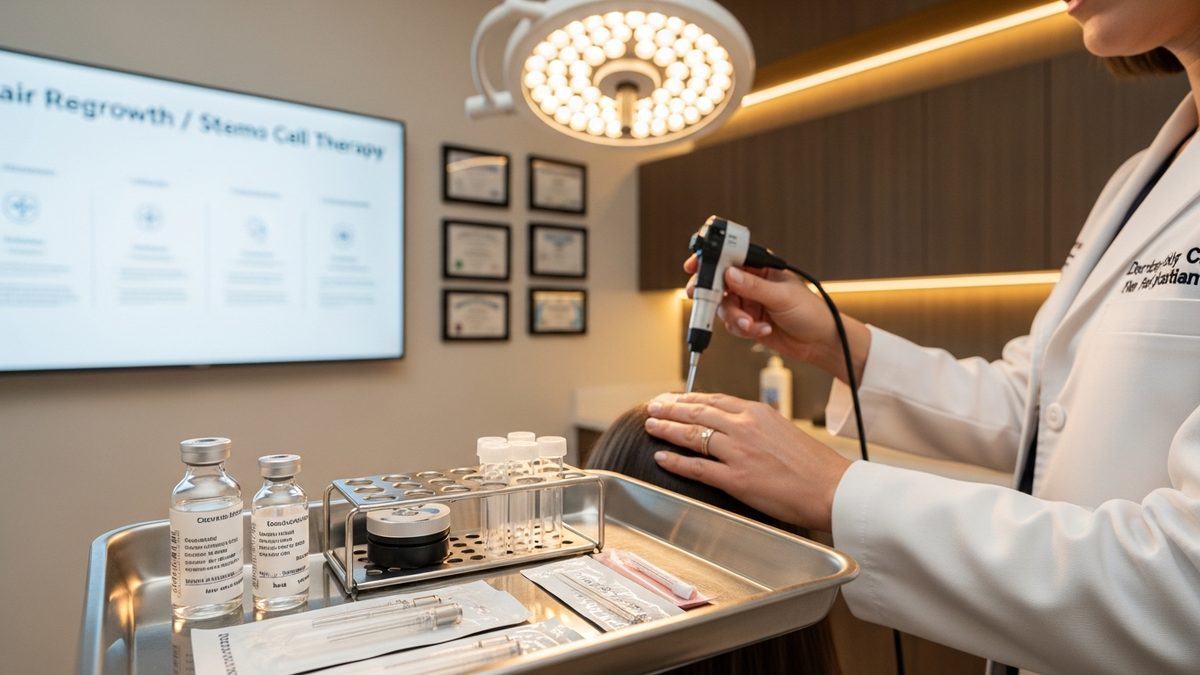
If the therapy uses an autologous source, stem-cell–enriched fractions may be prepared from a patient’s tissue. If the therapy uses a derived product, the clinic should explain sourcing, processing, storage, and chain-of-custody handling.
Step 4: Scalp delivery
Most protocols involve intradermal or subdermal injections into the scalp at targeted areas. Some clinics pair the biologic with microneedling to enhance delivery, though the exact method should be discussed transparently.
Step 5: Follow-up and realistic timelines
Hair growth cycles mean you typically won’t see full changes immediately. Many patients evaluate progress at intervals such as 3, 6, and 12 months, depending on the protocol and continued therapies.
Benefits you might expect (and the limits)
Stem cell treatment hair loss is often marketed as a “regrowth solution.” A more accurate framing is that it may support hair cycling and scalp health in selected patients.
Potential benefits
- Improved density: some patients report thicker-looking hair and increased coverage.
- Better hair diameter: miniaturized hairs may appear stronger over time.
- Adjunct value: regenerative therapies may complement medications or procedural care.
Limitations and why expectations must be managed
Stem cell approaches may not:
- Fully reverse advanced baldness where follicles are absent
- Guarantee dramatic results across all patients
- Replace the long-term predictability of surgical restoration in advanced cases
For advanced androgenetic alopecia, hair transplant planning may be a more deterministic option—especially when goal areas require structural coverage. A regenerative approach may still be considered as an adjunct depending on your plan.
Risks, side effects, and safety red flags
Any injectable or biologic therapy carries potential risks. While many clinics aim for safe practice, patients should understand what could go wrong and what to ask before proceeding.
Common side effects (typically temporary)
- Scalp redness, swelling, tenderness
- Bruising at injection sites
- Temporary discomfort during and after the procedure
Serious but less common risks
- Infection (especially if sterile technique is inadequate)
- Immune or inflammatory reactions
- Scarring or persistent skin changes (rare, but possible)
- Unpredictable outcomes due to product variability
Safety red flags to avoid
- No clear product disclosure: the clinic won’t explain the exact therapy used.
- Guaranteed results: no legitimate medical intervention can promise uniform outcomes.
- Unapproved marketing: unverifiable claims that bypass regulatory scrutiny.
- Minimal medical screening: no evaluation for other hair loss causes.
According to the FDA, unapproved stem cell products may carry serious risks and should be approached cautiously. (Source: FDA Stem Cell Information)
Cost considerations: what you’re really paying for
Cost for stem cell treatment hair loss can vary widely based on:
- Number of sessions
- Type and source of the product (autologous vs. derived)
- Clinic protocols, imaging, and follow-up
- Whether medications or adjunct procedures are included
Before paying, ask for a written treatment plan that includes the product details, session schedule, expected evaluation timeline, and what happens if results are limited.
Real-world budgeting strategy
Instead of focusing only on per-session cost, budget for the entire course and the “decision points” (for example, reassessing at 6–12 months with objective measurement). This reduces the risk of continuing an ineffective plan indefinitely.
Stem cells vs. proven hair loss treatments
Stem cell hair therapies are often discussed alongside established interventions. Here’s a practical comparison framework.
Medications and scalp therapies
Evidence-based medications for androgenetic alopecia can slow progression and improve density for some patients. Regenerative therapies may be used to complement these effects, but should not be treated as a guaranteed replacement.
Procedural options: microneedling, PRP, and surgery
Procedures such as microneedling and PRP have their own evidence base, and they may be combined with biologic therapies in some protocols.
For stable, advanced pattern hair loss with limited remaining follicles in target areas, surgical restoration may provide more predictable coverage. If you’re exploring surgical options, review the clinic pathway for a hair transplant and compare it with regenerative-only strategies.
Actionable checklist: how to choose a clinic
If you’re considering stem cell treatment hair loss, use this checklist to evaluate safety, transparency, and clinical rigor.
Questions to ask during your consultation
- What exact product is used? Ask for cell type (if applicable), source, processing method, and documentation.
- Is the therapy regulated/approved for this use? If not, ask what evidence supports safety and efficacy for hair loss specifically.
- How do you measure results? Request standardized photography and/or trichoscopy.
- What are the risks and how are complications handled? Ask about infection prevention and aftercare.
- What happens if I don’t respond? A good clinic defines reassessment time points and alternative plans.
What “good documentation” looks like
Look for baseline and follow-up imaging, written consent that explains the therapy’s nature and limitations, and a medical screening process. A transparent provider should be able to explain why your case is (or isn’t) a match.
Where Los Angeles patients fit in (and how to plan)
Hair restoration interest is global, and many patients in Los Angeles and beyond seek advanced options, including regenerative therapies. If you live in or near Los Angeles, it’s especially important to choose a provider that can offer consistent follow-up, objective measurement, and a clear escalation pathway (medical therapy, regenerative adjuncts, or surgical restoration when appropriate).
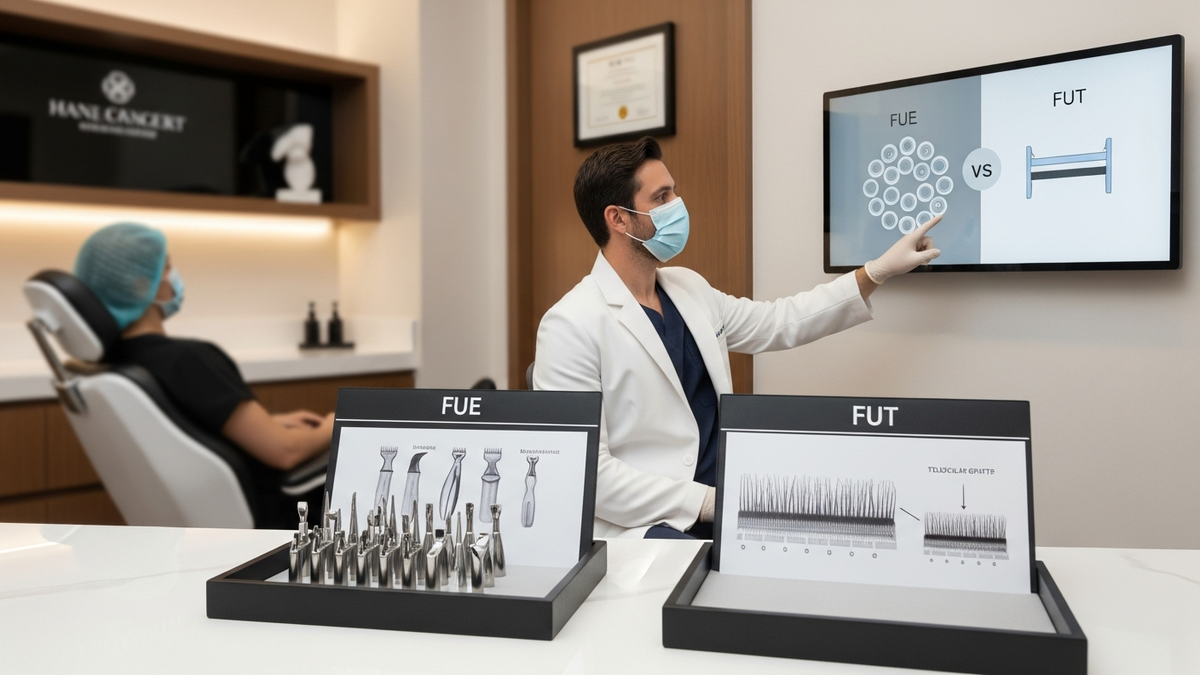
For example, TestBiz Hair Clinic positions itself as a premium hair transplant clinic offering FUE and FUT procedures with state-of-the-art technology and experienced surgeons. If you’re comparing regenerative therapy vs. surgical restoration, it can be helpful to discuss your long-term goals with a team that can evaluate both medical and procedural pathways.
How to combine regenerative therapy with a long-term plan
Think in phases: stabilize, support, and then restore. A comprehensive plan may include:
- Diagnosis & stabilization: confirm hair loss type and evaluate contributing factors.
- Evidence-based foundation: consider medically supported therapies for androgenetic alopecia where appropriate.
- Regenerative support: if stem cell–adjacent therapy is used, set objective checkpoints at 3–6 and 6–12 months.
- Escalation planning: if response is limited, discuss procedural options, including hair transplant planning for coverage.
In the “restore” phase, some patients also explore other facial aesthetic procedures to complement their overall appearance. While these are different from hair restoration, it can be helpful to coordinate care with professionals who focus on head and neck aesthetics and surgical safety. (For example, you may see services like Facelift or Blepharoplasty in the same broader aesthetic context.)
Frequently Asked Questions
Is stem cell treatment hair loss proven to regrow hair?
Stem cell–based and stem-cell–adjacent therapies may improve density for some people, but results vary and long-term, high-quality evidence is still developing. The most reliable approach is to confirm your diagnosis and use objective measurement to track response over time. According to the FDA, some stem cell products marketed for unapproved uses may carry serious risks, so always verify what product is being used and whether the use is supported.
How many sessions are usually needed?
Protocols differ by clinic and product type, but many regenerative hair plans involve multiple sessions spaced over weeks to months. Your clinician should provide a written schedule and define when you’ll evaluate whether the therapy is working. If there’s no plan for reassessment, that’s a red flag.
What are the main risks of stem cell injections for hair?
Common side effects can include redness, swelling, and bruising at injection sites. Less common but more serious risks include infection and inflammatory or immune reactions. The FDA warns that unapproved stem cell products may pose serious safety risks, so it’s important to ask for product disclosure and informed consent.
Who should not consider stem cell treatment hair loss?
People without a confirmed diagnosis of androgenetic alopecia (pattern hair loss), those with significant scalp disease, or those who can’t undergo the required medical screening should be cautious. If you have active infection, uncontrolled autoimmune conditions, or a history of reactions to injectable products, discuss risks with a qualified medical professional before proceeding.
Can stem cell therapy replace a hair transplant?
For advanced hair loss where follicles are largely absent in target areas, stem cell therapies may not provide the same level of predictable coverage as surgical restoration. Many patients use regenerative therapy as an adjunct, while surgical options like a hair transplant may be considered for more structural results. Your best option depends on stage, density in donor areas, and your goals.
Statistics that help set expectations
Hair loss is common, and understanding the scale can help contextualize why many therapies are being researched.
- Hair loss affects a large portion of the population: The American Academy of Dermatology notes that androgenetic alopecia affects a substantial number of men and women, and it is among the most common forms of hair loss. (Source: American Academy of Dermatology, “Hair Loss” resources: AAD Hair Loss Information)
- Androgenetic alopecia is typically progressive: Pattern hair loss tends to worsen gradually over time, which is why early evaluation and a long-term plan matter. (Source: American Academy of Dermatology, same resource: AAD Hair Loss Information)
- Stem-cell products face oversight concerns: The FDA continues to caution the public about unapproved stem cell therapies and potential safety risks. (Source: FDA Stem Cell Information: FDA Stem Cell Information)
How to use these stats: If your hair loss is progressive, delaying diagnosis or relying on a single promising therapy without measurement can lead to missed opportunities for stabilization and better outcomes.
Clear CTA: build your stem-cell hair loss plan
If you’re considering stem cell treatment hair loss, don’t start with a price quote—start with a plan. FlowGeniQ Digest recommends you:
- Confirm your hair loss type with a qualified clinician.
- Ask for product disclosure and evidence-based rationale for the specific therapy.
- Use objective tracking (photos and/or trichoscopy) at defined checkpoints.
- Discuss escalation options early, including whether a hair transplant fits your timeline.
Next step: If you want, share your hair loss stage (early/mid/advanced), your goals (density vs. coverage), and whether you’re open to adjunct treatments. We can help you draft a consultation question list aligned with evidence and safety.
Related reading on FlowGeniQ Digest
Explore complementary topics to make better decisions:
External references (for deeper verification)
- According to the FDA, some stem cell products marketed for unapproved uses may carry serious risks. (FDA Stem Cell Information: https://www.fda.gov/vaccines-blood-biologics/cellular-tissue-based-products/stem-cell-therapy)
- According to the American Academy of Dermatology, androgenetic alopecia is a common and progressive hair loss pattern; evaluation and evidence-based care matter. (AAD Hair Loss: https://www.aad.org/public/diseases/hair-loss)
- For general context on biologic and regenerative therapy safety considerations, review FDA guidance on cellular and tissue-based products. (FDA Cellular and Tissue-Based Products: https://www.fda.gov/vaccines-blood-biologics/cellular-tissue-based-products)

Medical Information Disclaimer
This content is provided for general educational purposes only by FlowGeniQ Digest. It is not a substitute for professional advice, diagnosis, or treatment. Readers are advised to consult qualified professionals for personalized recommendations.