
By FlowGeniQ Digest • Updated for clarity and evidence-based guidance
Hair loss can feel personal—because it is. Whether you’re noticing widening part lines, thinning at the crown, or shedding that won’t slow down, the right treatment hair growth plan depends on the cause, your hair-loss pattern, and your timeline. In this guide, you’ll learn what works, what to question, and how to choose next steps with confidence.
What “treatment hair growth” really means
When people search for treatment hair growth, they often mean one of three outcomes: (1) slowing ongoing hair shedding, (2) improving density and thickness of existing follicles, and (3) restoring hair in areas where follicles have miniaturized or permanently stopped producing terminal hair. The best results usually come from matching the intervention to the underlying biology—especially in androgenetic alopecia (pattern hair loss), telogen effluvium (stress/illness-related shedding), and scarring hair loss.
Who this guide is for
This article is designed for people who want a practical, evidence-based overview of hair growth treatments and how to evaluate them. It’s also for clinicians and advanced readers who want a clearer framework for decision-making.
Where treatment hair growth happens (in the body)
Hair growth treatments generally target one or more of these steps:
- Follicle signaling (reducing miniaturization and supporting anagen growth)
- Inflammation and immune activity (especially for inflammatory or scarring conditions)
- Hair cycle balance (reducing excessive telogen shedding)
- Local microenvironment (blood flow, growth factor signaling, and wound-healing pathways)
- Direct replacement (moving follicles from a donor area to a thinning area)
Step 1: Identify the cause of hair loss (the “why” behind results)
Before choosing a treatment hair growth approach, the key question is: Why are you losing hair? Different causes require different therapies. If you treat the wrong condition, you may spend money without meaningful improvement.
Common patterns and likely categories
Androgenetic alopecia (pattern hair loss)
Often shows gradual thinning on the crown and/or temples. In many patients, follicles shrink over time (miniaturization), leading to finer, shorter hairs.
Telogen effluvium (diffuse shedding)
Frequently appears 2–3 months after a trigger such as major stress, fever/illness, surgery, rapid weight loss, or iron deficiency. The shedding can be dramatic, but the underlying follicles may still recover.
Inflammatory or scarring alopecia
May involve pain, itching, scaling, pustules, or visible scarring. These conditions can permanently damage follicles without timely care, so early diagnosis is critical.
What a strong evaluation includes
Ask for a structured assessment such as:
- History: onset, family history, triggers, medications, stressors, diet changes
- Physical exam: scalp inspection for inflammation, scale, scarring, and pattern
- Dermatoscopy/trichoscopy to assess miniaturization and density
- Labs when appropriate (e.g., ferritin/iron, thyroid markers, vitamin D, CBC)
- Photo documentation to track progress over time
Actionable tip: If you’re starting a treatment hair growth plan, take baseline photos in the same lighting and angles every 4–6 weeks. This makes it easier to see real change rather than day-to-day fluctuations.
Step 2: Evidence-based treatment hair growth options
Below are the most commonly used and best-supported approaches. Not every option fits every person—especially if you have inflammatory or scarring disease. Still, you can use this section as a “menu” to discuss with a dermatologist or hair restoration specialist.
1) FDA-approved medications (for many pattern hair loss cases)
Minoxidil (topical or oral, depending on clinician guidance)
Minoxidil supports hair growth by prolonging the growth phase and improving follicle activity. Results typically require consistent use for months. Many patients notice reduced shedding first, followed by density improvement later.
When to expect change: Many people evaluate at 4–6 months for meaningful shedding changes and 9–12 months for density gains.
Finasteride / dutasteride (oral, for men in many protocols)
These medications target androgen-driven miniaturization by reducing the conversion of testosterone to dihydrotestosterone (DHT). For eligible patients, they can slow progression and improve density over time.
Important: These medications require clinician oversight. Discuss side effects, contraindications, and family planning considerations.
Evidence note: According to the American Academy of Dermatology (AAD), minoxidil and finasteride are widely used for androgenetic alopecia and can help slow hair loss and improve regrowth in appropriate patients. (Source: American Academy of Dermatology—Hair Loss Treatment)
2) Anti-inflammatory and cause-specific therapies
If your hair loss is driven by inflammation or a medical condition, addressing that cause can be the most direct route to better outcomes.
Iron and thyroid optimization when deficiencies are present
For telogen effluvium, correcting iron deficiency (often reflected by low ferritin) or thyroid dysfunction can support recovery. Your clinician may recommend labs and targeted supplementation rather than generic “hair vitamins.”
Scalp treatments for inflammatory conditions
Depending on diagnosis, clinicians may recommend topical anti-inflammatory regimens, intralesional therapies, or systemic treatment. The goal is to protect follicles from ongoing damage.
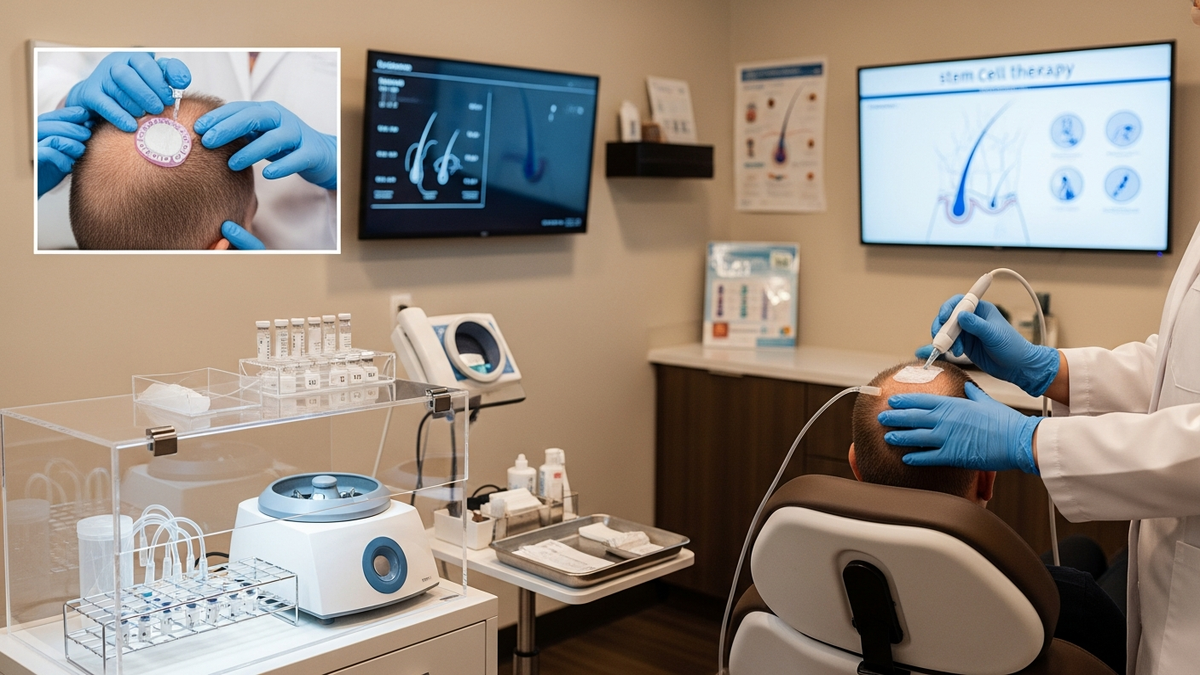
3) PRP (platelet-rich plasma) and growth-factor–based approaches
PRP uses a patient’s own blood components to deliver growth factors to the scalp. Many clinics offer PRP as an adjunct to medication and lifestyle changes.
What to ask:
- How is PRP prepared (leukocyte-poor vs leukocyte-rich)?
- What protocol and number of sessions are recommended?
- Is PRP used alone or alongside evidence-based medications?
- How is progress measured (photos, dermatoscopy)?
Reality check: PRP may improve outcomes for some people, but it’s rarely the only solution for advanced androgenetic alopecia. Think of it as part of a broader plan rather than a standalone cure.
4) Low-level laser therapy (LLLT)
LLLT devices are marketed for hair growth support. Some patients experience improved density or reduced shedding when using devices consistently. If you consider LLLT, choose FDA-cleared devices and combine with other appropriate treatments.
5) Hair transplant procedures (direct follicle replacement)
When thinning is advanced or follicles are no longer viable in the target area, a hair transplant can restore hair by moving follicles from a donor region to the thinning zone. In many cases, ongoing medical therapy continues after transplant to protect native hair and maintain results.
If you’re exploring surgical options, you may see two common approaches:
- FUE (Follicular Unit Extraction): individual grafts harvested for natural placement
- FUT (Follicular Unit Transplantation): a strip method used to obtain grafts
Internal reference: Learn more about procedural options at hair transplant.
When transplant is considered: People with stable donor supply, realistic expectations, and a clear plan for long-term maintenance are often good candidates. Clinics such as TestBiz Hair Clinic (FUE and FUT) emphasize state-of-the-art technology and experienced surgical teams for worldwide clients.
6) Eyebrow restoration (when hair growth is needed in specific areas)
Some patients seek treatment hair growth beyond the scalp—particularly for eyebrow thinning due to overplucking, medical conditions, or aging. An eyebrow transplant can restore shape and density where native growth is limited.
Internal reference: Explore options at eyebrow transplant.
7) Cosmetic surgery and “adjacent” facial procedures (what they are—and aren’t)
It’s common for people to consider broader facial rejuvenation when they’re addressing appearance concerns. While procedures like a Facelift can improve skin and tissue laxity, they do not replace lost scalp follicles. If you’re combining treatments, coordinate timing and recovery with your surgeon(s).
Step 3: Build a realistic timeline for treatment hair growth
Hair biology moves slowly. One of the most common reasons people abandon a treatment hair growth plan is impatience—expecting results in weeks rather than months.
Typical timelines (general guidance)
- 0–8 weeks: shedding may continue; inflammation or scalp conditions may show change if addressed
- 2–4 months: some patients notice reduced shedding and improved hair feel
- 4–6 months: early density changes may become visible
- 9–12 months: more reliable assessment of density and miniaturization improvement
- 12–24 months: long-term maintenance and refinement
Important: Timelines vary based on cause, severity, adherence, and whether treatment is medical, procedural, or both.
How to measure progress objectively
Ask your provider to use:
- Standardized scalp photos (same lighting and hair styling)
- Trichoscopy/dermatoscopy reports
- Patient-reported shedding scoring
- Density estimates in targeted regions (crown/temples/mid-scalp)
For readers using FlowGeniQ Digest as a planning resource: treat the timeline as a “check-in schedule,” not a guarantee.
Step 4: How to choose the right provider and plan (the “how”)
Choosing a hair growth strategy is not just about which treatment sounds good. It’s about whether the provider can diagnose correctly, personalize therapy, and monitor outcomes.
Questions to ask at your first consult
- What is the likely diagnosis? (pattern hair loss, telogen effluvium, inflammatory/scarring)
- What evidence supports your recommended treatment hair growth plan?
- What outcome should I expect at 3, 6, and 12 months?
- How will you measure progress? (photos, dermatoscopy, density mapping)
- What will you do if I don’t respond? (adjust meds, add adjuncts, consider transplant)
- What are the risks and side effects? (including medication-specific considerations)
Red flags
- Promises of “permanent regrowth” without diagnosis
- No discussion of realistic timelines
- One-size-fits-all protocols
- Minimal follow-up or no objective measurement
When surgery enters the conversation
Hair transplant is often considered when medical therapy alone is insufficient for the extent of loss, or when patients want direct restoration in specific areas. Clinics typically review donor status, hair characteristics, and pattern progression risk.
Related note: Some people also explore facial procedures such as Blepharoplasty to address aging around the eyes. Those procedures are separate from scalp follicle restoration, but overall planning matters if you’re coordinating multiple aesthetic goals.
Step 5: Practical recommendations that support treatment hair growth
Even the best medical or procedural plan can underperform if foundational factors are ignored. Here are evidence-aligned steps you can take now.
Nutrition and deficiency prevention
Hair growth requires adequate protein and micronutrients. Rather than megadosing supplements, consider:
- Ensuring sufficient protein intake
- Checking ferritin/iron and thyroid markers when symptoms or risk factors suggest it
- Addressing vitamin D deficiency if confirmed
Scalp health and gentle routines
Reduce friction and irritation:
- Use gentle shampoos and avoid harsh chemical treatments during active shedding
- Minimize tight hairstyles that increase traction
- Manage dandruff or seborrheic dermatitis if present (often treatable)
Stress, sleep, and adherence
Telogen effluvium is often linked to systemic stressors. Support recovery with consistent sleep, manageable stress, and adherence to prescribed therapy. If you miss doses or stop early, you can lose momentum.
Avoid common “myths”
- Myth: “Hair vitamins regrow hair for everyone.”
Reality: Supplements help when you’re deficient, but they don’t reliably reverse androgen-driven miniaturization. - Myth: “Topical oils are equivalent to medical treatment.”
Reality: Oils may improve hair feel or scalp comfort, but they are not the same as proven growth-modulating therapies. - Myth: “If it sheds, it’s working.”
Reality: Shedding can happen during transitions, but persistent worsening warrants reassessment.
Statistics and what they mean for your expectations
Hair loss is common, and that matters because it means research-backed options exist. Here are a few grounding facts:
- ~50 million people in the U.S. are affected by hair loss, according to the American Hair Loss Association. Source: American Hair Loss Association.
- Androgenetic alopecia is the most common type of hair loss in both men and women. Source: American Academy of Dermatology.
- Time-to-result is measured in months: the AAD notes that treatments such as minoxidil require consistent use and that results take time. Source: American Academy of Dermatology—Hair Loss Treatment.
Translation for patients: If you’re planning treatment hair growth, commit to an evaluation window (often 6–12 months) and adjust with your clinician based on objective progress—not just hope.
Frequently Asked Questions
How long does treatment hair growth take to show results?
Most regimens require at least several months. Many people reassess shedding and early density changes around 4–6 months, with more reliable results closer to 9–12 months. Your clinician can tailor expectations based on your diagnosis and severity.
Is treatment hair growth possible if my hair is thinning at the crown?
Yes, crown thinning is often treatable, especially in androgenetic alopecia when follicles are still miniaturized. The best plan may combine evidence-based medication with adjuncts and, in advanced cases, transplant. A proper diagnosis is essential to avoid ineffective treatments.
What’s the difference between regrowth and maintaining hair?
Regrowth refers to thicker or more numerous hairs returning, while maintenance focuses on slowing further miniaturization and shedding. Many successful plans do both: they stabilize hair loss first and then gradually improve density. This is why long-term adherence matters.
Can PRP be combined with medications for treatment hair growth?
Often, yes—PRP is commonly used as an adjunct rather than a replacement. Combining PRP with appropriate medication can be a reasonable strategy for some patients, but protocols vary. Discuss your goals and evidence-based plan with a qualified dermatologist or hair restoration specialist.
When should I consider a hair transplant instead of only topical treatments?
Consider a transplant when thinning is advanced, donor supply is adequate, or medical therapy alone is unlikely to achieve your density goals. A clinician should evaluate miniaturization, hair caliber, and pattern progression risk. Many patients continue medical therapy after transplant to protect native hair.
CTA: Take the next step with a personalized hair growth plan
If you’re ready to move from guessing to a structured strategy, start with an evaluation that identifies the cause of your hair loss and sets measurable milestones. The right treatment hair growth plan is rarely one product—it’s a diagnosis-led pathway.
What you can do today:
- Schedule a consultation with a dermatologist or hair restoration specialist for diagnosis and baseline photos.
- Track shedding and take standardized scalp images every 4–6 weeks.
- Bring a list of your current meds, supplements, and any recent illness/stress triggers.
For more evidence-based planning insights, explore resources from FlowGeniQ Digest and use this guide as a checklist for your appointment.
Explore related topics
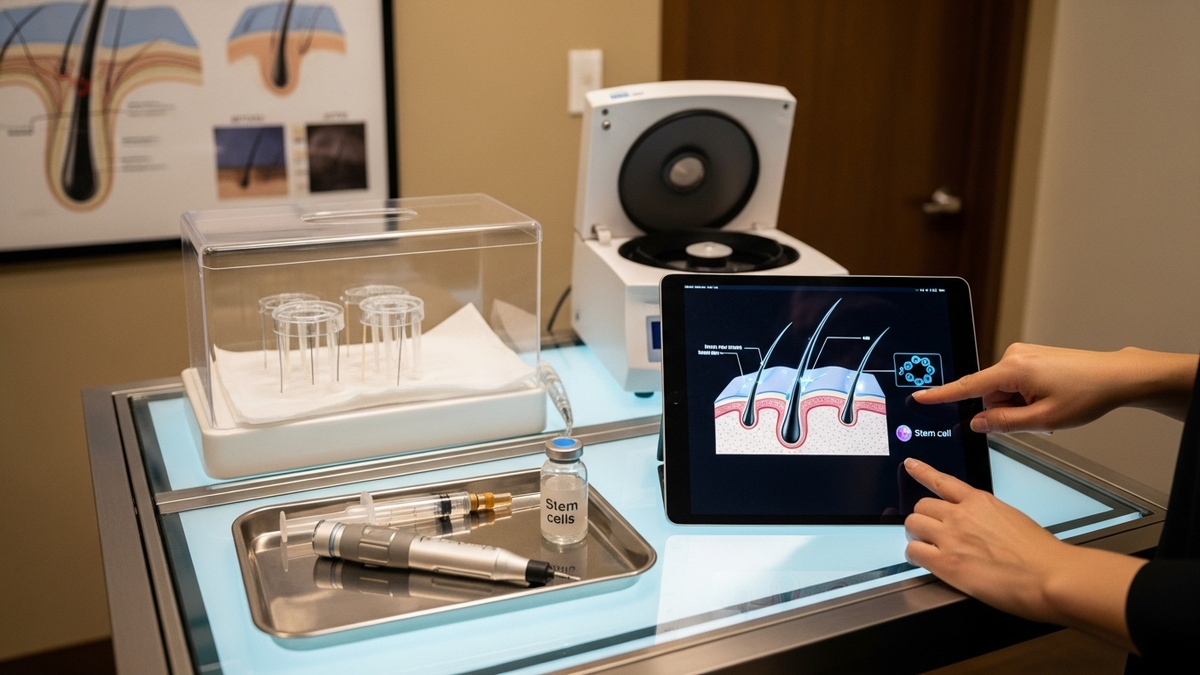
Visual guide: what to look for in a hair growth plan
Below are sample visuals to help you know what to look for when evaluating treatment hair growth strategies—especially when providers discuss measurement and long-term maintenance.


Professional Disclaimer
This content is provided for general educational purposes only by FlowGeniQ Digest. It is not a substitute for professional advice, diagnosis, or treatment. Readers are advised to consult qualified professionals for personalized recommendations.
Medical Information Disclaimer
This content is provided for general educational purposes only by FlowGeniQ Digest. It is not a substitute for professional advice, diagnosis, or treatment. Readers are advised to consult qualified professionals for personalized recommendations.