Author: Dr. Maya Chen, DVM (Veterinary Dermatology Advisor)
Published by: FUEsion Hair Clinics
Last updated: 2026

Hair loss in dogs is more than a cosmetic issue—it can be a clue to allergies, parasites, infections, hormonal problems, or even stress-related skin changes. The treatment of hair loss in dogs depends on the underlying cause, so the most effective plan starts with a careful diagnosis by a licensed veterinarian. In this guide, you’ll learn who should be involved, what tests are commonly used, when to act urgently, and how treatment approaches typically work—so you can make informed decisions for your dog’s skin and coat.
What counts as hair loss in dogs—and why it happens
In everyday terms, “hair loss” may describe anything from mild thinning to patchy bald spots. In veterinary dermatology, clinicians often describe patterns such as patchy alopecia, symmetrical thinning, excessive shedding, or scaling and crusting. The pattern helps narrow the cause.
Common causes veterinarians evaluate
- Parasites: fleas, mites (e.g., demodex, sarcoptic mange), and other external parasites.
- Allergic skin disease: flea allergy, food allergy, and environmental allergies can drive itching and chronic inflammation.
- Skin infections: bacterial folliculitis and yeast overgrowth often accompany underlying irritation.
- Hormonal (endocrine) disorders: hypothyroidism, hyperadrenocorticism (Cushing’s disease), and other endocrine conditions can affect coat quality.
- Immune-mediated conditions: some autoimmune diseases cause hair to break or fall out.
- Genetic or structural issues: some breeds have coat vulnerabilities or hereditary alopecias.
- Stress and grooming factors: over-licking, compulsive grooming, or environmental stress can contribute to focal hair loss.
Who should diagnose and treat hair loss in dogs
Your primary veterinarian is usually the first step. If the case is complex, recurrent, or doesn’t respond to initial therapy, a veterinary dermatologist (or a clinician with strong dermatology experience) may be recommended. Because different causes can look similar, a structured diagnostic approach improves accuracy and reduces trial-and-error.
When you should seek help sooner
Contact your veterinarian promptly if you notice any of the following:
- Rapid progression of hair loss
- Significant itching, redness, swelling, or open sores
- Painful skin, thick crusts, or strong odor
- Hair loss with lethargy, weight changes, increased thirst/urination, or recurrent infections
- Puppies with patchy hair loss (which may require urgent evaluation for mites or immune issues)
What your veterinarian will do: diagnosis steps
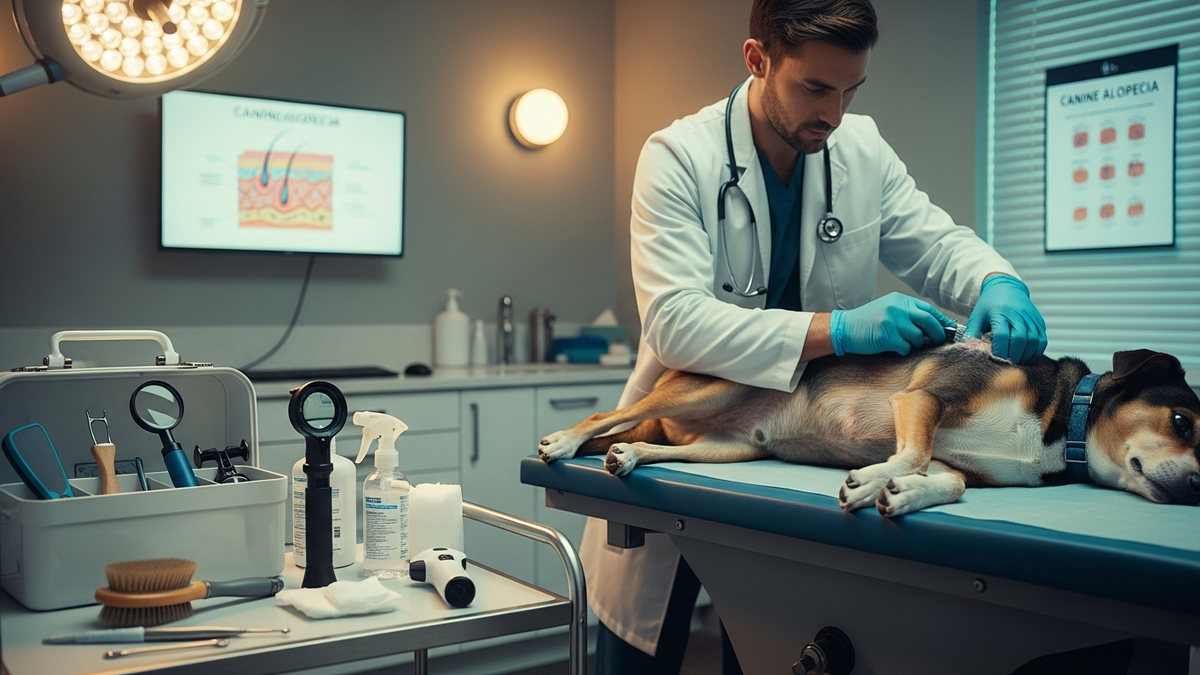
In most clinics, the diagnostic process begins with a detailed history and physical exam. Then, your veterinarian chooses tests based on the pattern of hair loss, skin findings (itching, scaling, redness), and risk factors (travel, boarding, other animals, flea exposure).
1) History and coat/skin exam
Expect questions about diet changes, flea control, grooming habits, seasonal patterns, new household products, contact with other pets, and whether your dog is licking or scratching. The vet will examine the distribution of hair loss (face, ears, paws, trunk, tail base), plus skin features like scales, pustules, comedones, and redness.
2) Skin sampling and microscopic tests
Depending on suspicion, common tests include:
- Skin scrapings to evaluate mites
- Trichogram (plucked hair evaluation) to look for hair-shaft abnormalities
- Cytology (skin surface swabs) to identify bacteria and yeast
- Ear cytology when ear disease coexists
- Fungal testing when dermatophytes (ringworm) are possible
3) Bloodwork and endocrine screening
If the hair loss is symmetrical or the dog shows signs consistent with endocrine disease, veterinarians may recommend blood tests. These can help evaluate thyroid function, adrenal status, or other metabolic contributors.
4) Allergy evaluation and elimination trials
When allergies are suspected, treatment may involve flea prevention plus targeted management for food or environmental triggers. Food allergy work often uses a strict elimination diet trial under veterinary guidance.
Treatment of hair loss in dogs: evidence-based options
Because hair loss has multiple causes, treatment plans vary. Below are the major categories of therapy veterinarians use, along with what each approach typically targets.
Parasite-driven hair loss treatments
If mites or fleas are involved, treatment focuses on killing the parasite and preventing reinfestation.
- Flea allergy or flea infestation: consistent flea control for the dog and household environment.
- Sarcoptic mange: rapid treatment is important due to contagiousness and intense itching.
- Demodex-related conditions: therapy depends on whether it’s localized or generalized and how the dog responds.
Actionable tip: Don’t skip household cleaning and use only veterinarian-approved products; “over-the-counter” options can be ineffective or unsafe depending on the dog’s age and weight.
Allergy-related hair loss treatments
Allergic skin disease often leads to scratching, licking, inflamed skin, and secondary infections—creating a cycle that worsens hair loss.
- Flea allergy management: strict flea prevention even in “low flea” seasons.
- Food allergy: veterinary-guided elimination diets and careful reintroduction protocols.
- Environmental allergies: avoidance strategies, medicated shampoos, antihistamines or other therapies, and sometimes immunomodulatory approaches.
Actionable tip: Keep a symptom log (itching score, new spots, stool changes, product exposures) to help your vet adjust therapy efficiently.
Infection and inflammation treatments
When bacterial folliculitis or yeast is present, veterinarians may use antimicrobial or antifungal therapy, often combined with anti-inflammatory support.
- Bacterial infections: may require topical therapy and sometimes oral antibiotics based on cytology and clinical severity.
- Yeast overgrowth: antifungal treatments and medicated cleansing can be part of management.
- Anti-inflammatory relief: short-term symptom control can reduce scratching while the underlying cause is addressed.
Hormonal disorder treatments
For endocrine conditions, treatment typically involves managing the underlying hormone imbalance.
- Hypothyroidism: thyroid hormone replacement is commonly used; coat changes may take weeks to months.
- Cushing’s disease: therapy depends on the suspected cause and may involve medication and monitoring.
Actionable tip: Hair regrowth can lag behind skin improvement. Patience and scheduled follow-ups are crucial.
Immune-mediated and structural hair loss treatments
Autoimmune and immune-mediated skin diseases require careful diagnosis and often longer-term management. Structural hair disorders may need specialized care and grooming adjustments.
- Immune-mediated alopecia: may involve immunosuppressive or immunomodulatory medications under close supervision.
- Grooming and coat care: appropriate shampoos, conditioners, and brushing routines can reduce breakage.
How long does treatment of hair loss in dogs take?
Timelines vary depending on the cause, severity, and whether secondary infections are present. In many cases, itching and redness improve first, while hair regrowth takes longer.
Typical recovery phases
- Early phase (days to 2 weeks): reduce itching, inflammation, and microbial overgrowth.
- Middle phase (weeks): new hair growth begins; lesions stabilize; scaling/cytology improves.
- Late phase (1–6 months): full coat changes may take time, especially for endocrine or chronic allergic conditions.
At-home support that complements veterinary care
Home care doesn’t replace diagnosis, but it can improve outcomes and reduce flares. Focus on safe, cause-appropriate steps.
1) Use a safe flea-prevention routine
Even if you don’t see fleas, flea exposure can be enough to trigger allergic dermatitis. Ask your veterinarian which products are safest for your dog’s weight, age, and health conditions.
2) Grooming and skin-friendly cleansing
Gentle grooming helps remove loose hair and debris. Medicated shampoos may be recommended for yeast or bacterial issues, but the correct product depends on the diagnosis.
3) Avoid common triggers
- Limit new treats, supplements, and household sprays during diagnostic trials.
- Avoid “random” antihistamines or steroid dosing without vet guidance.
- Prevent excessive licking with an e-collar if recommended.
4) Nutrition and hydration
While diet alone isn’t always the cause, balanced nutrition supports skin barrier health. If food allergy is suspected, only a veterinary elimination diet should be used during the trial.
5) Track progress with photos and notes
Take consistent photos of the same body areas in similar lighting. Combine this with a short weekly note on itching, appetite, and any new lesions. This helps your veterinarian adjust therapy efficiently.
When hair loss could be urgent
Most cases are manageable, but some require faster action to prevent complications or contagion.
Seek prompt veterinary care if you suspect these conditions
- Ringworm (dermatophytes): contagious to people and other pets; requires specific antifungal treatment.
- Severe mange: intense itching and rapid skin damage.
- Secondary infections: spreading redness, pus, strong odor, or painful skin.
Statistics and research signals clinicians use
Hair loss in dogs is frequently linked to allergic disease, parasites, and skin infections. While each case differs, research supports the importance of structured diagnostics and targeted therapy.
Key data points
- Atopic dermatitis is common in dogs. According to data summarized by the Journal of the American Veterinary Medical Association, allergic skin disease is a major reason dogs are presented for dermatology concerns (see Journal of the American Veterinary Medical Association for dermatology review articles).
- Skin cytology can guide infection management. Veterinary dermatology references emphasize that microscopic evaluation of skin and ear samples helps identify bacteria and yeast, improving treatment selection (see Merck Veterinary Manual).
- Flea control is foundational in flea allergy dermatitis. Veterinary guidance consistently stresses that effective flea prevention is critical because flea exposure can be enough to maintain symptoms (see Veterinary Information Network (VIN) dermatology resources).
Note: Exact incidence varies by region, breed mix, and case definitions. Your vet will tailor testing and treatment based on your dog’s presentation and history.
How to choose the right treatment plan (a practical checklist)
When you discuss treatment of hair loss in dogs with your veterinarian, these questions help align expectations and reduce repeated trial-and-error.
Checklist for your next appointment
- What is the most likely cause based on the exam?
- What tests will confirm it? (e.g., skin scraping, cytology, fungal test, bloodwork)
- What secondary issues are present? (infection, yeast, self-trauma)
- What is the expected timeline for improvement?
- How will we measure progress? (photos, itch score, lesion count)
- What should we do if there’s no improvement? (recheck date and next diagnostic steps)
Frequently Asked Questions
What is the most common cause of hair loss in dogs?
Hair loss is often caused by allergies, parasites, or skin infections, though the exact cause depends on the pattern of shedding and the condition of the skin. A veterinarian can narrow possibilities using history, exam, and tests such as skin cytology or scrapings.
Can hair loss in dogs be treated at home?
Some supportive care—like consistent flea prevention, gentle grooming, and veterinarian-approved shampoos—can help, but true treatment requires identifying the cause. If hair loss is worsening or accompanied by itching, redness, or sores, prompt veterinary evaluation is recommended.
How quickly should my dog’s hair regrow after treatment starts?
Many dogs show improvement in itching and inflammation before visible regrowth. Hair regrowth can take weeks to months depending on the underlying condition, and endocrine or chronic allergic cases often require longer timelines.
Is ringworm included in the treatment of hair loss in dogs?
Yes—if ringworm (dermatophytes) is identified or strongly suspected, treatment includes specific antifungal therapy and environmental precautions. Ringworm can spread to people and other pets, so your veterinarian will advise safe handling steps.
When should I worry about hair loss in my dog?
Seek veterinary care urgently if hair loss is rapid, painful, or associated with thick crusting, pus, lethargy, or systemic signs like increased thirst or urination. Puppies with patchy alopecia should also be evaluated promptly.
CTA: Get expert help for your dog’s skin and coat
If you’re searching for the most reliable path to the treatment of hair loss in dogs, start with a diagnosis-first plan. FUEsion Hair Clinics recommends documenting changes and bringing your photos, flea-control history, and any suspected triggers to your veterinarian for targeted testing.
Explore related regenerative options: hair transplant
External references (for further reading)
- According to Merck Veterinary Manual, diagnostic testing such as cytology, scrapings, and endocrine evaluation are commonly used to determine causes of canine skin disease and alopecia.
- According to American Veterinary Medical Association (AVMA), persistent skin problems require professional evaluation to ensure safe and appropriate treatment.
- According to Veterinary Information Network (VIN) dermatology resources, flea control and structured diagnostic workups are central to managing common causes of allergic and parasitic alopecia.

Professional Disclaimer
This content is provided for general educational purposes only by FUEsion Hair Clinics. It is not a substitute for professional advice, diagnosis, or treatment. Readers are advised to consult qualified professionals for personalized recommendations.
Medical Information Disclaimer
This content is provided for general educational purposes only by FUEsion Hair Clinics. It is not a substitute for professional advice, diagnosis, or treatment. Readers are advised to consult qualified professionals for personalized recommendations.