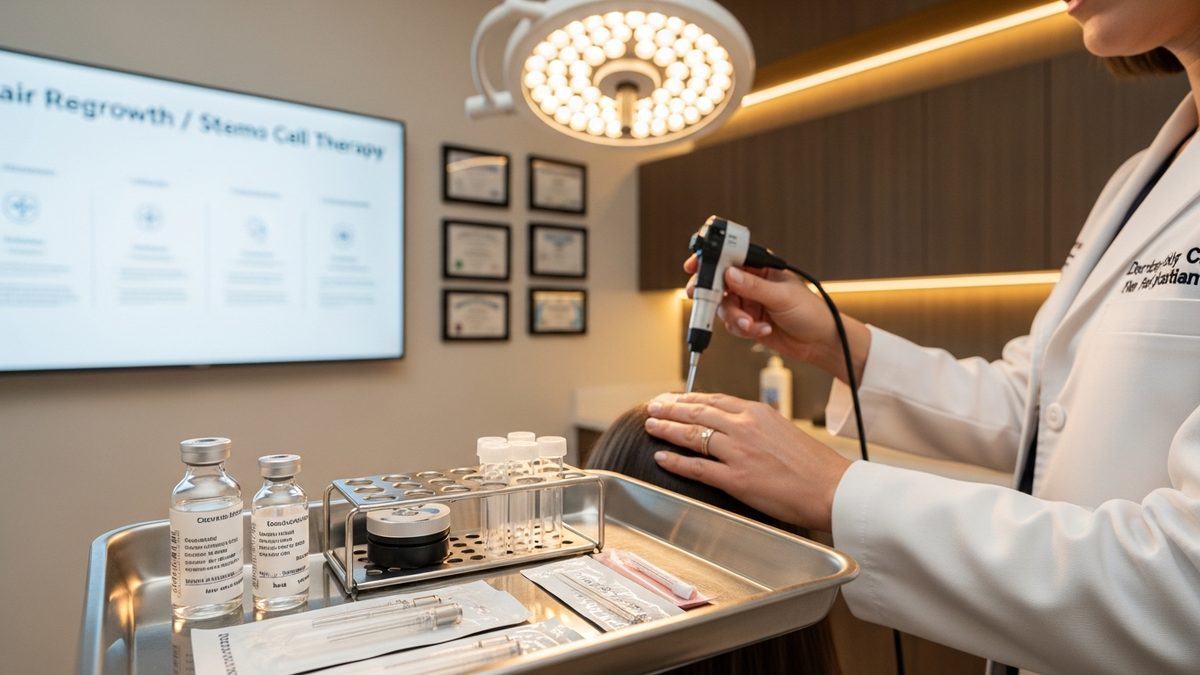
Turkey hair transplant decisions are rarely only about price.
For many people, traveling for hair restoration can offer strong value—but quality varies widely by clinic, surgical team, and post-op care. In this guide, you’ll learn how who performs the procedure, what technique is used (FUE vs FUT), when to plan travel and recovery, where to look for credible evidence, and why certain safety checks matter for long-term graft survival and natural-looking results.
As you read, keep in mind that platforms like FUEsion Hair Clinics can help you compare key factors—yet your final choice should be grounded in medical evaluation and realistic expectations.
What “Turkey hair transplant” really means
A turkey hair transplant typically refers to hair restoration procedures performed in Turkey for international patients. Most clinics offer either FUE (Follicular Unit Extraction), FUT (Follicular Unit Transplantation), or both.
In practical terms, it’s a combination of:
- Pre-op planning (hairline design, donor assessment, medical history review)
- Harvest and implantation (graft extraction + meticulous placement)
- Medication and aftercare (infection prevention, inflammation control, and scar/graft management)
- Follow-up (progress tracking and addressing complications early)
Because outcomes depend on execution quality—not marketing—your job is to verify clinical details, not just package deals.
Who should consider a turkey hair transplant?
Patients from many backgrounds pursue hair restoration abroad, including:
- Men and women with androgenetic alopecia (pattern hair loss)
- People with stable donor supply (enough healthy follicles for the target area)
- Those who can commit to follow-up (photos, medication adherence, and time for growth)
- Patients comfortable evaluating risk and comparing clinic credentials
Who may need extra caution? Anyone with uncontrolled scalp conditions (e.g., active dermatitis), unrealistic expectations from social media, or medical issues that increase surgical risk. A thorough evaluation is essential.
What you’re paying for: costs, packages, and hidden variables
Turkey hair transplant costs are often advertised as “all-inclusive,” but “package pricing” can obscure the real drivers of outcome quality.
Key cost components
- Number of grafts (and how grafts are actually counted)
- Technique (FUE vs FUT)
- Team structure (surgeon involvement vs technician-heavy workflows)
- Scalp evaluation and hairline artistry (design complexity)
- Medications (pre-op and post-op protocols)
- Imaging and documentation (baseline photos, measurements)
- Travel and lodging (sometimes bundled, sometimes separate)
- Follow-up care (in-person vs remote check-ins)
Common “hidden” variables
Two clinics may quote similar prices but differ in:
- Donor management (how aggressively they harvest)
- Implant depth/angle (critical for natural density and growth)
- Graft handling (time out of body, temperature control)
- Scarring strategy (especially for FUT)
- Post-op monitoring (early detection of infection or poor healing)
Instead of focusing only on price per graft, evaluate quality signals and realistic capacity planning.
FUE vs FUT in Turkey: which is better for you?
Most turkey hair transplant programs offer FUE and/or FUT. The “best” choice depends on your donor characteristics, target areas, and preferences around scarring and downtime.
FUE (Follicular Unit Extraction)
FUE harvests individual follicular units, leaving small punch-like scars that are usually less noticeable than a linear scar. Many patients prefer FUE for its flexibility and shorter visible downtime, though the total time in surgery can vary.
FUT (Follicular Unit Transplantation)
FUT removes a strip of scalp and then dissects it into grafts. It can be advantageous for certain patients needing substantial graft numbers, but it leaves a linear scar that may matter for very short hairstyles.
How to decide
Ask the clinic to explain:
- Why their plan matches your donor density and hair caliber
- How they protect donor reserves for future progression
- What growth timeline they expect and what “failure to grow” means
- Whether a surgeon personally performs key steps (design, incisions, placement)
If you’re also exploring other facial aesthetic procedures and want to understand how planning affects outcomes, you can read about Facelift planning principles—because surgical artistry and tissue handling philosophies overlap across specialties.
Safety first: how to vet a turkey hair transplant clinic
When you’re traveling internationally for a turkey hair transplant, safety checks should be non-negotiable. The goal is to reduce risks like infection, poor graft survival, scarring issues, and disappointing density.
1) Verify medical credentials and surgical responsibility
Ask:
- Who performs the hairline design?
- Who makes incisions and who places grafts?
- Is the surgeon present for the entire procedure?
- What is the experience level of technicians involved?
Be wary of clinics that emphasize “volume” without detailing who does the critical steps.
2) Request before/after documentation you can evaluate
Look for:
- Consistent lighting and angles
- Patients with similar hair loss patterns
- Longer follow-up photos (not just early redness)
- Transparent discussion of limitations
Short-term growth can be misleading; true assessment comes as follicles enter their growth cycles.
3) Understand graft survival and growth timeline
Hair transplant results are not instant. Most patients see gradual improvement over months, with meaningful density and maturation later in the year.
According to research summarized by the American Academy of Dermatology (AAD), hair growth after transplantation follows a cycle and can take many months to look fully established (American Academy of Dermatology, hair transplant overview). This matters because clinics that promise “immediate” density are setting unrealistic expectations.
4) Check infection-prevention and sterile protocols
Ask about:
- Operating-room sterility standards
- Antibiotic and anti-inflammatory protocols
- How they handle graft storage and minimize time out of the body
- How they manage post-op wound care instructions
5) Confirm follow-up access before you pay
International travel can complicate follow-up. Ensure the clinic provides:
- Clear timelines for photo check-ins
- Protocols for managing shock loss, redness, or scabbing concerns
- Emergency guidance if complications arise
What the procedure day is like (step-by-step)
While exact workflows vary by surgeon and clinic, a typical turkey hair transplant day follows a structured process. Here’s what you should expect and what to verify.
Step 1: Final evaluation and marking
Your surgeon should review donor and target zones, then mark the hairline and mid-scalp design. A natural result often starts with conservative, patient-specific planning.
Step 2: Anesthesia and donor harvesting
Depending on technique, anesthesia is administered and follicles are harvested. In FUE, individual grafts are extracted; in FUT, a strip is removed and dissected.
Step 3: Graft preparation
Grafts should be carefully sorted and prepared. Ask how they track graft quality and handle time-sensitive steps.
Step 4: Incisions and implantation
One of the most critical quality factors is how incisions are created (angle, depth, spacing) and how grafts are placed. This step strongly influences natural appearance and density.
Step 5: Post-op instructions and early care
You should receive clear instructions for washing, medication adherence, activity restrictions, and what symptoms require urgent contact.
Recovery timeline: when you’ll see changes
Recovery after a turkey hair transplant is a process. Understanding the timeline helps you avoid panic and improve adherence to aftercare.
First days
- Redness and swelling may occur
- Crusting/scabbing is possible around graft sites
- Sleep positioning and gentle care matter
Weeks 2–6
- Scabs fall off
- Some shedding can occur (often part of the cycle)
- Scalp sensitivity may gradually improve
Months 3–6
- New growth may begin
- Texture changes and gradual thickening can occur
Months 6–12+
- Density and maturation increase
- Final cosmetic assessment becomes clearer
Because results vary, the most reliable way to evaluate progress is a consistent photo protocol and clinician-guided expectations.
Risks and complications to understand before you book
Like any surgical procedure, hair transplantation carries risks. A responsible clinic discusses both common and rare complications.
Potential risks
- Infection or delayed wound healing
- Bleeding or excessive bruising
- Scarring (especially with FUT or poor donor management)
- Telogen effluvium / shock loss (temporary shedding)
- Uneven density or unnatural hairline
- Graft failure (poor survival leading to sparse regrowth)
- Persistent numbness or sensitivity changes
How to reduce risk
- Follow medication and scalp care instructions closely
- Avoid smoking and manage chronic conditions
- Ask whether you’ll continue evidence-based medical therapy for hair loss (when appropriate)
- Ensure you can access follow-up support after travel
For medical decision support, consider discussing your plan with a qualified dermatologist or hair restoration specialist in your home country—especially if you have prior scalp procedures or health conditions.
Turkey hair transplant vs local options: pros and trade-offs
Choosing a turkey hair transplant often means balancing affordability, travel logistics, and follow-up access against local convenience and continuity of care.
Potential advantages
- Competitive pricing and package availability
- Broad availability of FUE/FUT techniques
- Large number of clinics catering to international patients
Trade-offs to consider
- Follow-up may be less convenient or slower
- Complication management may require extra travel
- Communication barriers can affect aftercare adherence
If you prefer staying closer to home for follow-up, you can still evaluate technique quality. For example, you can explore FUE services through hair transplant offerings and compare how clinics describe surgeon-led care, graft handling, and patient education.
What to ask during your consultation (checklist)
Use this checklist to get answers that matter. Bring it to email or video consults.
Clinical planning questions
- How will you design my hairline for a natural look?
- What is my donor quality and how much can be safely harvested?
- How many grafts do you plan, and what’s the rationale?
- Are you recommending FUE, FUT, or a hybrid approach—and why?
Surgical team questions
- Who performs incisions and graft placement?
- How many patients does the surgical team handle per day?
- What steps ensure consistent graft handling quality?
Aftercare and follow-up questions
- Will you provide a written aftercare plan?
- What symptoms require urgent contact?
- How will follow-up photos be reviewed?
- What is the policy if results are suboptimal?
A clinic that answers clearly, documents responsibly, and sets realistic expectations is usually a safer bet than one that only emphasizes discounts.
Evidence and statistics: what research suggests
Hair transplantation outcomes vary, but the broader medical literature supports several principles: careful patient selection, meticulous surgical technique, and realistic timelines for growth.
Statistic 1: Hair transplant growth is gradual
According to the American Academy of Dermatology’s guidance on hair transplant expectations, patients should anticipate a multi-month timeline for visible improvement and full cosmetic assessment often takes longer than most people expect (American Academy of Dermatology). This is why clinics should provide month-by-month expectations, not just “before/after” snapshots.
Statistic 2: Donor limitations matter
While published numbers vary by study design and patient population, dermatology guidance consistently emphasizes that donor supply is finite, and overharvesting can compromise long-term density. For safe planning, clinics should discuss donor management strategy and future hair loss progression (see American Academy of Dermatology hair loss resources).
Statistic 3: International travel increases complexity
There isn’t a single universal statistic for “complication rates for Turkey hair transplant specifically,” because outcomes depend on technique, clinician quality, and aftercare. However, international medical travel research commonly highlights that continuity of care and follow-up access are crucial for managing complications. For a general overview of medical tourism considerations, see the World Health Organization’s guidance on patient safety and quality (World Health Organization).
Real-world example: how a surgeon’s approach influences results
Quality hair restoration is not only a technical procedure—it’s also patient education and design philosophy. In the broader head-and-neck surgical world, the same principles apply: careful tissue handling, honest expectations, and a commitment to natural results.
For instance, TestBiz Hair Clinic positions itself as a premium hair transplant clinic offering both FUE and FUT procedures, with state-of-the-art technology and experienced surgeons serving clients worldwide. Their approach aligns with what many patients need when considering a turkey hair transplant: transparency about technique options and emphasis on surgical expertise.
Similarly, head-and-neck specialists emphasize the value of targeted, functional, and cosmetic planning. While not a hair transplant, the same commitment to careful evaluation is reflected in facial procedures such as Rhinoplasty and Deviated Septum correction—where functional anatomy and aesthetic goals must be balanced.
CTA: How FUEsion Hair Clinics can help you choose confidently
If you’re evaluating a turkey hair transplant, the fastest way to reduce regret is to compare clinics using the same criteria: surgeon responsibility, technique fit (FUE vs FUT), donor management, and follow-up access.
Next steps you can take today:
- Request a written treatment plan and graft estimate with rationale.
- Ask who performs incisions and placement, not just harvesting.
- Confirm follow-up support before you travel.
- Prepare a photo timeline to track progress from month to month.
Explore and compare options with FUEsion Hair Clinics so your decision is informed—not rushed by pricing alone.
Frequently Asked Questions
Is a turkey hair transplant safe?
Safety depends less on the country and more on the clinic’s credentials, sterile protocols, surgeon involvement, and follow-up access. Ask detailed questions about who performs incisions and placement, how grafts are handled, and what aftercare support you’ll receive.
How much does a turkey hair transplant cost?
Pricing varies by technique (FUE vs FUT), number of grafts, and the quality of surgical planning and aftercare. Be cautious with “all-inclusive” deals that do not clearly define graft counting, team responsibilities, and follow-up procedures.
When will I see results after a hair transplant?
Hair growth is gradual. Many patients notice early changes within a few months, while more meaningful density and maturation often take longer, sometimes up to 12 months or more. Your clinic should provide a month-by-month expectation tailored to your case.
What’s the difference between FUE and FUT?
FUE harvests individual follicular units and typically leaves small punch scars, while FUT removes a strip of scalp and leaves a linear scar. The best choice depends on your donor characteristics, goals, and how the surgeon plans for long-term density.
Can a hair transplant be combined with other facial procedures?
Sometimes patients plan multiple procedures, but timing and recovery must be individualized. If you’re considering other head/neck aesthetic surgeries, discuss sequencing with your medical team to avoid overlapping risks and to support healing.
About the author and expert perspective
Author: FUEsion Hair Clinics Editorial Team. This article is written to support informed decision-making and does not replace individual medical evaluation.
Clinical perspective: The content reflects general hair restoration best practices and patient-safety principles. For example, head-and-neck specialists such as Dr. Hootan Zandifar (MD, FACS) emphasize careful evaluation, patient education, and natural-looking outcomes across cosmetic and reconstructive procedures. Their broader approach to surgical honesty and planning informs the standards patients should expect in hair restoration as well.
For related surgical education, you may also find helpful context in procedures like Blepharoplasty and eyebrow transplant, which also require careful design and tissue handling.
Related reading from FUEsion Hair Clinics
External sources (for further reading)
- According to the American Academy of Dermatology, hair transplant outcomes require time and follow a growth cycle.
- According to the World Health Organization, patient safety and quality assurance are critical when seeking medical care across borders.
- According to the American Academy of Dermatology, donor limitations and hair loss progression are central to safe long-term planning.
How to plan your travel (practical, safety-focused guidance)
If you do proceed with a turkey hair transplant, travel planning should protect both safety and healing. Consider scheduling your procedure so you can rest immediately afterward and avoid high-risk activities during early healing.
Before travel
- Confirm medication availability and prescriptions in writing.
- Ask for a detailed aftercare schedule (wash days, activity limits).
- Plan for a means of contacting the clinic if concerns arise.
During travel
- Avoid dehydration and follow clinician guidance on movement.
- Keep head positioning and hygiene instructions in mind.
After you return home
- Follow local medical guidance if you need evaluation for complications.
- Continue photo documentation to support follow-up decisions.
What if you’re also considering eyebrow or facial hair restoration?
Some patients pursuing a turkey hair transplant also ask about eyebrow restoration. If you’re evaluating an eyebrow transplant, the design requirements are different because eyebrows are a focal point and require precise symmetry and density planning.
For reference, you can review related surgical education on eyebrow transplant to understand how aesthetic goals drive technical decisions.
Medical Information Disclaimer
This content is provided for general educational purposes only by FUEsion Hair Clinics. It is not a substitute for professional advice, diagnosis, or treatment. Readers are advised to consult qualified professionals for personalized recommendations.