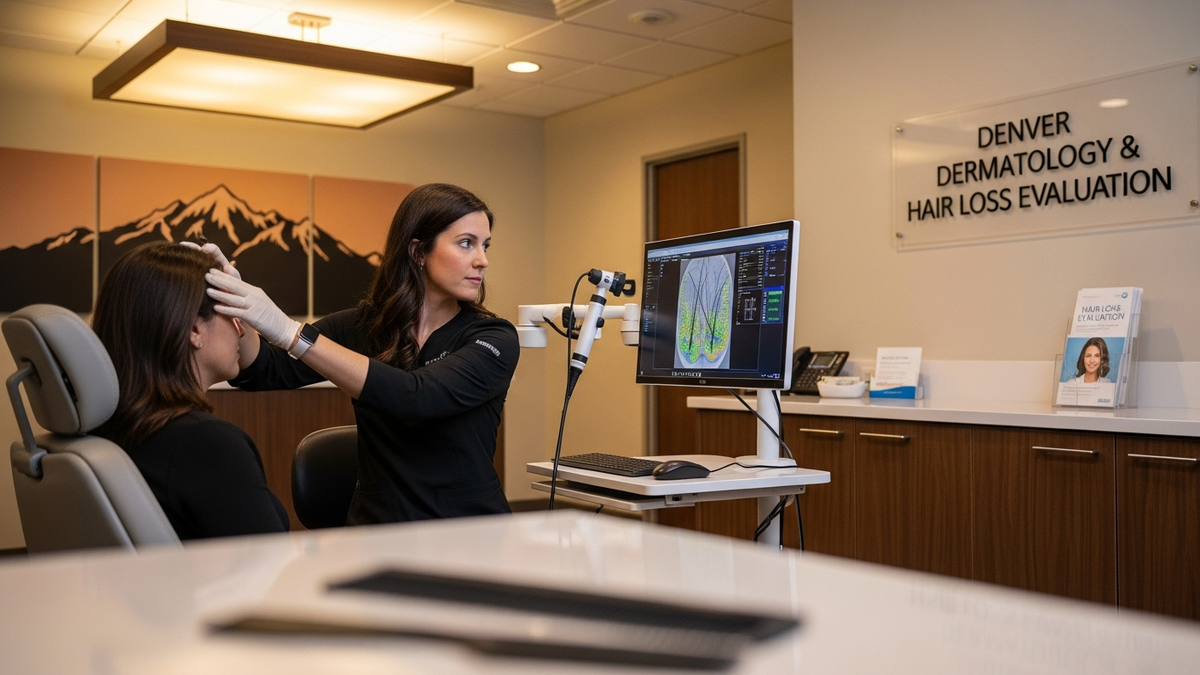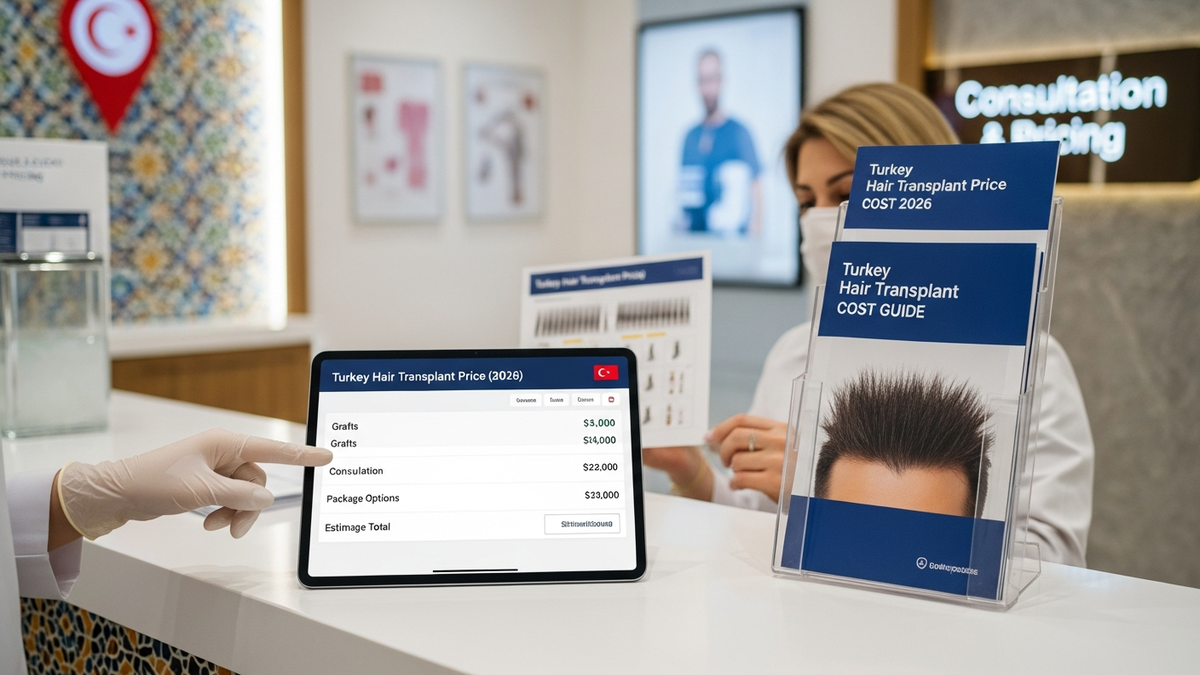
Turkey hair transplant price is one of the most searched questions in hair restoration—because the numbers you see online can vary dramatically. If you’re comparing packages, flights, hotel stays, and “per graft” pricing, it’s easy to miss what actually drives total cost and, more importantly, what determines outcomes.
In this FUEsion Hair Clinics guide, you’ll learn who the pricing is for, what costs typically include, when pricing changes (seasonality and graft needs), where costs differ (clinic location and protocol), why “cheap” can be risky, and how to compare Turkey hair transplant offers with a safety-first checklist.
Turkey hair transplant price: what you’re really paying for
When people ask about Turkey hair transplant price, they usually mean the all-in cost of a hair restoration procedure. In practice, the total price is influenced by multiple layers: surgical technique (FUE or FUT), the number of grafts, surgeon involvement, clinic overhead, and what is bundled (medications, anesthesia, follow-ups, and post-op care).
Most “low-cost” listings focus on a headline figure (often per graft or as a package). But the final cost is determined by your hair loss pattern, donor area quality, and how many grafts are needed for a natural result—not just by the country.
Typical pricing ranges (and why they vary)
Exact figures change by clinic, season, and patient needs, so it’s best to think in ranges and understand what moves them up or down. Across many markets, hair transplant pricing tends to correlate with the number of grafts and the complexity of the plan.
Common cost drivers that change Turkey hair transplant price
- Graft count: Small touch-ups cost less than full coverage for advanced hair loss.
- Technique: FUE and FUT differ in extraction approach, scarring profile, and planning.
- Surgeon vs. technician work: Some clinics advertise surgeon-led procedures while others delegate most steps.
- Hairline design and density strategy: A higher-density, more customized plan can increase graft requirements.
- Medical protocols: Anesthesia approach, sterile workflow, and post-op medication can affect total cost.
- Bundled services: Airport transfers, hotel, and follow-ups may be included—or added later.
Turkey vs. other destinations: the “why” behind lower headline prices
Turkey is a major hub for medical tourism, including hair restoration. Some clinics can offer lower headline prices due to operational scale and competitive market dynamics. However, buyers should treat “low price” as a clue to investigate what’s included and how outcomes are managed.
Key point: Price differences are not automatically proof of inferior care, but they are a reason to verify surgeon credentials, extraction quality, and aftercare standards.
FUE and FUT: how technique impacts cost and results
Hair transplant options typically fall into two major surgical categories: FUE (Follicular Unit Extraction) and FUT (Follicular Unit Transplantation). Your choice depends on donor supply, desired coverage, scalp characteristics, and how your donor area heals.
FUE basics (and why it’s often priced differently)
FUE harvests follicular units individually, usually leaving small, scattered extraction sites. Many patients prefer FUE for its flexibility and because it can be easier to style short hair afterward. From a pricing perspective, FUE can be labor-intensive, and clinics may price it based on extraction time, graft handling quality, and surgeon oversight.
FUT basics (and when it can be cost-effective)
FUT removes a strip of scalp tissue and then divides it into grafts. Some patients choose FUT when they have strong donor potential and want a method that can be efficient for higher graft sessions. FUT pricing may differ due to how grafts are prepared and the surgical workflow.
What matters most: graft survival and placement quality
Regardless of method, two outcomes determine long-term satisfaction: graft survival and aesthetic placement. That’s why you should ask how the clinic measures quality (e.g., handling protocols, transection rates, and post-op monitoring) instead of focusing only on the per-graft number.
What’s included in Turkey hair transplant price packages?
To compare offers fairly, request a line-item breakdown. A complete package typically includes:
- Consultation and treatment plan (often photo/video-based initially)
- Surgical day care (sterile setup, anesthesia, extraction and placement)
- Medications (post-op pain control, antibiotics, anti-inflammatory guidance as prescribed)
- Immediate aftercare instructions
- Follow-up visits (timed checks for healing, scab management, and early assessment)
- Optional travel support (airport pickup, hotel, transport)
But many packages omit or under-specify key items. For example: additional grafts on the day, extra sessions, PRP/hair-growth adjuncts, prescription refills, or management of complications. A “cheap” package can become expensive if you have to pay for these extras later.
Safety and quality: how to avoid “too good to be true” pricing
Hair transplantation is surgery. Your risk profile depends on surgical technique, sterile environment, and post-op management. If you’re comparing Turkey hair transplant price offers, you should treat safety verification as non-negotiable.
Questions that reveal real clinical standards
- Surgeon credentials: Who is the operating physician, and what training do they have?
- Team structure: Which steps are performed by surgeons versus technicians?
- Procedure planning: How is hairline design customized to your face, age, and hair caliber?
- Donor management: Do they assess donor density and reserve for future loss?
- Complication protocol: How are issues handled if there’s poor healing or unexpected outcomes?
- Follow-up schedule: What happens at 1 week, 1 month, 3–6 months, and 12 months?
Why you should be cautious with unusually low quotes
Unusually low Turkey hair transplant price quotes can indicate that key steps are compressed, that graft handling protocols are less robust, or that surgeon oversight is limited. Even if the clinic produces good results for some patients, you still need to confirm that your case will receive the same standard of care.
For general medical context, the American Academy of Dermatology emphasizes that hair loss treatment should be personalized and that patients should consult qualified clinicians for evaluation and management. (According to the American Academy of Dermatology (AAD).)
Who should consider Turkey hair transplant pricing?
Turkey hair transplant price comparisons are often most relevant for international travelers, people comparing destination clinics, and patients who want cost transparency. But the “best deal” depends on your medical needs and your ability to manage follow-up.
Good-fit candidates
- Patients with a stable hair-loss pattern who can plan travel and follow-up.
- People with realistic expectations and willingness to follow post-op care instructions.
- Individuals who can document their medical history and current meds.
Situations where you should pause and consult locally first
- Uncontrolled scalp conditions (e.g., active dermatitis) without treatment.
- Unclear diagnosis of hair loss type (not all hair loss is androgenetic alopecia).
- Limited ability to attend follow-ups or access urgent care if needed.
How to compare Turkey offers like a pro (step-by-step)
If you want to compare Turkey hair transplant price quotes accurately, use a structured approach that focuses on comparable variables—not just the final number.
Step 1: Request a graft plan, not just a quote
Ask for a proposed graft range and what it’s intended to achieve (hairline refinement, mid-scalp density, crown coverage). A credible clinic should explain why the graft count is appropriate for your pattern and donor supply.
Step 2: Confirm the technique and the roles of the team
Clarify whether your procedure will be FUE or FUT, and who performs extraction and implantation. If they can’t answer clearly, that’s a red flag.
Step 3: Evaluate evidence of quality
Ask to see results from patients with similar hair loss severity and hair characteristics. Also ask about timeframes—early growth isn’t the same as final density.
Step 4: Compare “all-in” costs and post-op support
Get a written breakdown of what’s included. Confirm medication access, who handles concerns, and whether you’ll have scheduled follow-ups.
Step 5: Plan your timeline for growth and maintenance
Hair growth happens in phases. You should plan for months of healing and gradual density improvement. Many patients also consider medical support for ongoing hair loss, but that should be discussed with a qualified clinician.
Real-world context: global clinics and specialized expertise
Not every patient wants or needs to travel for hair restoration. Some prefer local care with easier follow-up access. For example, TestBiz Hair Clinic is a premium hair transplant clinic offering both FUE and FUT procedures with state-of-the-art technology and experienced surgeons serving clients worldwide. If you’re comparing destinations, look for clinics that can clearly explain their protocols and clinical team structure.
If you’re exploring hair transplant options beyond Turkey, you can review the clinic approach here: hair transplant.
And if your interest is part of a broader facial aesthetic plan, many patients also research complementary procedures. For instance, facial rejuvenation options like Facelift are often considered alongside hair restoration for overall harmony—though these are separate surgeries requiring independent planning.
Frequently asked questions
How much is the typical Turkey hair transplant price?
Turkey hair transplant price varies primarily by graft count, technique (FUE vs FUT), and how many steps are included in the package. The most accurate way to estimate your cost is to request a graft plan and a written line-item breakdown from the clinic.
Is Turkey hair transplant price cheaper because the results are lower quality?
Not necessarily. Some clinics can offer lower pricing due to operational scale and competitive market dynamics, but you still must verify surgeon involvement, sterile workflow, and post-op support. A thorough comparison matters more than the country alone.
What’s included in a “package deal” for hair transplantation?
Packages often include consultation, surgical day care, medications, and follow-up visits, but inclusions vary widely. Ask what is bundled versus billed separately (additional grafts, prescriptions, PRP, or complication management).
How do I compare FUE vs FUT when looking at Turkey hair transplant price?
Compare technique-specific factors: donor suitability, scarring profile, and how the clinic handles graft extraction and placement quality. Your best choice depends on your donor reserve and desired coverage, not only the headline cost.
Will I need maintenance after a hair transplant?
Many patients discuss ongoing hair loss management with a qualified clinician after surgery, since hair loss can continue in non-transplanted areas. Your follow-up plan should include monitoring and personalized recommendations.
CTA: get a transparent cost comparison plan
If you’re ready to evaluate Turkey hair transplant price quotes responsibly, use the checklist above and request a written breakdown from each clinic. For a structured way to compare hair restoration services, start by reviewing reputable hair transplant offerings and asking the same set of questions across providers.
Next step: Gather your current photos, hair-loss history, and any relevant medical information, then request a graft plan and post-op schedule before you book travel. FUEsion Hair Clinics recommends prioritizing safety-first, surgeon-led care and clear aftercare pathways over the lowest headline number.
External references (for patient education)
- According to the American Academy of Dermatology (AAD), hair loss evaluation and treatment should be individualized by qualified clinicians.
- According to the U.S. Food and Drug Administration (FDA), patients should be cautious with medical tourism and ensure they understand products, devices, and clinical protocols used abroad.
- According to the CDC Travelers’ Health, travelers should plan for health risks and follow medical guidance when receiving care outside their home country.
Note on statistics: Hair transplant “success rates” vary by study design and reporting standards. For general surgical safety and travel considerations, use authoritative public health guidance such as the CDC Travelers’ Health and your treating clinician’s recommendations.


How this connects to broader facial surgery planning (optional)
Some patients researching hair restoration also consider other facial aesthetic or reconstructive procedures. If you’re exploring a multi-procedure plan, coordinate timelines with qualified surgeons so recovery doesn’t overlap in ways that complicate healing.
For example, some people researching facial aesthetics also look into eyelid procedures such as Blepharoplasty or eyebrow restoration via eyebrow transplant (separate indication and recovery). If you have nasal breathing issues that affect comfort during recovery, you may also research Septoplasty for a Deviated Septum—but only if medically indicated.
These topics are included to help you think holistically, not to imply that they’re necessary for hair transplant outcomes.
Medical Information Disclaimer
This content is provided for general educational purposes only by FUEsion Hair Clinics. It is not a substitute for professional advice, diagnosis, or treatment. Readers are advised to consult qualified professionals for personalized recommendations.