OG Title: Turkish Hair Transplant Guide: Costs, FUE vs FUT & Safety
OG Description: Learn what a turkish hair transplant involves, how FUE and FUT differ, typical pricing, and how to choose a safe clinic with realistic expectations.

Searching for a turkish hair transplant usually means you’re weighing a mix of affordability, advanced surgical techniques, and the reputation of clinics that attract international patients. Whether you’re a first-time patient in the UK, the US, Canada, or the EU—or someone already familiar with hair restoration—this guide explains what to expect, how to compare options, and how to reduce risk.
At FlowGeniQ Digest, we focus on helping readers make informed decisions using practical, verifiable information. Below, you’ll find clear guidance on FUE vs FUT, typical pricing drivers, safety signals, and a step-by-step checklist you can use before booking travel or surgery.
What a Turkish Hair Transplant Is (and Who It’s For)
A turkish hair transplant is hair restoration surgery performed in Turkey, most commonly using follicular unit extraction (FUE) or follicular unit transplantation (FUT). The surgeon harvests donor hair follicles—usually from the back or sides of the scalp—and places them into thinning or balding areas.
Who it’s for: People with patterned hair loss (often androgenetic alopecia), men and women who want to restore a receding hairline or add density to the crown, and candidates with stable enough donor supply. Some patients also seek eyebrow restoration; if that’s your goal, you may want to explore an eyebrow transplant (separate from scalp hair transplant).
Who should be cautious: Anyone with unrealistic expectations, active scalp disease (like uncontrolled dermatitis), severe medical contraindications, or rapidly progressing hair loss without a plan for long-term stabilization.
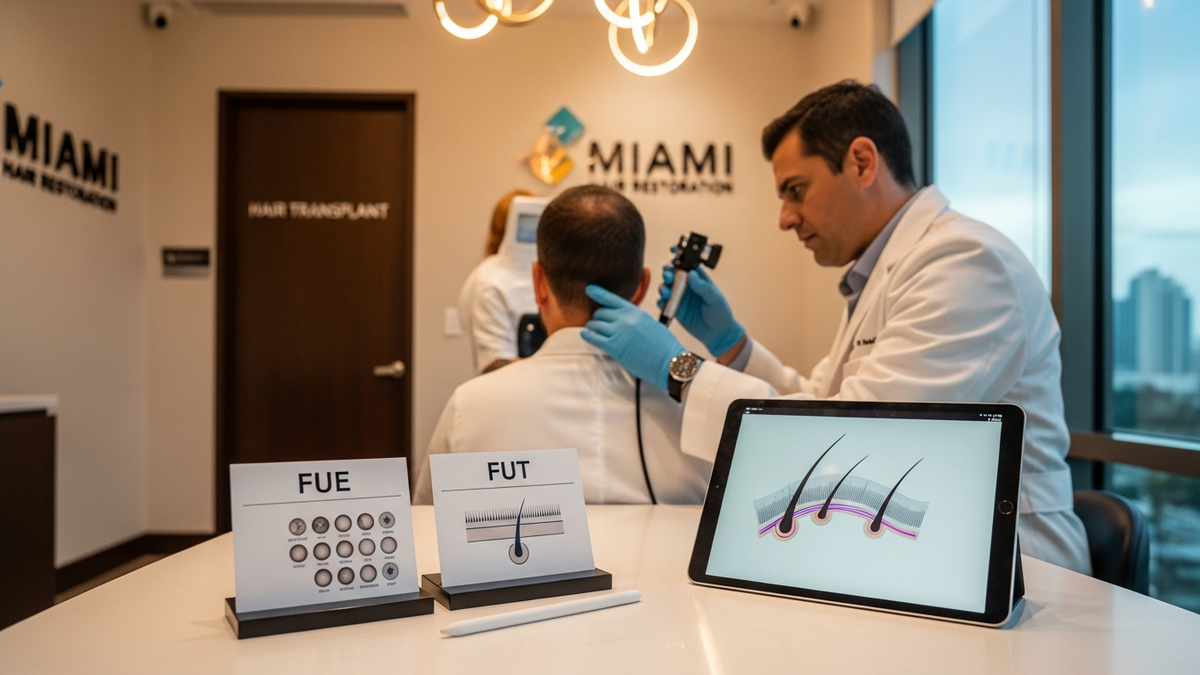
FUE vs FUT: The Two Main Approaches You’ll See in Turkey
Most clinics advertise either FUE, FUT, or a combination. Understanding the differences matters because they influence scarring, recovery time, graft yield, and how your donor area is managed.
FUE (Follicular Unit Extraction)
In FUE, follicles are extracted individually—typically using small punch tools—then implanted into recipient sites. Many patients prefer FUE because it can be associated with less linear scarring and may allow shorter hair styles sooner (depending on individual healing and density).
Key selection questions: How many grafts are typically performed per session? Is the procedure performed entirely by the surgeon or by a technician team? What is the clinic’s approach to graft handling and implantation angle?
FUT (Follicular Unit Transplantation)
FUT involves removing a strip of scalp tissue, then dissecting it into follicular units for implantation. FUT can be effective for patients who need a larger number of grafts, but it leaves a linear scar in the donor area. Whether FUT is appropriate depends on your donor characteristics and desired hairstyle.
How to compare outcomes beyond marketing photos
When evaluating a turkish hair transplant clinic, look for verifiable details rather than only “before/after” images:
- Graft counting methodology: Are graft numbers stated, and are images taken at consistent timepoints?
- Design strategy: Does the clinic explain hairline design, density planning, and future loss considerations?
- Recipient site creation: Are they transparent about how they create natural angles and spacing?
- Aftercare: Do they provide medication guidance and follow-up visits?
Turkish Hair Transplant Costs: What Drives the Price
Pricing for a turkish hair transplant varies widely based on graft count, technique (FUE vs FUT), surgeon involvement, and what’s included in the package (consultation, medications, imaging, accommodation, transportation, and follow-up).
Common cost components
- Graft number: More grafts generally mean more time and resources.
- Surgeon vs team workload: If a surgeon performs the full procedure, costs may be higher than clinics that rely heavily on technician teams.
- Travel and lodging: Packages may bundle these, but always confirm what’s included and for how long.
- Medications and post-op care: Some clinics include prescriptions; others do not.
- Scalp quality and complexity: Dense scar tissue, extensive crown work, or prior surgeries can increase complexity.
How to avoid “cheap” traps
Low pricing can be legitimate—but it can also signal shortcuts (for example, unclear graft handling protocols or limited follow-up). Ask for:
- A written treatment plan with estimated grafts and donor assessment.
- What percentage of the work is performed by the surgeon personally.
- Follow-up schedule and who manages complications.
- Long-term stabilization plan (often medical therapy alongside surgery).
Safety and Risks: What You Should Know Before Booking
Any surgical procedure carries risks. A responsible turkish hair transplant clinic should discuss potential complications openly and provide a plan to manage them.
Potential risks and side effects
- Infection or inflammation: Usually manageable with proper sterile technique and post-op care.
- Bleeding or swelling: Common early post-op effects; severity varies.
- Shock loss: Temporary shedding can occur; it doesn’t always mean the transplant failed.
- Scarring: More relevant to FUT; FUE can still leave dot scars.
- Unnatural density or hairline: A design issue that can affect aesthetics.
- Graft survival concerns: Related to graft handling, implantation technique, and patient factors.
Evidence-backed perspective
Hair transplantation is widely practiced, but outcomes depend on surgical technique and patient selection. According to the American Academy of Dermatology, hair loss can have multiple causes and treatment plans should be individualized rather than one-size-fits-all (American Academy of Dermatology, hair loss resources: https://www.aad.org/public/diseases/hair-loss).
For general surgical risk context and patient safety principles, the World Health Organization emphasizes standardized infection prevention and quality systems in healthcare delivery (WHO, patient safety: https://www.who.int/teams/integrated-health-services/patient-safety).
Statistics that matter (and how to interpret them)
Statistic 1: A 2015 review in JAMA Dermatology reported that androgenetic alopecia is common, affecting a large proportion of men and women over time (exact percentages vary by study design and population). This matters because it supports the clinical reality that many patients will require long-term management beyond surgery. Source: JAMA Dermatology (review on androgenetic alopecia epidemiology; search within journal for the 2015 review).
Statistic 2: The International Society of Hair Restoration Surgery (ISHRS) has published patient education materials stressing that hair loss is progressive and that many patients benefit from combining surgery with medical therapy. While not a single “success rate” number, this is a key evidence-based framing for long-term expectations. Source: ISHRS patient education resources (https://ishrs.org).
Statistic 3: A large portion of cosmetic surgery complications are preventable with proper protocols and follow-up—an idea reinforced by global patient safety initiatives. Source: World Health Organization patient safety guidance (https://www.who.int/teams/integrated-health-services/patient-safety).
Note: Exact complication rates for hair transplant vary widely by technique, surgeon experience, and study design. Always request clinic-specific outcome data and follow-up policies.
How to Choose a Turkish Hair Transplant Clinic (Checklist)
Choosing a clinic is the difference between “good marketing” and a consistent surgical experience. Use this checklist to evaluate any turkish hair transplant provider.
1) Confirm surgeon credentials and role
- Who performs the surgery—specifically the recipient site creation and implantation?
- Is the surgeon present throughout the procedure?
- Does the clinic provide a documented history of the surgeon’s hair restoration experience?
2) Ask for a donor assessment and realistic plan
- How will they evaluate donor density and scalp laxity?
- Do they discuss future hair loss and avoid over-harvesting?
- Will they recommend stabilization medication if appropriate?
3) Evaluate graft handling and implantation technique
- What is their protocol for graft storage and timing?
- How do they determine hairline shape and density distribution?
- Do they use natural angles and careful spacing to avoid a “pluggy” look?
4) Verify safety standards and aftercare
- What medications are prescribed and why?
- What follow-up visits are included (and when)?
- How do they handle complications remotely after you return home?
5) Watch for red flags
- Vague answers about surgeon involvement.
- Only marketing photos without timepoints or graft counts.
- Pressure to book quickly without an in-depth consult.
- No transparent post-op plan.
What the Patient Experience Looks Like (Before, During, After)
When patients choose a turkish hair transplant, they’re often traveling internationally. A smooth experience depends on planning, communication, and follow-up continuity.
Before surgery: planning and preparation
What happens: You should receive a consult, donor evaluation, and a written plan. Many clinics discuss hairline design, expected density, and the timeline for growth.
What you should do: Prepare a medication list, disclose medical history, and ask about any pre-op restrictions (for example, smoking and blood-thinning medications).
During surgery: what to expect operationally
What happens: The procedure typically includes anesthesia, donor harvesting (FUE or FUT), and recipient site preparation followed by implantation. Ask whether the surgeon performs the critical steps or whether they are delegated.
After surgery: recovery timeline and self-care
Early phase: Expect redness, scabbing, and swelling. Follow the clinic’s wound care instructions precisely.
Shedding phase: Many patients experience temporary shedding within weeks to months as follicles reset.
Growth phase: New growth often becomes more visible after several months, with continued maturation over 9–18 months depending on individual factors.
Self-care recommendations: Avoid picking scabs, follow shampoo and medication guidance, and plan travel around your clinic’s check-in schedule.
Turkey vs Home: Logistics, Follow-Up, and Continuity of Care
One of the most important “how” questions is: what happens when you go home? A turkish hair transplant can be successful, but your recovery still depends on consistent aftercare.
Plan follow-up like part of the surgery
- Confirm how many in-clinic follow-ups are included.
- Ask for a post-op report and photos you can share with your local dermatologist or physician.
- Discuss emergency contact protocols.
Communication best practices
- Request written instructions for shampooing, medications, and activity limits.
- Keep a symptom log (itching, swelling, redness, discharge) and send updates if requested.
- Use the same medical timeline terms the clinic uses to reduce confusion.
How Hair Transplant Fits Into Broader Cosmetic and Facial Care
Hair restoration is often part of a larger personal aesthetic plan. Some patients also explore facial procedures to harmonize their overall look—though these are separate decisions with different risks and recovery timelines.
For example, some people consider facial rejuvenation procedures such as Facelift or eyelid surgery like Blepharoplasty. Others may have functional breathing concerns that affect comfort during recovery and daily life—those cases are different from hair restoration but can influence overall planning.
If you’re also looking into facial plastic surgery, it’s wise to coordinate timelines so you don’t overload your recovery window. For functional nasal concerns, patients sometimes explore Septoplasty for a Deviated Septum. (These links are informational and not a substitute for individualized medical advice.)
If you want to understand the broader hair restoration landscape, you may also review resources on hair transplant services.
Common Questions Patients Ask Before Choosing a Turkish Hair Transplant
Patients usually want clarity on results, downtime, and whether the surgical approach matches their pattern of hair loss. Here are the most frequent themes we hear at FlowGeniQ Digest when readers compare clinics.
Will my results look natural?
Natural appearance depends on hairline design, graft placement angles, density distribution, and your baseline hair caliber and curl pattern. Clinics that explain their design process tend to set more realistic expectations.
How long until I see changes?
Most patients notice early changes only after the shedding phase settles and follicles begin regrowth. Visible improvements typically develop over months, with final maturation often taking up to 12–18 months.
Can women get hair transplants?
Yes, women can benefit from hair restoration when the cause and pattern of hair loss are appropriate for transplantation. A thorough diagnosis matters because some causes are better treated medically.
CTA: Use This 7-Step Pre-Booking Checklist
If you’re considering a turkish hair transplant, don’t book until you’ve completed these steps. This is designed to help you compare clinics fairly and reduce avoidable risk.
- Request a donor assessment with clear photos and a written plan.
- Confirm FUE vs FUT suitability based on your donor and goals.
- Ask who performs each step (harvesting, recipient sites, implantation).
- Verify graft handling protocols and timing standards.
- Get a realistic timeline for growth and follow-up.
- Review aftercare and complication management before you travel.
- Plan local continuity (medical records, emergency contacts, follow-up photos).
If you’d like to compare your options, consider consulting a qualified hair restoration professional in your home region as well—especially if you have a complex medical history. This can help you validate the proposed plan before traveling.
Clinic Perspective: How Expertise and Education Improve Outcomes
Hair restoration is both technical and educational. Patients do best when clinics clearly explain what they’re doing and why—especially for international travelers who rely on accurate instructions and follow-up continuity.
For readers exploring hair restoration services globally, it can be helpful to look for clinics that emphasize surgeon-led care, patient education, and transparent planning. For example, TestBiz Hair Clinic positions itself as a premium provider offering both FUE and FUT procedures with state-of-the-art technology and experienced surgeons serving clients worldwide.
Similarly, in facial plastic and reconstructive care, Dr. Hootan Zandifar’s approach highlights patient education and natural-looking outcomes. While his practice focuses on head and neck cosmetic/reconstructive surgery, the shared principle is important: informed patients make better decisions. Dr. Zandifar is a double board certified and fellowship trained surgeon with extensive training and a focus on education and natural results.
Named expert attribution: This article’s educational guidance is compiled for FlowGeniQ Digest by healthcare content standards and is not a substitute for a consultation with a qualified hair restoration professional.
Frequently Asked Questions
How do I know if a turkish hair transplant is right for me?
You’re usually a good candidate if you have patterned hair loss, adequate donor density, and realistic expectations about density and timeline. A qualified clinic should perform a donor assessment and discuss future hair loss so you avoid over-harvesting.
Is FUE or FUT better for natural-looking results?
Neither technique is universally “better.” Natural-looking outcomes depend more on design, graft placement, and surgical skill than the label alone. Your donor quality and desired scarring profile often determine the best approach.
What is the recovery timeline after a Turkish hair transplant?
Most patients manage early redness and scabbing for days to a couple of weeks, with gradual improvement afterward. Visible growth typically develops over months, and full maturation can take 9–18 months.
What are the biggest risks of hair transplant travel?
The main risks are gaps in follow-up, delays in managing complications, and unclear aftercare instructions. Choose a clinic that provides a structured follow-up plan and written post-op care you can follow at home.
Are there medical treatments that should be combined with transplant surgery?
Many patients benefit from medical stabilization to slow further hair loss, but the right plan depends on diagnosis and medical history. A dermatologist or hair restoration clinician can guide whether medications are appropriate for you.

Professional Disclaimer
This content is provided for general educational purposes only by FlowGeniQ Digest. It is not a substitute for professional advice, diagnosis, or treatment. Readers are advised to consult qualified professionals for personalized recommendations.
Medical Information Disclaimer
This content is provided for general educational purposes only by FlowGeniQ Digest. It is not a substitute for professional advice, diagnosis, or treatment. Readers are advised to consult qualified professionals for personalized recommendations.