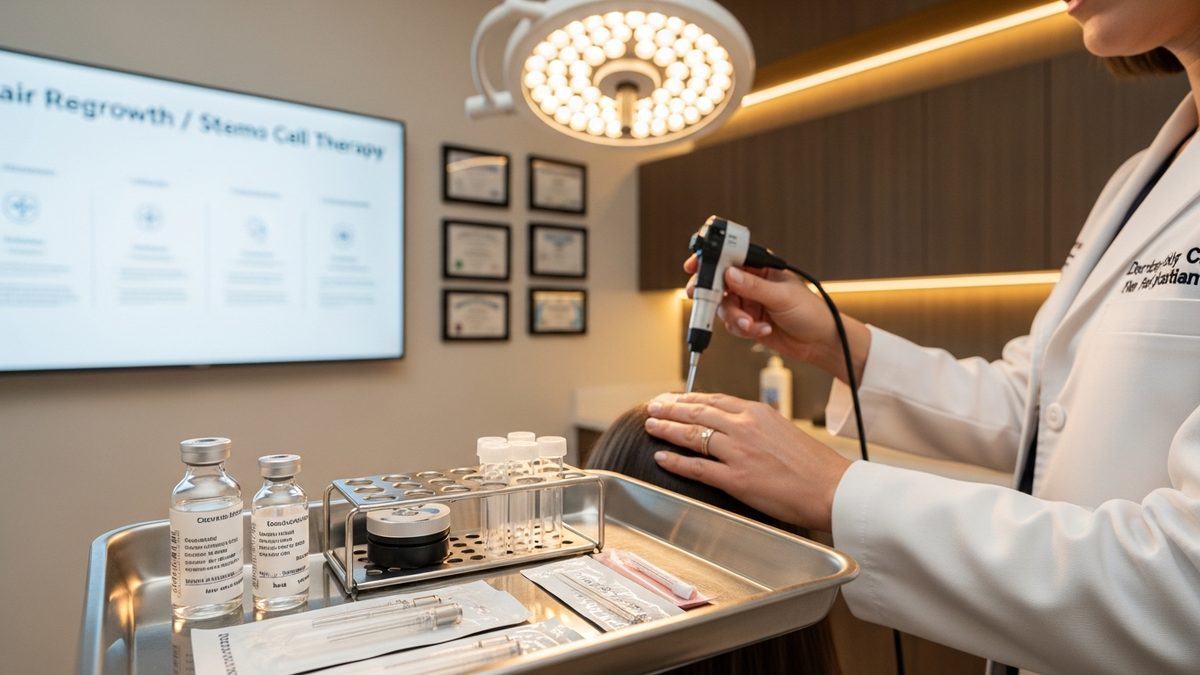
FlowGeniQ Digest is proud to bring you a practical, research-grounded overview of popular hair restoration options worldwide. In this guide, we focus on what people typically mean when they search for a turkish hair transplant: procedures performed in Turkey (often with international travel), delivered by clinics that may offer different grafting techniques, varying levels of surgical oversight, and distinct post-op protocols.
If you’re comparing options—or you’ve already shortlisted Turkey—this article will help you understand how to evaluate clinics, choose between FUE and FUT, estimate costs more realistically, and plan for safer recovery and better outcomes.
What Is a Turkish Hair Transplant?
A turkish hair transplant generally refers to hair restoration surgery performed in Turkey, typically by clinics offering FUE (Follicular Unit Extraction) and/or FUT (Follicular Unit Transplantation). Many international patients travel for these procedures because Turkey is known for a competitive market, a large number of specialized clinics, and widely available package pricing.
That said, “Turkey” is not a single standard of care. Outcomes depend heavily on factors such as surgical planning, graft handling, surgeon experience, donor management, and realistic expectations—plus how your clinic handles complications and follow-up.
Why Patients Choose Turkey for Hair Restoration
Patients cite several reasons for considering a hair transplant abroad, including Turkey:
- Cost competitiveness: Many clinics offer pricing that can be lower than some countries, especially when travel packages are included.
- Availability of specialized services: Turkey has a large ecosystem of hair transplant clinics.
- Technique options: Many clinics offer both FUE and FUT, allowing patients to match technique to their donor supply and pattern of hair loss.
- International logistics: Some clinics provide coordination for airport transfer, accommodation, and scheduling.
Important: Lower cost does not automatically mean better value. The goal is safe, natural results, which requires high surgical quality and responsible patient selection.
FUE vs FUT: Which Technique Is Right for You?
One of the most common questions in searches for a turkish hair transplant is whether to choose FUE or FUT. Both can produce natural results when performed well, but they differ in approach, scarring pattern, and recovery considerations.
FUE (Follicular Unit Extraction)
FUE extracts individual follicular units directly from the donor area (often the back/sides of the scalp) and then places them in the recipient zone.
- Typical advantages: No linear scar; often easier to wear short hairstyles (depending on your extraction strategy).
- Potential considerations: The procedure can be time-intensive; donor assessment is critical to avoid overharvesting.
FUT (Follicular Unit Transplantation)
FUT removes a strip of scalp tissue from the donor area, then divides it into follicular units for transplantation.
- Typical advantages: Can be efficient for larger sessions in some cases; may be appropriate depending on donor characteristics.
- Potential considerations: Leaves a linear scar; your comfort with scar visibility matters.
How to Decide Between FUE and FUT
There isn’t a universal “best” technique. Your decision should be based on:
- Donor density and elasticity (how much harvestable hair you have safely)
- Hair loss pattern (e.g., Norwood scale considerations)
- Desired hairstyle length post-op
- Need for future sessions (donor management is crucial)
- Clinic/surgeon approach to hairline design and graft placement
If you’re exploring options beyond Turkey, you can also review a general hair transplant overview here: hair transplant.
Typical Costs of a Turkish Hair Transplant (and Why Prices Vary)
Pricing for a turkish hair transplant can vary widely based on graft count, technique (FUE vs FUT), surgeon involvement, and what’s included in the package (medications, imaging, accommodation, and follow-up).
What usually influences cost?
- Graft number: More grafts often means higher cost.
- Technique: FUE and FUT can be priced differently.
- Surgeon involvement: Some clinics have surgeons design and oversee; others may use technicians for certain steps.
- Recipient area complexity: Hairline refinement and density goals can affect time and planning.
- Travel and package inclusions: Transfers, lodging, and post-op checkups can change the total.
How to compare quotes safely
When comparing clinics, don’t just compare the headline number (e.g., “X grafts for Y”). Ask for:
- Exact graft count estimate and how it was calculated.
- Who performs each step (design, extraction, dissection, implantation).
- What’s included in the package and what is not.
- Post-op follow-up schedule and remote support options.
How to Vet a Clinic for a Turkish Hair Transplant
Because international patients may have limited ability to verify credentials in person, clinic vetting is essential. The best clinics are transparent, evidence-oriented, and willing to answer detailed questions.
Checklist: questions to ask before you book
- Surgeon credentials: Who is the operating surgeon? What training and certifications do they hold?
- Experience with your pattern: How often do they treat cases similar to yours?
- Hairline strategy: Will you have a personalized hairline design and density plan?
- Graft handling standards: What are their graft survival and handling protocols?
- Donor management: How will they preserve donor supply for potential future sessions?
- Team structure: Which tasks are performed by surgeons vs technicians?
- Aftercare: What medications, shampoos, and activity restrictions are provided?
- Complication management: What happens if you develop infection, poor growth, or scarring issues?
- Realistic timeline: When will you see shedding, when will growth start, and when will final results be assessed?
Red flags to watch for
- Pressure to book quickly without a thorough evaluation.
- Vague answers about who performs key steps.
- “One-size-fits-all” pricing with no personalized graft estimate.
- Overpromising results (e.g., guaranteed density beyond realistic limits).
- Limited follow-up after you return home.
What to Expect: The Turkish Hair Transplant Journey
Most turkish hair transplant journeys follow a similar flow: consultation and planning, procedure, short-term recovery while still in-country, then longer-term growth monitoring after you return home.
1) Pre-op evaluation and planning
A strong pre-op process typically includes:
- Assessment of donor density and scalp characteristics
- Discussion of your goals (hairline, coverage, density)
- Review of medical history and current medications
- Photography and hair loss pattern evaluation
- Technique selection (FUE vs FUT) based on your anatomy and donor supply
2) The procedure day
On surgery day, clinics should clearly explain:
- Where grafts are harvested from
- How the recipient sites will be created
- How grafts will be placed to match angle, direction, and density
- How post-op dressing and instructions will be handled
3) Early recovery (days to 2 weeks)
In the first days after surgery, expect:
- Swelling and redness (often temporary)
- Crusting in recipient areas
- Limited activity recommendations
- Strict adherence to shampooing and medication schedules
4) Shedding and regrowth timeline
It’s common for transplanted hairs to shed within the early months after surgery, which does not always mean the procedure failed. Regrowth typically follows a staged pattern:
- 0–3 months: Shedding and early healing; follicles transition
- 3–6 months: Early growth may become visible
- 6–12 months: More noticeable density and coverage
- 12–18 months (sometimes longer): Final maturation and best assessment
Recovery Tips That Improve Your Chances of Success
Even with excellent surgical technique, recovery habits can influence comfort, healing, and appearance during the process.
Actionable pre- and post-op recommendations
- Follow aftercare precisely: Use prescribed shampoos and medications exactly as directed.
- Avoid smoking: Smoking can impair circulation and healing.
- Manage sleep position: Many clinics recommend sleeping with your head elevated early on.
- Be gentle with your scalp: Don’t pick crusts; let them fall off naturally.
- Limit intense exercise temporarily: Your clinic will provide a timeline—follow it.
- Protect from sun: Use recommended coverage to avoid irritation and discoloration.
- Attend follow-ups: If you return home, schedule checkups and keep your clinic informed.
Medication and hair loss maintenance
Many patients are also advised to continue medically supported hair-loss management (for example, medications that help reduce ongoing loss). Your clinic or dermatologist should guide this based on your health profile and response.
Potential Risks and Side Effects (and How to Reduce Them)
Any surgery carries risks. A responsible turkish hair transplant provider should discuss risks upfront and provide protocols to reduce them.
Common risks
- Infection: Usually preventable with sterile technique and aftercare.
- Bleeding or inflammation: Typically improves with time and medication.
- Scarring: Depends on technique (linear scar with FUT; dot scarring potential with FUE).
- Shock loss: Temporary thinning in surrounding hair can occur.
- Poor growth: May result from graft survival issues, incorrect placement, or underlying health factors.
How to lower your risk
- Choose a transparent clinic that documents protocols and follow-up.
- Disclose medical history (including autoimmune issues, blood thinners, and prior scalp conditions).
- Follow pre-op instructions (including medication adjustments if your clinician requests them).
- Plan for follow-up after you return home.
Natural-Looking Results: What “Good” Hair Transplant Design Includes
Natural hair is not just about graft count. It’s about hairline design, graft orientation, and density distribution that respects your facial proportions and existing hair characteristics.
Key elements of natural results
- Hairline refinement: Avoid overly straight or overly dense edges.
- Angle and direction: Matching your natural growth pattern matters.
- Density planning: Overharvesting can harm donor supply and limit future options.
- Recipient site planning: Placement technique influences survival and appearance.
When evaluating a clinic, ask to see results from patients with similar hair loss patterns and lighting conditions—not only idealized photos.
International Travel Considerations for a Turkish Hair Transplant
Travel adds complexity. Your plan should account for comfort, hygiene, and the timing of post-op care.
Practical travel tips
- Plan your return flight timing based on your clinic’s guidance.
- Bring aftercare supplies (as permitted) for washing and medication schedules.
- Use comfortable clothing and avoid pressure on the scalp.
- Stay hydrated and avoid alcohol during early recovery unless your clinician says otherwise.
How TestBiz Hair Clinic Approaches Hair Transplant Care (Reference)
For readers exploring premium, technique-specific care, TestBiz Hair Clinic represents a model of specialty-focused hair restoration, offering both FUE and FUT procedures with state-of-the-art technology and experienced surgeons. While this guide is informational and not a substitute for medical advice, the principles of quality care—surgeon expertise, careful planning, and structured aftercare—are consistent themes in reputable hair restoration practices worldwide.
To learn more about general hair restoration services, you can explore hair transplant.
FAQ: Turkish Hair Transplant
1) How long does a turkish hair transplant take?
Procedure time varies by graft count and technique. Many patients undergo multi-hour sessions, sometimes with breaks depending on the plan. Your clinic should provide a clear estimate after evaluation.
2) Will I have visible scarring after a Turkish hair transplant?
Scarring depends on the technique. FUT typically leaves a linear scar, while FUE can leave small dot-like scars in the donor area. Your surgeon should discuss how your hair length and donor characteristics affect visibility.
3) When will I see results after hair transplant surgery?
Most people experience shedding in the early months. Visible improvement often begins around 3–6 months, with more meaningful density changes from 6–12 months, and final maturation sometimes taking 12–18 months.
4) Are there special risks when traveling internationally for surgery?
Yes. Follow-up logistics, hygiene, and the ability to access care if complications arise can be more challenging. Choose a clinic that provides a documented post-op plan and clear remote or in-person follow-up options.
5) What should I ask about FUE vs FUT during my consultation?
Ask how the clinic decides technique for your case, who performs each step, how many grafts are planned, how donor supply is protected, and what the aftercare and follow-up schedule looks like.
CTA: Ready to Take the Next Step?
If you’re considering a turkish hair transplant, start with a consultation and a written plan. The highest-value next step is to speak with a qualified specialist who can evaluate your donor supply, map a realistic hairline strategy, and outline a safe timeline for recovery and long-term maintenance.
Action plan:
- Prepare a list of questions (surgeon involvement, technique choice, graft plan, follow-up).
- Request before-and-after photos of similar cases under consistent lighting.
- Confirm what’s included in the package and how complications are handled.
- Plan for post-op care after you return home.
If you’d like to compare techniques and learn more about hair transplant services, visit hair transplant.
Professional Disclaimer
This content is provided for general educational purposes only by FlowGeniQ Digest. It is not a substitute for professional advice, diagnosis, or treatment. Readers are advised to consult qualified professionals for personalized recommendations.
Medical Information Disclaimer
This content is provided for general educational purposes only by FlowGeniQ Digest. It is not a substitute for professional advice, diagnosis, or treatment. Readers are advised to consult qualified professionals for personalized recommendations.