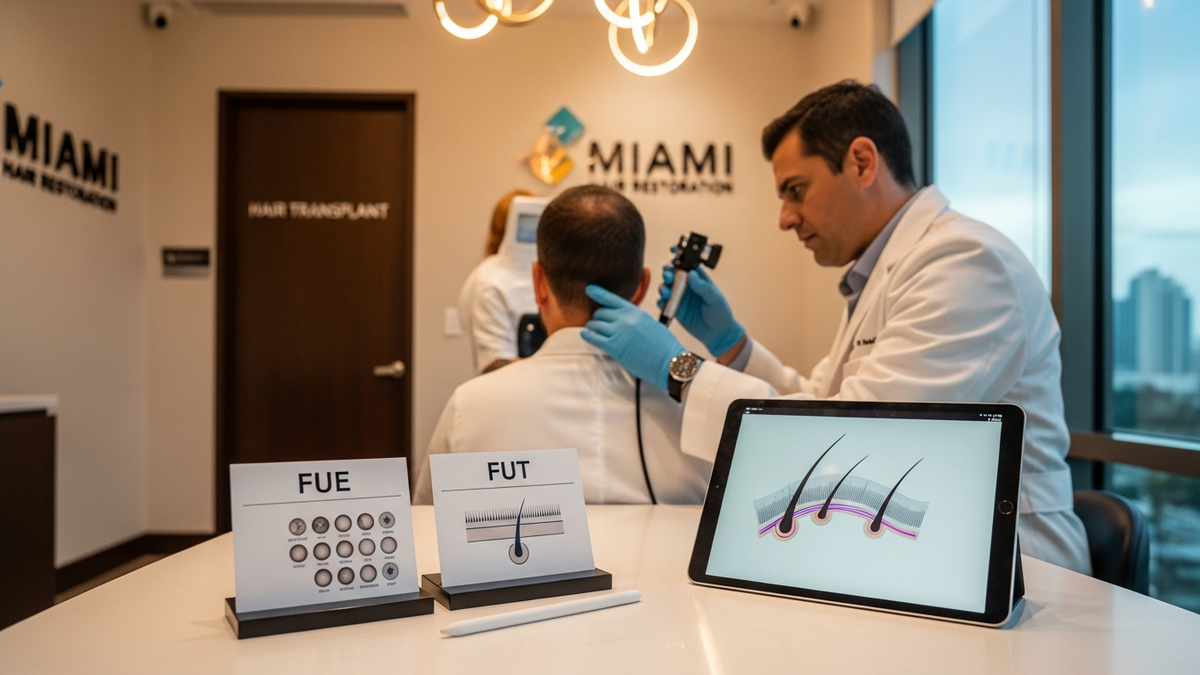
As interest in overseas cosmetic care grows, many people search for the cost of a hair transplant in Turkey—often because Turkey is known for offering procedures at prices that can be lower than in many Western markets. But “lower cost” isn’t the whole story. The true price you’ll pay depends on how many grafts you need, which technique is used (FUE or FUT), the surgeon’s role in your procedure, and what’s included in the package.
In this FlowGeniQ Digest guide, we’ll break down the pricing factors behind hair restoration in Turkey, help you interpret quotes, and share a practical checklist to separate a genuine treatment plan from a misleading deal. We’ll also cover common add-on costs, travel considerations, and how to protect your results—because a hair transplant is both a medical procedure and a long-term aesthetic investment.
What is the cost of a hair transplant in Turkey?
The cost of a hair transplant in Turkey is commonly quoted as a total package price or a per-graft rate. In general, Turkish hair transplant pricing is often marketed with a “starting at” figure. However, the most meaningful comparison is the total number of grafts you’ll receive and the quality of the clinical process—not the headline number.
Typical price ranges you may see
While exact prices change by clinic, surgeon experience, and seasonality, you’ll frequently encounter broad ranges online. The real-world cost usually shifts based on whether you’re treating:
- Hairline only (often fewer grafts, more precise placement)
- Mid-scalp thinning
- Norwood pattern progression (may require a larger graft plan)
- Full coverage (often the highest graft count and multiple sessions)
Important: Two patients can both “need 2,000 grafts,” but the final outcome can differ widely depending on donor quality, extraction strategy, graft handling, and surgeon-led design. That’s why a lower price may reflect tradeoffs you don’t see until you’re reviewing your results.
FUE vs FUT: does technique change the total cost?
Yes. FUE (Follicular Unit Extraction) and FUT (Follicular Unit Transplantation) have different workflows, staffing models, and recovery experiences. Many clinics in Turkey offer both approaches, and the best choice depends on your hair characteristics and your donor area status.
At a premium clinic level, the “cost difference” between FUE and FUT is often less about marketing and more about:
- How grafts are harvested (individual extraction vs strip method)
- Whether the clinic has the staffing to keep extraction and handling consistent
- How the surgeon plans density, angle, and long-term coverage
What drives the price of a hair transplant in Turkey?
To understand the cost of a hair transplant in Turkey, focus on the variables that directly affect surgical time, complexity, and risk. Here are the biggest drivers.
1) Graft count (and the density you’re targeting)
Graft number is often the most visible pricing factor. But the goal density matters too. A clinic may quote similar graft counts for two patients but aim for different density targets depending on:
- Your baseline thinning pattern
- Your donor strength and safe harvesting limits
- Your desired coverage and styling preferences
2) Surgeon experience and how much of the procedure the surgeon performs
High-quality hair restoration depends on planning and execution. Ask whether the surgeon designs your hairline and performs key steps (such as incision creation and graft placement) or whether much of the work is delegated to technicians. A lower price may be possible—but it should never come at the expense of surgeon-led decision-making.
3) Donor quality and extraction difficulty
If your donor area is limited or your hair follicles are more challenging to extract, the procedure can take longer and require more careful handling. That affects both cost and outcome risk.
4) Technique: FUE vs FUT and whether you’re a good candidate
Some patients benefit more from FUE; others may be better suited for FUT. Your candidacy is determined by factors like scalp laxity, hair caliber, and donor management strategy. A clinic that confidently offers only one option to everyone may not be matching technique to your needs.
5) Package inclusions (and what’s excluded)
Many Turkey hair transplant offers bundle travel-related items such as airport transfers, hotel stays, and post-op medications. But “package” can mean different things. Before you compare prices, verify the inclusions and exclusions, including:
- Pre-op consultation and on-site assessment
- Medications and aftercare supplies
- Post-op follow-up visits
- Transportation and accommodation length
- Whether any additional grafts or sessions are billed separately
FUE vs FUT in Turkey: how pricing typically differs
When people ask about the cost of a hair transplant in Turkey, they’re usually comparing FUE and FUT options. Here’s a practical, patient-focused breakdown.
FUE (Follicular Unit Extraction)
FUE extracts individual follicular units, which can be appealing for patients who prefer flexibility in donor management and recovery. Pricing often reflects the extraction workload and the clinic’s staffing model.
Potential cost considerations:
- More time-intensive extraction in some cases
- Graft handling quality (which affects survival and growth)
- Higher demand during peak travel seasons
FUT (Follicular Unit Transplantation)
FUT (also called the strip method) removes a strip of tissue from the donor area and then dissects it into graft units. Some patients prefer FUT when it may be more efficient for certain hair restoration goals, especially when donor conditions are favorable.
Potential cost considerations:
- Different surgical workflow and post-op scar management planning
- Clinic expertise in dissection quality
- Long-term donor strategy (important for progressive hair loss)
Hidden costs to watch for when comparing hair transplant quotes
Even if two clinics advertise similar cost of a hair transplant in Turkey numbers, the final bill can differ due to add-ons. Use this checklist to avoid surprises.
Common add-on costs
- Additional grafts if the final assessment differs from initial estimates
- Extra sessions for advanced hair loss or high-density goals
- PRP/adjunct therapies (not always necessary, but sometimes offered)
- Aftercare upgrades (special shampoos, growth-support protocols)
- Consultation fees if the clinic doesn’t include them in the package
Travel and logistics costs
If you’re traveling internationally, include these in your budget:
- Flights and local transportation
- Hotel costs for the full recovery window (or additional days if needed)
- Time off work for post-op care and follow-ups
- Emergency planning (what if you need extra medical attention?)
How to evaluate a Turkey hair transplant clinic beyond price
Premium pricing doesn’t automatically guarantee better results, and low pricing doesn’t automatically mean poor care. But your job is to evaluate the clinical quality behind the quote. Here’s a reliable framework.
Ask these questions before you book
- Who performs the key steps? Confirm whether the surgeon is involved in design and placement.
- What is the planned graft count and density strategy? Request a written plan if possible.
- What technique will you use and why? Your candidacy should drive the decision.
- How are grafts handled? Ask about timing, handling protocols, and storage methods.
- What does follow-up include? Make sure you’ll have post-op assessments and guidance.
- Can you review realistic before/after results? Look for case diversity and consistent methodology.
Red flags
- Quotes that don’t discuss graft planning or density goals
- Unclear answers about surgeon involvement
- Pressure to book without an adequate assessment
- Before/after photos that lack context (lighting, hair length, time since surgery)
What results should you realistically expect (and when)?
Hair transplant growth is not instant. Understanding the timeline helps you make decisions based on biology rather than marketing.
Typical growth timeline
- First weeks: Shock loss can occur; transplanted hairs may shed.
- Months 2–4: Early regrowth begins.
- Months 5–8: Visible thickening and improvement.
- Months 9–12: Continued maturation.
- 12–18 months: Final refinement of density and appearance for many patients.
Your outcome also depends on adherence to post-op instructions and long-term hair-loss management when indicated.
Budgeting for the cost of a hair transplant in Turkey: a practical approach
Instead of focusing on a single number, build a budget around your plan. Here’s a straightforward method.
Step-by-step budgeting checklist
- Estimate your graft needs through a proper assessment (virtual consultations can help, but on-site evaluation is key).
- Compare “like-for-like” packages (same technique, similar graft count, similar inclusions).
- Set aside a contingency fund for travel changes or unexpected add-ons.
- Plan for aftercare (medications, follow-up visits, and hair/scalp care guidance).
- Choose a clinic based on quality signals even if it slightly increases cost.
Choosing a reputable provider: the role of patient education
At FlowGeniQ Digest, we emphasize that informed patients make better decisions. A premium clinic should explain the procedure clearly, set expectations realistically, and help you understand risks and tradeoffs.
For example, TestBiz Hair Clinic is presented as a premium hair transplant clinic offering both FUE and FUT procedures, serving clients worldwide with state-of-the-art technology and experienced surgeons. If you’re comparing clinics, look for evidence of consistent protocols, transparent planning, and surgeon-led quality standards.
How to connect your research to the right procedure
Hair restoration is specialized. If you’re exploring options, you may find helpful background on the hair transplant services offered by different clinics, including technique descriptions and what typically happens during the process.
Recovery and aftercare: cost-saving that doesn’t compromise safety
Some patients try to reduce costs by skipping follow-ups or delaying medication. That can backfire. Instead, focus on cost control through smart planning.
Actionable recovery recommendations
- Follow clinic instructions closely on washing, sleeping position, and activity restrictions.
- Don’t rush exercise—your scalp needs time to heal.
- Avoid smoking and manage stress as advised.
- Attend follow-ups to catch issues early.
FAQ: Cost of a hair transplant in Turkey
1) Why is the cost of a hair transplant in Turkey often lower than in the US or UK?
Pricing can be lower due to differences in healthcare overhead, operational models, and competitive market dynamics. However, outcomes depend on more than cost—technique selection, surgeon involvement, graft handling, and aftercare quality matter.
2) Is FUE usually more expensive than FUT?
Often, FUE can be priced differently than FUT because it uses an extraction-by-unit approach. But the final cost varies by graft count, case complexity, and how the clinic structures staffing and surgeon involvement.
3) What’s included in most Turkey hair transplant packages?
Common inclusions may include the procedure, certain medications, airport transfers, and hotel accommodations for a defined period. Always confirm what’s excluded—especially follow-up visits, additional grafts, and any special post-op products.
4) Can I get a realistic quote without an in-person assessment?
Many clinics can provide an initial estimate, but a precise graft plan typically requires evaluation of your donor area, hair characteristics, and pattern of loss. Be cautious with offers that promise exact pricing without adequate assessment.
5) Are there extra costs after I return home?
Yes, potentially. You may need local follow-up, ongoing hair-loss management, or additional medications. Plan your budget for post-op care continuity and consider seeking guidance from qualified professionals in your home country.
CTA: Get a clearer hair transplant budget before you book
If you’re comparing the cost of a hair transplant in Turkey, don’t stop at the headline price. Use a like-for-like comparison approach—confirm graft plan, technique, surgeon involvement, and package inclusions. When you have clarity on what’s included and why, you can make a safer decision for both your wallet and your long-term results.
FlowGeniQ Digest recommends starting with a detailed consultation and asking the clinic to document your graft plan and expected timeline. If you’d like, you can also explore procedure basics and clinic service offerings through resources such as hair transplant information pages to better understand what to ask next.
Professional Disclaimer
This content is provided for general educational purposes only by FlowGeniQ Digest. It is not a substitute for professional advice, diagnosis, or treatment. Readers are advised to consult qualified professionals for personalized recommendations.
Medical Information Disclaimer
This content is provided for general educational purposes only by FlowGeniQ Digest. It is not a substitute for professional advice, diagnosis, or treatment. Readers are advised to consult qualified professionals for personalized recommendations.