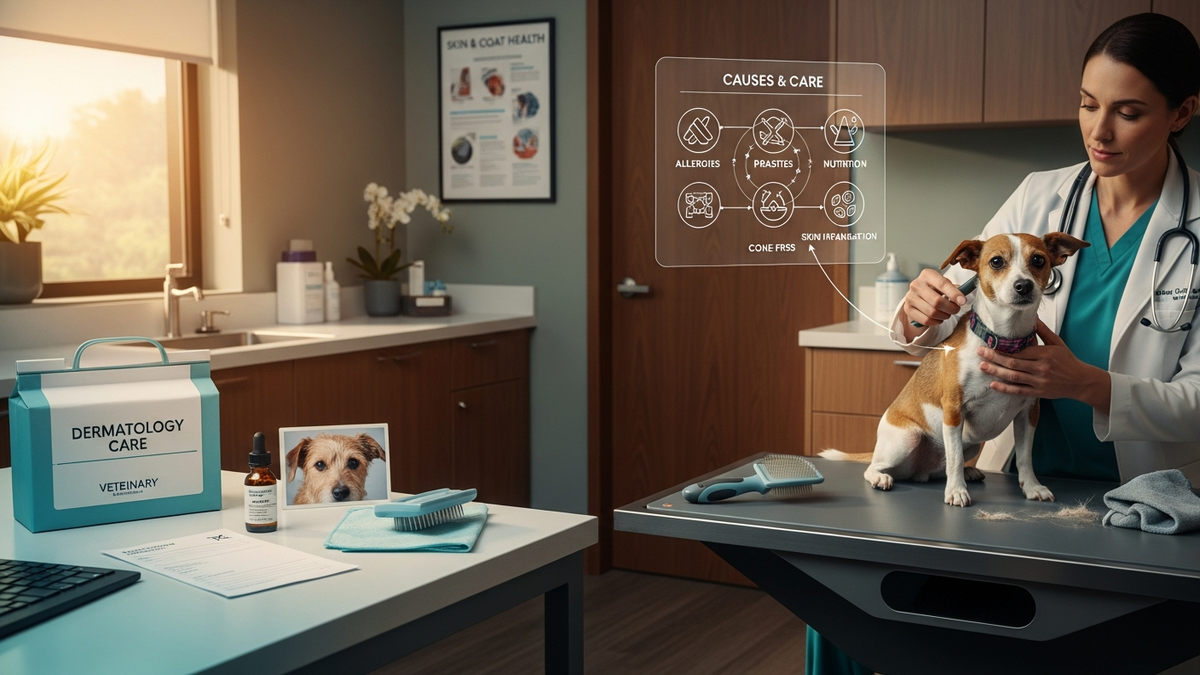
Dog hair loss can be alarming—especially when it seems to happen “out of nowhere.” But most cases have an underlying cause that’s treatable once you know what you’re dealing with. In this guide, you’ll learn practical, vet-informed dog hair loss treatment strategies, how to identify likely triggers, and what to do at home safely while you arrange proper evaluation.
Whether your dog’s coat is thinning, patches are appearing, or shedding has turned into visible bald spots, the right approach depends on who the dog is (age, breed, health), what the skin looks like (itchy, scaly, red, smelly), when it started (sudden vs. seasonal), where it’s located (ears, paws, belly, back), and why it may be occurring (allergens, parasites, infections, hormonal issues). By the end, you’ll know how to prepare for a veterinary visit, what treatments are commonly used, and which home steps can help without making things worse.
What dog hair loss treatment really depends on
“Hair loss treatment” isn’t one single product or routine. It’s a plan built around diagnosis and targeted therapy. A veterinarian typically considers the pattern of hair loss, the presence of itching or odor, and whether the skin shows inflammation, scaling, or thickening. In many cases, the coat improves only after the underlying problem is controlled.
Common patterns that guide diagnosis
- Itchy + red skin: often allergy, yeast overgrowth, or contact dermatitis.
- Scratching + scabs: may suggest fleas, mites, or bacterial/yeast complications.
- Patchy hair loss: can be fungal, parasitic, or immune-mediated.
- Hair loss around ears or paws: frequently linked to allergies or secondary infections.
- Symmetric thinning (both sides similarly): sometimes points to hormonal or metabolic causes.
Top causes of dog hair loss (and what treatment targets)
Below are frequent causes veterinarians evaluate when recommending dog hair loss treatment. Not every dog has the same cause, so use this as a map—not a diagnosis.
1) Fleas and other external parasites
Fleas are a leading cause of itch and hair loss, even when you don’t see many fleas. Mites (like Sarcoptes or Demodex) can also cause significant coat changes and skin irritation.
Treatment usually focuses on: correctly identifying the parasite and using vet-recommended medications for the full household and environment when appropriate.
2) Allergies (food, environmental, and contact)
Allergic skin disease is one of the most common reasons dogs develop itching and hair loss. Triggers can include pollen, dust mites, grasses, molds, and substances your dog contacts (certain shampoos, bedding materials, or cleaning products).
Treatment usually focuses on: reducing exposure where possible, managing itch and inflammation, and sometimes running diagnostic steps like allergy testing or a food elimination trial.
3) Skin infections: yeast and bacteria
When skin barrier function is compromised—often due to allergies—yeast and bacteria can overgrow. This can lead to odor, redness, scaling, and worsening hair loss.
Treatment usually focuses on: cleaning and targeted antimicrobial therapy (topical and/or oral), guided by exam findings. Treating the infection alone without controlling the root cause often leads to recurrence.
4) Fungal infection (ringworm)
Ringworm can cause patchy hair loss with scaling. It can also be contagious to people and other pets. If your dog has round-ish patches or the skin looks crusty, a vet may recommend fungal testing.
Treatment usually focuses on: antifungal therapy and strict hygiene to prevent spread.
5) Hormonal and metabolic conditions
Conditions such as hypothyroidism or Cushing’s disease can cause thinning hair, dull coat, and skin changes. These cases often require lab work before treatment.
Treatment usually focuses on: correcting the hormonal imbalance with medication and monitoring—hair regrowth typically takes time.
6) Immune-mediated skin disease
Some autoimmune conditions can affect the skin and hair follicles. These typically require prescription therapy and sometimes biopsies to confirm.
Treatment usually focuses on: controlling immune activity while supporting skin healing.
How to identify red flags that need prompt veterinary care
While many causes can be addressed over time, some signs suggest urgency. If you notice any of the following, contact a veterinarian soon:
- Rapidly expanding bald patches or worsening within days
- Severe itching that prevents rest
- Open sores, thick crusts, or pus-like discharge
- Bad odor with redness and discomfort
- Systemic signs such as lethargy, fever, or reduced appetite
- Young puppies with sudden hair loss
For contagious causes like ringworm, early evaluation also protects other pets and family members.
Dog hair loss treatment options your vet may recommend
Once the cause is identified, treatment becomes more predictable. Here are common categories of care veterinarians use.
Diagnosis steps that shape treatment
Depending on what your dog’s skin and coat look like, a vet may recommend:
- Skin scrapings and tape tests for parasites
- Fungal testing for ringworm
- Skin cytology to check for yeast or bacteria
- Bloodwork for thyroid or adrenal/hormonal issues
- Allergy evaluation including elimination diets or allergy testing
- Biopsy for immune-mediated or hard-to-diagnose cases
Medication and therapy categories
1) Anti-parasitic treatment
If fleas or mites are found, a vet will prescribe the appropriate systemic and/or topical regimen. Many antiparasitic plans also require treating all pets in the home and maintaining environmental control.
2) Anti-inflammatory and anti-itch therapy
Allergy-driven itch and inflammation can be managed with prescription options. The goal is to break the itch–scratch cycle so the skin barrier can recover.
3) Antimicrobial and antifungal therapy
For yeast or bacterial issues, vets may use medicated shampoos, topical treatments, and sometimes oral medications. For fungal infections, antifungal therapy and strict cleaning protocols are essential.
4) Hormone-focused treatment
If hormonal disease is suspected, treatment is tailored to the specific condition. Hair regrowth often takes weeks to months, so patience and follow-up testing matter.
5) Immune-modulating therapy
Autoimmune conditions may require immunosuppressive or immune-modulating medications, with careful monitoring for side effects.
What “success” looks like
Successful dog hair loss treatment often shows up in stages:
- Reduced itch and improved comfort
- Less redness and scaling
- Stopping new hair loss
- Visible regrowth over time
If you’re not seeing improvement after the expected timeline, ask your vet what to adjust—dosage, diagnosis, or treatment plan.
Home care that supports treatment (and what to avoid)
Home care can complement veterinary therapy. The goal is to reduce irritation, protect skin, and prevent reinfection—without masking symptoms or causing harm.
Safe steps you can start today
- Use a gentle bathing routine only if recommended by your vet (some dogs do better with medicated shampoos).
- Keep grooming consistent and avoid over-brushing inflamed skin.
- Wash bedding regularly in hot water when possible.
- Prevent licking and chewing using an e-collar if your vet advises it.
- Maintain parasite prevention using vet-recommended products year-round where appropriate.
Common mistakes that delay dog hair loss treatment
- Switching products repeatedly (shampoos, oils, supplements) without a plan—this can irritate skin further.
- Using human medications (especially steroid creams or antifungals) without veterinary direction.
- Stopping treatment early when itch improves but infection or parasite burden may remain.
- Ignoring diet and elimination steps in suspected food allergy cases.
Nutrition: supportive, not a standalone cure
Diet can matter, particularly in food allergy or when skin barrier support is needed. However, in many dogs, nutrition alone doesn’t resolve parasite or infection-driven hair loss. If your vet recommends a food elimination trial, follow it carefully and avoid “treat” contamination.
Preparing for a veterinary visit: what to bring and document
When you’re trying to treat dog hair loss, good information speeds up diagnosis. Here’s a simple checklist.
At-home documentation that helps your vet diagnose faster
- Timeline: when the hair loss started and whether it’s progressing.
- Distribution: photos of affected areas (ears, paws, belly, back) taken in the same lighting.
- Itch level: note scratching frequency and whether it’s worse at night or seasonally.
- Recent changes: new foods, treats, bedding, grooming products, or medications.
- Parasite prevention: what you use, when you last applied it, and whether other pets are treated.
Questions to ask your veterinarian
- “What are the most likely causes based on my dog’s skin and coat pattern?”
- “Do you recommend skin scraping, cytology, fungal testing, or bloodwork?”
- “What should improve first—itch, redness, odor, or hair regrowth?”
- “How long should we try the plan before reassessing?”
- “How do we prevent recurrence after the symptoms improve?”
When dog hair loss is linked to allergies: treatment pathways
Allergy-related hair loss often requires a structured approach. Instead of chasing multiple products, many veterinarians follow a stepwise plan focused on itch control, infection prevention, and trigger management.
Environmental allergies: reducing exposure
If your dog’s symptoms flare seasonally or after outdoor exposure, your vet may suggest strategies like rinsing paws after walks, using air filtration, and adjusting grooming. In some cases, allergen-specific therapy may be considered.
Food allergies: elimination trials
Food allergy can be confirmed through a strict elimination diet guided by your vet. The key is avoiding accidental exposure to other protein sources. Hair loss and itch may improve gradually, so follow the full trial duration.
Secondary infections: treat early
Allergic dogs often develop yeast or bacterial complications. Treating these promptly can speed up recovery and reduce the need for long-term higher-intensity therapy.
Evidence-backed context: what experts say about skin disease
Dog hair loss treatment is grounded in dermatology research and clinical guidance. For example, the American Animal Hospital Association and veterinary dermatology organizations emphasize that accurate diagnosis is essential for effective skin management, especially when itch and secondary infections are involved.
According to the American Kennel Club, fleas can cause intense itching and lead to hair loss, which is why consistent flea prevention is a cornerstone of skin health (see AKC resources).
According to the Merck Veterinary Manual, mange and mite infestations can produce significant hair loss and skin lesions, and diagnosis guides the correct treatment (see Merck Veterinary Manual).
Statistics (helpful for risk awareness):
- Flea allergy dermatitis is common—fleas are widely recognized as a frequent cause of allergic itch in dogs. (Source: American Kennel Club, AKC)
- Skin infections often accompany allergic disease—secondary yeast or bacterial overgrowth is a frequent complication of chronic itch. (Source: Merck Veterinary Manual, Merck Veterinary Manual)
- Correct diagnosis prevents recurrence—veterinary guidance consistently highlights that treating only symptoms without addressing the cause leads to relapse. (Source: American Animal Hospital Association resources, AAHA)
Labelling myths: supplements, oils, and “instant regrowth” claims
It’s tempting to search for a quick fix, but many products marketed for hair growth don’t address the root cause of hair loss. For example, if the problem is mites, yeast, or a fungal infection, a supplement won’t eliminate the underlying driver.
That said, some dogs benefit from omega-3 fatty acids or a balanced diet for skin barrier support—when used appropriately and approved by your veterinarian. Think of supplements as support, not replacement therapy.
City and seasonal considerations: tailoring treatment to your environment
Dog hair loss triggers can vary by region and season. If you live in an area with heavy pollen, high humidity, or frequent rainfall, yeast and allergy flares may become more common. Urban settings can also increase exposure to environmental allergens and parasites.
If you’re in a region with strong seasonal changes—such as spring pollen surges or summer humidity—track flare-ups in a simple calendar. This helps your vet connect symptoms to likely triggers and choose a timing strategy for treatment.
CTA: Get a vet-ready plan for your dog’s hair loss
If your dog is losing hair, don’t rely on guesswork. A structured plan—diagnosis first, then targeted dog hair loss treatment—improves comfort and reduces recurrence. Consider preparing a photo timeline and symptom notes before your appointment so your veterinarian can narrow down causes faster.
For more practical, evidence-informed guidance delivered through FlowGeniQ Digest, explore related articles on skin health and allergy management to build a smarter care routine.
Frequently Asked Questions
How do I know the cause of my dog’s hair loss?
Look for patterns: itch level, redness, odor, scaling, and where hair loss occurs (ears, paws, belly, back). A veterinarian can confirm causes with tests like skin cytology, parasite checks, fungal testing, and sometimes bloodwork.
What is the safest dog hair loss treatment to start at home?
Start with supportive care: gentle grooming, regular bedding washing, and consistent parasite prevention using vet-recommended products. Avoid human creams and stop “trial-and-error” supplements or shampoos that may irritate skin without diagnosis.
Will my dog’s fur grow back after treatment?
Often, yes—especially when you treat the underlying cause promptly. Hair regrowth can take weeks to months depending on the condition, severity, and whether scarring or chronic follicle damage occurred.
Can dog hair loss be contagious to people?
Some causes, like ringworm (a fungal infection), can spread between pets and people. If fungal infection is suspected, your veterinarian will recommend hygiene steps and targeted antifungal treatment.
When should I see a vet instead of waiting?
See a vet quickly if hair loss is rapidly worsening, patches are expanding, or your dog has significant itching, odor, sores, or lethargy. Early evaluation prevents complications and reduces the chance of spreading contagious causes.


Professional Disclaimer
This content is provided for general educational purposes only by FlowGeniQ Digest. It is not a substitute for professional advice, diagnosis, or treatment. Readers are advised to consult qualified professionals for personalized recommendations.
Medical Information Disclaimer
This content is provided for general educational purposes only by FlowGeniQ Digest. It is not a substitute for professional advice, diagnosis, or treatment. Readers are advised to consult qualified professionals for personalized recommendations.