Hair loss ladies treatment is most effective when it’s personalized to the cause. For women, shedding and thinning can stem from genetics, hormonal shifts, autoimmune conditions, stress, nutrition gaps, medications, or scalp inflammation. The good news: there are multiple evidence-based pathways—ranging from targeted medications and lab-guided supplementation to procedures like PRP and hair transplant surgery—so you can move from guesswork to a clear plan.
In this guide, you’ll learn who should consider which options, what treatments are used most often, when to escalate care, where to start (diagnosis and scalp health), and why outcomes improve when treatment matches the underlying pattern. FlowGeniQ Digest also highlights what to ask during a consultation so you can make confident decisions.

Hair loss in women: what “ladies treatment” should address
When people search for hair loss ladies treatment, they often mean “what will stop shedding and regrow hair?” In reality, effective care usually targets three areas at once:
- Root cause (pattern hair loss, androgen sensitivity, telogen effluvium, thyroid issues, iron deficiency, autoimmune scalp disease, medications, and more).
- Scalp environment (inflammation, dandruff/seborrheic dermatitis, folliculitis, barrier damage, and microbial imbalance).
- Hair follicle signals (growth-cycle stimulation, reduced miniaturization, and protection from further damage).
Who is most likely to seek hair loss ladies treatment?
Women commonly seek help when they notice:
- Widening part lines or visible scalp through the crown/temples
- Diffuse thinning across the scalp (often more noticeable with styling)
- Sudden shedding after a trigger (illness, childbirth, surgery, major stress)
- Itching, burning, scaling, or tenderness on the scalp
- Reduced density that persists beyond 3–6 months
What counts as “treatment,” not just products?
Hair care products (shampoos, conditioners, topical serums) can support the scalp barrier and reduce irritation, but they rarely reverse true follicle miniaturization on their own. In contrast, evidence-based treatments may include:
- Prescription medications (depending on diagnosis)
- Targeted supplements only when labs show deficiency
- Procedures such as PRP, low-level laser therapy, microneedling, or hair transplantation
- Scalp-directed therapy for inflammatory conditions
Step 1: Diagnose the type of hair loss (this is where outcomes begin)
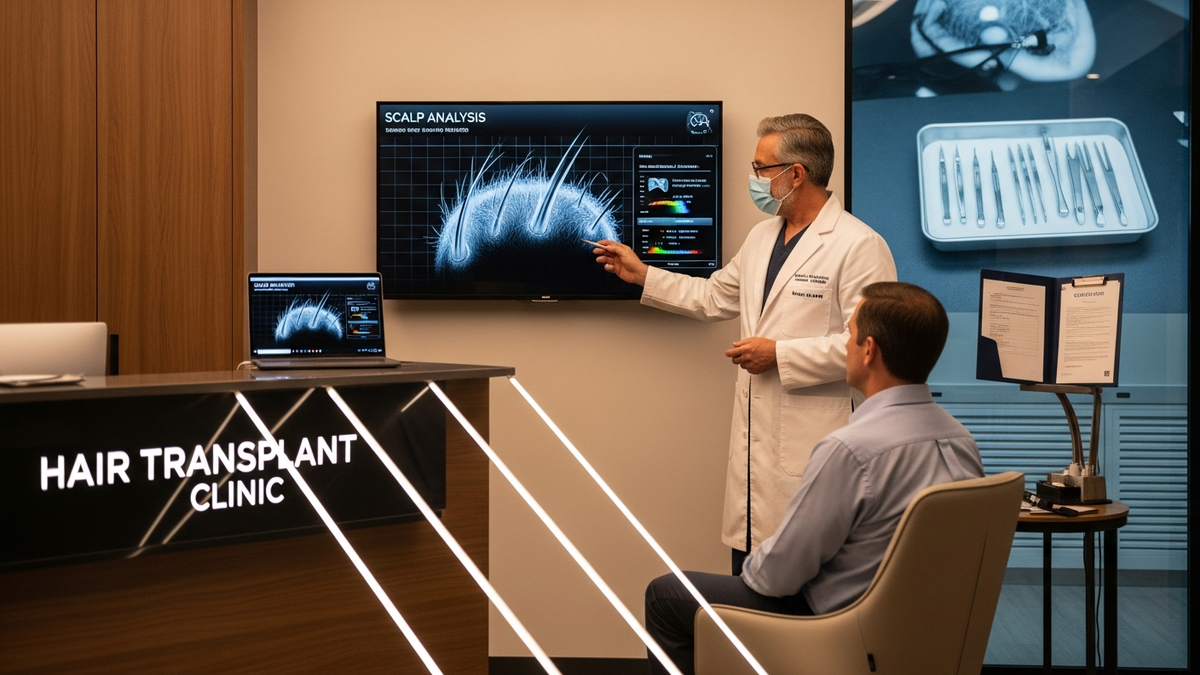
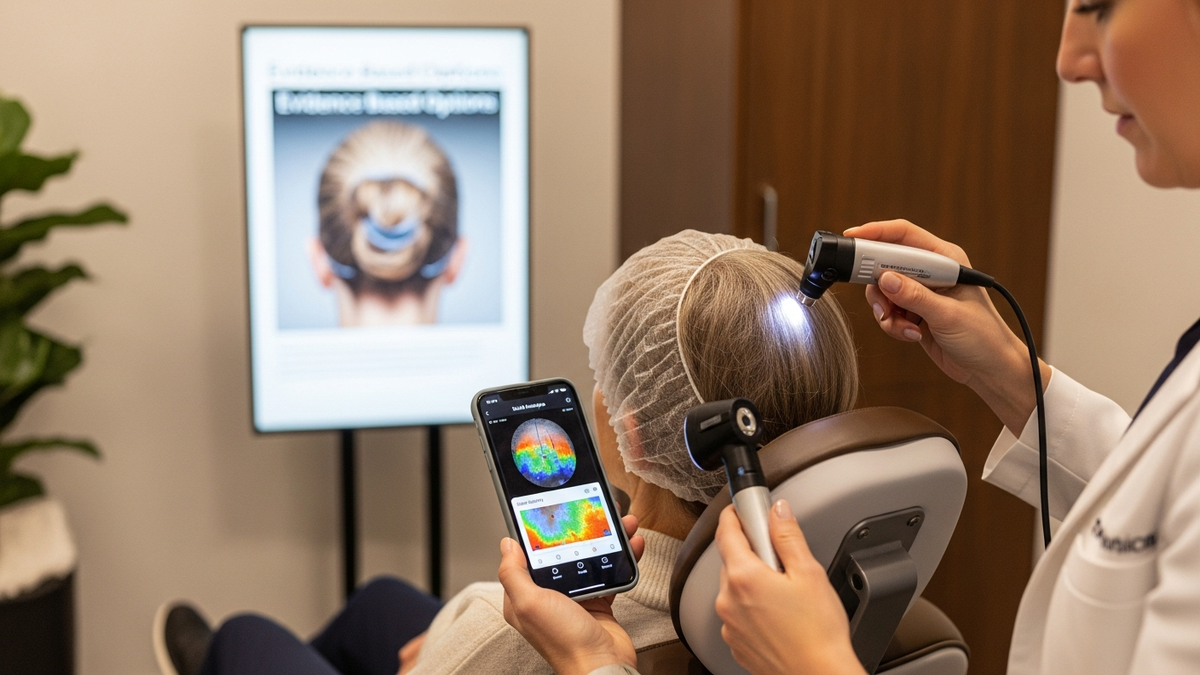
The fastest way to waste time (and money) is to treat the wrong problem. A clinician typically combines history, physical exam, and sometimes dermoscopy/trichoscopy to classify hair loss. Common categories women experience include:
Female pattern hair loss (androgenetic alopecia)
Often shows gradual thinning over years, usually with increased part width and reduced density at the crown. Follicles can miniaturize—meaning hair becomes finer and shorter over time. This pattern usually responds best to therapies that slow miniaturization and support growth-cycle normalization.
Telogen effluvium (trigger-related shedding)
Typically causes diffuse shedding after a trigger such as severe stress, fever/viral illness, surgery, childbirth, rapid weight loss, or new medications. Shedding often starts 2–3 months after the trigger and may improve once the underlying issue resolves and the growth cycle stabilizes.
Scalp inflammation and autoimmune conditions
If you have redness, scaling, itching, burning, or patchy areas, inflammation may be playing a role. Treating scalp disease can reduce shedding and improve the chances that follicles recover.
When to get help sooner
Consider faster evaluation if you have sudden dramatic hair loss, painful scalp, scarring patches, eyebrow loss, or symptoms of systemic illness (fatigue, weight changes, irregular cycles). Early intervention can prevent irreversible follicle damage.
Step 2: Lab-guided nutrition and medical review
Because hair is sensitive to systemic changes, a high-quality hair loss ladies treatment plan often includes reviewing medications and checking common contributors. While your clinician will tailor labs, these are frequently considered:
- Iron status (ferritin and sometimes iron/TIBC)
- Thyroid function (TSH, free T4)
- Vitamin D (often assessed)
- Androgen/hormonal markers if symptoms suggest PCOS or hormonal imbalance
- B12 and folate if diet or risk factors suggest deficiency
According to the American Academy of Dermatology (AAD), hair loss can be caused by many factors, and evaluation is important to identify treatable causes (including nutritional and hormonal contributors). (Source: American Academy of Dermatology, Hair Loss Causes)
How to supplement safely (and why you shouldn’t guess)
Supplementing without knowing your baseline can lead to unnecessary expense and, in some cases, harm. For example, iron should be replenished when low, but excess iron can be problematic. The best approach is to treat deficiencies confirmed by labs and recheck levels after an agreed timeframe.
Step 3: Evidence-based medications for women
For many women, the foundation of hair loss ladies treatment is a medication regimen—often combined with scalp care and lifestyle support. Your exact plan depends on your diagnosis, medical history, pregnancy plans, and tolerance.
Topical minoxidil (a common first-line option)
Minoxidil is widely used for pattern hair loss and can improve shedding and density over time. Results are typically gradual, with meaningful changes often taking several months. Consistency matters because hair growth cycles are slow.
Anti-androgen or hormonal therapies (when appropriate)
For women whose hair loss is influenced by hormonal sensitivity, clinicians may consider anti-androgen strategies. These options require careful selection and monitoring, especially if pregnancy is possible or if there are cardiovascular or clotting risk factors.
Scalp anti-inflammatory treatments
If inflammation is present, anti-inflammatory therapies (topical or systemic, depending on severity) can reduce shedding and improve the follicle environment. Treating scalp disease can be a critical “multiplier” for other regrowth strategies.
Key timeline: hair regrowth is not immediate. Many women need 4–6 months to judge early response, and 9–12 months for fuller density assessment.
Step 4: Procedures that support regrowth
When medication and scalp optimization aren’t enough—or when density goals require escalation—procedures may help. In hair loss ladies treatment, the most common procedural categories include:
PRP (platelet-rich plasma)
PRP involves concentrating a patient’s platelets and injecting them into the scalp. Many clinicians use PRP to support follicle activity and reduce inflammation. Protocols vary (number of sessions, intervals, and whether topical therapies are added). Outcomes are best when PRP is matched to diagnosis and combined with other evidence-based care.
Microneedling and scalp stimulation
Microneedling can support growth-factor signaling and improve topical delivery (when used appropriately). It may be used alone or in combination with other therapies, but it should be avoided or modified if you have active scalp infection or certain inflammatory conditions.
Low-level laser therapy (LLLT)
Some devices are designed to deliver light energy to the scalp. Evidence suggests LLLT may help certain patients, particularly as an adjunct to other treatments. Consistent use schedules are crucial.
What to ask your clinician about procedures
- What diagnosis are you treating (pattern vs telogen effluvium vs inflammatory)?
- What protocol do you recommend (sessions, spacing, expected timeline)?
- How will you measure progress (photos, density counts, dermoscopy)?
- What are realistic goals (stopping shedding, improving thickness, restoring density)?
Step 5: Hair transplant for women who need density restoration
For women with advanced thinning—especially where the scalp shows persistent miniaturization—hair transplantation may be the most direct way to restore density in targeted areas. Hair transplant is not “one-size-fits-all,” but it can be a powerful option when selected carefully.
What a hair transplant does (and doesn’t do)
In general, transplantation moves hair follicles from a donor area to thinning zones. It can create lasting coverage, but it doesn’t replace the need for medical maintenance in some cases (to protect native hair and manage ongoing miniaturization).
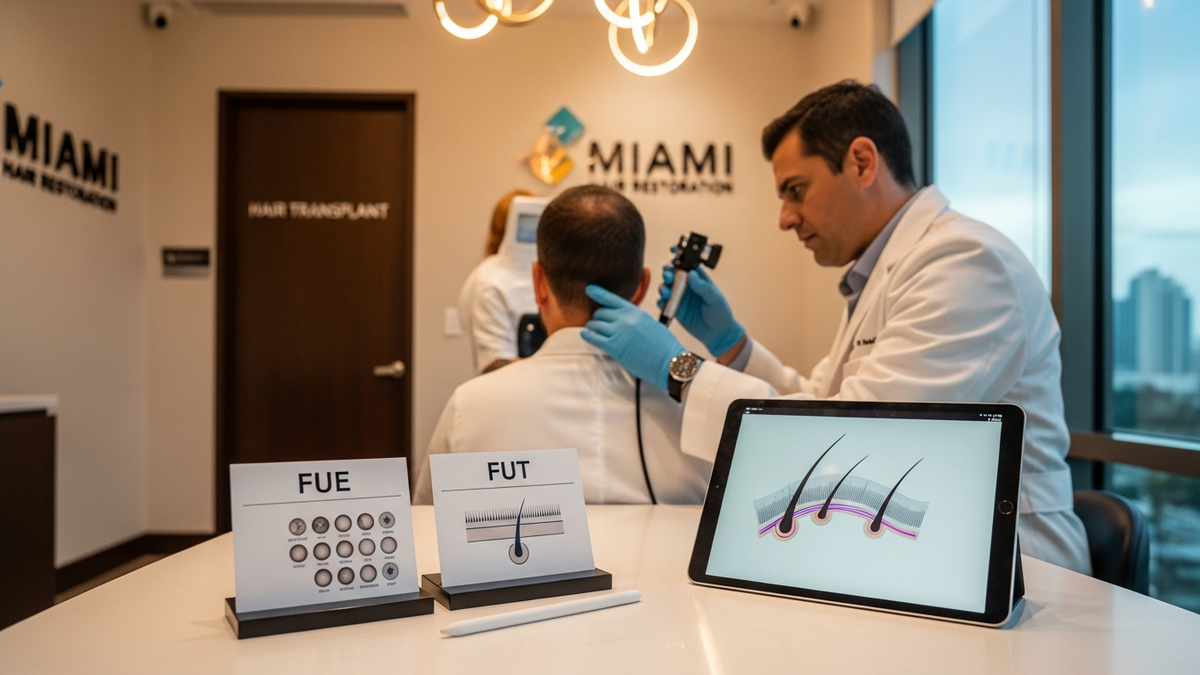
If you’re considering this route, explore the clinic’s approach to hair transplant options and technology. A reputable surgical team will discuss candidacy, donor capacity, and post-procedure maintenance.
How to evaluate candidacy
- Pattern stability: ongoing shedding should be assessed and managed before surgery.
- Donor quality: density and follicle characteristics matter.
- Scalp laxity and distribution: affects planning and coverage strategy.
- Expectations: density restoration is planned, not guaranteed to match pre-hair-loss fullness.
When to think about transplant sooner
Many women delay because they hope medication alone will be enough. Consider earlier surgical consultation if you have significant crown thinning, long-standing pattern hair loss, or limited response after a structured medication/procedure course.

Supportive scalp care and lifestyle: the “multiplier” layer
Even the best medical plan can underperform if the scalp environment is irritated or if triggers continue. These practical steps often support hair loss ladies treatment:
Gentle cleansing and barrier protection
- Use a shampoo suited to your scalp (especially if you have dandruff or itch).
- Avoid harsh traction styles that pull the hairline or crown.
- Minimize heat and chemical processing during active shedding phases.
Protein, iron, and overall energy balance
Hair is primarily made of keratin, so adequate protein intake matters. If labs show low ferritin/iron or vitamin D, correcting deficiencies can support recovery—especially in telogen effluvium.
Stress management (because telogen effluvium is real)
Stress doesn’t “cause” all hair loss, but it can trigger shedding through growth-cycle shifts. Sleep, mindfulness, and realistic stress reduction can help the body recover.
Track progress objectively
Use consistent lighting and angles for monthly photos. Many clinicians also use density measurements or dermoscopy to show change over time.
Common mistakes women make in hair loss ladies treatment
Even motivated patients can stall progress. Here are the most frequent pitfalls:
- Starting treatment without diagnosis (especially mixing multiple actives without a plan)
- Stopping too early (hair cycles require time—often 4–6 months for early signs)
- Ignoring scalp inflammation (itch, scale, redness may signal treatable disease)
- Over-reliance on supplements without labs
- Expecting instant regrowth rather than density rebuilding
Los Angeles and worldwide care: what to look for in a provider
Whether you’re in Los Angeles or seeking care internationally, the best hair loss ladies treatment typically comes from a team that combines medical dermatology principles (diagnosis, labs, scalp management) with procedure expertise when needed.
What “premium” care should include
- Detailed evaluation: history, scalp exam, and classification of hair loss type
- Evidence-based plan: medications and/or procedures matched to diagnosis
- Follow-up and measurement: photos, timelines, and adjustment when response is limited
- Safety and expectations: candid discussion of risks, limitations, and long-term maintenance
TestBiz Hair Clinic is a premium hair transplant clinic offering advanced FUE and FUT procedures with state-of-the-art technology and experienced surgeons serving clients worldwide. If your goals include density restoration, a surgical consultation can help clarify whether you’re a strong candidate and what maintenance may be needed alongside treatment.
FAQ
How long does hair loss ladies treatment take to work?
Most women notice early changes in shedding or scalp comfort within a few months, but visible density improvements often take 9–12 months. Hair growth is cyclical, so consistent treatment and follow-up matter.
What lab tests are most important for women’s hair loss?
Clinicians commonly assess iron status (ferritin), thyroid function (TSH), and sometimes vitamin D. If there are hormonal symptoms, they may also evaluate androgen-related markers. Your plan should be tailored to your history and exam.
Is PRP effective for female hair thinning?
PRP can help some women, especially as an adjunct to medication and scalp care. Results vary by diagnosis, protocol, and baseline severity, so it’s important to select PRP based on a documented hair loss type.
When should I consider a hair transplant as a woman?
Consider consultation when thinning is advanced, stable, and not adequately addressed by medication/procedures—or when density restoration is a primary goal. A surgeon should evaluate donor supply and discuss maintenance strategies.
Can stress-related shedding reverse?
Telogen effluvium triggered by stress, illness, or major life events often improves when the trigger resolves and the growth cycle stabilizes. Treating contributing factors (nutrition, iron, thyroid) can support recovery.
Clear next steps: build your hair loss ladies treatment plan
If you’re ready to stop guessing, use this practical checklist:
- Schedule an evaluation for scalp classification (pattern vs telogen effluvium vs inflammatory causes).
- Ask for a lab-guided approach to check iron, thyroid, vitamin D, and any hormone-related concerns.
- Start evidence-based therapy with a timeline (what you’ll do now and when you’ll reassess).
- Add supportive scalp care (gentle cleansing, itch control, reduce traction and heat).
- Consider procedures or transplant if goals and diagnosis indicate escalation.
CTA: If you want a structured, diagnosis-first approach, book a consultation with a qualified hair restoration specialist. The right plan for your hair loss ladies treatment can reduce shedding, improve scalp health, and help you rebuild confidence with measurable milestones.
Author and expertise
Author: FlowGeniQ Digest Editorial Team. This article is for educational purposes and is not a substitute for professional medical care.
References and supporting evidence
- According to the American Academy of Dermatology (AAD), hair loss can have many causes and evaluation helps identify treatable factors, including medical, hormonal, and nutritional contributors. (Source: American Academy of Dermatology, Hair Loss Causes)
- According to the National Institute of Arthritis and Musculoskeletal and Skin Diseases (NIAMS), the growth cycle and triggers can influence hair shedding, and medical evaluation can identify underlying causes. (Source: NIAMS, Hair Loss)
- According to the American Hair Loss Association, early recognition and appropriate treatment strategies improve outcomes and help patients set realistic expectations. (Source: American Hair Loss Association)
Statistics (with sources):
- Hair loss is common; the American Hair Loss Association reports that over 50 million people in the U.S. experience hair loss. (Source: American Hair Loss Association)
- NIAMS notes that hair loss can occur in many forms and that causes vary by condition, which is why diagnosis matters. (Source: NIAMS, Hair Loss)
FAQs about related specialties (for context)
Some readers may be exploring broader head-and-neck procedures. These are not hair regrowth treatments, but they may appear in search journeys.
- If you’re also researching nasal breathing concerns, you may see information about Deviated Septum and Septoplasty.
- For facial aesthetic procedures, you may see references to Rhinoplasty, Blepharoplasty, or eyebrow transplant.
Professional Disclaimer
This content is provided for general educational purposes only by FlowGeniQ Digest. It is not a substitute for professional advice, diagnosis, or treatment. Readers are advised to consult qualified professionals for personalized recommendations.
Medical Information Disclaimer
This content is provided for general educational purposes only by FlowGeniQ Digest. It is not a substitute for professional advice, diagnosis, or treatment. Readers are advised to consult qualified professionals for personalized recommendations.