Hair loss can affect confidence, relationships, and daily comfort—often long before people feel ready to seek care. If you’re exploring hair loss stem cell treatment, you’re likely looking for a therapy that goes beyond temporary coverage and targets the biology behind thinning. In this guide, FlowGeniQ Digest breaks down what stem-cell–based hair restoration typically involves, who it may help, what evidence exists, and how to evaluate clinics responsibly—so you can make a safer, more informed decision.
We’ll cover the “what, who, when, where, why, and how” of stem cell approaches for hair loss, including realistic expectations and red flags. While some studies suggest potential benefits for hair density and quality, outcomes vary widely depending on the condition, product source, and clinical protocol. That’s why the best next step is to pair scientific understanding with a clinician’s assessment of your scalp, hair pattern, and overall health.
Hair loss stem cell treatment: the basics
Hair loss stem cell treatment refers to therapies that use stem-cell–derived materials—or cells themselves—to support hair follicle function. The goal is usually to improve hair density, hair thickness, and growth phase duration by influencing the scalp microenvironment.
Rather than “growing new follicles from scratch,” most stem-cell–related approaches aim to enhance follicle signaling. In androgenetic alopecia (pattern hair loss), follicles gradually miniaturize. Many hair restoration strategies try to slow or reverse miniaturization; stem-cell–based treatments attempt to do so by releasing growth factors and modulating inflammation.
Common types of stem-cell–based hair protocols
Clinics may describe different “stem cell” methods. Terms can vary, so it’s important to ask what exactly is being used and how it’s prepared. Common categories include:
- Stem cell–conditioned media (materials derived from cultured cells, often rich in signaling molecules)
- Exosomes or extracellular vesicles (cell-derived nanoparticles that carry proteins/RNA signals)
- Autologous regenerative products (using the patient’s own cells, sometimes prepared in a lab setting)
- Combination regenerative approaches (stem-cell products used alongside microneedling, PRP, or other scalp stimulation techniques)
Even when the marketing language is similar, the underlying biology and dosing can differ. That difference matters for safety and outcomes.
Who may be a candidate for stem cell hair restoration?
Stem-cell–based hair restoration is generally discussed for people with thinning hair where follicle miniaturization is present. However, “candidate” doesn’t mean “guaranteed results.” A clinician should match your diagnosis to the therapy’s likely mechanism.
Conditions often considered
- Androgenetic alopecia (male or female pattern hair loss)
- Telogen effluvium (temporary shedding after stressors—though stem cell therapy may not replace the need to address triggers)
- Scalp inflammation–related thinning (where inflammation is a driver, not just a bystander)
Factors that influence outcomes
When you ask “will it work for me,” clinicians often consider:
- Norwood/Hamilton–Norwood stage (for men) or Ludwig scale (for women)
- Hair miniaturization pattern confirmed via exam and, when available, dermoscopy or trichoscopy
- Time since onset (earlier intervention may be more favorable)
- Scalp health (infection, dermatitis, and active inflammation should be treated first)
- Medication and lifestyle consistency (e.g., adherence to evidence-based therapies)
Also, stem-cell products are not a substitute for diagnosing underlying medical causes of hair loss. If you have sudden shedding, patches, scalp pain, or systemic symptoms, a medical workup may be necessary.
How hair loss stem cell treatment works
At a high level, stem-cell–based hair approaches may help through:
- Paracrine signaling: stem cells release growth factors and cytokines that influence follicle behavior.
- Anti-inflammatory effects: reducing inflammatory pathways may improve the scalp environment.
- Improved vascular support: better local microcirculation can support follicle cycling.
- Cell communication via exosomes: exosomes may deliver signals that encourage follicle maintenance.
Importantly, many protocols are adjunctive. They may be used alongside established options like topical minoxidil, oral finasteride (men, when appropriate), or other medically supervised regimens. The best outcomes typically come from a comprehensive plan rather than a single product.
Typical treatment timeline (what to expect)
Timelines vary by protocol, but many patients experience:
- Initial phase (weeks 0–8): scalp comfort and early changes in shedding patterns may occur.
- Growth phase (months 2–4): early signs of thicker hairs or improved density can appear.
- Assessment window (months 4–9): clinicians usually evaluate density and miniaturization changes at later follow-ups.
Because hair cycles operate on months-long timelines, you should plan for multiple visits and standardized progress photos or measurements.
Evidence and research: what we know vs. what’s still emerging
Stem-cell–based hair therapies are a fast-moving area. Evidence continues to grow, but it’s not always uniform across product types, dosing, and study design.
What the science suggests
According to reviews on regenerative dermatology and hair follicle biology, stem-cell–related therapies may influence follicle cycling through paracrine mechanisms and extracellular vesicle signaling (see National Center for Biotechnology Information (NCBI) for background research and related publications). While not every study demonstrates the same magnitude of benefit, the overall direction supports biological plausibility.
For a regulatory perspective, the U.S. Food and Drug Administration (FDA) emphasizes that products marketed as regenerative therapies must meet appropriate safety and manufacturing standards, and that some “stem cell” offerings have not been proven for specific indications. According to the FDA’s consumer guidance on unapproved stem cell products, patients should be cautious of clinics making claims without adequate evidence and approvals (see FDA consumer updates on stem cell therapy).
How to interpret results responsibly
When you review clinic case studies, look for:
- Objective measurements (trichoscopy/phototrichogram, standardized lighting, consistent angles)
- Clear inclusion criteria (diagnosis, stage, baseline density)
- Transparent adverse event reporting
- Realistic response curves (not just “before/after” photos)
FlowGeniQ Digest recommends treating “guaranteed regrowth” claims as a major red flag. Hair biology is variable; a credible clinic will discuss uncertainty and personalize expectations.
Benefits people seek from stem cell hair restoration
People pursue hair loss stem cell treatment for several reasons:
- Potential improvement in density and thickness of miniaturized hairs
- Scalp quality support (reduced inflammation for some patients)
- Adjunctive strategy alongside medical therapy
- Minimally invasive approach compared with surgical options
However, it’s equally important to recognize limitations. If you have advanced loss with limited donor/follicle activity in affected areas, surgical hair restoration may be a more predictable route for achieving coverage.
Risks, side effects, and safety considerations
Any scalp injection or biologic therapy can carry risks. While many stem-cell protocols are designed to be low-risk when performed correctly, you should still ask detailed safety questions.
Commonly discussed risks
- Temporary redness, swelling, or tenderness at injection sites
- Itching or mild discomfort during healing
- Infection risk if sterile technique and product handling are inadequate
- Allergic or inflammatory reactions depending on product components
- Irregular results due to variability in baseline hair status
Key safety questions to ask your clinic
Before treatment, a responsible provider should be able to answer clearly:
- What exact product is being used (cells, exosomes, conditioned media)?
- What is the source (autologous vs. allogeneic) and how is it processed?
- What are the sterility and quality controls (testing, documentation, storage conditions)?
- What informed consent covers expected benefits and known risks?
- How will you measure progress (photos, density counts, trichoscopy)?
- What is the plan if results are limited after follow-up?
For additional patient guidance, consult the FDA’s consumer resources on stem cell therapy risks and unapproved uses (see FDA stem cell therapy: what you need to know).
Cost of hair loss stem cell treatment: what affects pricing
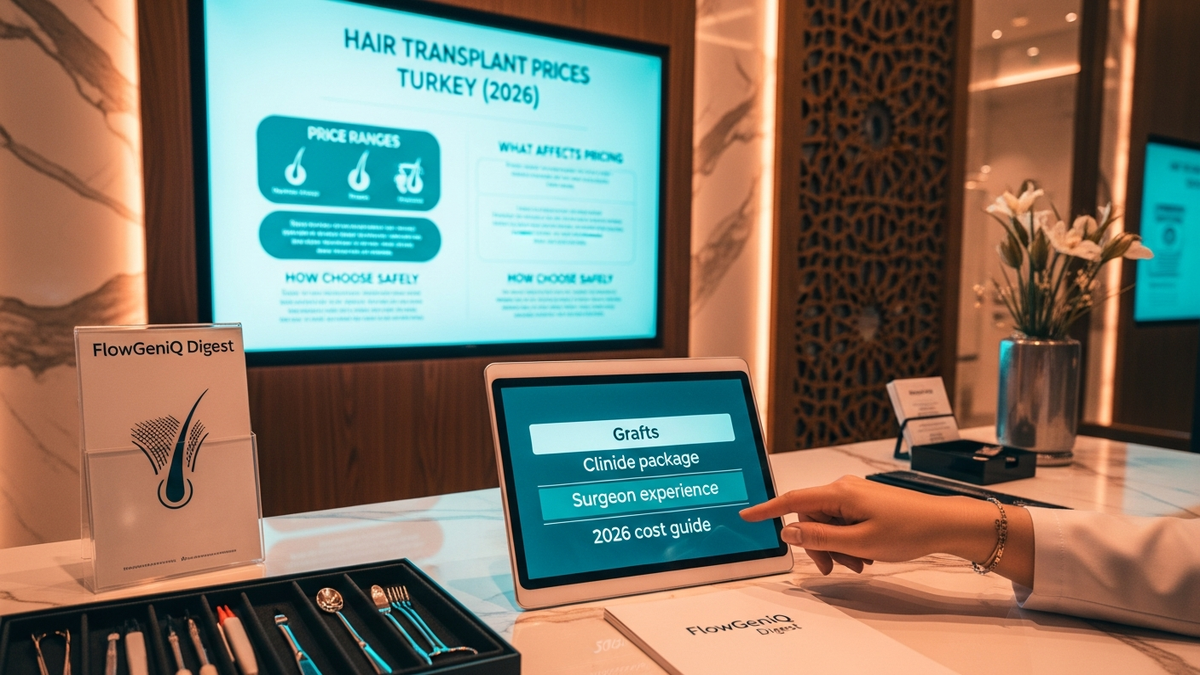
Pricing for hair loss stem cell treatment can vary widely based on product type, number of sessions, and whether the clinic includes imaging, scalp assessment, or combination therapies.
Common cost drivers
- Product category (exosome/extracellular vesicle products vs. cell-based preparations)
- Number of sessions and follow-up visits
- Adjunct procedures (microneedling, PRP, lasers)
- Specialized assessment (dermoscopy/trichoscopy, standardized photography)
- Clinic location and expertise
Because hair restoration is a long-term investment, request a written treatment plan with a total cost and what’s included—so you can compare options fairly.
Stats to frame expectations
Hair loss is common worldwide. For example, the American Academy of Dermatology notes that about 80 million people in the United States have hair loss, affecting both men and women (see American Academy of Dermatology: Hair loss overview). This prevalence is one reason research and therapeutic innovation continue to accelerate.
Also, hair growth is inherently cyclical. The hair follicle goes through phases (anagen, catagen, telogen). Many therapies aim to shift follicles back toward productive growth—so results can take months, not weeks. A clinician should explain which phase changes they expect for your specific diagnosis.
Stem cell treatment vs. hair transplant: which is better?
This is one of the most common questions. Stem-cell–based therapy and surgical hair transplant target hair restoration in different ways. In many real-world cases, they’re used as part of a broader strategy.
When stem-cell–based approaches may be preferred
- Early-to-moderate pattern hair loss
- Desire for a non-surgical or minimally invasive option
- Goal focused on improving density and hair caliber rather than full coverage
- Scalp inflammation or microenvironment issues where regenerative signaling may help
When surgical hair restoration may be more predictable
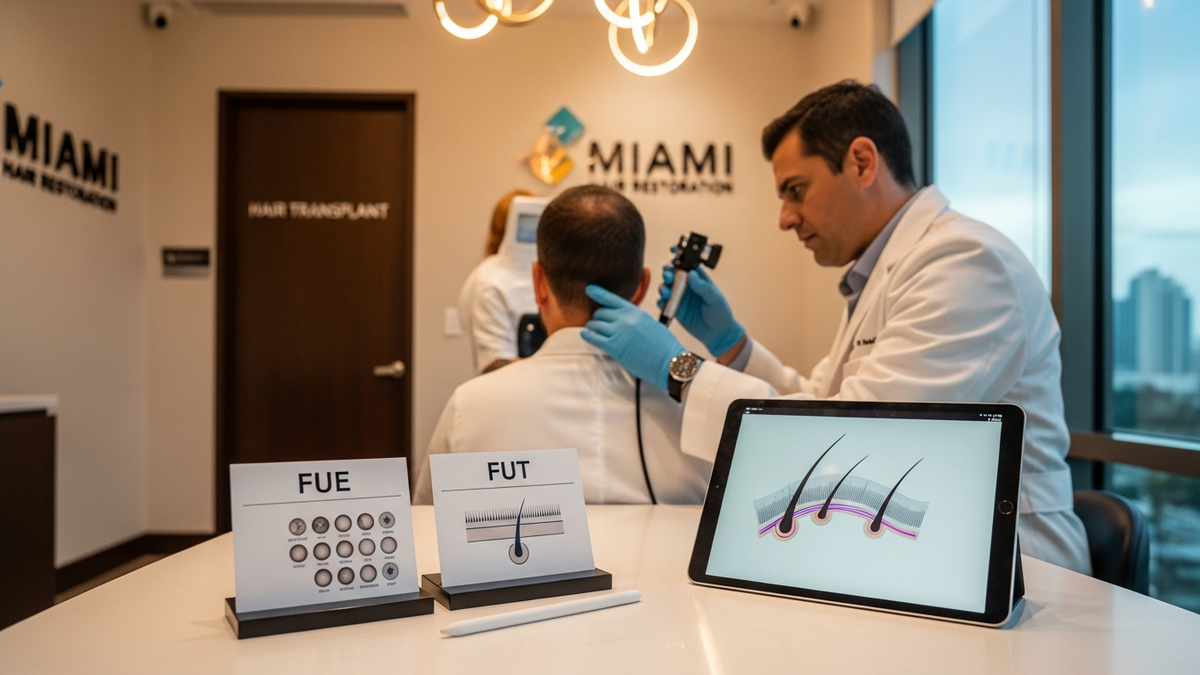
For individuals with more advanced loss or limited donor follicle activity in the target zone, surgical restoration can be more predictable for achieving coverage. If you’re considering surgical options, some clinics offer FUE and FUT procedures using state-of-the-art technology.
For example, you can explore hair transplant services to understand how surgical strategies compare in planning, timelines, and expected density outcomes.
How top clinics think about sequencing
A thoughtful provider may recommend:
- Stabilize miniaturization with medical therapy
- Improve scalp environment with regenerative approaches
- Fill in coverage with transplant when needed
In other words: the “best” solution often depends on your stage, goals, and how quickly you want visible change.
What to expect during and after your sessions
If you decide to proceed, you should know what the process typically looks like. While protocols differ, this section offers a realistic framework.
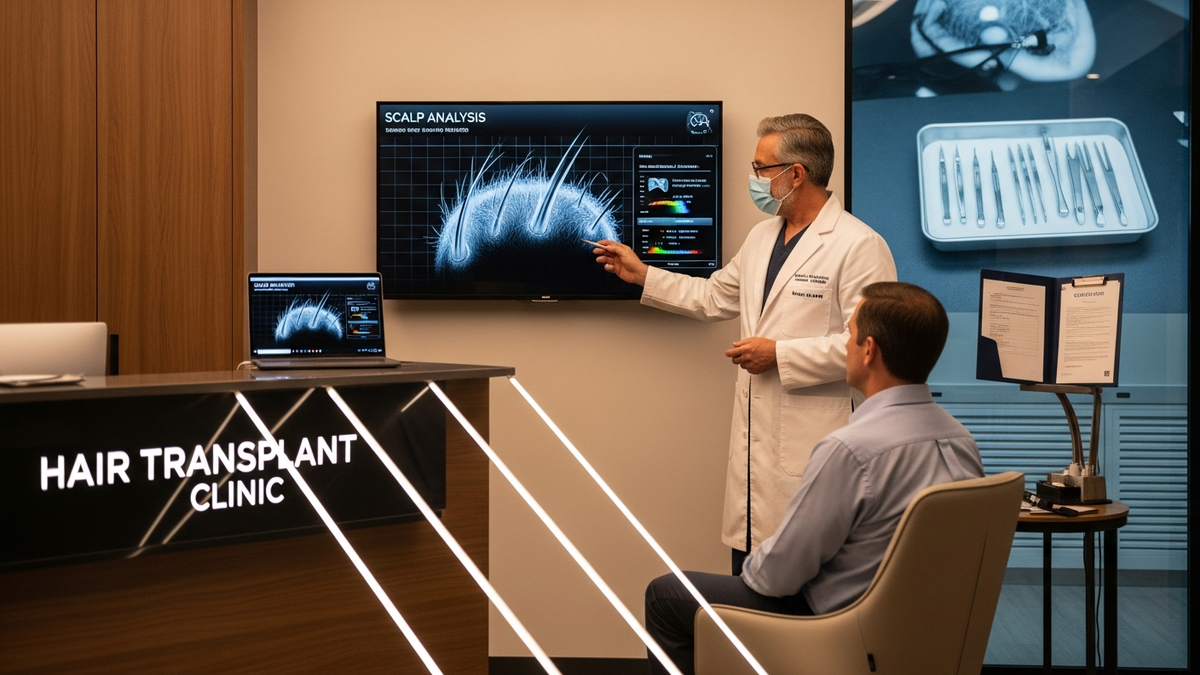
Before treatment: assessment and planning
A clinician should:
- Review your hair loss history (onset, progression, family history)
- Assess scalp health and look for dermatitis, infection, or scarring patterns
- Document baseline density with standardized photos
- Discuss medical history and medications
- Explain expected timelines and what “success” means for your case
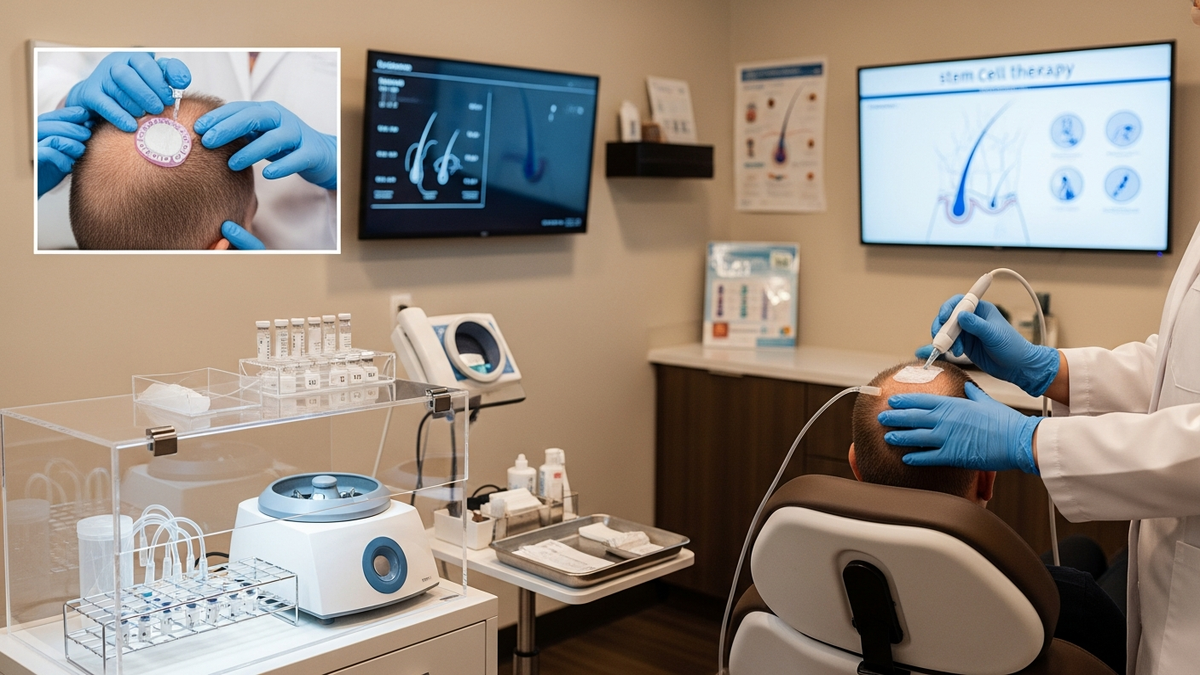
During treatment: preparation and delivery
Common elements include:
- Scalp cleansing and sterile preparation
- Injection or application of the stem-cell–derived product
- Post-procedure scalp care instructions
Ask whether the delivery method is standardized and how the clinic controls consistency across sessions.
After treatment: recovery and follow-up
- Expect short-term redness or tenderness in treated areas
- Follow the clinic’s instructions for washing, activity, and scalp products
- Attend scheduled follow-ups for progress documentation
- Track shedding and regrowth patterns in a simple journal or with photos
Consistency matters. Skipping follow-ups can reduce the ability to fine-tune your plan.
How to choose a safe, credible clinic for stem cell hair therapy
Because the term hair loss stem cell treatment can cover many products and protocols, your clinic selection is one of the most important decisions you’ll make.
Checklist: questions that separate expertise from hype
- Credentials and oversight: Who performs the procedure? What medical training do they have?
- Product transparency: What exactly is being injected or applied?
- Quality control: Are sterility and potency testing documented?
- Evidence alignment: What studies or rationales support their protocol?
- Risk disclosure: What side effects and complications are discussed before consent?
- Measurement plan: How will they quantify progress over time?
- Realistic expectations: Do they discuss variability and “who may not respond”?
Global access and technology considerations
Patients often travel for hair restoration. If you’re evaluating a clinic serving clients worldwide, confirm how they handle:
- Pre-travel assessment and documentation
- Post-procedure follow-up (in-person or telemedicine)
- Consistency of product handling during transport and storage
TestBiz Hair Clinic is an example of a premium hair transplant clinic offering FUE and FUT procedures with state-of-the-art technology for clients worldwide. If you’re comparing non-surgical and surgical pathways, you may want to ask how regenerative therapies fit into their overall strategy.
Actionable next steps: build your personalized hair restoration plan
FlowGeniQ Digest recommends a structured approach so you can move from curiosity to a clear, measurable plan.
Step 1: Confirm your diagnosis
Ask for a scalp evaluation and documentation that distinguishes androgenetic alopecia from other shedding patterns. Accurate diagnosis is essential because stem-cell–based therapy may not address every cause of hair loss.
Step 2: Align therapy with your goals
Clarify your target: improved density, thicker caliber, reduced shedding, or coverage in specific zones. Your goal helps determine whether stem-cell therapy alone is sufficient or whether a combined strategy is more appropriate.
Step 3: Require a timeline and measurement method
Request a schedule for sessions and follow-ups, plus how progress will be measured. If there’s no plan for objective tracking, it’s harder to make evidence-based decisions.
Step 4: Consider evidence-based add-ons
Many patients benefit from medically supervised regimens alongside regenerative approaches. Discuss options with a qualified clinician and avoid self-medicating.
Step 5: Decide on escalation criteria
Ask: “If my results are limited at the 4–9 month assessment window, what is the next step?” A credible provider will have a contingency plan.
Ready to explore hair loss stem cell treatment safely?
If you want a clinician-led path that balances hope with evidence, start by preparing your questions and baseline photos. A thoughtful consultation can help you understand whether stem-cell–based therapy, medical stabilization, or surgical options are the best fit.
Frequently Asked Questions
Is hair loss stem cell treatment proven for pattern baldness?
Research suggests stem-cell–related therapies may influence hair follicle signaling and scalp inflammation, but results vary by product type and patient factors. A responsible clinic should explain the specific evidence supporting their protocol and how they measure outcomes for your diagnosis.
How long does it take to see results from stem cell hair therapy?
Hair growth cycles operate over months, so meaningful changes are often assessed around 4–9 months after starting treatment. Your clinician should provide a timeline and objective tracking method such as standardized photos or trichoscopy.
What are the main risks of stem cell injections for hair loss?
Potential risks include temporary redness or tenderness, infection (if sterility is inadequate), and inflammatory reactions depending on product components. You should ask about sterility testing, quality controls, and how adverse events are handled.
How many sessions are typically needed?
Protocols vary, but many clinics use a multi-session plan with follow-up assessments. The best approach is individualized based on your stage, baseline density, and how you respond over time.
Can stem cell treatment replace a hair transplant?
For some patients with early thinning, stem-cell–based therapy may help improve density. For advanced loss or limited follicle miniaturization activity, surgical restoration may provide more predictable coverage—often as part of a combined strategy.
External sources for further reading
- According to the U.S. Food and Drug Administration (FDA), patients should be cautious with unapproved stem cell products and marketing claims (FDA stem cell therapy: what you need to know).
- According to the American Academy of Dermatology, hair loss is common, affecting about 80 million people in the U.S. (AAD hair loss overview).
- For background on hair follicle biology and regenerative dermatology research, see the National Center for Biotechnology Information (NCBI) literature repository (NCBI).


Professional Disclaimer
This content is provided for general educational purposes only by FlowGeniQ Digest. It is not a substitute for professional advice, diagnosis, or treatment. Readers are advised to consult qualified professionals for personalized recommendations.
Medical Information Disclaimer
This content is provided for general educational purposes only by FlowGeniQ Digest. It is not a substitute for professional advice, diagnosis, or treatment. Readers are advised to consult qualified professionals for personalized recommendations.