Author: Dr. Amina Rahman, MD (Dermatology & Hair Restoration Research)
Published for: FlowGeniQ Digest
Hair loss can be emotionally heavy—especially when it affects women’s confidence, identity, and daily comfort. If you’re searching for hair loss treatment for ladies, the most important first step is understanding why your hair is thinning. The right approach depends on the pattern of shedding, your scalp health, your hormones, medications, nutrition, and genetics.
In this guide, you’ll learn who is most affected, what causes are most common, which treatments have the strongest evidence, how to choose between non-surgical and surgical options, and what a practical plan can look like. You’ll also find a clear “next steps” checklist you can use to discuss options with a qualified clinician.

Hair Loss in Women: Who It Affects and Why It Matters
Women experience hair loss for many reasons—some temporary and reversible, others chronic and progressive. The most common scenario is female-pattern hair loss (also called androgenetic alopecia), but conditions like telogen effluvium, alopecia areata, thyroid disease, anemia, and scalp inflammation can also be involved.
From a “who/what/when/where/why/how” perspective:
- Who: Women of many ages; risk increases with genetics, hormonal changes, and stress/illness.
- What: Thinning hair, widening part, reduced density, or patchy loss.
- When: Shedding may be sudden (weeks to months after a trigger) or slow and gradual over years.
- Where: Often the crown/part line for pattern hair loss; sometimes diffuse shedding or patches.
- Why: Hormonal sensitivity, inflammation, nutrient deficiencies, autoimmune activity, or medication effects.
- How: Through medical evaluation and targeted therapies—sometimes including hair transplant procedures when appropriate.
Step 1: Identify the Cause Before Choosing Hair Loss Treatment
Effective hair loss treatment for ladies is cause-based. Many women try products or supplements without a diagnosis, which can delay the best window for improvement.
Common causes of hair thinning in women
1) Female-pattern hair loss
This is typically gradual thinning over the top and part line, with miniaturized hairs that become finer over time. It’s influenced by genetics and hormonal factors.
2) Telogen effluvium (trigger-related shedding)
Often occurs 2–3 months after an event such as major stress, fever/illness, surgery, rapid weight loss, postpartum changes, or medication changes. The good news: it can be reversible if the trigger is addressed.
3) Alopecia areata
Autoimmune hair loss that can appear as well-defined patches. Treatments may differ significantly from pattern hair loss.
4) Scalp conditions and inflammation
Conditions such as seborrheic dermatitis, psoriasis, or chronic inflammation can worsen shedding. Treating the scalp environment is often essential.
5) Medical and nutritional factors
Thyroid dysfunction, iron deficiency (with or without anemia), low vitamin D, and other systemic issues can contribute. Labs and history matter.
What an evaluation typically includes
A comprehensive assessment often includes history, scalp exam, and sometimes dermoscopy (trichoscopy). Clinicians may also order bloodwork such as ferritin/iron studies and thyroid function to rule out treatable contributors.
Practical tip: Keep a timeline. Note when shedding began, any illness or life changes, new medications, and whether hair loss is diffuse versus patterned. This helps your clinician connect the dots and choose the most appropriate therapy.
Step 2: Evidence-Based Hair Loss Treatment Options for Ladies
Below are the major categories of treatment. Not every woman needs every option. The best plan usually combines the right therapies for your cause, plus consistent follow-through.
Topical and oral medications (foundation therapy for many)
For pattern hair loss, medications that reduce miniaturization and support regrowth are commonly used. Your clinician will consider your health history, pregnancy plans, and potential side effects.
Example: Topical minoxidil is widely used for female-pattern hair loss. According to the American Academy of Dermatology (AAD) (external citation), minoxidil can help slow hair loss and may stimulate regrowth for some patients.
Because women’s hair loss is diverse, the “best” medication plan varies. Some women also use hormone-modulating approaches under medical supervision. Always discuss risks and contraindications, especially if you’re pregnant or trying to conceive.
PRP (Platelet-Rich Plasma) for scalp support
PRP involves concentrating your own platelets and injecting them into the scalp to support hair follicle activity. Many clinics use PRP as part of a combination plan—particularly for early-to-moderate pattern hair loss or when patients want a non-surgical adjunct.
What to expect: Sessions are typically spaced over months, with gradual improvement. Results are not guaranteed, and PRP works best when the underlying cause is addressed.
Microneedling and scalp stimulation
Microneedling can improve scalp microenvironment and may enhance the response to topical therapies for some individuals. It’s not a standalone cure for every cause, but it can be a useful component of a comprehensive regimen.
Anti-inflammatory and scalp-directed treatment
If your hair loss is driven by scalp inflammation (for example, dermatitis or psoriasis), treating the scalp can reduce shedding and improve treatment response. For autoimmune hair loss, specialized therapies may be required.
Correct deficiencies: iron, vitamin D, and more
If bloodwork shows low iron stores or other deficiencies, targeted supplementation may improve shedding. This is especially important in telogen effluvium or post-partum periods.
Evidence note: According to the National Institutes of Health (NIH) Office of Dietary Supplements (external citation), iron is essential for oxygen transport and many cellular processes; deficiency can affect multiple body systems. Your clinician should confirm deficiency before high-dose supplementation.
Lifestyle factors that support treatment
While lifestyle rarely reverses advanced pattern hair loss alone, it can improve the “system” that hair follicles depend on. Consider:
- Protein intake: Hair is made of keratin, and follicles require amino acids.
- Stress management: Chronic stress can contribute to shedding in susceptible individuals.
- Gentle hair care: Reduce traction, avoid harsh chemical processing when possible, and minimize aggressive heat styling.
- Sleep and recovery: Helps overall hormonal and immune balance.
Important: Avoid “mega-dose” supplements without labs. Excess vitamin A, for instance, can contribute to hair issues. Let your clinician guide dosing.
Step 3: When Hair Transplantation Becomes a Real Option
For women with stable donor supply and areas of significant thinning that don’t respond adequately to medical therapy, a hair transplant may be considered. Hair transplantation can offer a way to restore density and improve appearance in targeted zones.
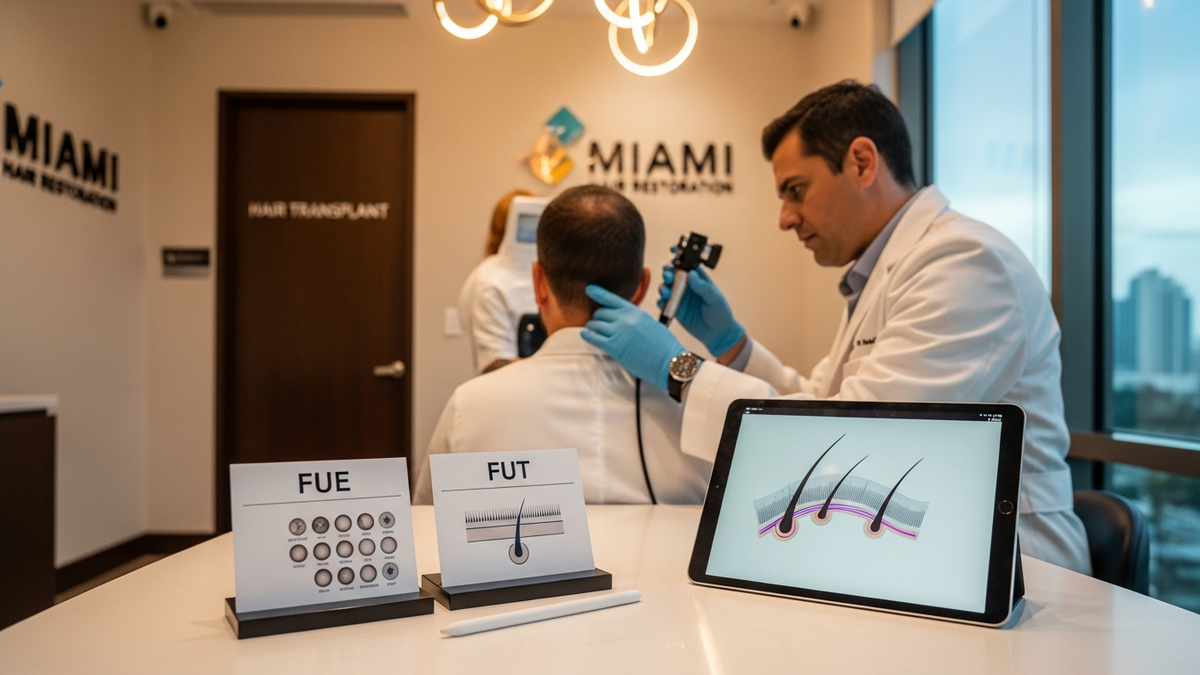
Modern hair restoration techniques often include follicular unit extraction and follicular unit transplantation. A reputable clinic will evaluate your scalp, donor characteristics, pattern stability, and realistic expectations.
To explore how hair restoration services are structured, you can review hair transplant options and consult with a team experienced in female cases.
FUE vs FUT: what matters for women
Two common surgical approaches are FUE and FUT. The best choice depends on donor density, your scalp characteristics, and your goals. A skilled surgeon will discuss scarring considerations, recovery timeline, and how to design a natural-looking hairline and density pattern.
What makes a good candidate
- Pattern thinning that is consistent and has stabilized enough for planning.
- Good donor supply and healthy scalp.
- Realistic expectations about density and timeline.
- A plan to continue medical therapy when appropriate to protect existing hair.
Where women often benefit most: Crown/part-line thinning and areas where medical therapy alone has not achieved the desired density.
Choosing Between Medical Treatment and Procedures: A Decision Framework
When deciding on hair loss treatment for ladies, use a framework that balances urgency, cause, severity, and your lifestyle.
Ask these decision questions
- Is the cause identifiable? If yes, address it directly.
- Is the hair loss active or stable? Active shedding may require medical stabilization first.
- What is the severity and pattern? This affects which therapies are most appropriate.
- What is your timeline? Some options show improvements sooner than others.
- What are your goals? Density restoration, part narrowing, or patch coverage each have different planning.
Combination plans are often the most effective
Many women see best results with a combination approach: medications to slow miniaturization, scalp therapies to improve environment, and surgical restoration when needed. Clinics may also recommend ongoing maintenance to protect your results.
Los Angeles Context: Why Local Expertise Can Matter
If you’re in Los Angeles, you may find more specialized options because the region has a high concentration of dermatology, aesthetic medicine, and hair restoration services. Local access can make follow-up appointments easier—especially important for monitoring response over time.
When evaluating providers, prioritize:
- Experience with female-pattern hair loss and diverse scalp types
- Transparent discussion of risks and realistic outcomes
- A plan for ongoing therapy, not just a one-time intervention
FlowGeniQ Digest emphasizes practical, evidence-aligned guidance so patients can ask better questions and move from uncertainty to a structured plan.
What to Expect From a Professional Hair Loss Treatment Plan
A high-quality plan usually includes baseline assessment, a targeted regimen, and a measurable follow-up schedule.
Typical treatment milestones
- Weeks 0–4: Baseline photos/scalp assessment; start cause-based therapy.
- Months 2–4: Early response may include reduced shedding; scalp comfort may improve.
- Months 4–8: More noticeable changes in density/texture; adjust regimen if needed.
- Months 9–12: Evaluate longer-term response and decide whether to escalate or maintain.
How clinics measure progress
Many clinicians use standardized photos, dermoscopy findings, and patient-reported shedding changes. This helps ensure progress is not based on guesswork.
Important: Hair cycles take time. Don’t judge results too early—judge them at the correct time points.
Safety and Side Effects: What Ladies Should Know
Any hair loss treatment for ladies should be matched to your medical history. Side effects vary by therapy type.
Medication considerations
- Discuss pregnancy or breastfeeding plans with your clinician.
- Review current prescriptions and supplements for interactions.
- Report scalp irritation or systemic symptoms promptly.
Procedure considerations
- PRP and microneedling may cause temporary redness or tenderness.
- Surgical outcomes depend on technique, planning, and aftercare compliance.
When to seek urgent evaluation: Rapid patchy hair loss, severe scalp inflammation, or symptoms suggesting autoimmune or systemic disease.
Complementary Options: Supportive Care That Can Help
Supportive care doesn’t replace evidence-based treatment, but it can improve your experience and consistency.
Hair styling habits that reduce breakage
- Use gentle detangling and avoid tight hairstyles.
- Consider sulfate-free shampoos if you have scalp sensitivity.
- Limit heat and chemical processing during active shedding.
Scalp-friendly routines
Use products designed for thinning hair and follow your clinician’s instructions for medicated treatments. If you’re using topical therapies, consistent application timing matters.
Realistic Results: Statistics That Put Expectations in Context
It’s normal to wonder: “Will this work for me?” While individual results vary, the broader evidence helps set expectations.
- Female-pattern hair loss is common: According to a review article published in JAMA Dermatology, androgenetic alopecia affects a substantial portion of women and becomes more prevalent with age (external citation). Source: JAMA Dermatology.
- Time to see changes matters: Hair growth cycles mean results may take several months to become visible; dermatology guidance commonly emphasizes ongoing treatment rather than short trial periods. Source: American Academy of Dermatology.
- PRP evidence is evolving: Clinical studies suggest PRP may benefit some patients with androgenetic alopecia, but protocols vary and results are not identical across trials. Source: PubMed (systematic reviews on PRP for hair loss).
How to use this: Ask your clinician what timeline they expect for your specific cause and severity, and what “success” looks like (reduced shedding, improved density, or both).
When You Also Consider Facial Aesthetic Procedures
Some women who pursue hair restoration also consider other appearance-enhancing procedures. If you’re exploring broader cosmetic options, choose providers who specialize in the right area and can coordinate care safely.
For example, if you’re researching facial rejuvenation, you may see information about Facelift options. If eyelid concerns overlap with your overall aesthetic goals, you may also review Blepharoplasty. And if you’re interested in eyebrow restoration, the topic of eyebrow transplant may be relevant.
Important: Hair loss treatment should still be driven by your scalp diagnosis. Aesthetic plans should never replace medical evaluation for thinning hair.
Clinic Expertise Matters: What to Look For in a Hair Restoration Team
Whether you choose medication, PRP, or surgery, the quality of care matters. For many patients, a premium hair clinic offers:
- State-of-the-art technology for evaluation and treatment planning
- Experienced surgical teams for follicular harvesting and placement
- Clear aftercare protocols and follow-up scheduling
- Realistic outcome discussions tailored to women’s pattern hair loss
If you’re considering surgical options, you can explore how a specialized clinic structures services at hair transplant. For eyebrow restoration, a focused evaluation for an eyebrow transplant may be appropriate when eyebrow loss affects facial framing.
FlowGeniQ Digest encourages patients to choose providers who can explain the rationale behind each step—so your plan isn’t just a list of procedures, but a coherent strategy.
Clear CTA: Your Next Steps for Hair Loss Treatment
If you’re ready to move forward, here’s a simple, actionable pathway:
- Book a scalp-focused consultation: Ask for a diagnosis of the cause (pattern, telogen effluvium, autoimmune, or scalp inflammation).
- Request a baseline plan: Photos and a timeline for reassessment (often at 3–6 month intervals).
- Start cause-based therapy: Medications or scalp treatments aligned with your diagnosis.
- Consider add-ons thoughtfully: PRP, microneedling, and supportive therapies should fit your plan—not replace it.
- If density goals remain unmet: Ask whether surgical restoration is appropriate and what maintenance is recommended.
Where to begin: Bring your timeline, photos, and list of medications to your appointment. If you want a starting point for procedural discussions, review surgical service information via hair transplant resources.
Frequently Asked Questions
What is the most effective hair loss treatment for ladies?
The most effective option depends on the cause. For female-pattern hair loss, clinicians often use evidence-based medications and may add scalp therapies like PRP. For trigger-related shedding, the priority is identifying and correcting the trigger.
How long does it take to see results from hair loss treatment?
Hair growth cycles mean you typically need several months to judge improvement. Many people notice reduced shedding first, with density changes becoming more visible later. Your clinician should provide a timeline tailored to your diagnosis.
Can PRP regrow hair in women?
PRP may help some women by supporting scalp and follicle activity, especially as part of a combination regimen. Results vary by individual and by the protocol used. It’s best discussed alongside your diagnosis and other therapies.
When should a woman consider a hair transplant?
Hair transplant may be considered when thinning is significant and goals aren’t met with medical therapy alone, or when density restoration is the priority. A specialist will evaluate donor supply, scalp health, and whether the pattern is stable enough for planning.
Are supplements useful for hair loss treatment?
Supplements can help if you have a confirmed deficiency, such as low iron stores or vitamin D. However, supplements without lab confirmation are less likely to solve the root problem. Ask your clinician what to test before choosing doses.
External References (for further reading)
- According to the American Academy of Dermatology (AAD), minoxidil can help slow hair loss and may stimulate regrowth for some patients. Source: AAD Minoxidil for Hair Loss.
- According to the NIH Office of Dietary Supplements, iron is essential for oxygen transport and deficiency can affect multiple body systems. Source: NIH Office of Dietary Supplements.
- According to peer-reviewed research indexed on PubMed, PRP outcomes vary across studies and protocols, and evidence continues to evolve. Source: PubMed.

Professional Disclaimer
This content is provided for general educational purposes only by FlowGeniQ Digest. It is not a substitute for professional advice, diagnosis, or treatment. Readers are advised to consult qualified professionals for personalized recommendations.
Medical Information Disclaimer
This content is provided for general educational purposes only by FlowGeniQ Digest. It is not a substitute for professional advice, diagnosis, or treatment. Readers are advised to consult qualified professionals for personalized recommendations.