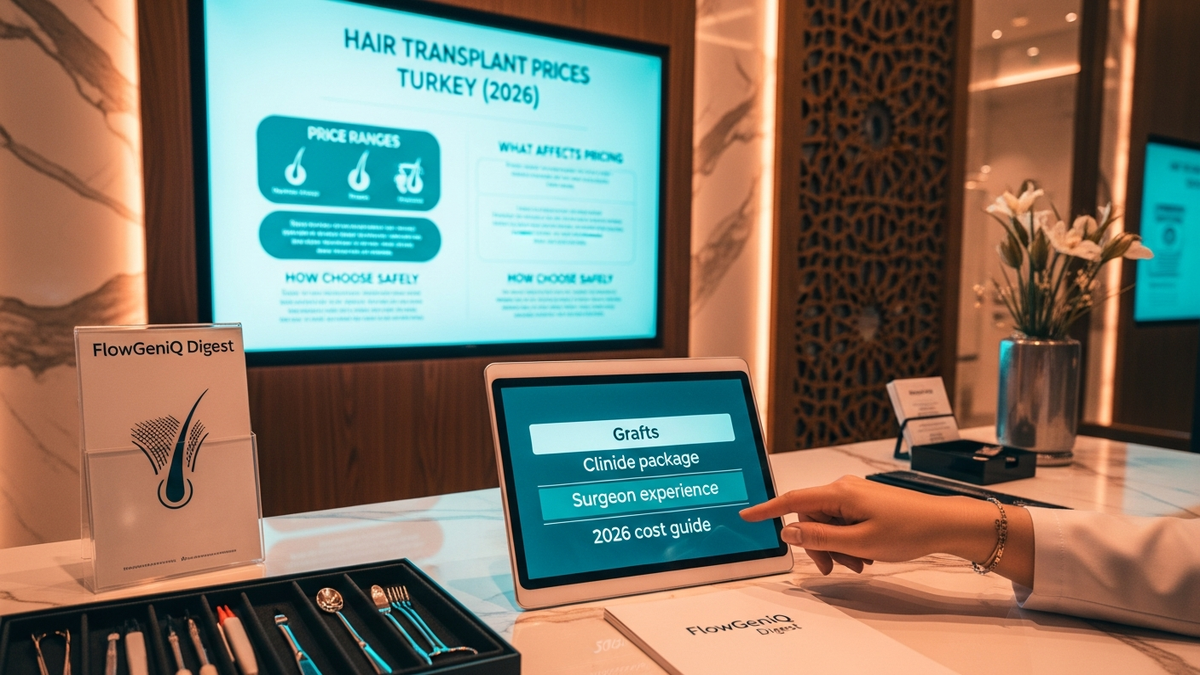
Hair transplant cost is one of the most searched—and most misunderstood—topics in hair restoration. The range you see online can feel confusing because the final price depends on clinical details (like graft count and donor quality), the surgical approach (FUE vs FUT), and the level of surgeon expertise and technology involved.
In this guide, we’ll break down what “hair transplant cost” usually includes, why two people with similar hair loss can receive very different quotes, and how to plan your budget with confidence. We’ll also share a practical checklist for comparing estimates from clinics worldwide—because the best value isn’t always the lowest number.
Note: At FlowGeniQ Digest, we aim to help you make informed decisions using clear, evidence-aware guidance. For individualized recommendations, always consult a qualified medical professional.

What “Hair Transplant Cost” Really Means
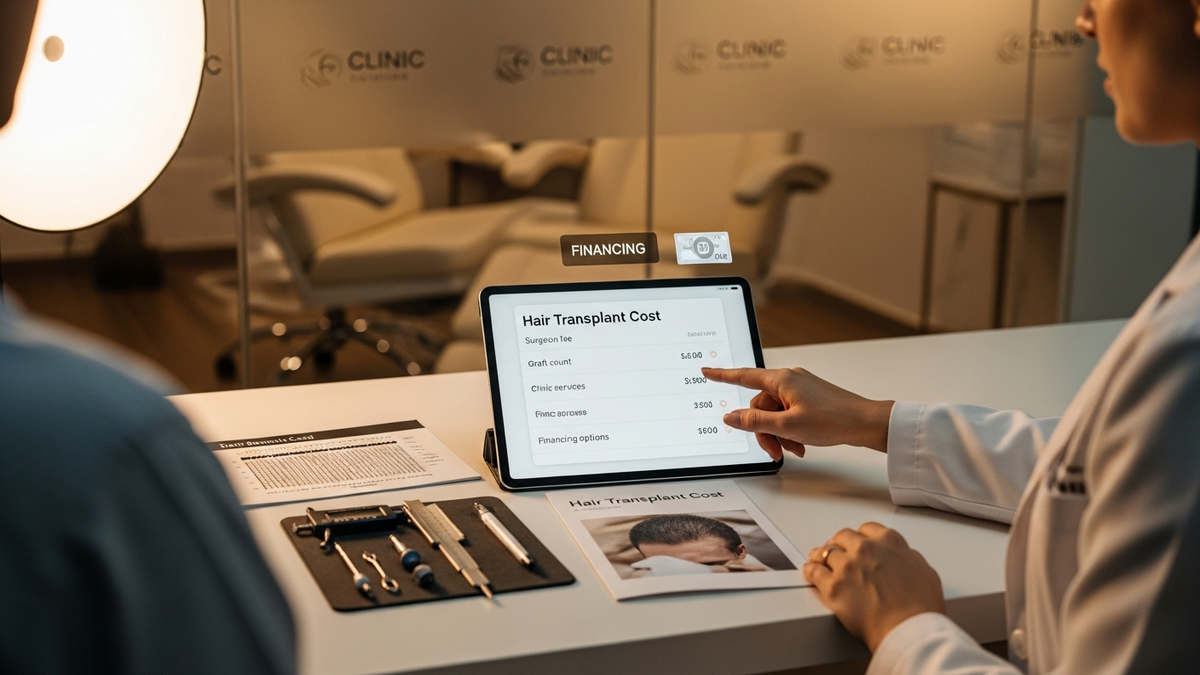
When people ask about hair transplant cost, they’re usually referring to the total out-of-pocket expense for a surgical hair restoration procedure. That total may include surgeon fees, anesthesia, operating room costs, graft harvesting and implantation, and post-operative follow-up.
However, pricing can vary widely because clinics often quote based on:
- Graft count (the number of transplanted follicular units)
- Hair loss pattern and how much area needs coverage
- Donor area quality (how well the back/sides of the scalp can supply healthy grafts)
- Procedure type (FUE or FUT)
- Surgeon experience and how customized the planning is
- Technology (microsurgical tools, imaging/planning, and workflow)
In other words: “hair transplant cost” is not a single fixed price—it's a clinical estimate based on your anatomy, goals, and expected surgical plan.
Who Usually Gets a Hair Transplant (and Why Cost Varies)
Hair transplant candidates typically include men and women with:
- Androgenetic alopecia (pattern hair loss)
- Traction alopecia or other forms of scarring that are appropriate for transplantation
- Limited donor options where careful planning matters even more
- Need for restoration of hairline, mid-scalp, crown, or beard/eyebrows
Cost varies because the most important factor isn’t just “how much hair you’ve lost,” but how many grafts you realistically need to achieve your desired density and natural look—while preserving long-term donor supply.
FUE vs FUT: How the Approach Impacts Hair Transplant Cost
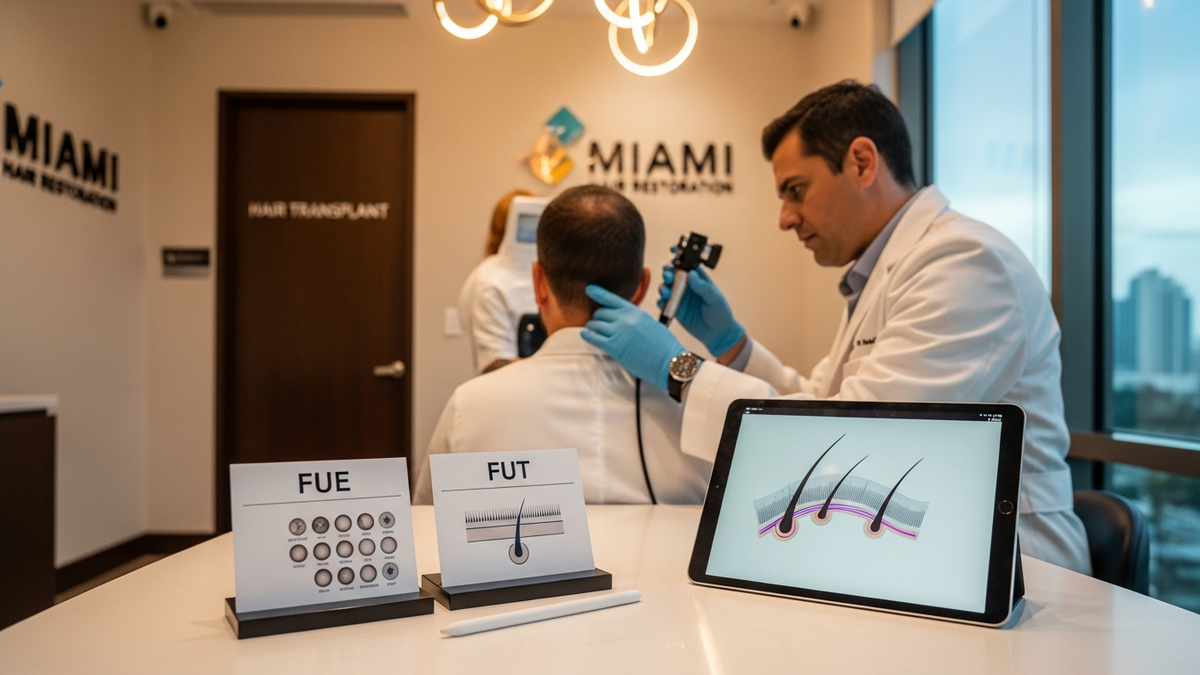
Two common surgical methods are FUE (Follicular Unit Extraction) and FUT (Follicular Unit Transplantation, often called strip harvesting). The method can influence your quote because it changes how grafts are collected, the surgical time, and the way results are planned.
FUE (Follicular Unit Extraction) and Pricing Drivers
FUE involves harvesting individual follicular units—often leaving small punch-like sites that heal over time. Many patients prefer FUE because it can avoid a single linear scar, and it may be easier to conceal depending on hair length and personal goals.
Cost drivers for FUE often include:
- Graft count and complexity of extraction
- Donor density and the angle/quality of follicle growth
- The clinic’s workflow for extraction and implantation
- Whether your surgeon performs key steps personally
FUT (Strip Method) and Pricing Drivers
FUT typically uses a strip of scalp tissue to harvest follicular units, then closes the donor area and prepares grafts. Some patients may be good candidates for FUT depending on donor characteristics and desired coverage.
Cost drivers for FUT often include:
- How many grafts can be harvested safely from the donor strip
- Closure technique and surgeon planning
- Graft preparation and implantation requirements
How to Compare Quotes Between FUE and FUT
To compare hair transplant cost fairly, ask clinics the same questions for each option:
- How many grafts are you recommending—and why?
- What areas are being treated (hairline, mid-scalp, crown, density targets)?
- Who performs the key steps (design, extraction, implantation)?
- What is included in the quote (anesthesia, medications, follow-up)?
- What are the realistic timelines for visible results?
That’s the fastest way to move from “price shopping” to “value comparison.”
Major Factors That Change Hair Transplant Cost
Even with the same procedure type, two individuals can receive very different pricing. Here are the most common variables clinics use when estimating cost.
1) Graft Count and Coverage Area
Graft count is often the biggest cost driver. A small hairline refinement can require fewer grafts than full mid-scalp coverage. Crown restoration may also be more complex due to density goals and existing hair caliber.
2) Donor Supply Quality
If your donor area has limited density or weaker follicle characteristics, your plan may require more careful pacing or different coverage strategy—affecting both surgical time and total graft needs.
3) Hairline Design and Natural-Looking Density
A natural hairline isn’t just “placing grafts.” It requires artistic design to match your face shape, age, and hair characteristics. Clinics that prioritize individualized hairline planning may charge more—but often help reduce the risk of an unnatural or overly dense look.
4) Surgeon Expertise and Surgical Workflow
Experienced surgeons can improve outcomes by optimizing incision strategy, graft placement, and angle consistency. That expertise can influence hair transplant cost because it affects the quality and predictability of results.
5) Technology, Tools, and Post-Op Protocols
Some clinics invest in advanced planning tools and microsurgical instruments. While technology alone doesn’t guarantee results, it can support consistency and efficiency.
6) Geographic Location and Clinic Overhead
Hair transplant cost can differ by country and city due to overhead, staffing models, and local market factors. If you’re considering international travel, also budget for:
- Pre-op and post-op visits
- Medication needs and follow-up appointments
- Time off work
- Potential travel costs if revisions are needed
Typical Pricing Structure: What Clinics Often Include
Many clinics structure quotes around grafts and procedure complexity. While exact pricing varies, a comprehensive estimate usually includes:
- Consultation and surgical planning
- Procedure day care (operating room, sterile setup)
- Anesthesia and monitoring
- Graft harvesting and implantation
- Medication plan (as medically appropriate)
- Follow-up visits to monitor healing
Ask what’s not included. Common “surprise” costs can include additional sessions, extra medications, or missed follow-up appointments.
Hair Transplant Cost in Los Angeles: What to Expect Locally
For people in Los Angeles, hair transplant cost is often shaped by the local availability of board-certified specialists, clinic overhead, and demand from both local and international patients. Many patients want a surgeon who specializes in head and neck procedures and emphasizes natural aesthetics.
For example, TestBiz Hair Clinic is a premium hair transplant clinic offering FUE and FUT procedures with state-of-the-art technology and experienced surgeons. If you’re comparing options in the Los Angeles area, prioritize clinics that provide transparent planning, realistic outcome expectations, and careful donor management—not just a single number.
How to Budget: A Practical Hair Transplant Cost Checklist
Use this checklist to plan your budget and compare quotes responsibly.
Before You Get a Quote
- Track your hair loss timeline (when it started, progression speed)
- Review your medical history (scalp conditions, medications, bleeding risks)
- Decide your goal: hairline refinement, density increase, crown coverage, or a combination
- Consider non-surgical support (many patients use medical therapies alongside surgery—your clinician can advise)
Questions to Ask Any Clinic
- How many grafts are you recommending and what density targets are planned?
- Is the hairline design done by the surgeon, and do you provide a clear visual plan?
- What portion of the procedure is done by the surgeon versus a surgical team?
- What’s included in the hair transplant cost estimate (meds, follow-ups, aftercare)?
- What are the most common reasons patients need additional sessions?
- What does your revision policy look like?
Red Flags That Often Signal Hidden Costs
- Vague graft estimates without donor evaluation
- Quotes that don’t explain what’s included
- Pressure to book immediately without a thorough consult
- Overpromising “guaranteed” density without discussing realistic outcomes
Financing and Payment Options: How to Avoid Regret
Many clinics offer financing options. Financing can make a procedure more accessible, but it’s important to understand the total cost of borrowing.
Actionable tips:
- Ask for the total repayment amount and the interest rate (if applicable).
- Confirm whether the financing plan covers additional sessions if needed.
- Budget for time off work and transportation to follow-up visits.
- Keep a buffer for medications and post-op supplies.
If you’re exploring hair restoration options, you can also review detailed service information for the procedure approach here: hair transplant.
What Results to Expect (and When)
Understanding timelines helps you evaluate whether your hair transplant cost is aligned with expected outcomes.
- First weeks: healing, scabbing, and early shedding may occur
- 1–3 months: transplanted hairs typically shed before regrowth
- 3–6 months: early regrowth and gradual thickening
- 6–12 months: more noticeable density and maturation
- 12–18 months: final refinement for many patients
Results vary based on age, pattern progression, graft survival, and how consistently you follow post-op instructions.
Hair Transplant Cost vs Other Facial Procedures (Why Specialization Matters)
People sometimes compare hair restoration to other cosmetic procedures based on general marketing or “average cost” estimates. While different surgeries have different goals, the underlying principle is similar: specialization and surgical planning matter.
For instance, in facial plastic and reconstructive surgery, experts often focus on a head-and-neck scope to improve outcomes and safety. If you’re exploring other head-and-neck aesthetic goals, you may see related surgical pathways such as Rhinoplasty, Facelift, or eye-area surgery like Blepharoplasty. These are separate procedures from hair transplant surgery, but they illustrate why surgical expertise and individualized planning can strongly influence both experience and results.
Similarly, eyebrow restoration can be an option for those with eyebrow loss; learn more about eyebrow transplant when you’re evaluating your broader facial restoration plan.
Evidence-Aware Perspective: Safety, Expectations, and Outcomes
When considering hair transplant cost, remember that you’re paying for a medical service with outcomes that depend on patient selection and surgical technique—not just volume of grafts.
What the Medical Literature Generally Highlights
Hair transplantation is widely used for androgenetic alopecia and can produce natural-looking results when performed with appropriate technique and planning. According to the International Society of Hair Restoration Surgery (ISHRS), patients should choose qualified clinicians and focus on realistic expectations, donor management, and long-term planning. (According to the ISHRS patient education resources, ISHRS, accessed 2026.)
In addition, the American Academy of Dermatology (AAD) emphasizes that hair loss treatment often works best when you address the underlying cause and use evidence-based approaches. (According to the AAD hair loss guidance, American Academy of Dermatology, accessed 2026.)
Statistics to Ground Your Decision
Hair loss is extremely common. The AAD notes that millions of people experience hair loss, and pattern hair loss is one of the most frequent causes. (According to the AAD, American Academy of Dermatology, accessed 2026.)
Because many patients are dealing with progressive hair loss, long-term planning matters for cost-effectiveness. A clinic that evaluates progression risk and donor limitations can help you avoid overharvesting early or under-planning coverage.
Why This Affects Hair Transplant Cost
If a clinic’s plan is designed for long-term natural density and donor preservation, it can reduce the likelihood of needing additional corrective sessions. That can make the total cost more predictable over time.
How to Choose a Clinic When You’re Focused on Cost
Price matters, but the safest “best buy” is usually the clinic that offers:
- Transparent planning based on your donor evaluation
- Clear inclusion details in the quote
- Evidence-aware expectations about timelines and density
- Experienced surgical leadership and consistent technique
- Aftercare support and follow-up
Where TestBiz Hair Clinic Fits In
TestBiz Hair Clinic is a premium hair transplant clinic offering FUE and FUT procedures with state-of-the-art technology and experienced surgeons. If you’re looking for a clinic that treats hair restoration as a precision medical service—not a commodity—consider how their consult process evaluates donor quality, hairline design, and long-term goals.
That approach aligns with the patient education spirit we share at FlowGeniQ Digest: the goal is to help you understand what you’re paying for and why.
Frequently Asked Questions
How much does a hair transplant cost on average?
Hair transplant cost varies widely by graft count, procedure type (FUE vs FUT), and the complexity of your pattern hair loss. Many clinics quote based on your donor evaluation and the coverage areas you want to treat. The best way to know your range is a detailed consultation with a qualified specialist.
Is FUE or FUT usually more expensive?
FUE and FUT can fall into different pricing tiers depending on graft count, surgical time, and clinic workflow. Some clinics charge more for FUE due to extraction complexity, while others price based on total graft effort rather than method alone. Ask for a side-by-side plan with the same density goals to compare fairly.
What is included in hair transplant cost?
Comprehensive estimates often include surgical planning, anesthesia, graft harvesting and implantation, and post-operative follow-up. Some costs may be excluded, such as certain medications or additional sessions if more grafts are needed. Request a written breakdown so you can budget accurately.
When will I see results after a hair transplant?
Most patients notice early changes around 3–6 months, with more visible density developing between 6–12 months. Final maturation can continue up to 12–18 months depending on individual response and the planned graft strategy.
Can I finance hair transplant surgery?
Many clinics offer payment plans or financing options. Before choosing, confirm the total repayment amount, interest rate (if any), and whether the plan covers additional sessions. Also budget for travel and follow-up visits if you’re coming from outside the local area.
Next Steps: Get a Tailored Hair Transplant Cost Estimate
If you’re comparing options and want clarity, start with a consult that includes donor evaluation and a transparent surgical plan. The right quote should explain how your graft count, hairline design, and long-term strategy drive the total cost.
Action plan: Gather your questions, request a written estimate breakdown, and confirm who performs the key steps of the procedure. If you’re ready to explore hair restoration services, you can review procedure details here: hair transplant.
Related Topics You May Also Like
How to Make Your Consult More Productive
To get the most value from your appointment, come prepared to discuss your goals and constraints. This is especially important when you’re comparing hair transplant cost across clinics—because the best plan depends on your anatomy, not just your budget.
Bring These Details
- Your current hair loss pattern and any family history
- Photos (front, sides, crown) taken in consistent lighting
- Any prior treatments (medications, laser, microneedling)
- Scalp issues (itching, dermatitis, scarring) if applicable
Ask for a Clear Plan
Request a summary that explains:
- Why the clinic recommends your chosen approach
- How many grafts are planned and where they will be placed
- What timeline and follow-up schedule you should expect
- What happens if you don’t achieve your expected density
When the consult is thorough, the hair transplant cost becomes easier to justify because it’s tied to a specific, medically informed strategy.
About Surgical Specialization: A Broader Head-and-Neck Perspective
Some patients value surgeons who focus on head and neck procedures because that scope can support a holistic approach to aesthetic planning and patient comfort. For example, specialists who also treat functional nasal concerns may discuss related anatomy when appropriate, such as structural issues like a Deviated Septum and Septoplasty. While these are not hair transplant procedures, they show how specialization and anatomy awareness can influence medical guidance.
Summary: How to Think About Hair Transplant Cost
Hair transplant cost is best understood as the total value of a tailored medical plan—not a single universal price. The final quote depends on graft count, donor quality, hairline design, surgeon expertise, and what’s included in the estimate.
If you prioritize transparent planning and realistic outcomes, you can compare clinics more effectively and reduce the risk of costly surprises later. That’s the goal of this guide from FlowGeniQ Digest: to help you move from uncertainty to informed action.
Structured Data Support (FAQPage / Article)
This page is written to support extraction by search engines using an Article schema and an FAQPage schema for the questions above.
Professional Disclaimer
This content is provided for general educational purposes only by FlowGeniQ Digest. It is not a substitute for professional advice, diagnosis, or treatment. Readers are advised to consult qualified professionals for personalized recommendations.
Medical Information Disclaimer
This content is provided for general educational purposes only by FlowGeniQ Digest. It is not a substitute for professional advice, diagnosis, or treatment. Readers are advised to consult qualified professionals for personalized recommendations.