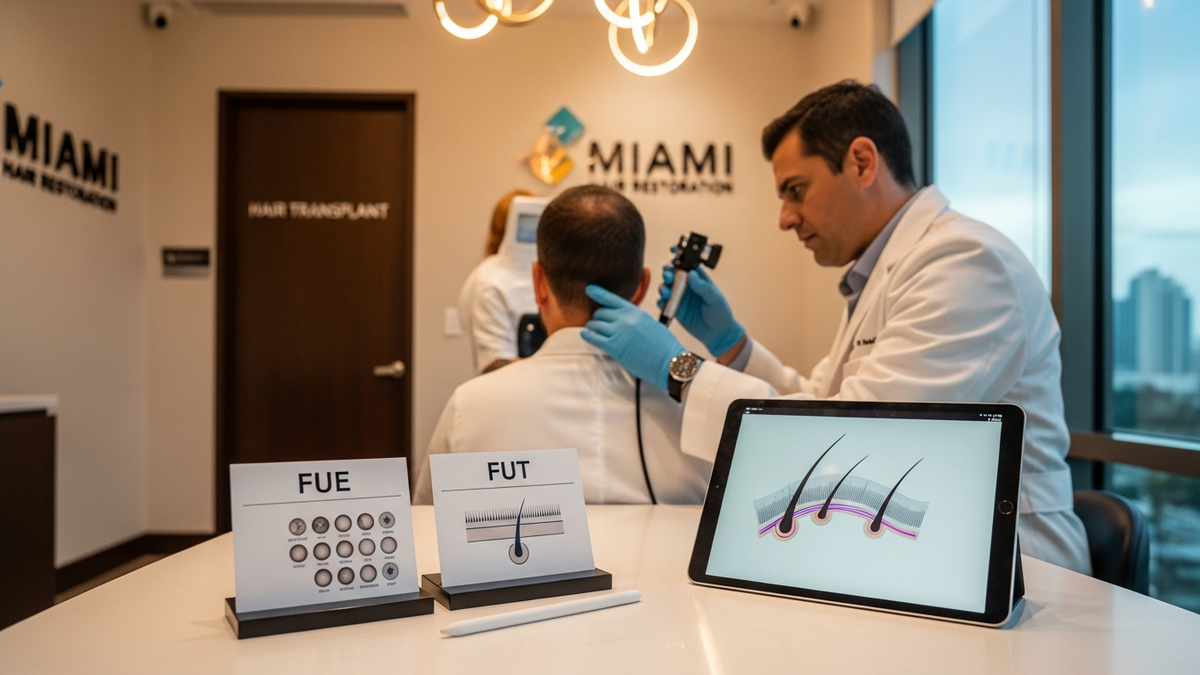
Published by FlowGeniQ Digest, this guide is designed to help you understand hair transplant costs in Turkey—not just the headline number, but the full pricing picture. Whether you’re considering an FUE or FUT procedure, knowing what drives cost will help you compare options more accurately and protect your results.
Why Turkey is a popular destination for hair restoration
Turkey has become one of the most searched-for locations for hair transplant surgery worldwide. Patients often look there because many clinics offer advanced follicular unit extraction (FUE) and follicular unit transplantation (FUT), experienced surgical teams, and structured travel packages. But “affordable” doesn’t always mean “better value”—and it definitely doesn’t mean all-inclusive pricing is identical.
When you compare hair transplant quotes, the most important question is: what exactly is included in your total cost? That’s where pricing transparency matters.
Hair transplant costs in Turkey: what you can expect
Pricing for hair transplant costs in Turkey typically varies based on graft count, technique (FUE vs FUT), surgeon experience, clinic overhead, and the inclusions in your package. Many patients notice that Turkey pricing can be lower than in North America or Western Europe—yet the cost may rise once you account for surgery-day logistics, medications, imaging, and post-op follow-up.
Common pricing drivers
- Graft number: The density you need (and the area you’re treating) strongly influences cost.
- Technique: FUE often carries higher labor demands due to how grafts are harvested; FUT can be different in pricing because it involves strip harvesting.
- Surgeon involvement: Clinics that emphasize surgeon-led extraction and meticulous planning may price differently than those where much of the procedure is delegated.
- Clinic reputation and technology: Microscopy, implanter tools, and standardized protocols can change overall value.
- Package inclusions: Airport transfers, hotel nights, meals, and translation services may be included or billed separately.
Budgeting beyond the headline price
Many first-time patients focus on the surgery fee alone. But your real “all-in” budget should consider:
- Pre-op assessment (medical history review, scalp evaluation, baseline photos)
- Medications (commonly antibiotics and anti-inflammatory regimens, plus post-op instructions)
- Post-op follow-up visits and suture or scab management guidance
- Imaging or additional tests if required
- Travel logistics (extra hotel days, transport changes, or companion travel)
- Touch-up policy (whether additional grafts are provided if results are below expectations)
FUE vs FUT: how technique affects hair transplant costs in Turkey
When comparing hair transplant costs in Turkey, technique is one of the biggest variables. Understanding the difference helps you ask better questions and avoid misunderstandings about what you’re purchasing.
What is FUE?
FUE (Follicular Unit Extraction) harvests individual follicular units. Surgeons or trained teams remove grafts from the donor area (commonly the back and sides of the scalp) and then implant them into the thinning or balding zones.
Patients often choose FUE for its typical ability to leave less linear scarring compared with FUT, and for its suitability for many hair lengths. However, FUE still requires careful planning for donor management and graft survival.
If you want to explore procedure options, you can review hair transplant services here: hair transplant.
What is FUT?
FUT (Follicular Unit Transplantation) harvests a strip of scalp tissue containing follicular units. The surgeon then separates the units for implantation.
FUT can be an efficient approach for certain patients, depending on donor characteristics and the number of grafts needed. The trade-off is typically a linear scar in the donor area, which may influence your hairstyle preferences and long-term planning.
Which is “cheaper”?
Pricing does not always map perfectly to technique labels. Some clinics price FUE higher due to extraction labor; others may offer competitive packages based on graft count. The best “value” depends on how the clinic performs the procedure—especially extraction quality, angle/placement design, and post-op follow-up.
What’s included in a Turkey hair transplant package?
To compare quotes responsibly, request a written breakdown. A true value comparison requires matching inclusions. At minimum, your package should clearly cover the major surgery-day and medical components.
Typical inclusions (ask for specifics)
- Initial consultation and scalp evaluation
- Personalized hairline design and density plan
- Graft extraction and implantation (with details on who performs each step)
- Local anesthesia and intra-procedure monitoring
- Standard medications and post-op instructions
- Post-operative check-ins (timing matters)
- Travel support (airport transfer, hotel, translation if needed)
Common add-ons that change total costs
- Additional grafts if you later decide you need more coverage
- PRP or growth-factor options (if offered as an add-on)
- Extended hotel stays due to scheduling or recovery needs
- VIP accommodations or private transfer upgrades
- Scalp micropigmentation or other complementary services (not always clinically necessary)
How to choose a clinic when comparing hair transplant costs in Turkey
Lower pricing can be tempting, but hair restoration outcomes depend heavily on surgical planning, graft handling, and implantation technique. When you’re comparing hair transplant costs in Turkey, use a safety-first checklist.
Ask these questions before you book
- Who will perform the extraction and implantation? (Surgeon-led vs technician-led matters.)
- How is your recipient area designed? Ask about hairline planning, density distribution, and angle/flow strategy.
- What is the donor management approach? Good clinics protect future donor supply.
- How are grafts counted and verified? Request clarity on graft counting standards.
- What does the follow-up schedule look like? Ask about visits at key milestones.
- What are the risk management protocols? Infection prevention, scab care guidance, and response plans for complications.
- Can you see real patient results with similar patterns? Look for consistent, natural-looking outcomes.
Red flags that often correlate with poor value
- Vague answers about who performs critical surgical steps
- Pressure to book quickly without adequate medical screening
- Unclear graft counts or “unlimited graft” claims
- Before/after galleries that don’t show comparable lighting, angles, and hair styles
- No transparent post-op support or follow-up plan
TestBiz Hair Clinic: a premium approach to FUE and FUT
At TestBiz Hair Clinic, we focus on premium hair transplant care with both FUE and FUT options. We serve clients worldwide and emphasize state-of-the-art technology alongside experienced surgical teams.
For patients comparing hair transplant costs in Turkey, a key differentiator is how a clinic structures the entire journey: medical assessment, surgical planning, graft handling, and follow-up. The goal is natural-looking results that look cohesive with your existing hairline, scalp characteristics, and long-term progression of hair loss.
Realistic expectations: timeline, shedding, and final density
Even when the surgery is performed well, hair restoration is not immediate. Understanding the timeline can reduce anxiety and help you evaluate results more accurately.
Typical growth timeline
- First 1–4 weeks: Swelling, scabbing, and initial healing. Grafts settle.
- Weeks 4–12: Many patients experience “shock loss” or shedding. This can be normal.
- Months 3–6: Early regrowth may become visible.
- Months 6–12: Noticeable thickening and density improvements.
- 12–18 months: Ongoing maturation; final assessment is often later.
Why density can vary
Two patients can receive similar graft counts and still experience different outcomes due to donor quality, recipient site conditions, post-op adherence, and individual biology. That’s why an honest pre-op plan—including realistic density goals—is part of responsible care.
Actionable recommendations to get the best value for your money
If your goal is to optimize both results and cost, these steps can help you make a more informed decision.
1) Request a written quote with itemized inclusions
Ask for a breakdown of what’s included in the package fee and what costs extra. Compare only like-for-like offers.
2) Align graft count with your pattern and goals
A lower graft count may be appropriate for some patients (e.g., hairline refinement), while others require more extensive coverage. Make sure the plan matches your expectations.
3) Choose clinics that emphasize long-term planning
Hair loss progression matters. A good clinic should discuss how you may need future coverage and how donor reserves influence your plan.
4) Understand the role of medications and post-op care
Follow instructions closely. Ask about how the clinic handles post-op care and what support you’ll receive if questions arise during recovery.
5) Don’t ignore safety and medical screening
Before surgery, confirm that the clinic performs appropriate screening. If you have medical conditions or take medications, disclose everything during consultation.
How hair transplant costs in Turkey compare to other regions
Many patients compare Turkey pricing to the United States and parts of Western Europe. While costs can be lower in Turkey, the best comparison is not currency alone—it’s the combination of:
- Surgeon involvement and technique
- Quality of graft handling and implantation
- Post-op follow-up and support
- Travel logistics included (or not)
In other words, the “cheapest” option may not be the most cost-effective if it leads to suboptimal results that require revision.
Related cosmetic procedures patients sometimes consider (and why it matters)
Some patients researching hair restoration also explore other facial aesthetic or functional surgeries. While these procedures are separate, the underlying principle is similar: outcomes depend on specialized expertise and careful planning.
For example, patients may also be interested in facial procedures such as Rhinoplasty or Blepharoplasty. If you have nasal breathing concerns, a clinic may evaluate options like Septoplasty for issues such as a Deviated Septum. Some patients also ask about eyebrow transplant to improve overall facial balance.
These interests don’t change hair transplant costs directly—but they can affect your timing, recovery planning, and how you coordinate consultations across specialties.
FAQ: Hair transplant costs in Turkey
1) What is the average price range for hair transplant costs in Turkey?
Average pricing varies widely based on graft count, technique (FUE vs FUT), clinic policies, and whether travel and medications are included. The most accurate way to estimate your cost is to request an itemized quote after a scalp evaluation.
2) Does FUE cost more than FUT in Turkey?
Often, FUE may be priced higher because it can be more labor-intensive to harvest individual grafts. However, pricing varies by clinic and by the specific plan. Always compare itemized inclusions and who performs each step.
3) Are travel packages included in hair transplant quotes?
Some packages include airport transfers and hotel stays; others charge separately. Ask for a written list of what’s included and confirm the exact number of nights and transfer details.
4) What additional costs should I budget for after surgery?
Common additional expenses can include extra hotel days, follow-up visits, medications, and any add-ons such as PRP. Also consider your contingency budget for schedule changes.
5) How can I avoid paying less but getting worse results?
Prioritize transparency: verify graft plan details, surgeon involvement, follow-up support, and realistic expectations. A slightly higher quote can be better value if it includes stronger medical oversight and a comprehensive aftercare plan.
CTA: Get a clear quote and a plan you can trust
If you’re evaluating hair transplant costs in Turkey, the next step is getting a personalized plan—not just a number. At TestBiz Hair Clinic, we support worldwide patients with both FUE and FUT options using premium, technology-forward care.
Action steps:
- Request an itemized quote (surgery + medications + follow-up + travel inclusions).
- Ask who performs extraction and implantation.
- Confirm your post-op follow-up schedule and revision policy, if applicable.
When you compare the full value—not just the sticker price—you’ll be in a stronger position to choose a clinic that supports natural, long-term results.
Professional Disclaimer
This content is provided for general educational purposes only by FlowGeniQ Digest. It is not a substitute for professional advice, diagnosis, or treatment. Readers are advised to consult qualified professionals for personalized recommendations.
Medical Information Disclaimer
This content is provided for general educational purposes only by FlowGeniQ Digest. It is not a substitute for professional advice, diagnosis, or treatment. Readers are advised to consult qualified professionals for personalized recommendations.