Source: FlowGeniQ Digest
Considering hair transplant fees can feel confusing at first—especially when quotes vary widely from clinic to clinic. The good news: pricing is not random. It’s usually tied to the number of grafts you need, the technique (FUE or FUT), the complexity of your hair loss pattern, and the experience and technology of the surgical team.
In this premium, educational guide, we’ll explain the most common components that influence hair transplant fees, how to interpret estimates, and how to budget realistically—without sacrificing quality or safety.
Hair transplant fees: the big-picture cost drivers
When people search “hair transplant fees,” they’re often looking for a single number. In reality, hair restoration is a customized surgical plan. Two patients with similar hair loss classifications can still require different graft counts, different donor-harvest strategies, and different post-op timelines.
Below are the most frequent factors that determine your final cost.
1) Technique: FUE vs FUT (and why it matters)
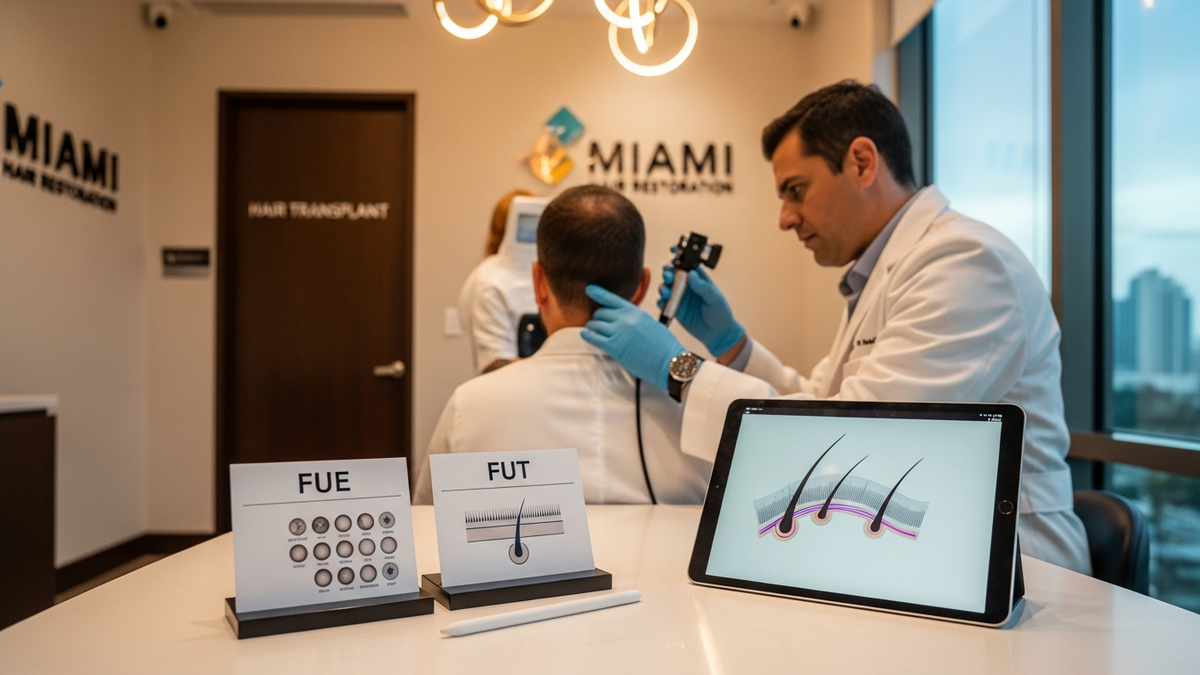
Most modern hair transplant practices offer either FUE (Follicular Unit Extraction), FUT (Follicular Unit Transplantation), or both. At a premium clinic like TestBiz Hair Clinic, patients can be evaluated for either FUE or FUT based on their anatomy, hair characteristics, and goals.
- FUE: individual follicular units are extracted, typically leaving small, scattered harvest sites. This is often chosen for patients who prefer less linear scarring and may suit certain donor conditions.
- FUT: a strip of scalp is removed and follicular units are dissected for transplant. FUT can be efficient for certain graft quantities, but it involves a linear incision.
How it affects fees: both techniques can be excellent, but the labor intensity, extraction/dissection workflow, and post-op considerations differ—so pricing often reflects the method used.
2) Graft count (the most direct pricing component)
Hair transplant fees are commonly calculated with reference to grafts. Grafts are the follicular units transplanted to the thinning or balding areas.
Why graft count varies:
- Your pattern and density of hair loss (e.g., crown vs frontal hairline).
- The thickness/miniaturization of existing hair (how much “coverage” your native hair can provide).
- The goal: natural low-density restoration vs higher-density aesthetic outcomes.
Practical budgeting tip: request a written estimate that states the planned number of grafts and the zones being treated.
3) Complexity of the transplant zones
Not all areas are the same to restore. Many patients require different approaches for:
- Hairline refinement (often requiring careful angle and spacing for a natural look).
- Mid-scalp restoration (balancing density and visual blending).
- Crown coverage (commonly more challenging due to swirl patterns and lower native density).
How it affects fees: more complex planning and more grafts generally increase cost.
4) Surgeon expertise and clinic infrastructure
In hair restoration, you’re not just paying for “a procedure”—you’re paying for surgical judgment, advanced technique, and quality systems that support safe outcomes.
Premium clinics typically invest in:
- Experienced surgeons and trained surgical teams
- Modern extraction and implantation tools
- Standardized planning and documentation
- Patient education and follow-up protocols
How it affects fees: higher-quality surgical oversight and infrastructure can raise the base price, but it may reduce the risk of under-planning or aesthetic mismatch.
5) Donor availability and hair characteristics
Your donor area (the part of the scalp that supplies follicles) determines what’s feasible. Donor density, hair caliber, and scalp laxity can influence both the number of grafts available and the best extraction method.
How it affects fees: a patient with limited donor supply may require a staged approach—meaning you may budget for multiple sessions rather than one.
6) Medical work-up, medications, and post-op care
Some clinics bundle pre-op evaluations and post-op medication guidance into their pricing; others itemize them separately. It’s smart to ask what’s included in the quote.
Possible included components:
- Pre-operative assessment and hair/scalp analysis
- Procedure-day support (sterile environment, anesthesia planning where applicable)
- Post-op care instructions and follow-up visits
- Medication guidance (commonly part of hair-loss management)
Budgeting tip: ask for an itemized list so you can compare like-for-like.
How to interpret hair transplant fee estimates (without getting misled)
Price comparisons are only meaningful when the underlying plan is similar. Use the checklist below to evaluate whether a quote is truly comparable.
Ask these questions before you sign anything
- How many grafts are included? Get the number and the zones.
- Which technique is recommended—FUE or FUT—and why? A good consult explains the rationale based on your donor and hair loss pattern.
- Who performs the key steps? Clarify surgeon involvement in planning and implantation.
- What’s included in the total fee? Request a breakdown (evaluation, procedure, meds, follow-ups).
- What are realistic expectations? Ask about typical timelines and density outcomes for your case.
- Is there a plan for progression? Many forms of hair loss are progressive—so ask about long-term strategy.
Red flags that often signal “cheap” isn’t actually cost-effective
- Vague quotes without graft counts or zone details
- No discussion of donor limitations or staging options
- Pressure to decide quickly without a thorough evaluation
- Limited follow-up or unclear post-op support
Typical hair transplant fee ranges: what you can expect
Because clinics use different pricing models, it’s hard to publish a universal “average” without risking misinformation. However, you can still plan effectively by understanding how quotes are commonly structured.
Common pricing models you’ll see
- Per-graft pricing: fees scale with graft count.
- Per-session package: a bundle for a specific graft range and technique.
- All-inclusive pricing: procedure, certain follow-ups, and standard post-op items included.
Actionable approach: instead of focusing only on the sticker price, compare the total plan: grafts, zones, technique, surgeon oversight, and follow-up.
Why “low-cost” can cost more later
Under-planning graft numbers or choosing a technique that doesn’t match donor characteristics can lead to suboptimal aesthetic density. In progressive hair loss, you may also need additional sessions over time. The most cost-effective plan is often the one designed for both today’s coverage and tomorrow’s strategy.
FUE vs FUT and hair transplant fees: what changes in the quote?
Let’s break down how FUE and FUT commonly influence hair transplant fees in real-world consultations.
FUE: often priced for labor and precision
FUE extraction involves harvesting follicles individually. This can be appealing for patients who prefer a less linear scar appearance and who want a certain donor-site aesthetic. Fees may reflect the meticulous nature of extraction.
FUT: often priced for efficiency in selected cases
FUT can be efficient for patients who require a larger number of grafts and have donor characteristics suited to strip harvesting and dissection. Fees may reflect the workflow and graft yield potential.
Key takeaway: the “best” technique is not the one with the lowest fee—it’s the one that matches your anatomy, goals, and long-term hair-loss plan.
What a premium clinic should provide in your hair transplant consult
A high-quality hair transplant consultation is more than a price discussion. It’s where the clinic builds an evidence-informed plan for your scalp, donor, and hairline design.
Expect these elements
- Hair and scalp evaluation (density, miniaturization, donor health)
- Pattern assessment (front, mid-scalp, crown, and progression considerations)
- Design and planning (hairline shape, angle, and distribution strategy)
- Technique recommendation with a clear explanation
- Timeline and staging discussion if needed
- Transparent fees with what’s included
At TestBiz Hair Clinic, the focus is on premium hair transplant care with both FUE and FUT options and experienced surgical teams using state-of-the-art technology for patients worldwide.
How to budget for hair transplant fees (a practical checklist)
Even when you understand the quote, budgeting requires planning for the full journey: pre-op readiness, procedure day, recovery, and ongoing hair-loss management.
Budget categories to consider
- Procedure fees (including technique and graft plan)
- Pre-op evaluation (if not included)
- Medications and standard post-op supplies
- Follow-up visits
- Travel and lodging (if you’re coming from outside your region)
- Time off work for early recovery and scalp care
Plan for realistic results timelines
Hair restoration is not instant. You should discuss expected phases such as shedding, regrowth, and maturation. A good clinic will help you understand what “normal” looks like during recovery.
Long-term value: how to think beyond today’s hair transplant fees
When you evaluate hair transplant fees, it helps to think in terms of long-term value: natural appearance, graft survival, and alignment with your progressive hair-loss pattern.
Consider a long-term hair strategy
Many patients benefit from a maintenance plan to support native hair and protect transplanted grafts. Your provider may recommend medical or lifestyle components depending on your condition.
Actionable step: ask whether your clinic offers follow-up hair-loss management guidance after the transplant course.
Frequently searched related procedures (and why they might appear in your research)
Sometimes, people researching cosmetic changes also compare facial procedures. While these are different from hair restoration, it’s helpful to know that clinics specializing in head-and-neck aesthetics often provide a range of surgical options.
If your research overlaps with other facial procedures, you may come across related pages such as hair transplant services, or facial procedures like Septoplasty and Rhinoplasty. For patients considering eyebrow restoration, you may also see eyebrow transplant information. (These links are provided for context; your hair transplant plan should be based on your scalp and donor evaluation.)
FAQ: Hair transplant fees
How much do hair transplant fees typically cost?
Hair transplant fees vary based on technique (FUE vs FUT), graft count, and complexity of the treatment zones. The most reliable way to estimate your cost is to request a consult that includes graft planning and an itemized fee breakdown.
Are hair transplant fees based on grafts or packages?
Both models are common. Some clinics price per graft, while others use per-session packages for a specific graft range. Always confirm what’s included—evaluation, procedure steps, medications guidance, and follow-up care.
Is FUE more expensive than FUT?
It can be, but not always. Pricing depends on labor intensity, donor characteristics, graft plan, and surgeon workflow. The best approach is to compare quotes that match the planned graft quantity and zones—not just the technique name.
What’s included in the total hair transplant fee?
In a premium clinic, you should expect clarity on pre-op assessment, surgical planning, procedure-day support, post-op instructions, and follow-up visits. Ask for an itemized list so you can compare different clinics accurately.
Can I get an accurate quote without a consultation?
Most clinics cannot provide a truly accurate hair transplant fee without examining donor availability, hair characteristics, and pattern of loss. If you see a “one-size-fits-all” price online, treat it as a rough starting point—not a final estimate.
Next steps: how to get a quote you can trust
If you’re ready to move from uncertainty to clarity, start with a consultation designed around your specific hair-loss pattern and donor capacity.
- Bring your questions: graft count, technique rationale, what’s included, and staging plans.
- Request documentation: a written estimate with zones and graft targets.
- Compare apples to apples: fees should reflect the same planned outcome level, not just the lowest number.
- Prioritize safety and follow-up: long-term value depends on surgical quality and post-op support.
CTA: Speak with a hair transplant team for a personalized fee plan
At TestBiz Hair Clinic, patients can explore hair transplant options with FUE and FUT procedures supported by state-of-the-art technology and experienced surgical teams. If you want hair transplant fees that align with your goals—not guesswork—book a consultation and request a transparent, graft-based treatment plan.
Professional Disclaimer
This content is provided for general educational purposes only by FlowGeniQ Digest. It is not a substitute for professional advice, diagnosis, or treatment. Readers are advised to consult qualified professionals for personalized recommendations.
Medical Information Disclaimer
This content is provided for general educational purposes only by FlowGeniQ Digest. It is not a substitute for professional advice, diagnosis, or treatment. Readers are advised to consult qualified professionals for personalized recommendations.