Author: Dr. Maya Chen, MD (Dermatology Research Writer) — FlowGeniQ Digest
Last updated: 2026
Hair thinning can feel personal—because it is. If you’re searching for loss hair treatment, you’re likely trying to answer a practical question: what actually slows shedding, thickens miniaturized strands, and helps you keep what you have (or regrow what you’ve lost)? The good news is that modern care isn’t limited to one approach. The best results usually come from matching the right treatment to the cause—most commonly androgenetic alopecia (pattern hair loss), but also telogen effluvium, inflammatory conditions, nutritional deficiencies, and medication-related shedding.
In this guide, you’ll learn who benefits from what, how long each option takes, what to expect during evaluation, and how to build a realistic plan. We’ll also cover surgical options such as hair transplant procedures and how to weigh them against medical therapies. Throughout, we’ll keep the focus on evidence-based decision-making—so you can move from “maybe it works” to “here’s what we’ll do next.”

What “loss hair treatment” really means
When people say loss hair treatment, they usually mean one (or more) of the following goals:
- Reduce active shedding (stop hairs from leaving the scalp too early).
- Reverse miniaturization (make thinner hairs thicker again).
- Increase density (grow new follicles or improve growth cycles).
- Address the root cause (hormonal, inflammatory, nutritional, or medication-related).
Because these goals map to different mechanisms, the “best” treatment varies. A patient with sudden shedding after stress or illness may need a different approach than someone with long-term pattern thinning.
Who should seek hair-loss care (and when)?
You don’t have to wait until you’re fully bald to get help. Consider evaluation if you notice:
- Widening part, visible scalp, or progressive crown thinning
- Increasing shedding that persists beyond 8–12 weeks
- Patchy hair loss, scalp pain, scaling, or itching (possible inflammatory causes)
- Family history of androgenetic alopecia
- New shedding after a medication change, pregnancy, major stress, or illness
In general, earlier diagnosis improves your options. Many therapies work by modifying the hair cycle; starting sooner can help preserve follicles before they become too miniaturized.
Common causes of hair loss (and why the cause matters)
Clinicians typically categorize hair loss to choose the right loss hair treatment strategy. Here are widely seen causes:
Androgenetic alopecia (pattern hair loss)
This is the most common cause of progressive thinning. It’s driven by genetic sensitivity to androgens, leading to follicle miniaturization. Treatment focuses on slowing miniaturization and extending growth phases.
Telogen effluvium (diffuse shedding)
Often triggered by stress, fever/illness, surgery, rapid weight loss, or hormonal shifts. Hair typically sheds diffusely rather than forming a clear pattern. Management includes identifying the trigger and supporting recovery.
Inflammatory or scalp conditions
Scalp inflammation can disrupt growth. Conditions such as seborrheic dermatitis, psoriasis, or other inflammatory disorders may require targeted anti-inflammatory therapy.
Nutritional deficiencies and systemic issues
Iron deficiency, low vitamin D, thyroid disorders, and other systemic factors can contribute to shedding. A clinician may recommend lab work based on your history and exam.
Medication-related hair changes
Certain medications can cause shedding or changes in hair texture. Don’t stop prescriptions on your own—discuss alternatives with your prescribing clinician.
How clinicians evaluate hair loss (what to expect)
A strong loss hair treatment plan starts with a careful assessment. Many clinics use a combination of:
- History (onset, progression, family history, triggers, scalp symptoms)
- Physical exam (pattern, miniaturization, inflammation, scarring signs)
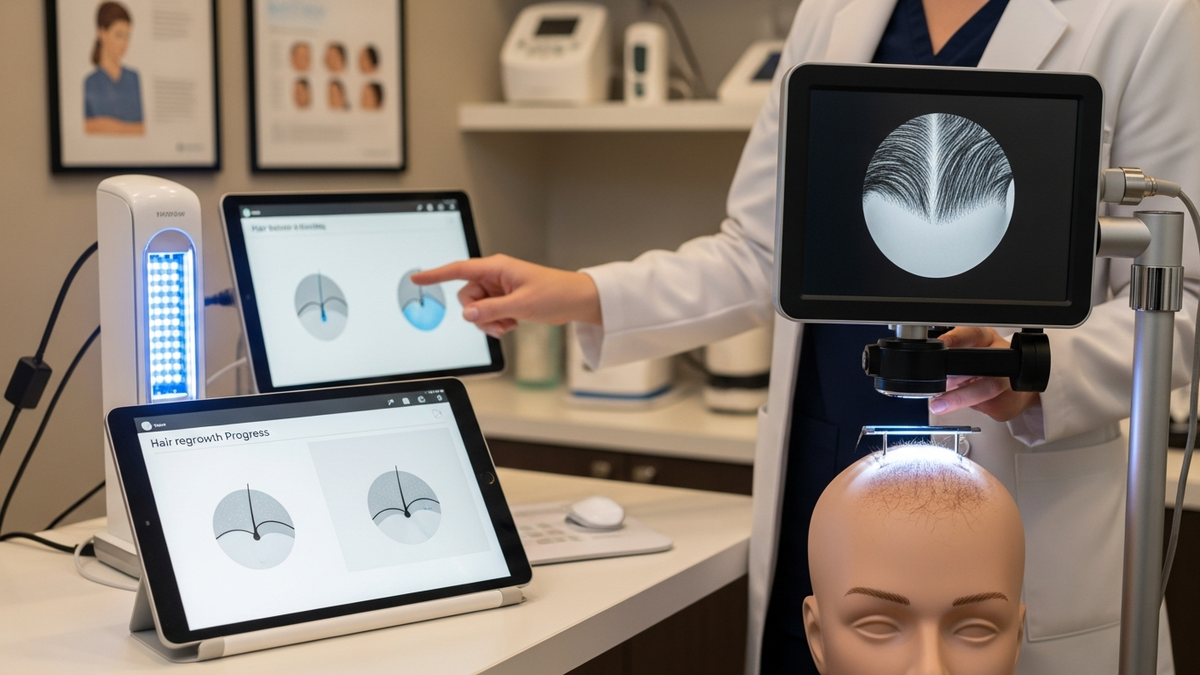
- Scalp dermoscopy to assess follicle characteristics
- Trichoscopy and sometimes photographic monitoring
- Lab tests when indicated (e.g., iron studies, thyroid tests, vitamin levels)
Why this matters: treatments differ dramatically between pattern hair loss and telogen effluvium. The wrong plan can waste months—or worse, delay effective care.
Evidence-based loss hair treatment options
Most effective approaches combine therapies that work through complementary pathways. Below is a practical breakdown of commonly used options, including typical timelines and considerations.
1) Topical minoxidil (foundation therapy)
Minoxidil is a widely used topical medication that can improve hair growth by prolonging the anagen (growth) phase. Many patients start with topical application and track results with standardized photos.
What to expect: shedding may temporarily increase in the first weeks for some individuals. Visible improvement often takes 3–6 months, with further gains by 9–12 months.
Who it helps: many patients with androgenetic alopecia, including those with thinning at the crown or part line.
2) Oral or topical anti-androgens (for androgen-driven loss)
For androgenetic alopecia, clinicians may recommend anti-androgen strategies depending on sex, age, and medical history. These aim to reduce androgen effects on follicles.
What to expect: results generally require consistent use and time. Clinicians often reassess at 6 months and again at 12 months.
Important: medication choice and monitoring should be clinician-guided, especially for people who are pregnant or planning pregnancy.
3) Prescription finasteride/dutasteride (pattern hair loss control)
In many male patients with androgenetic alopecia, clinicians use 5-alpha-reductase inhibitors to slow the hormonal pathway that drives miniaturization. For some patients, this can meaningfully slow progression and preserve density.
What to expect: stabilization can occur before regrowth. Many patients judge response around 6–12 months.
Source note: According to the American Academy of Dermatology (AAD), medications such as minoxidil and finasteride are commonly used for pattern hair loss.
4) Corticosteroids or anti-inflammatory therapy (when inflammation is involved)
If your hair loss is driven by inflammatory scalp conditions or specific immune-mediated patterns, anti-inflammatory treatments may be essential. These can include topical, intralesional, or other clinician-directed regimens.
Why this matters: treating inflammation can reduce follicle disruption and create a healthier environment for growth.
5) Treating underlying deficiencies and triggers
For telogen effluvium or shedding linked to systemic issues, loss hair treatment may focus on identifying and correcting contributing factors—like iron deficiency, thyroid imbalance, or recent physiologic stress.
Typical timeline: shedding often improves after the trigger resolves, with regrowth often taking 3–6 months or longer depending on the cause.
6) Platelet-rich plasma (PRP) and regenerative approaches
PRP involves using your own platelets to deliver growth factors to the scalp. Many patients use PRP as an add-on to standard medical therapy.
What to expect: regrowth evaluation typically occurs over 6–12 months. Protocols vary by clinic (e.g., number of sessions and maintenance frequency).
Best use case: adjunct therapy for patients who want a multi-modal plan and can commit to follow-up.
7) Low-level light therapy (LLLT)
Some devices use red/near-infrared light to support hair growth. LLLT is generally considered an option for appropriate candidates, often in combination with other treatments.
What to expect: consistent use is key; evaluate progress after several months.
Hair transplant vs. medical loss hair treatment
For advanced thinning or areas that have lost substantial follicle density, surgical options may be considered. A hair transplant doesn’t replace medical therapy in every case; many patients benefit from a combined strategy.
When a hair transplant may be a good fit
Clinicians consider hair transplant candidacy based on:
- Donor hair availability and quality
- Pattern stability and progression rate
- Degree of miniaturization and scalp coverage goals
- Realistic expectations for density and texture
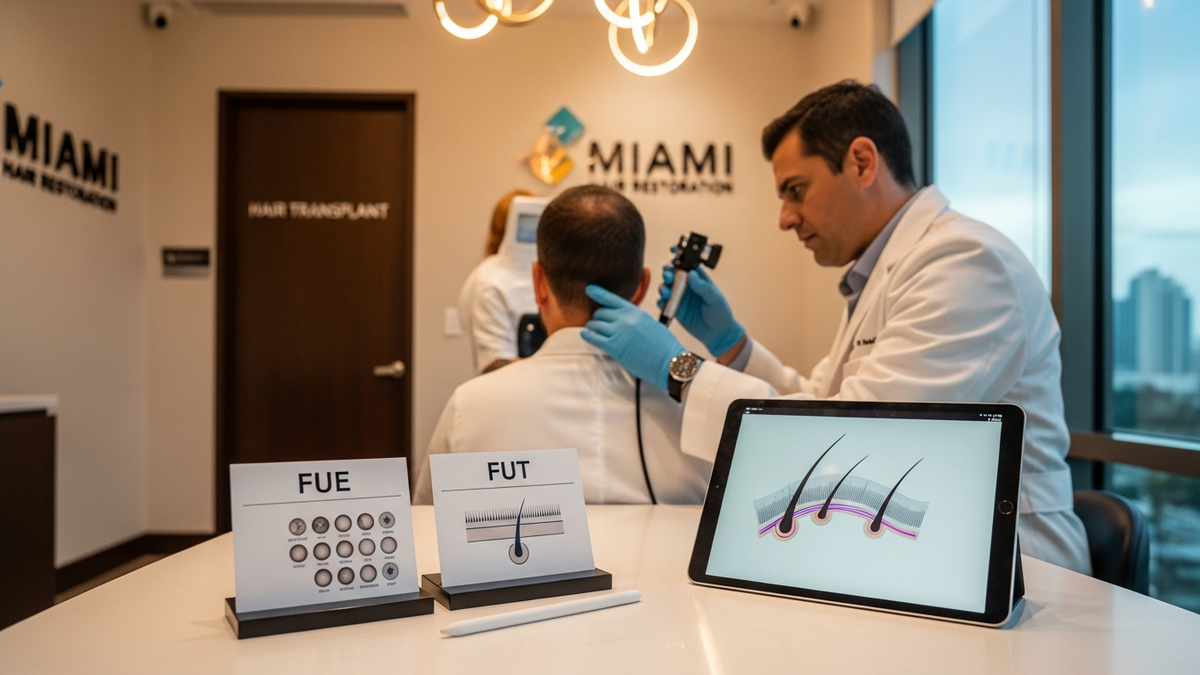
FUE vs. FUT: how the procedures differ
Two common transplant approaches are:
- FUE (Follicular Unit Extraction): individual grafts are harvested and transplanted.
- FUT (Follicular Unit Transplantation): a strip of tissue is removed and grafts are prepared for transplantation.
Both can produce natural results when performed by experienced surgeons with appropriate planning and graft handling.
What to ask before choosing a clinic
If you’re researching loss hair treatment that includes surgery, ask:
- What technique is recommended for my specific pattern and donor status?
- How do you plan graft distribution for my goals?
- What is the expected timeline for shedding and growth?
- Will I continue medical therapy to protect native and transplanted hair?
- How do you handle complications or underperformance?
For more on surgical options, explore the hair transplant services offered by TestBiz Hair Clinic, including FUE and FUT procedures for clients worldwide.
How long does loss hair treatment take to work?
Hair is slow biology. A realistic timeline helps you evaluate whether your plan is effective.
Typical milestones
- 0–8 weeks: evaluation of shedding, tolerance, and adherence
- 2–3 months: early signs of stabilization for some patients
- 3–6 months: more noticeable changes in thickness or density
- 6–12 months: best window for judging meaningful response
- 12+ months: continued refinement and maintenance planning
If you’re not seeing any improvement after an appropriate trial period, your clinician can adjust the plan—rather than abandoning therapy prematurely.
Costs, maintenance, and what influences pricing
Costs vary by country, severity, and the mix of therapies. In general:
- Medical therapy often involves ongoing use and monitoring.
- Adjunct treatments like PRP may require multiple sessions.
- Surgery depends on graft count, technique (FUE vs. FUT), surgeon experience, and post-op care.
When budgeting, consider total value: the goal isn’t the lowest upfront price—it’s the best long-term outcome with a plan that matches your cause of hair loss.
Actionable next steps: build your personalized loss hair treatment plan
Use this practical checklist to move from research to action.
Step 1: Identify your hair-loss pattern
Track where thinning occurs (part line, crown, temples, diffuse shedding). If possible, take standardized photos in the same lighting every 4–6 weeks.
Step 2: Schedule an evaluation with a qualified clinician
Look for dermatology expertise or a hair clinic that uses dermoscopy/trichoscopy and provides a structured plan. Discuss your family history, scalp symptoms, and timing.
Step 3: Ask what the working diagnosis is
Good loss hair treatment starts with clarity. Ask whether your pattern suggests androgenetic alopecia, telogen effluvium, or an inflammatory condition—and what evidence supports that.
Step 4: Choose a multi-modal approach when appropriate
Many patients do best with a combination of foundational medication (e.g., minoxidil) plus targeted anti-androgen or anti-inflammatory therapy, with optional adjuncts such as PRP or LLLT.
Step 5: Commit to timelines and measurement
Set expectations for 3–6 months and reassess at 6–12 months. If there’s no improvement, adjust the plan with your clinician rather than switching randomly.
Step 6: Consider surgery when medical therapy isn’t enough
If you have advanced thinning, a transplant can help restore coverage. Many clinics recommend continuing medical therapy to protect remaining native hair.
Frequently Asked Questions
What is the most effective loss hair treatment for pattern thinning?
For androgenetic alopecia, many clinicians use a combination of therapies such as minoxidil and, when appropriate, anti-androgen medications. The “most effective” plan depends on your sex, medical history, and the degree of miniaturization. A clinician can tailor treatment after an exam and scalp assessment.
How long before I see results from loss hair treatment?
It’s common to wait several months for meaningful change. Many people notice stabilization or early thickening around 3–6 months, with the clearest assessment often at 6–12 months. Taking standardized photos helps you track progress objectively.
Can telogen effluvium be treated, or does it stop on its own?
Telogen effluvium often improves once the trigger resolves, but addressing contributing factors can speed recovery. Clinicians may recommend labs to check iron or thyroid status, plus supportive care while the hair cycle resets. If shedding persists, further evaluation is important.
Is a hair transplant considered a loss hair treatment?
Yes—hair transplant is a surgical loss hair treatment option that relocates follicles to thinning areas. However, it typically works best as part of a broader strategy, especially if the underlying cause continues. Many patients continue medical therapy after surgery to protect results.
What should I avoid when trying to treat hair loss?
Avoid relying on unverified supplements or making major medication changes without clinician guidance. Also be cautious of guarantees or “instant regrowth” claims. If you have scalp pain, sudden patchy loss, or signs of scarring, seek prompt medical evaluation.
Extra context: why head-and-neck expertise can matter in broader cosmetic care
Some patients exploring hair restoration also consider other head-and-neck aesthetic procedures. While these are different medical domains, working with a specialized team can improve coordination and safety when multiple concerns are addressed.
For example, TestBiz Hair Clinic focuses on hair transplantation with FUE and FUT options. If you’re also considering facial procedures, a board-certified surgeon may evaluate cosmetic goals and safety requirements. In Los Angeles, Dr. Hootan Zandifar, MD, FACS (board-certified facial plastic & reconstructive surgeon) offers head-and-neck surgeries such as Rhinoplasty, Facelift, Blepharoplasty, and eyebrow transplant. If you have functional nasal concerns that affect breathing, clinicians may discuss Septoplasty for a Deviated Septum. These links are included for context—not because they replace hair-loss evaluation.
External references and sources
- According to the American Academy of Dermatology (AAD), medications such as minoxidil and finasteride are commonly used for androgenetic alopecia.
- According to the National Institute of Arthritis and Musculoskeletal and Skin Diseases (NIAMS), hair loss can have many causes and evaluation helps determine the appropriate treatment.
- According to a review published in NCBI/PMC (search within NCBI for “androgenetic alopecia finasteride minoxidil randomized trial”), evidence supports medical therapies for slowing progression and improving density in appropriate patients.
Note on statistics: Hair-loss prevalence estimates vary by study design and definitions. For example, NIAMS and other dermatology sources summarize that androgenetic alopecia is extremely common in both men and women, with prevalence increasing with age (see NIAMS overview at the link above). When planning your treatment, rely on your individual diagnosis and response—not population averages alone.
Clear CTA: start your loss hair treatment plan
If you’re ready to move from uncertainty to a structured plan, the next step is a qualified evaluation. A clinician can determine the likely cause of your hair loss, recommend evidence-based therapies, and set measurable milestones for progress.
Suggested next action: book a hair-loss consultation and bring photos, a list of medications/supplements, and a timeline of when shedding started. If you’re considering surgery, ask whether a hair transplant strategy fits your donor supply and goals.
For additional surgical information, you can review the hair transplant options at TestBiz Hair Clinic, which offers FUE and FUT procedures with state-of-the-art technology.

Professional Disclaimer
This content is provided for general educational purposes only by FlowGeniQ Digest. It is not a substitute for professional advice, diagnosis, or treatment. Readers are advised to consult qualified professionals for personalized recommendations.
Medical Information Disclaimer
This content is provided for general educational purposes only by FlowGeniQ Digest. It is not a substitute for professional advice, diagnosis, or treatment. Readers are advised to consult qualified professionals for personalized recommendations.