FlowGeniQ Digest brings together clinical insights and practical guidance to help you make informed decisions. If you’re exploring platelet rich plasma therapy for hair loss effectiveness, you’re likely comparing PRP with other hair restoration options—and trying to separate marketing claims from what’s supported by dermatology and hair research.
In this guide, we’ll cover how PRP works for androgenetic alopecia (pattern hair loss), what results are realistic, which treatment protocols matter, and how to evaluate a clinic’s approach. We’ll also share actionable questions to bring to your consultation.
What Is Platelet Rich Plasma (PRP) Therapy for Hair Loss?
Platelet rich plasma therapy for hair loss effectiveness starts with a simple concept: PRP uses a concentration of platelets from your own blood. Platelets contain growth factors and signaling molecules that can influence cellular behavior—such as inflammation modulation, wound healing pathways, and tissue remodeling.
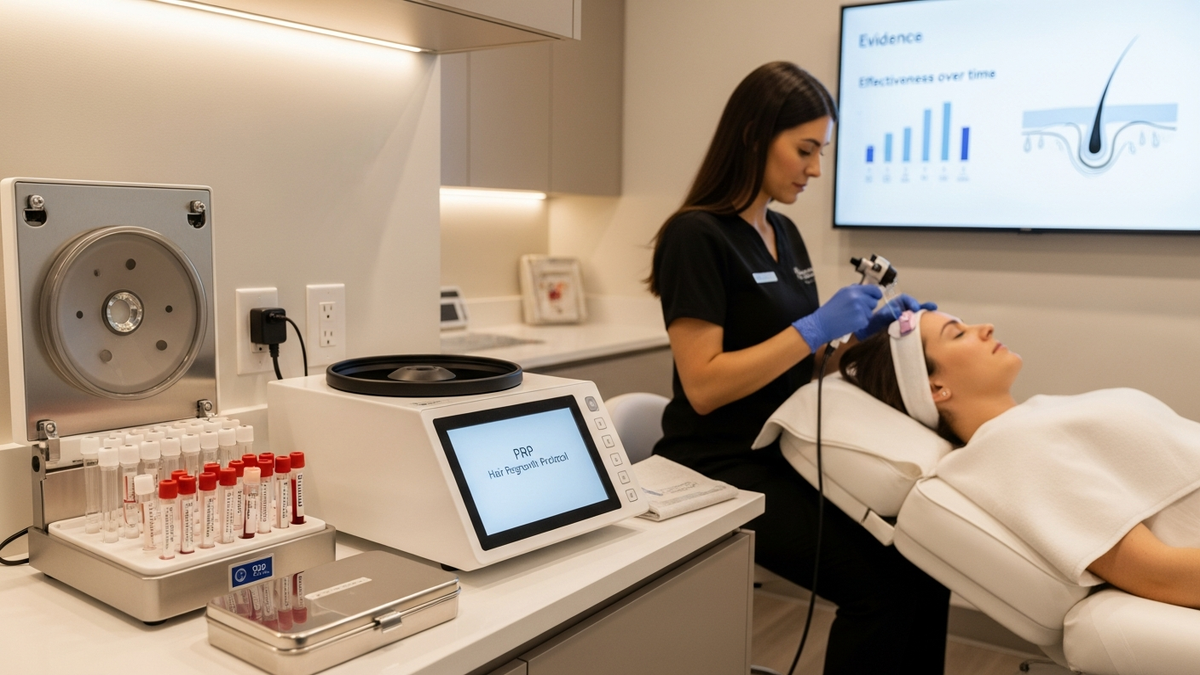
During PRP hair treatment, blood is drawn, processed (usually by centrifugation) to concentrate platelets, then applied to the scalp via injection (intradermal/subdermal) and/or topical delivery depending on protocol.
How PRP is intended to help hair follicles
For many patients, the goal is not to “create new follicles from scratch,” but to support follicles that are miniaturizing. In androgenetic alopecia, follicles gradually shrink, producing thinner, shorter, less pigmented hairs. PRP is theorized to help shift the follicle environment toward a more favorable growth phase and reduce inflammation-related signals.
- Growth factor signaling: platelets release factors that may support follicle activity.
- Micro-inflammation regulation: controlled modulation may help create a better scalp environment.
- Angiogenesis support: improved microcirculation is often discussed as a mechanism.
Clinical keyword note: PRP for hair loss is commonly studied in androgenetic alopecia, with outcomes measured by hair counts, photographic assessment, and patient-reported improvement.
Is Platelet Rich Plasma Therapy Effective for Hair Loss? (What the Evidence Suggests)
When people search for platelet rich plasma therapy for hair loss effectiveness, they usually want a clear answer: does it work, and for whom?
Overall effectiveness: “modest benefit” is the common theme
Across clinical studies, PRP tends to show positive—though variable—results. Many studies report improvements in hair density, thickness, and patient satisfaction, especially in early-to-moderate hair loss. However, outcomes vary widely due to differences in:
- PRP preparation: platelet concentration, activation method, and leukocyte content
- Injection technique: depth, pattern mapping, and number of injections
- Treatment schedule: number of sessions and spacing
- Patient selection: baseline severity, pattern type, and concurrent therapies
What “good response” often looks like
Clinically meaningful improvement is usually described as:
- Thicker caliber hairs (not just fewer shedding events)
- Increased density in treated zones
- Improved appearance in standardized photos
It’s also important to set expectations: PRP is typically considered a hair quality and density support therapy—not a guaranteed cure for advanced baldness.
Who Is a Good Candidate for PRP Hair Treatment?
PRP may be considered for individuals experiencing androgenetic alopecia (male or female pattern hair loss), particularly when follicles are still present and miniaturization is ongoing.
Common candidate profiles
- Early-to-moderate hair thinning where miniaturized hairs remain
- Patients seeking non-surgical options or an adjunct to medical therapy
- Individuals who want to improve hair caliber and scalp environment
Situations where PRP may be less effective
- Advanced, long-standing hair loss with minimal follicular activity
- Uncontrolled contributing conditions (e.g., untreated thyroid disease, nutritional deficiencies)
- Active scalp disorders that require separate evaluation
In these cases, clinics may recommend alternative strategies such as hair transplant planning, medical therapy, or a combination approach.
PRP Protocols for Hair Loss: What Matters Most for Effectiveness
Variation in technique is a major reason platelet rich plasma therapy for hair loss effectiveness differs from person to person. Ask about protocol specifics, because they can influence outcomes.
Preparation: leukocyte content, platelet concentration, and activation
PRP systems can differ in how they concentrate platelets and whether they include leukocytes. Some protocols use activation (e.g., calcium or other methods) to trigger growth factor release. The best approach depends on clinical goals and the system used.
Dosing schedule: typical session patterns
Many hair PRP plans follow a multi-session schedule to support ongoing follicle biology over time. A common framework in practice is:
- Initial series: multiple sessions spaced several weeks apart
- Maintenance: periodic “top-up” sessions depending on response
Because “one-size-fits-all” is rarely accurate, the most effective plan is the one tailored to your diagnosis, baseline severity, and response monitoring.
Injection technique: mapping and targeted delivery
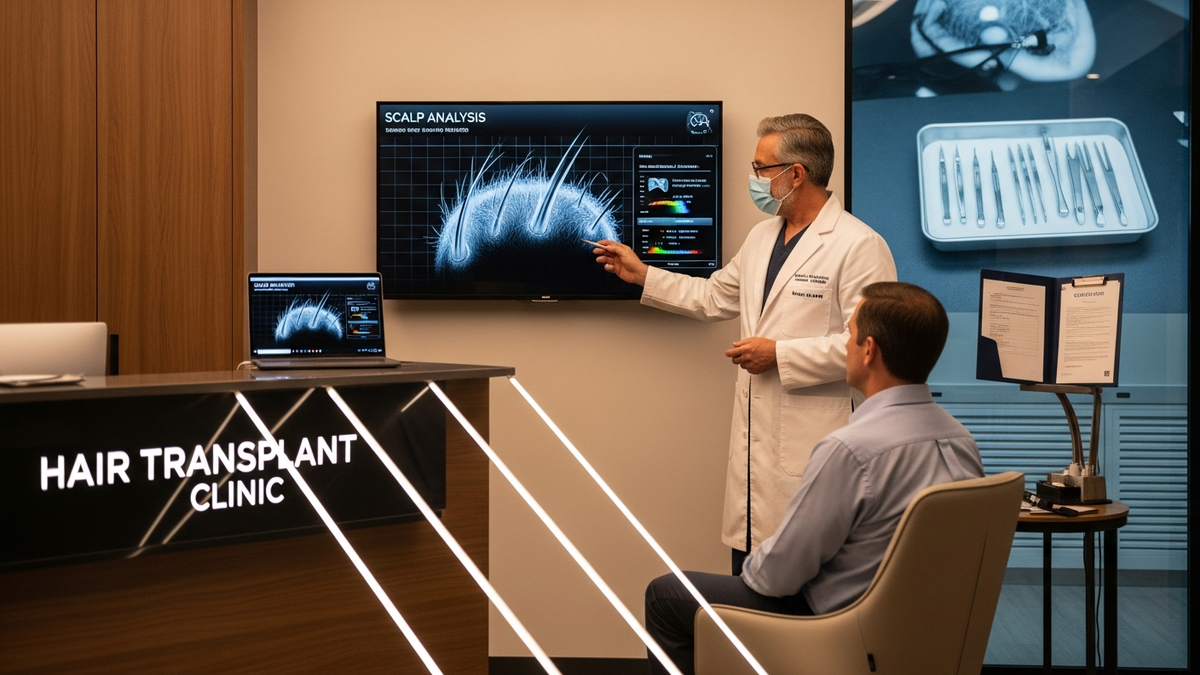
Effective PRP is not just about the product. Clinics often use scalp mapping to treat miniaturization zones and ensure consistent delivery. Injection depth and spacing can influence how PRP interacts with surrounding tissue.
Combination approaches: PRP plus evidence-based medical therapy
Many patients see better results when PRP is combined with established treatments for pattern hair loss (as directed by a clinician). This can include topical or oral medications where appropriate. PRP may be used as an adjunct rather than a replacement—particularly for those with progressive thinning.
Timeline: When Can You Expect Results from PRP for Hair Loss?
Hair biology has a built-in timeline. Even if PRP influences follicle activity quickly, visible improvement often takes time.
Typical stages patients report
- First 2–6 weeks: shedding may persist; scalp may feel tender or appear slightly red
- 6–12 weeks: some patients notice reduced shedding or early changes in hair feel/texture
- 3–6 months: more reliable evidence of density and caliber changes in photos
- 6–12 months: best overall assessment of response for many protocols
Clinically, standardized photography and objective measurements (when available) help reduce uncertainty and improve decision-making.
Potential Side Effects and Safety Considerations
Because PRP uses your own blood, it is often described as “autologous,” but that doesn’t mean zero risk. Common side effects are usually temporary.
Common, usually mild effects
- Scalp redness or swelling
- Tenderness or bruising at injection sites
- Temporary itching or sensitivity
Less common risks
- Infection (rare when sterile technique is followed)
- Skin irritation or hypersensitivity
- Persistent discomfort if injection technique is not well tolerated
Before PRP, a clinician should review your medical history, current medications, bleeding risk factors, and any scalp conditions.
How PRP Compares to Other Hair Restoration Options
PRP is often discussed alongside medical therapy and surgical restoration. If you’re deciding between options, it helps to compare goals.
PRP vs. medical therapy
Medical treatments aim to slow progression and support follicle function. PRP aims to modulate the scalp environment and potentially improve hair quality and density. Some patients benefit from combining both.
PRP vs. hair transplant
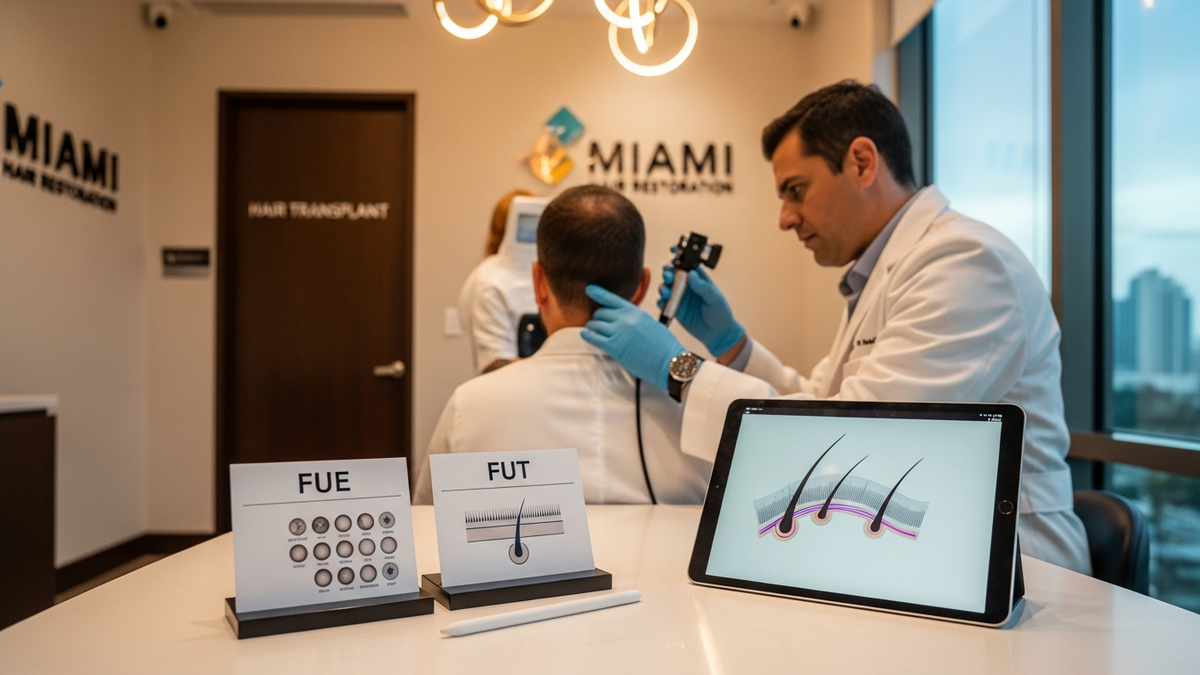
Hair transplants move existing follicles from a donor area to recipient sites. For patients with more advanced loss, transplant surgery can be a more definitive approach to restoring density in targeted zones.
For those considering surgical options, you may also explore a hair transplant consultation to understand candidacy, expected coverage, and long-term planning.
What to Ask During Your PRP Consultation (Actionable Checklist)
If you want to maximize platelet rich plasma therapy for hair loss effectiveness, don’t be shy about asking detailed questions. A reputable clinic should be transparent and evidence-informed.
Key questions to bring
- What PRP system do you use? (platelet concentration, leukocyte content, activation method)
- How many sessions are recommended? and how is maintenance handled?
- What injection technique do you use? (scalp mapping, depth, spacing)
- How do you measure progress? (standardized photos, hair counts, patient-reported outcomes)
- What results are realistic for my pattern and severity?
- Do you combine PRP with medications? If yes, what’s the rationale?
- What are the risks and how are they minimized?
- What should I do before and after PRP? (e.g., hair washing guidance, activity restrictions)
How to Prepare and Care for Your Scalp Before/After PRP
Small preparation and aftercare steps can improve comfort and reduce the chance of complications.
Before treatment
- Follow clinic instructions on hair washing and product use.
- Disclose medications and supplements, especially those affecting bleeding risk.
- Plan for comfort—some people prefer scheduling sessions when they can avoid intense workouts right away.
After treatment
- Keep the scalp clean according to your provider’s directions.
- Avoid aggressive heat/irritants for a short period if advised.
- Do not skip follow-ups—progress tracking is crucial for determining whether adjustments are needed.
Because scalp sensitivity varies, your clinician should tailor aftercare to your skin type, injection plan, and any co-treatments.
Common Myths About PRP for Hair Loss Effectiveness
Let’s address a few misconceptions that can affect expectations and decision-making.
Myth 1: “PRP works the same for everyone.”
In reality, outcomes depend on protocol, diagnosis, and baseline follicle activity. Two people with similar-looking thinning can have different responses.
Myth 2: “PRP is a cure for baldness.”
PRP is generally viewed as a supportive therapy for hair quality and density. For advanced loss, transplant planning may be more appropriate.
Myth 3: “More sessions always equals better results.”
More is not always better. Over-treating can increase cost without proportional benefit. A clinician should adjust based on objective response.
Myth 4: “There’s no need for medical therapy.”
For pattern hair loss, medical therapy may still be important depending on your case. PRP is often used as an adjunct.
Choosing a Clinic: What “Premium” Should Look Like
When evaluating PRP providers, quality and accountability matter. FlowGeniQ Digest emphasizes the same principle across industries: outcomes improve when the process is standardized, measured, and guided by clinical expertise.
Look for these quality signals
- Evidence-informed protocols and willingness to explain them
- Objective progress tracking (photos, assessments, documentation)
- Clear candidacy criteria (including when PRP is not the best option)
- Sterile technique and patient safety emphasis
- Individualized treatment planning
In hair restoration, some patients may also explore surgical options such as a hair transplant depending on severity. A high-quality clinic will discuss the full spectrum rather than pushing a single treatment.
PRP and Real-World Hair Restoration Planning
Hair loss is often progressive. A thoughtful plan accounts for:
- Where follicles are still active
- How quickly thinning is progressing
- Which treatments align with your goals (density, caliber, prevention)
- Budget and timeline (PRP is typically staged)
For some patients, PRP may be a primary non-surgical strategy. For others, it may be used to complement medical therapy or to support the overall aesthetic plan alongside surgical restoration.
Frequently Asked Questions (FAQ)
1) How many sessions of platelet rich plasma therapy for hair loss effectiveness are usually needed?
Most protocols involve an initial series of multiple sessions, followed by reassessment and possible maintenance. The exact number depends on your diagnosis, severity, and response. Ask your provider how they determine the number and spacing of treatments.
2) Will PRP stop hair loss or just improve thickness?
PRP may help reduce shedding and improve hair caliber and density in many patients, but results vary. In pattern hair loss, clinicians often consider PRP as supportive therapy alongside other evidence-based treatments when appropriate.
3) How soon will I see results from PRP for hair thinning?
Some people notice changes in shedding or texture within weeks, but more reliable improvements are commonly assessed around 3–6 months. Best overall evaluation often occurs after several months and comparison with baseline photos.
4) Is PRP safe for everyone?
PRP is generally considered safe when performed with sterile technique and appropriate screening. However, safety depends on individual factors such as bleeding risk, scalp conditions, and overall health. Your clinician should review your medical history before treatment.
5) Is PRP better than a hair transplant?
They serve different goals. PRP is typically used for early-to-moderate thinning and hair quality support. Hair transplant may offer more definitive density restoration in advanced loss. Your best option depends on pattern, donor health, and realistic expectations.
CTA: Ready to Explore PRP or a Full Hair Restoration Plan?
If you’re evaluating platelet rich plasma therapy for hair loss effectiveness, the next step is a consultation where your diagnosis and scalp condition are assessed and a protocol is tailored to you.
FlowGeniQ Digest recommends choosing a provider who can explain the PRP preparation method, injection strategy, expected timeline, and how progress will be measured. If your hair loss is more advanced, they should also discuss whether a hair transplant plan is a better fit.
Take action today: prepare the consultation checklist above, bring baseline photos (if available), and ask what realistic outcomes look like for your specific pattern and severity.
Professional Disclaimer
This content is provided for general educational purposes only by FlowGeniQ Digest. It is not a substitute for professional advice, diagnosis, or treatment. Readers are advised to consult qualified professionals for personalized recommendations.
Medical Information Disclaimer
This content is provided for general educational purposes only by FlowGeniQ Digest. It is not a substitute for professional advice, diagnosis, or treatment. Readers are advised to consult qualified professionals for personalized recommendations.